SAEDNEWS: Proper refrigeration and moisture control can help bell peppers maintain their crisp texture and quality for longer.

According to SAEDNEWS, bell peppers can stay fresh for longer when they are stored in a cool, dry environment with limited exposure to excess moisture. Whole, unwashed peppers generally keep better than cut peppers because washing and cutting can increase surface moisture and speed up deterioration.
Place whole bell peppers in the refrigerator, preferably in the crisper drawer. Keep them dry and avoid washing them until you are ready to use them. A perforated or loosely closed produce bag can help protect the peppers while allowing some airflow.
When storing them, check for any damaged or soft spots and separate affected peppers from firm ones. Bruised areas can deteriorate more quickly and may affect nearby produce if the vegetables are kept pressed together.
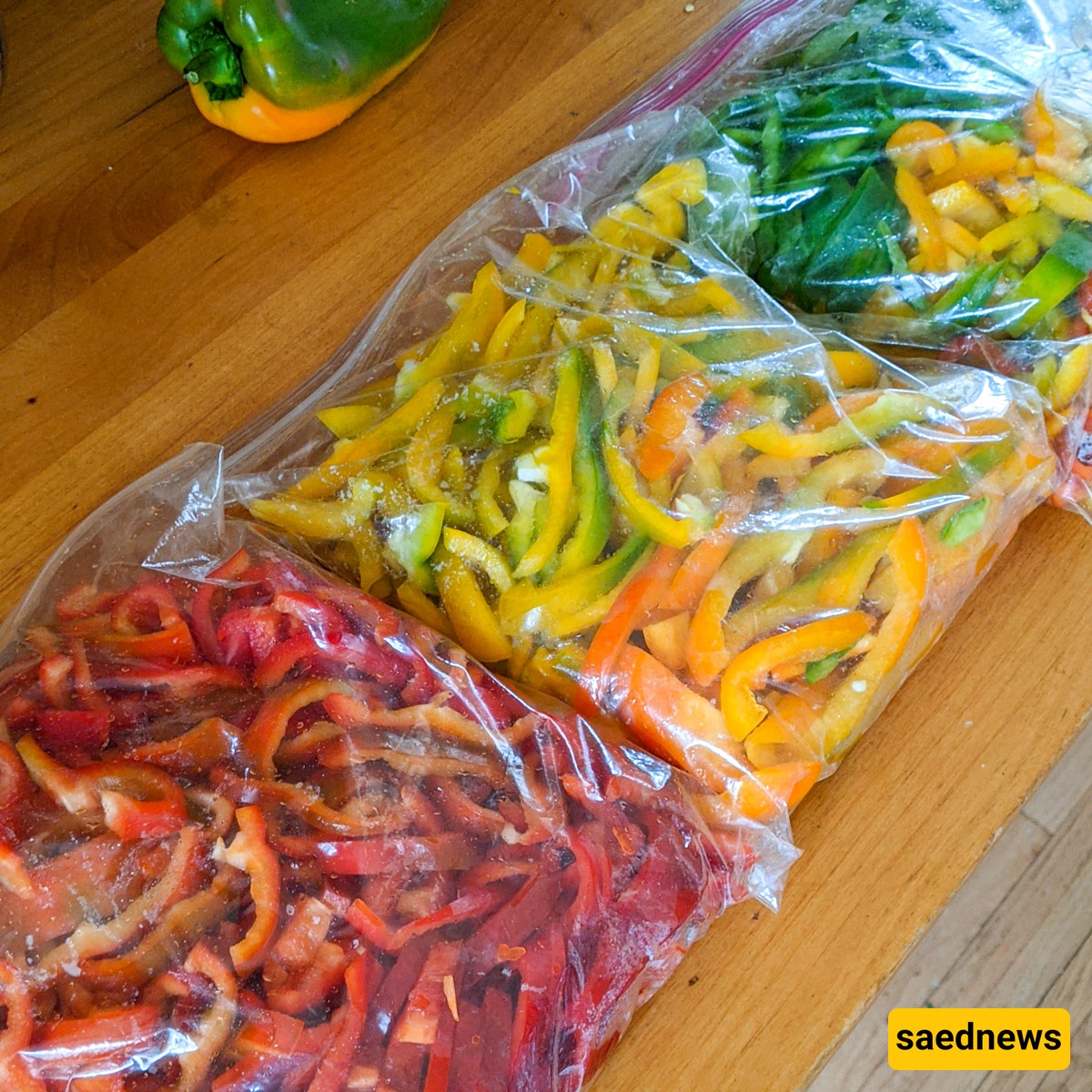
Cut bell peppers need more careful storage because their exposed surfaces lose moisture and are more vulnerable to spoilage.
Wash the pepper before cutting if needed.
Remove the seeds and cut the pepper as desired.
Pat the pieces thoroughly dry.
Place them in a clean, airtight food container or suitable storage bag.
Refrigerate promptly.
Keeping cut peppers dry while limiting their exposure to air helps preserve their texture and quality.
Fresh peppers should feel reasonably firm and have a normal appearance. Avoid eating peppers that show clear signs of spoilage, such as:
Extensive mold growth
A strong or unusual odor
A slimy or significantly deteriorated surface
Large areas of decay
A slightly soft or wrinkled pepper is not necessarily spoiled, but its texture and quality may have declined. If there are signs of actual decay or mold, it is safer to discard it.
The key is to keep whole bell peppers cool and dry, wash them shortly before use, and refrigerate cut pieces in a clean sealed container. These simple habits can help preserve their crispness and reduce unnecessary food waste.