SAEDNEWS: This article examines whether tangerines help relieve constipation or make it worse, drawing on reliable nutritional data and exploring the factors that influence their effects on digestive health.
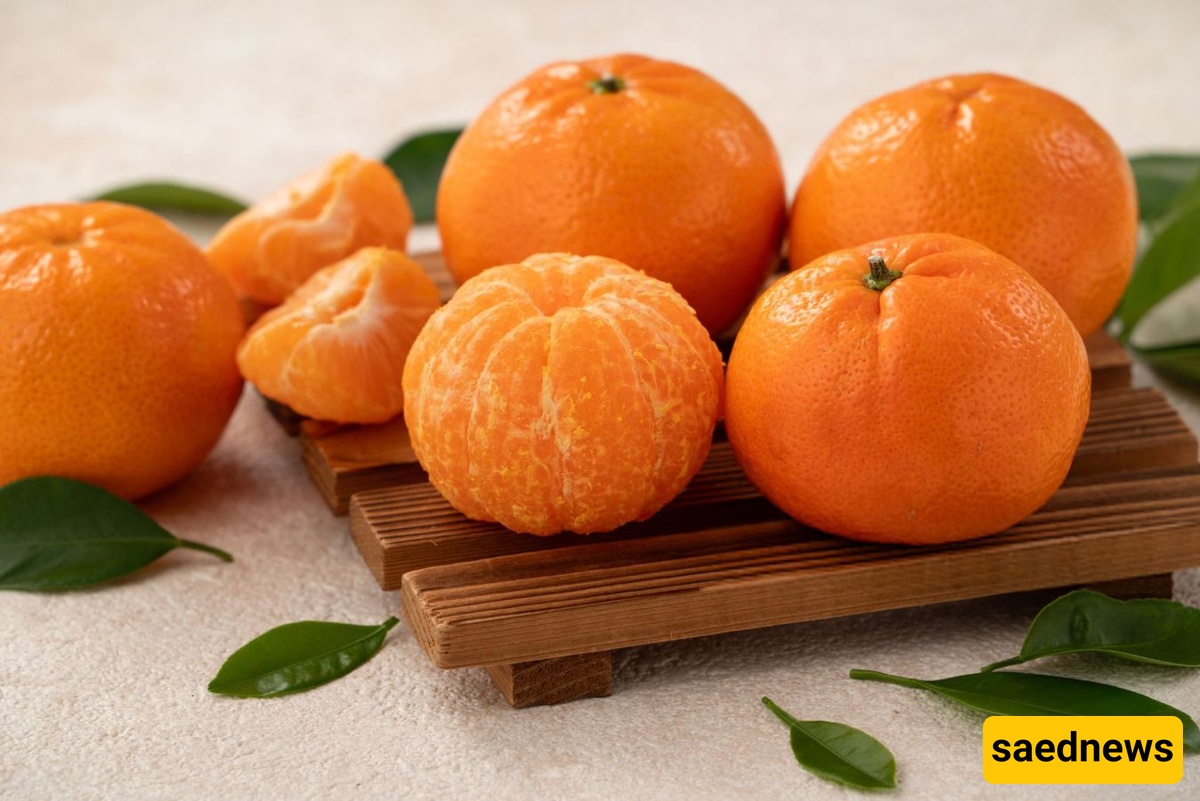
According to Saednews, Tangerines are among the most popular fruits during Iran’s colder months. Their sweet-and-tangy flavor, pleasant aroma, easy-to-peel skin, and high water content make them a common daily snack in many households. However, one frequently asked question about this fruit is whether tangerines help relieve constipation or make it worse. Some people find that eating a few tangerines makes bowel movements easier, while others experience bloating or abdominal discomfort.
There is no simple answer to this question. Tangerines contain water, soluble and insoluble fiber, vitamin C, flavonoids, natural sugars, and organic acids. Each of these components may affect the digestive system differently. Their overall effect depends on the amount consumed, individual bowel health, daily fluid intake, dietary variety, and underlying medical conditions.
Constipation is a symptom rather than an independent disease. Clinically, a person may be considered constipated when they have fewer than three bowel movements per week or experience difficulty passing stool, hard or dry stools, or excessive straining during bowel movements.
According to the Rome Foundation's Rome IV criteria, functional constipation is characterized by symptoms such as straining during more than one-quarter of bowel movements, hard stools, a sensation of blockage or incomplete evacuation, the need for manual assistance, and reduced bowel movement frequency over the previous three months.
Functional constipation can have several causes, including dehydration, a low-fiber diet, physical inactivity, stress, ignoring the urge to have a bowel movement, and certain medications such as opioid painkillers, antidepressants, and iron supplements. Other contributing factors include hypothyroidism, pregnancy, and aging. Behavioral factors, such as irregular bowel habits and excessive consumption of processed foods, can also play a role.

Nutrition is particularly important in managing constipation. Three major dietary factors influence bowel regularity:
Dietary fiber: Insoluble fiber increases stool bulk and helps speed up its passage through the intestines. Soluble fiber absorbs water, softens stool, and provides nourishment for beneficial gut bacteria.
Water and fluids: Without adequate hydration, increasing fiber intake can have the opposite effect and make stools harder.
Probiotics and plant compounds: Certain substances found in fruits and vegetables help create a favorable environment for beneficial gut microorganisms.
From this perspective, tangerines are worth considering because they provide both a significant amount of water and dietary fiber. The following sections explain how these components may help relieve constipation.
According to data from the United States Department of Agriculture (USDA), every 100 grams of fresh tangerines contains approximately:
Water: 85 grams
Calories: 53 kcal
Carbohydrates: 13 grams
Natural sugars: 9–10 grams
Dietary fiber: 1.8 grams
Vitamin C: 27 milligrams
Potassium: 166 milligrams
Calcium and magnesium: Small amounts
Flavonoids: Including hesperidin, nobiletin, and tangeretin
Organic acids: Including citric acid and malic acid
It is important to note that these nutrients are distributed throughout both the fleshy part of the fruit and its peel. Tangerine peel contains considerably more fiber than the fruit's flesh and has also been used in traditional East Asian medicine.
However, eating tangerine peel is not recommended for everyone. It may contain agricultural pesticide residues and could irritate the digestive system in people with certain gastrointestinal sensitivities.
Tangerines contain two types of dietary fiber: soluble and insoluble fiber.
Soluble fiber, a significant portion of which consists of pectin, absorbs water in the intestines and forms a gel-like substance. This helps soften stool and makes it easier to pass.
Insoluble fiber, on the other hand, increases stool bulk and stimulates intestinal movement, helping waste travel through the digestive tract more efficiently.
Although 100 grams of tangerines provides approximately 1.8 grams of fiber, which is less than the amount found in fruits such as pears and kiwis, regular consumption can still contribute meaningfully to daily fiber intake.
For example, eating three medium-sized tangerines (approximately 300 grams) provides around 5 grams of dietary fiber. This represents a useful contribution toward the recommended daily intake of 25–30 grams.

Tangerines contain approximately 85% water. This offers two important benefits: helping maintain the body's fluid balance and supporting stool softness when consumed alongside dietary fiber.
One common mistake when managing constipation is increasing fiber intake without drinking enough water. Inadequate hydration can make stools harder and potentially worsen constipation.
Because tangerines naturally contain plenty of water, they can be a helpful addition to a balanced diet for people who experience constipation.
Research has not established a definitive connection between vitamin C intake and constipation. However, some population-based studies suggest that higher vitamin C consumption may be associated with a lower prevalence of constipation.
A study using data from the National Health and Nutrition Examination Survey (NHANES) in the United States found an inverse association between vitamin C intake and the likelihood of constipation.
One possible explanation is that vitamin C acts as an antioxidant and may help reduce oxidative stress and support the health of intestinal lining cells.
Additionally, very high doses of vitamin C, particularly from supplements, can have a laxative effect. However, this effect is generally much less pronounced when vitamin C is obtained through ordinary fruit consumption.
Tangerines are a source of flavonoids such as hesperidin and nobiletin.
Laboratory and animal studies suggest that these compounds may influence the gut microbiome by encouraging the growth of beneficial bacteria, including Lactobacillus and Bifidobacterium, while helping reduce intestinal inflammation.
Although most of these findings come from laboratory and animal research and require further confirmation in humans, they suggest a possible additional benefit of tangerine consumption.
A healthy gut microbiome can indirectly influence stool consistency and bowel regularity.
Tangerines contain natural sugars and small amounts of sorbitol.
Sorbitol is a sugar alcohol naturally found in certain fruits. It is not completely absorbed in the intestines and can draw water into the bowel, potentially producing a mild laxative effect.
This may explain why some people experience smoother bowel movements after eating several tangerines.
However, this effect is generally limited at normal serving sizes. People who are sensitive to sorbitol may experience bloating, abdominal discomfort, or diarrhea, particularly after consuming larger quantities.
Tangerines contain organic acids, including citric acid and malic acid, which may stimulate gastric acid and digestive enzyme secretion.
In some people, these effects may support digestion and contribute to more regular bowel movements.
However, people with sensitive stomachs or acid reflux may experience heartburn or increased stomach discomfort after eating acidic fruits.
Therefore, the digestive effects of organic acids in tangerines can vary considerably from person to person.
Tangerines can be a useful part of a constipation-friendly diet because they provide water, dietary fiber, vitamin C, and plant-based compounds.
Their fiber helps support stool bulk and softness, while their high water content contributes to hydration. Other compounds, including flavonoids and natural sugars, may provide additional digestive benefits, although more human research is needed to confirm these effects.
Nevertheless, tangerines should not be considered a standalone treatment for chronic constipation. Their effectiveness depends on overall dietary habits, hydration, physical activity, and individual digestive health.
The bottom line: Eating tangerines in moderate amounts may help support bowel regularity and relieve mild constipation. However, excessive consumption may cause bloating or digestive discomfort in sensitive individuals. For better results, combine fruit consumption with adequate water intake, a fiber-rich diet, and regular physical activity.