SAEDNEWS: Buying jeans is not just a simple choice for many people, as they are expected to last for years, retain their shape, and remain comfortable for everyday wear. However, not all jeans available on the market offer the same level of quality.
According to Saednews, Buying a pair of jeans is more than just a simple shopping decision for many people. Jeans should last for years, maintain their shape, and remain comfortable during everyday wear. However, not all jeans on the market offer the same level of quality. Some fade after just a few washes, others stretch around the crotch and knees, while some feature uneven stitching and thin fabric right from the start.
That is why knowing how to identify high-quality jeans before buying can help you avoid an expensive and disappointing purchase.
Jeans are generally more expensive than many other types of trousers, so consumers naturally expect them to last longer. High-quality denim not only offers better durability but also maintains its shape, color, and size more effectively after washing.
In contrast, low-quality jeans may shrink, fade, develop stretched-out knees, have torn seams, or experience zipper problems within the first few months.
One important thing to remember is that a high price does not always guarantee good quality. Some brands include marketing and brand-name costs in their prices, while affordable jeans can also offer excellent value.
Therefore, the best way to evaluate jeans is to examine the fabric, stitching, hardware, fit, and internal details. Understanding these factors will help you make a smarter decision before buying a pair of jeans.
Fabric is the most important part of any pair of jeans. High-quality denim fabric usually has a dense weave, balanced weight, and natural feel. Extremely thin or see-through denim generally lacks durability and is more likely to stretch or tear in high-stress areas.
On the other hand, denim that is excessively thick and stiff may not be comfortable for everyday wear.
When inspecting the fabric, hold it under good lighting and check its weave density. Evenly woven threads, a consistent texture, and the absence of thin or weak spots are positive signs.
Gently stretch the fabric and release it. Quality denim should return relatively close to its original shape. If the material stretches excessively and struggles to recover, it may contain a high percentage of stretch fibers and could lose its shape over time.
You should also check the fabric composition label. Classic denim jeans typically contain a high percentage of cotton. A small amount of elastane is perfectly normal and can improve comfort. However, a very high percentage of synthetic fibers may make the fabric feel less natural and potentially affect its long-term durability.
A strong chemical smell may also indicate poor dye processing or inadequate washing during manufacturing.
After the fabric, denim stitching is one of the most important indicators of quality.
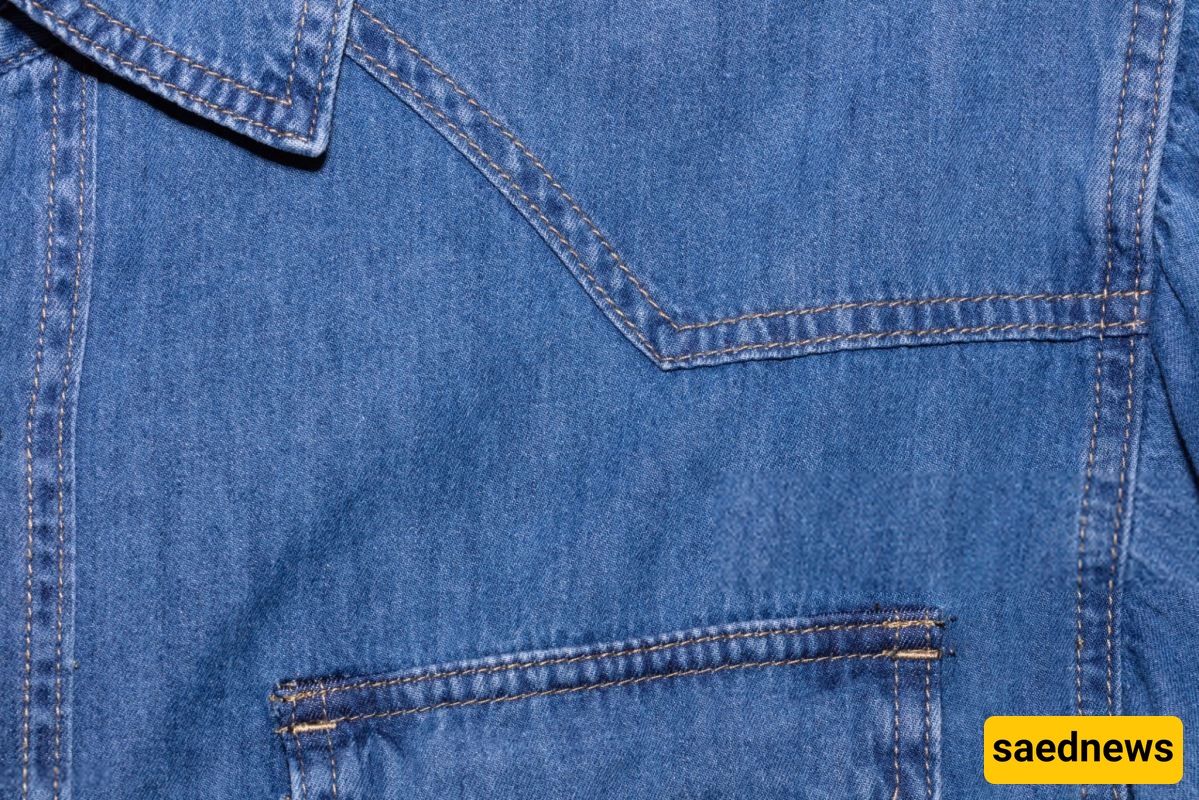
The seams of a well-made pair of jeans should be neat, strong, and free from waves or puckering. Small, consistent stitches generally indicate careful manufacturing, while large, uneven, or loose stitches may come apart under tension.
Pay particular attention to high-stress areas, including:
The crotch.
The area beneath the seat.
The knees.
Pocket corners.
The waistband.
The leg openings.
These areas should feature reinforced or double stitching whenever appropriate.
The back seams and decorative stitching should also look clean, without loose or hanging threads. Turn the jeans inside out to inspect the inner seams. You should see neat overlock stitching or properly finished seams. Unfinished edges and loose threads are warning signs.
The stitching thread itself matters, too. Thick, strong thread that complements the fabric generally provides better durability.
Extra knots, crooked stitches, and asymmetrical stitching on the two legs may indicate poor manufacturing quality.
Although they may seem like small details, the hardware on jeans plays an important role in their durability and comfort.
The zipper should open and close smoothly without getting stuck, and its teeth should be evenly aligned. A stiff or faulty zipper may cause problems later.
Buttons should be securely attached and should not have sharp edges.
Also Read:
Metal rivets on the pockets should also be firmly attached and clean. Loose or rusty rivets can indicate poor quality.
Heavier, well-made metal hardware may offer better durability, but proper function and safety are more important than the brand name.
Test the buttons and zipper several times in the store to make sure everything works properly.
One of the most common mistakes when buying jeans is overlooking the fit and cut.
High-quality jeans should sit comfortably around the waist without excessive pulling. They should also provide enough room around the hips and crotch.
If the waistband feels overly tight or the fabric bunches around the crotch, the size or cut may not be right for your body.
Before purchasing, try a few simple movements:
Sit down.
Bend forward.
Walk up a flight of stairs.
Perform a slight squat.
The jeans should not become excessively tight or create unusual pressure during these movements.
Also, check the side seams and make sure the stitching is balanced on both legs.
A good pair of jeans should not only look attractive but also feel comfortable throughout the day.
The true quality of a pair of jeans can also be evaluated from the inside.
The fabric composition label, country of manufacture, and washing instructions should be clear and readable. Blurry, faded, or incomplete labels are not encouraging signs.
The internal stitching, pocket linings, belt loops, and other inner finishes should also be neat and securely attached.
Authentic or high-quality jeans generally show attention to detail in areas such as inner pocket stitching, size labels, and internal seam finishing.
However, you should never rely solely on the brand name or label. Many lesser-known denim brands also produce excellent-quality jeans. What matters most is carefully inspecting these practical details.
The color of denim should look consistent and natural.
For pre-washed jeans, slight variations in color and fading are normal. However, irregular stains, unusual discoloration, or unwanted lines may indicate poor manufacturing or finishing quality.
Pay attention to whether the color looks evenly distributed and whether the overall wash appears intentional.
Choosing durable jeans requires more than looking at the brand name or price tag. By examining the fabric, stitching, hardware, fit, internal construction, and color, you can make a more informed purchase.
A well-made pair of jeans should provide comfort, maintain its shape, resist premature wear, and remain stylish for years.
Taking a few extra minutes to inspect these six details before buying can help you find jeans that offer better quality, durability, and value for money.