SAEDNEWS: Are scented lip balms suitable for sensitive lips? This scientific article explores lip anatomy, the chemistry of fragrances, and clinical evidence to help you make an informed choice.
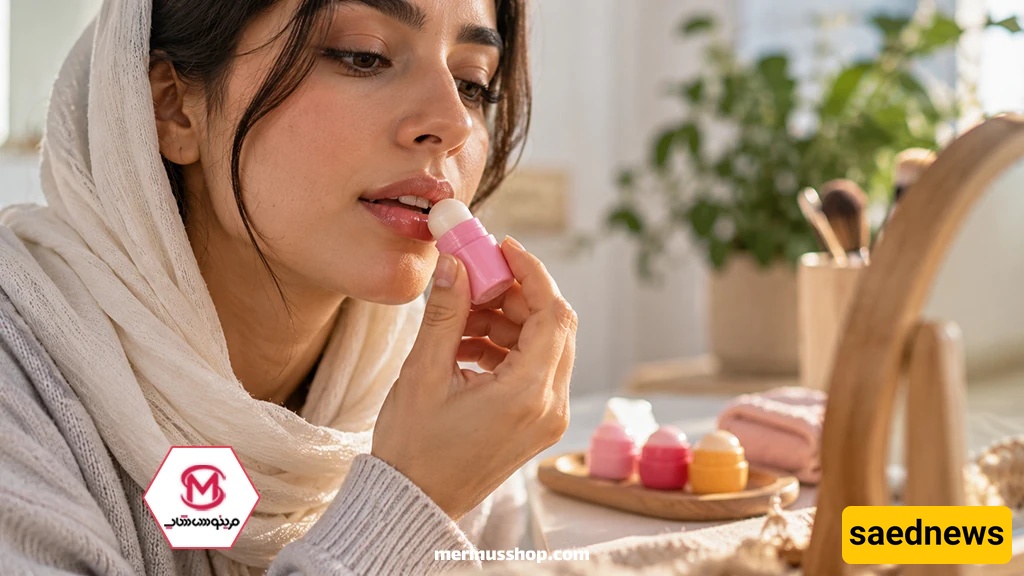
According to Saednews, Lips are among the most vulnerable areas of the skin and tend to react quickly to environmental changes, cosmetic products, and everyday habits. When it comes to scented lip balm for sensitive lips, choosing the right product involves more than simply finding a pleasant fragrance. While fragrance can make a product more enjoyable to use, the same aromatic ingredients may cause dryness, burning, redness, or contact dermatitis in people who are prone to sensitivity. Therefore, choosing a scented lip balm for sensitive lips requires careful attention to the ingredient list, type of fragrance, product texture, and individual skin condition.
The skin on the lips differs from the skin on other parts of the face. The outer protective layer of the lips is much thinner, and they have fewer oil and sweat glands. Lips are also more exposed to wind, cold weather, sunlight, dry air, spicy foods, saliva, and cosmetic products. These characteristics make the protective barrier of the lips more vulnerable to damage.
In people with sensitive lips, this damage may appear as persistent dryness, flaking, tiny cracks, burning, itching, or a feeling of tightness.
Lip balm helps retain moisture, prevent water loss, and create a protective layer over the skin. A product designed for sensitive lips should perform these functions with minimal irritation.
It is important to understand that lip sensitivity does not always cause an immediate reaction. Many reactions develop gradually. Someone may use a scented lip balm for several days or even weeks before noticing symptoms. This delay can make it difficult to identify the actual cause, leading people to mistakenly blame the weather, dehydration, or certain foods.
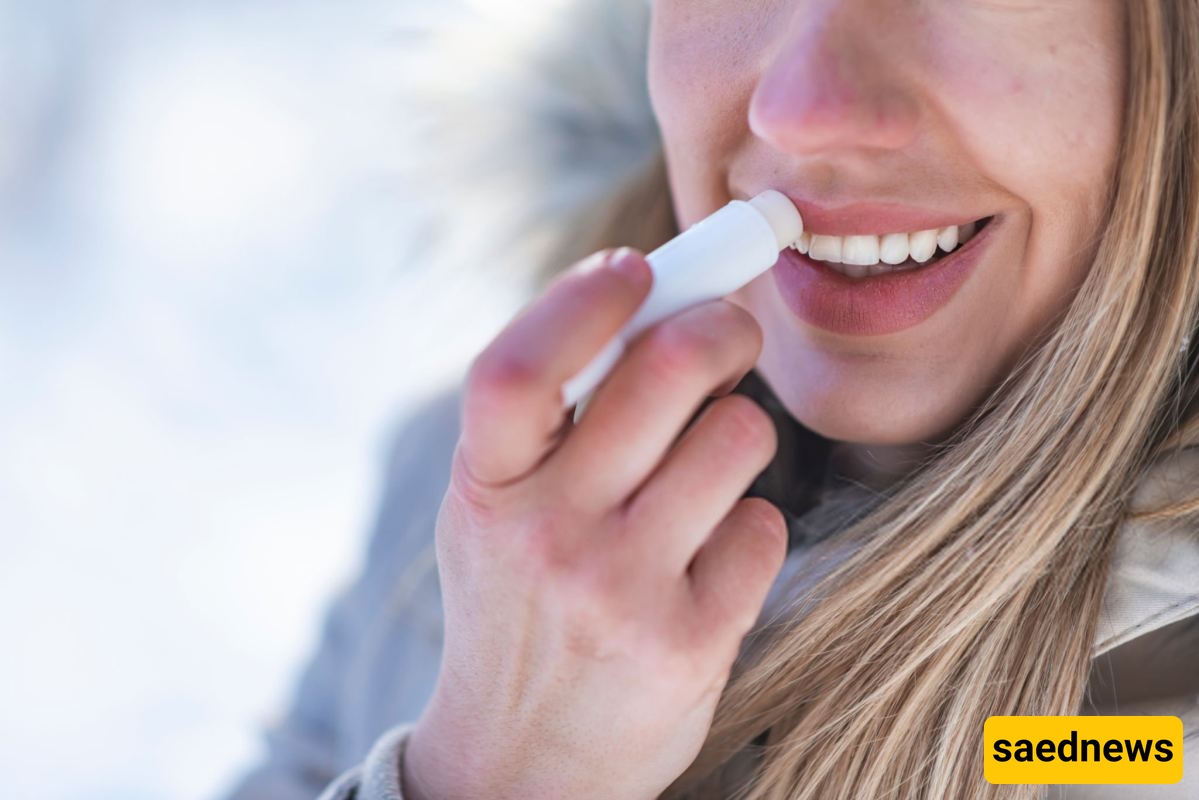
Fragrance in lip care products generally comes from two sources: synthetic fragrances (Fragrance/Parfum) and natural essential oils, such as peppermint, citrus, cinnamon, lavender, or vanilla.
Both groups can trigger reactions in people who are prone to sensitivity. Fragrance ingredients are among the most well-known contact allergens in cosmetic products. Because the skin on the lips is thin and lip balm tends to remain on the skin for extended periods, these ingredients have prolonged contact with the lips, potentially increasing the risk of a reaction.
Additionally, some fragrances create a cooling or tingling sensation. Menthol and peppermint derivatives are common examples. Although this sensation may initially feel pleasant, it can cause irritation on dry or cracked lips and encourage frequent lip licking.
Lip licking leaves saliva enzymes on the skin, further worsening the cycle of dryness. Therefore, when choosing a scented lip balm for sensitive lips, it is best to select a fragrance-free product or one containing a low concentration of fragrance ingredients that are less likely to cause irritation.
A good lip balm for sensitive skin should perform three functions simultaneously: attract moisture, prevent moisture loss, and repair the skin barrier. The following ingredients are particularly useful:
Humectants: Ingredients such as glycerin, hyaluronic acid, and panthenol attract water to the skin's surface. Glycerin is affordable, effective, and generally well tolerated. Panthenol (vitamin B5) not only moisturizes but also helps soothe and support skin repair.
Emollients and Occlusives: These ingredients create a protective layer over the lips. Petrolatum (petroleum jelly), lanolin, jojoba oil, shea butter, cocoa butter, squalane, and ceramides belong to this category. Pure petrolatum is one of the lowest-risk options for extremely sensitive lips because it contains virtually no fragrance or irritating ingredients.
Skin Barrier-Repairing Ingredients: Ceramides, cholesterol, and fatty acids help restore the structure of the skin barrier. These ingredients are particularly beneficial for people with chronic dryness or eczema.
Vitamin E and Plant Oils: Tocopherol (vitamin E) is added as an antioxidant and natural preservative. Plant oils, such as sweet almond oil, avocado oil, and castor oil, can soften the lips. However, it is important to remember that natural does not always mean gentle. Plant oils containing naturally occurring fragrance compounds, such as citrus or lavender oil, can trigger allergic reactions.
When purchasing a scented lip balm for sensitive lips, check the product label for the following ingredients:
Fragrance / Parfum: A broad and vague term that may represent dozens of different compounds. Fragrance-free products are generally a safer choice for sensitive lips.
Denatured Alcohol (Alcohol Denat / Ethanol): May cause dryness and irritation, particularly on cracked lips.
Menthol, Camphor, and Peppermint: These ingredients create a cooling or tingling sensation and are not suitable for damaged lips.
Citrus and Lemon Essential Oils: Well-known allergens that may also cause photosensitivity.
Artificial Colors and Red Carmine Pigments: May trigger reactions in some individuals.
Exfoliating Acids and Physical Scrubs: Not recommended for sensitive lips.
Chemical Sunscreen Ingredients Such as Oxybenzone: May cause irritation in some people. Mineral sunscreens containing zinc oxide and titanium dioxide are generally considered lower-risk alternatives.
Keep in mind that labels such as "natural" or "organic" do not guarantee that a product will not cause an allergic reaction. Many contact reactions are triggered by naturally derived essential oils.
Before purchasing a product, consider the following points:
Complete Ingredient List: Make sure the full ingredient list is available rather than relying solely on marketing claims on the packaging.
Alcohol-Free Formula: Choose products that are alcohol-free or contain very low amounts of alcohol.
Protective Base Ingredients: Look for petrolatum, shea butter, squalane, or other well-tolerated oils.
Low Fragrance Concentration: If the product contains fragrance, it should ideally appear near the end of the ingredient list, indicating a relatively low concentration. Alternatively, choose products formulated with mild, lower-allergen fragrance ingredients.
SPF Protection: Choose a lip balm with SPF, particularly for daily outdoor use.
Valid Manufacturing and Expiration Dates: Expired products may undergo oxidation and become more irritating.
Soft, Non-Abrasive Texture: The balm should glide smoothly over the lips without pulling or rubbing the skin.
Hygienic Packaging: Choose packaging that helps prevent microbial contamination.
Before applying a new scented lip balm regularly, perform a sensitivity test:
Apply a small amount of the product to the inner forearm and wait 24–48 hours.
Then apply a very small amount to the outer corner of the lips and monitor the area for one day.
If burning, redness, swelling, or itching occurs, discontinue use immediately.
People with a history of allergies may benefit from professional patch testing under the supervision of a dermatologist.
Remember that a forearm test cannot always predict how the lips will react because lip skin is thinner and more sensitive.
Frequent Lip Licking: This is one of the most common mistakes. Saliva contains enzymes that can damage the protective skin barrier and worsen dryness.
Peeling or Picking Dry Skin: This can cause wounds and increase the risk of infection.
Using Harsh Lip Scrubs: Sensitive lips do not need abrasive exfoliation.
Choosing Products Based on Fragrance or Packaging: A pleasant scent does not mean a product is suitable for sensitive skin.
Using Matte Lipstick Without a Moisturizing Base: Matte lipsticks can strip moisture from the lips and make dryness worse.
Ignoring Sun Protection: Lips are vulnerable to ultraviolet radiation, and repeated sun damage can lead to chronic lip problems.
Inadequate Hydration and Poor Nutrition: Dehydration and deficiencies in certain vitamins may contribute to dry lips.
Cold and dry weather, wind, indoor heating systems, and sunlight can all weaken the protective barrier of the lips.
Using a lip balm with SPF 15 or higher on sunny days is recommended. At night, a simple fragrance-free lip balm containing petrolatum or shea butter can help retain moisture.
Using a humidifier in dry environments may also be beneficial.
If your lips are constantly cracking or developing sores, medical evaluation is recommended because these symptoms may be associated with dehydration, anemia, eczema, or infection.
Children: Children's skin is thinner and more sensitive. Fragrance-free and color-free lip balms are generally recommended.
During Pregnancy: It is preferable to choose products with simple, low-risk ingredients and avoid substances for which adequate safety information is unavailable.
People with Eczema or Contact Dermatitis: Choosing products labeled "Fragrance-Free" and "Hypoallergenic" is a more sensible approach. If reactions occur repeatedly, consulting a dermatologist to identify the specific allergen is essential.