SAEDNEWS: Norwegian Town Uses Giant Mirrors to Bring Sunlight to the Village
Residents of the Norwegian town of Rjukan spend six months of the year in darkness, without seeing the sun. Now, their dark days have come to an end.
A photo report on the installation of giant mirrors that reflect sunlight into the town.
“The sun shines upon me when I see it, and its light never fades.”
For people who wake up to sunshine every day, spending several months of the year in darkness is almost unimaginable.
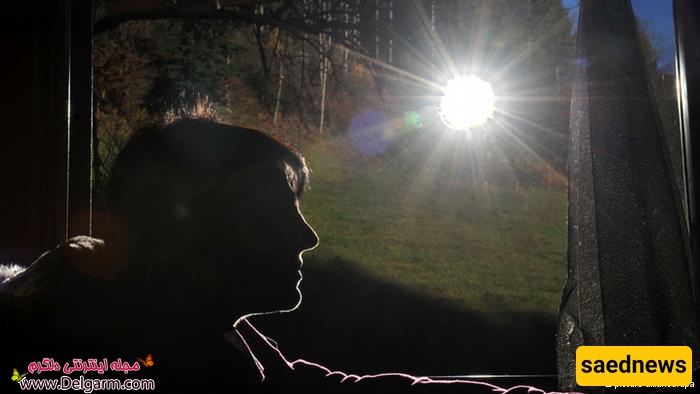
In northern regions of the world, autumn and winter are dark seasons when sunlight is scarce or absent. The cold, and especially the lack of daylight, can have adverse effects on the people who live in these areas.
Residents of Rjukan, located about 180 kilometers from Oslo, the capital of Norway, used to go without seeing the sun from September to March. Surrounded by two mountains, the town remained in shadow for six months of the year.
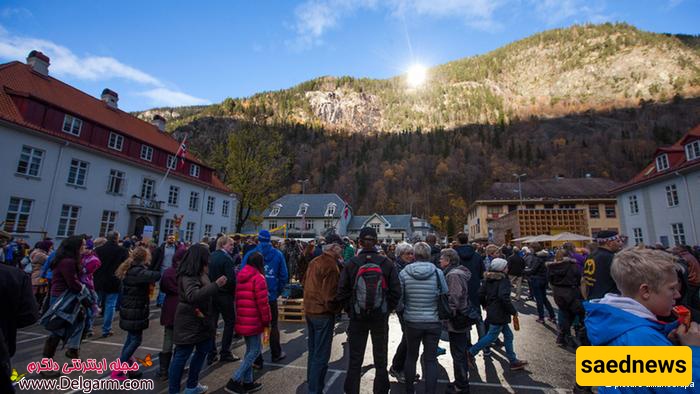
To escape the darkness, residents even built a cable car so they could spend a few hours in the sunshine on top of a mountain. Now, with the installation of giant mirrors, the long dark period has come to an end for the town’s 3,500 residents.
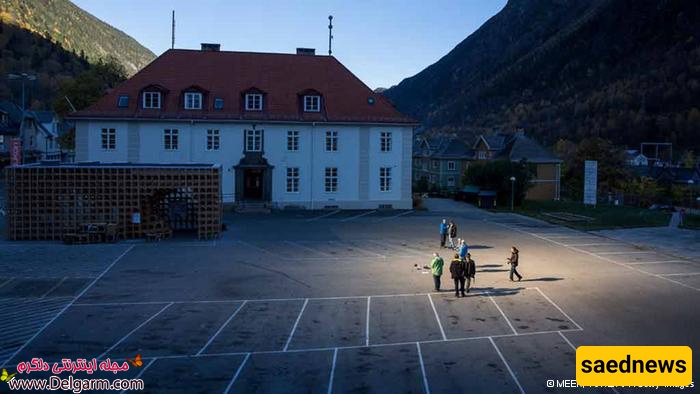
Reflecting sunlight into a valley using mirrors mounted on a mountain is not a new idea. A century ago, Norwegian industrialist Sam Eyde came up with the concept. However, the technology needed to make it a reality was not available in Rjukan at the time.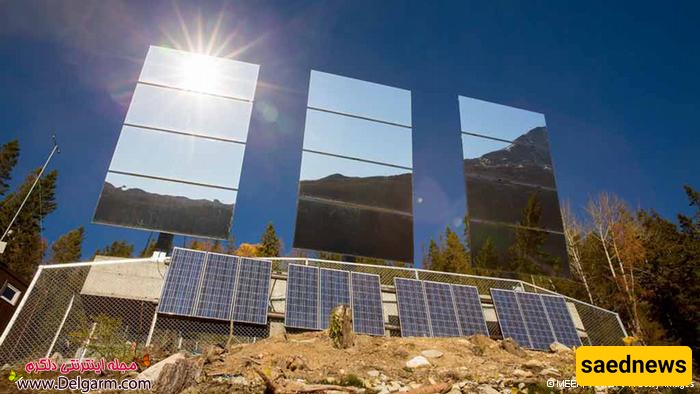
In 2005, Norwegian artist Martin Andersen revived Sam Eyde’s idea. The plan was to install three large mirrors with a combined surface area of 51 square meters at an altitude of 450 meters. Wind and solar energy would power their movement.
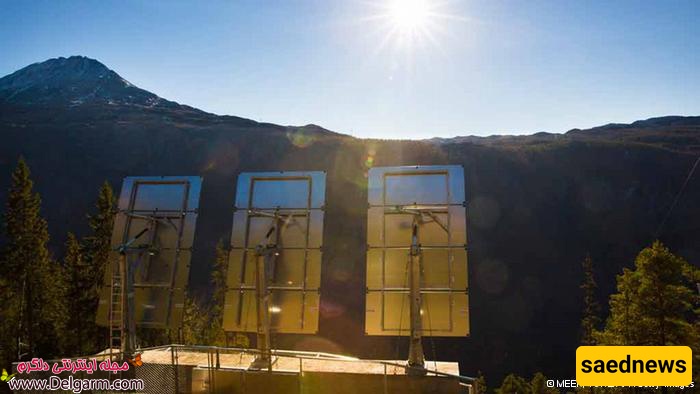
The mirrors are mounted on two movable axes and controlled by a computer. The reflected sunlight illuminates an area of 600 square meters in the town’s central square. The project cost approximately 5 million Norwegian kroner, equivalent to €620,000.
In some parts of Norway, even mirrors and modern technology cannot help. Above the Arctic Circle, there are days when the sun does not appear at all. The colorful displays of the northern lights are one of the main attractions of polar nights.
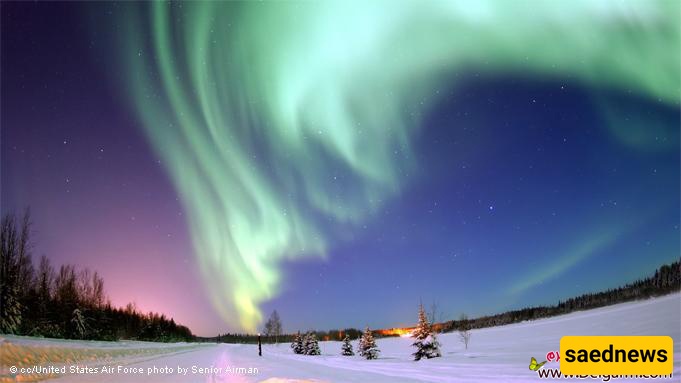
In Norway, the sun does not set for two months during the summer, and the nights remain bright.
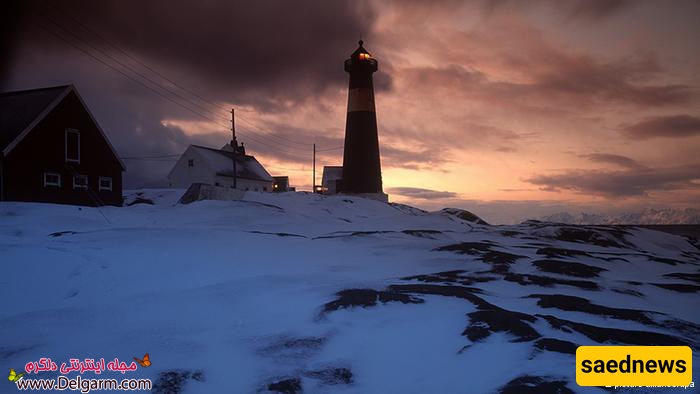
Rjukan is not the first place where mirrors have been used to bring sunlight into a shaded area. Since 2006, the same technique has been used to illuminate the village of Viganella in the Italian Alps, where residents also live in the shadow of surrounding mountains.
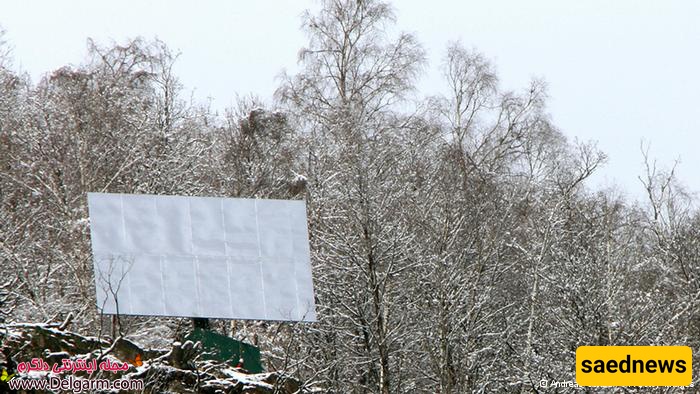
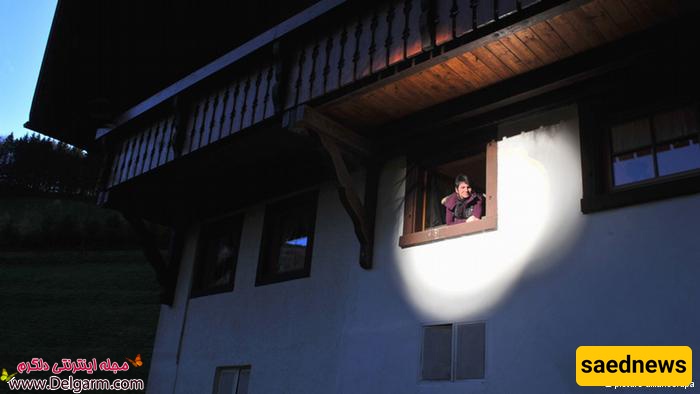
In Germany, a family living in the village of Wildgutach, in the Black Forest region, also faces darkness from October until mid-February. In 2010, they installed a 2.5-meter mirror to bring sunlight into their home during the dark winter months.
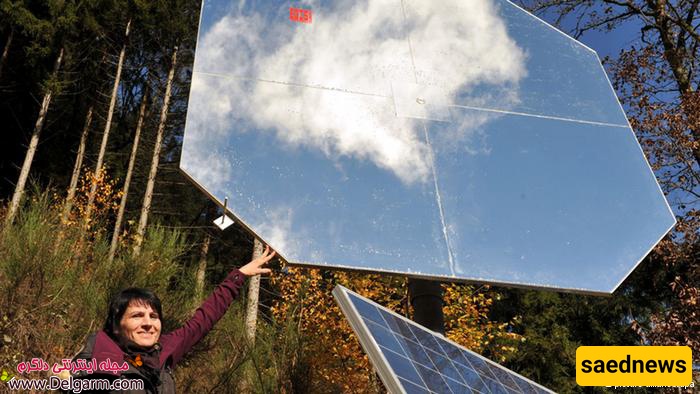
Compared with the sunlight reflected by the mirrors in Rjukan, the light reaching this German family’s home is only a faint glow. Nevertheless, even this small amount of sunlight represents a glimmer of hope during the dark winter months.
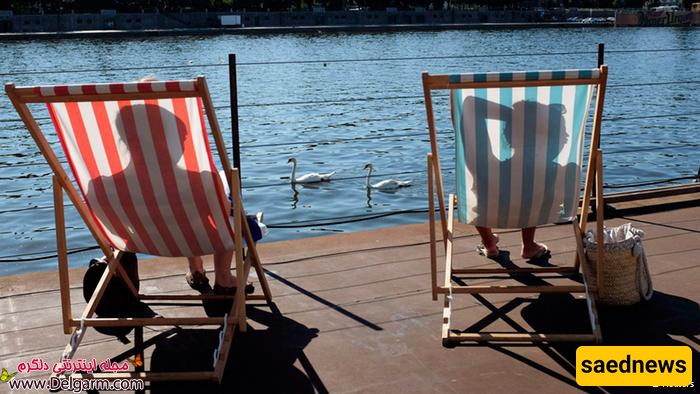
For Iranians who travel to Northern European countries during the summer, the sight of local residents sunbathing may seem strange at first. However, after living in these regions for several years, they begin to appreciate the important role of sunlight and warmth.
Sunlight is essential for the human body to synthesize vitamin D. Children, who need more vitamin D for the development of their bones and teeth, are particularly vulnerable to deficiencies caused by insufficient sunlight.
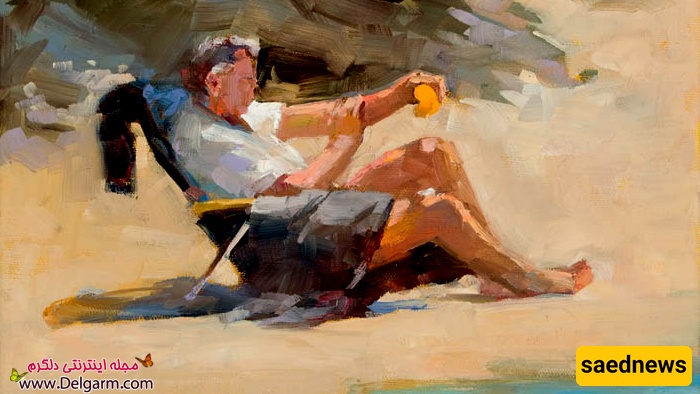
On the other hand, exposure to ultraviolet radiation has cumulative effects. Excessive exposure can damage skin cells and DNA, potentially increasing the risk of skin cancer.
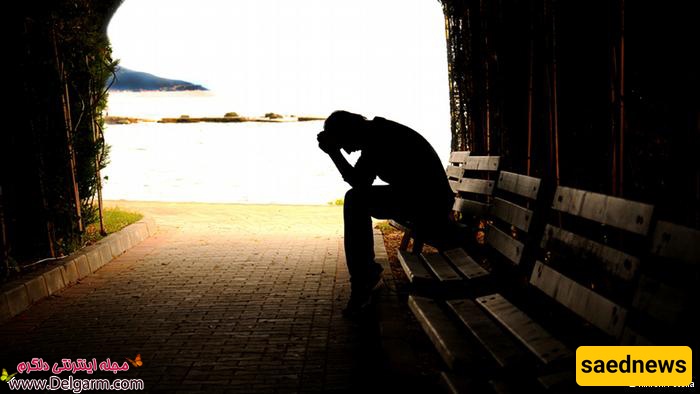
Psychiatrists have known for years that certain types of depression, such as seasonal affective disorder, can occur during autumn and winter because reduced exposure to daylight affects the body’s biological rhythms and the production of melatonin. Based on this understanding, light therapy was developed as a treatment for people experiencing these conditions.