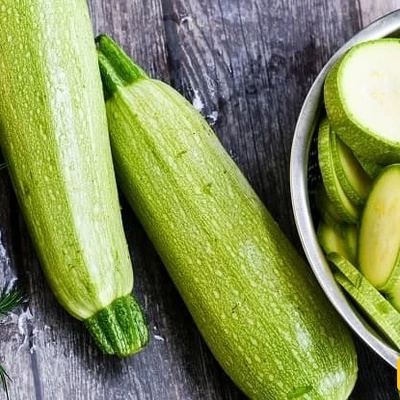
SAEDNEWS: Zucchini is a nutrient-rich summer vegetable traditionally considered cooling and moistening. It is packed with vitamins and minerals that support eye, skin, and nerve health and may help promote liver health.
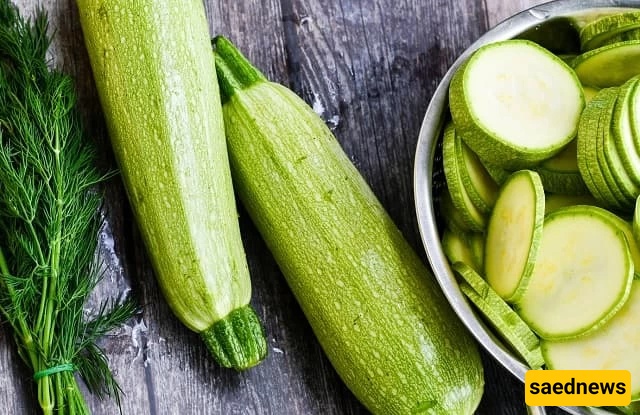
According to Saednews, Zucchini (Cucurbita species) belongs to a diverse family of squash that includes pumpkins, butternut squash, green squash, and other varieties. Zucchini, also known as courgette, is one of the most popular summer vegetables. It is widely used in various dishes and salads and comes in different shapes and sizes.
Zucchini is a nutritious vegetable rich in vitamins and essential nutrients. Its potential health benefits include supporting weight management, helping maintain healthy cholesterol levels, promoting heart health, and contributing to overall well-being.
According to traditional Persian medicine, zucchini is considered to have a cold and moist temperament. For this reason, it is traditionally regarded as a suitable food for hot summer days. People believed to have a phlegmatic or cold temperament are advised in this system to avoid excessive consumption.

In traditional Persian medicine, foods and seasonings believed to balance zucchini's temperament include mint, olive oil, pepper, natural verjuice, black and green cumin, and salt.
Zucchini is associated with several potential health benefits, including supporting heart health, helping manage cholesterol and blood pressure, aiding digestion, and contributing to healthy skin, bones, and teeth. Some of these benefits are related to its vitamins, minerals, fiber, and antioxidant content.
Zucchini contains vitamin C, beta-carotene, and antioxidants such as lutein and zeaxanthin, which contribute to eye health.
These nutrients help protect cells from oxidative damage and support normal retinal function. Lutein and zeaxanthin may help reduce the risk of age-related macular degeneration, a condition that can gradually impair vision. They may also help lower the risk of cataracts, which cause clouding of the eye's lens and can lead to impaired vision.

Can zucchini help with fatty liver disease?
Zucchini contains dietary fiber, potassium, vitamin C, and various antioxidants that contribute to a balanced diet and general health. Including vegetables such as zucchini in a healthy eating plan may help with weight management and support metabolic health.
Zucchini is also low in calories, making it a useful option for people seeking to manage their weight. Raw zucchini can be added to salads, including with the skin when properly washed.
However, there is insufficient evidence that zucchini directly detoxifies the liver or independently treats fatty liver disease. Sodium does not detoxify the liver, and zucchini is not particularly high in sodium. Managing fatty liver generally involves a balanced diet, regular physical activity, and appropriate medical care.
Zucchini provides several B vitamins and minerals that support normal body functions. Vitamin B6 is involved in the production of neurotransmitters, including serotonin and norepinephrine, which help regulate mood and nervous system activity.
Zucchini also contains magnesium, a mineral important for normal nerve and muscle function. Adequate magnesium intake contributes to overall health.
Although zucchini can be part of a nutritious diet that supports brain and nervous system function, there is no strong evidence that eating it directly treats anxiety, depression, multiple sclerosis (MS), or hyperactivity.
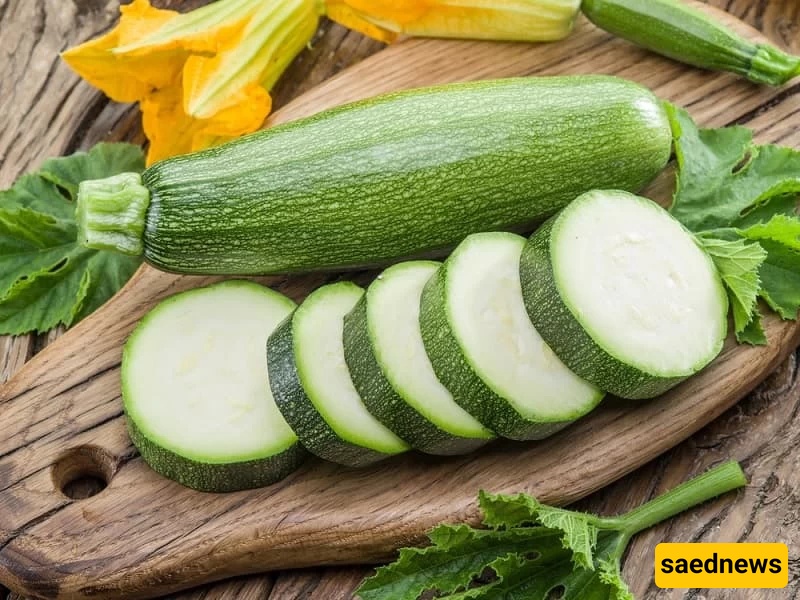
Zucchini contains fiber, vitamin C, vitamin A precursors, and potassium, all of which contribute to normal growth and development.
Digestive health: Fiber can help support regular bowel movements and digestive function.
Immune function: Vitamin C supports the normal functioning of the immune system.
Eye health: Vitamin A is essential for normal vision.
Bone development: Adequate vitamin A and other nutrients contribute to normal growth.
Easy preparation: Cooked zucchini has a soft texture and can be incorporated into age-appropriate meals.
Zucchini may be a useful food for children experiencing constipation as part of a balanced diet. However, it is not a proven treatment for diarrhea or respiratory illnesses.
Zucchini can be introduced as part of complementary feeding when a baby is developmentally ready, generally around six months of age.
It provides vitamin C, carotenoids, potassium, and some fiber. Cooking zucchini until soft and preparing it in an age-appropriate texture can make it easier for babies to eat.
Zucchini contains relatively little iron, so babies also need appropriate iron-rich foods. It should not be relied upon as a primary source of iron or as a treatment for inflammation or infections.
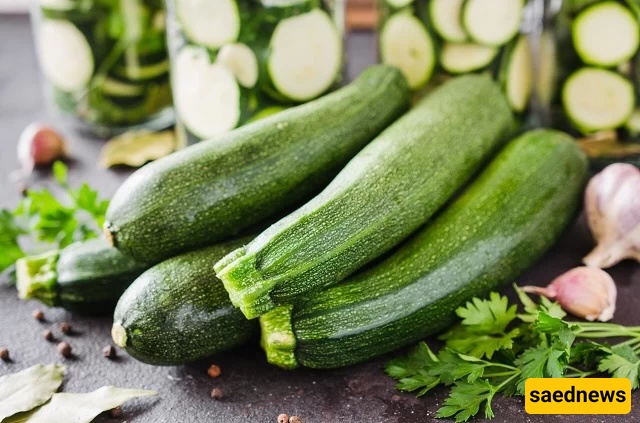
Zucchini may be a helpful addition to a diabetes-friendly diet because it is low in carbohydrates and calories and contains dietary fiber.
Its nutritional properties may help people manage their overall carbohydrate intake and maintain a balanced diet. Potassium also contributes to normal cardiovascular function.
The fiber in zucchini includes pectin and other plant components that can support digestive health. However, zucchini alone does not control diabetes or replace medication.
Maintaining a healthy weight, eating a balanced diet, and engaging in regular physical activity can help reduce the risk of developing type 2 diabetes. Increasing fiber intake through vegetables, legumes, whole grains, and fruits can also support metabolic health.
Zucchini can be a nutritious addition to a pregnancy diet. It provides vitamin C, carotenoids, potassium, and fiber, which contribute to normal maternal health and fetal development.
Potential dietary benefits include:
Supporting normal immune function.
Contributing to healthy digestion and helping prevent constipation.
Providing nutrients involved in normal tissue growth.
Contributing to overall dietary variety and nutritional balance.
Zucchini contains some folate, but it should not be considered a sufficient source of folic acid during pregnancy. Pregnant individuals should follow their healthcare professional's advice regarding folic acid supplementation and other prenatal nutrients.
There is insufficient evidence that zucchini directly prevents neuropathy, treats anemia, increases breast milk production, or prevents metabolic disorders during pregnancy.
Most people can safely eat zucchini as part of a balanced diet. However, some individuals may experience digestive discomfort, bloating, or abdominal pain after eating it.
According to traditional Persian medicine, people with a cold temperament or those living in cold climates were advised to limit zucchini because it was believed to cause bloating and stomach heaviness.
Traditionally, such individuals were advised to eat zucchini with warming seasonings such as mustard, garlic, pepper, or mint.
From a modern nutritional perspective, these traditional classifications are not scientifically established. People who experience bloating or abdominal discomfort after eating zucchini may benefit from adjusting the portion size or cooking method.
Zucchini that tastes unusually bitter should not be eaten, as excessive bitterness can indicate potentially harmful cucurbitacins.
Zucchini is a versatile, low-calorie vegetable that provides fiber, vitamins, minerals, and antioxidants. It can contribute to a balanced diet and support digestive, eye, and cardiovascular health.
In traditional Persian medicine, zucchini is classified as having a cold and moist temperament, with mint, olive oil, pepper, verjuice, cumin, and salt traditionally used as balancing ingredients. While these traditional beliefs may be culturally significant, claims that zucchini directly treats fatty liver disease, diabetes, or neurological disorders are not established by strong scientific evidence.