SAEDNEWS: Iron-rich foods can help support the increased iron needs of pregnancy and contribute to healthy red blood cell production.
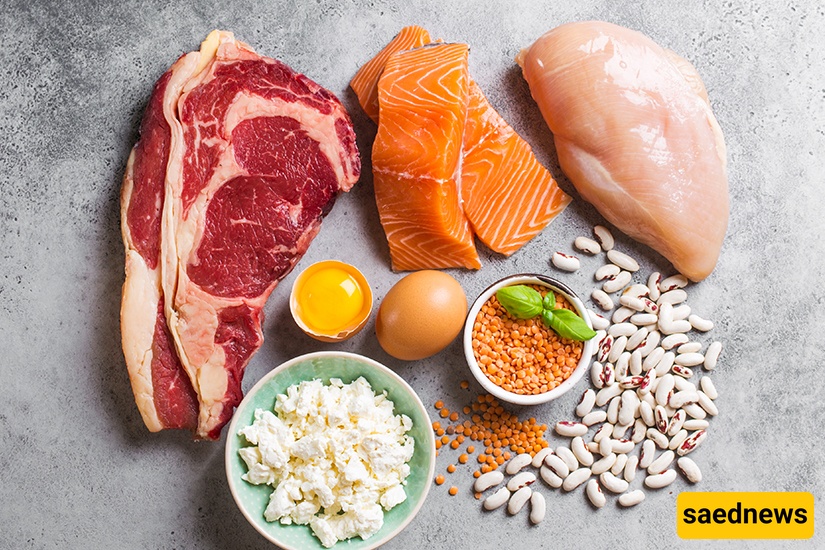
According to SAEDNEWS, pregnancy increases the body's need for iron because iron is needed to produce hemoglobin, the protein in red blood cells that carries oxygen. Adequate iron intake also supports the growing placenta and fetus. Including a variety of iron-rich foods in meals can help pregnant women meet these higher nutritional needs.
Several foods can provide dietary iron during pregnancy, including:
Lean beef and poultry — provide iron in a form that the body generally absorbs relatively well.
Lentils and beans — plant-based sources of iron that can also contribute protein and fiber.
Spinach and other dark leafy greens — contain non-heme iron along with other nutrients.
Eggs — provide iron as well as protein and several other essential nutrients.
Iron-fortified cereals and breads — can make a practical contribution to daily iron intake, depending on the product.
Nuts and seeds — provide smaller amounts of iron while also supplying other nutrients.
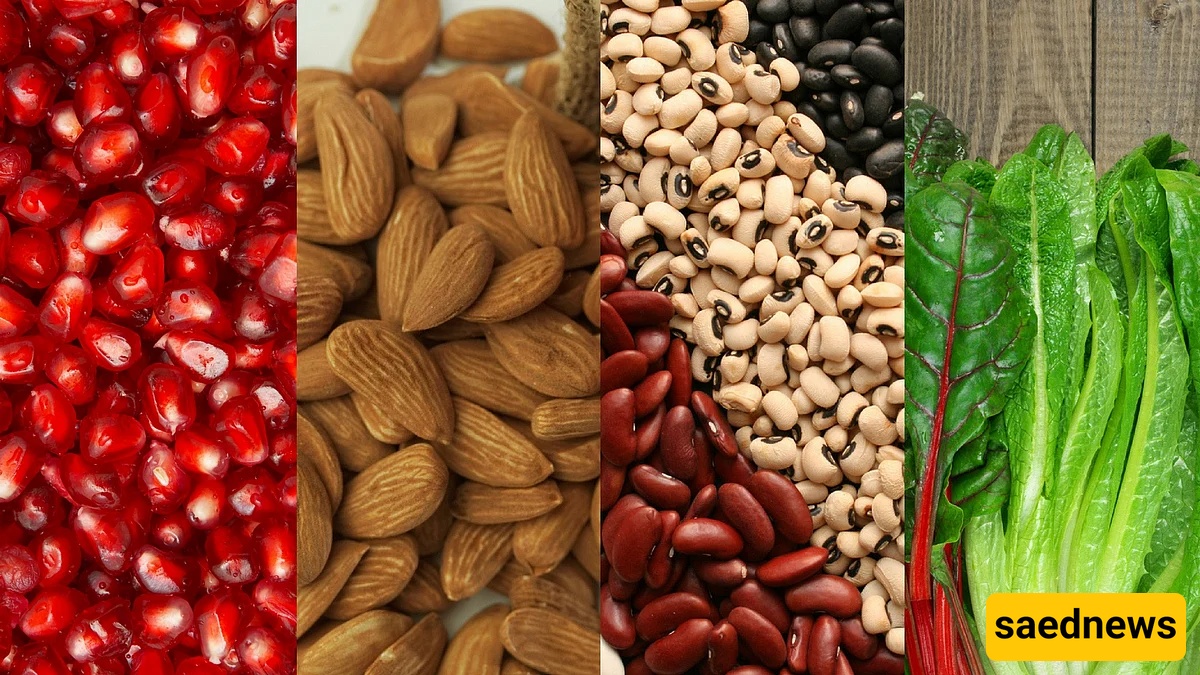
Not all dietary iron is absorbed in the same way. Iron from plant foods is non-heme iron, while iron from animal foods is heme iron, which is generally more readily absorbed. Vitamin C can improve the absorption of non-heme iron, so pairing plant-based iron sources with foods such as oranges, strawberries, tomatoes, bell peppers, or other vitamin C-rich produce can be useful.
For example, lentils can be served with tomatoes or bell peppers, while an iron-fortified breakfast cereal can be paired with fresh fruit. These combinations can increase the nutritional value of a meal without requiring complicated preparation.
A balanced pregnancy diet should provide iron regularly rather than relying on a single food. Because iron deficiency can develop during pregnancy and may require assessment or supplementation, pregnant women should follow the advice of their healthcare provider regarding prenatal supplements and iron intake. Taking extra iron without professional guidance is not appropriate for everyone.
A varied diet that includes iron-rich foods, adequate protein, whole grains, vegetables, and fruits can make it easier to meet nutritional needs throughout pregnancy. If blood tests show low iron or anemia, dietary changes alone may not be sufficient, and individualized medical advice may be needed.