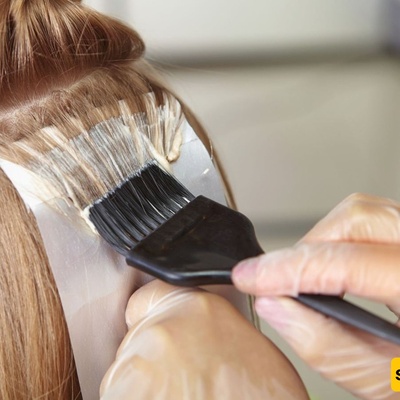
SAEDNEWS: Ammonia-free hair dye has become increasingly popular due to its milder smell and reputation for causing less damage. But is it truly safer? This article explores why removing ammonia does not eliminate the risk of allergic reactions and highlights other common allergens found in hair dyes.
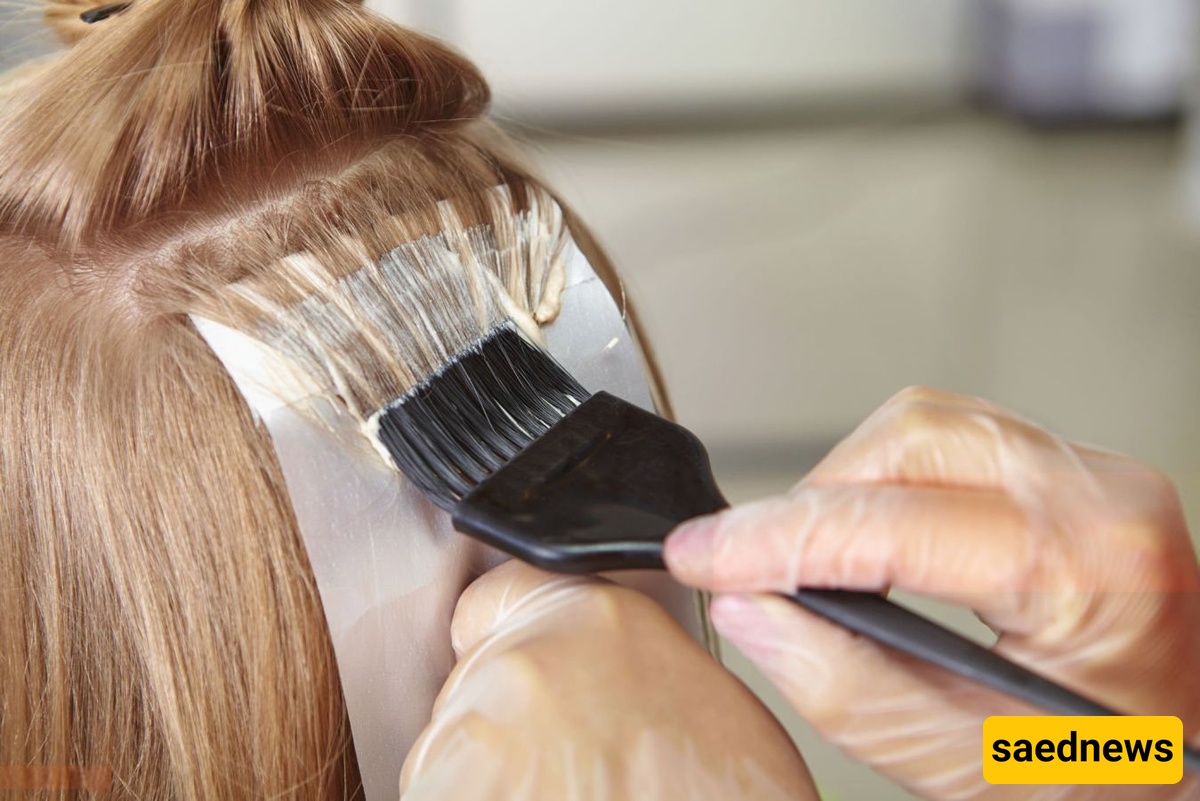
According to Saednews, In recent years, ammonia-free hair dye has become an increasingly popular choice among consumers and professional hairstylists. Many people prefer these products because of ammonia’s strong smell, scalp irritation, or concerns about hair damage. As a result, products labelled “ammonia-free” or “chemical-free” have attracted considerable attention. However, one important question remains: Does ammonia-free hair dye completely eliminate the risk of allergic reactions? The short answer is no. Removing ammonia from a hair dye formula does not necessarily mean removing all potentially allergenic ingredients.
In fact, allergic reactions can still occur when using ammonia-free hair dyes. This article explores what ammonia-free hair dye really means, the difference between skin irritation and allergic reactions, common allergenic ingredients, the importance of patch testing, and practical ways to reduce the risk of an adverse reaction.
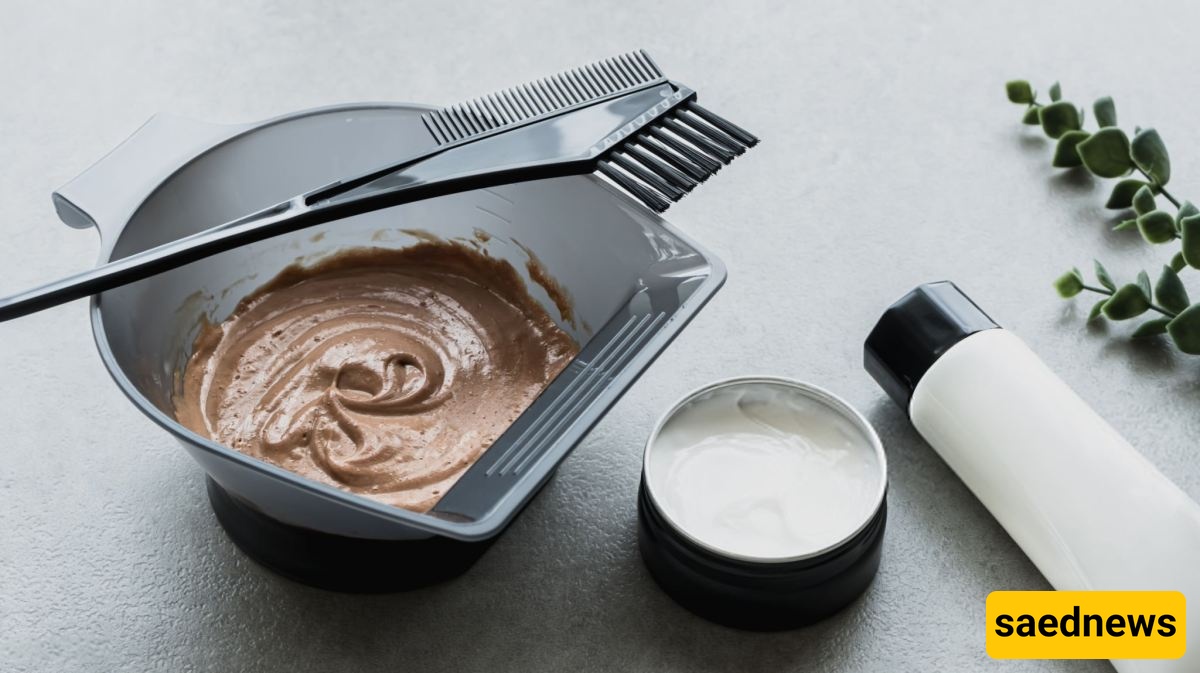
Ammonia is commonly used as an alkaline agent in permanent hair dyes. Its purpose is to open the hair cuticle, allowing colour molecules to penetrate the hair shaft. In ammonia-free hair dyes, ammonia is replaced with alternative alkaline ingredients, such as ethanolamine, monoethanolamine, or other alkalising agents.
This substitution generally reduces the strong smell associated with traditional hair dyes and may make the product more pleasant to use. However, it does not mean that the formula is free from active chemicals or potentially allergenic substances.
It is important to understand that “ammonia-free” is a specific claim about a product’s formulation, not a guarantee of complete safety. Many ammonia-free dyes still contain oxidative colourants, alternative alkaline agents, preservatives, fragrances, and other ingredients. Therefore, although these products may have a milder smell or cause less irritation for some people, they do not completely eliminate the risk of allergic reactions.
Many people assume that ammonia is responsible for all the problems associated with hair dye. However, ammonia is primarily known as an irritant, and its strong smell can be unpleasant. The main cause of allergic reactions to hair dye is generally oxidative dye ingredients rather than ammonia itself.
One of the most common and well-known allergens in permanent hair dyes is paraphenylenediamine (PPD). This substance is also found in some ammonia-free hair dye formulations.
Therefore, a product may be ammonia-free but still contain PPD or similar compounds that can trigger allergic reactions in susceptible individuals. In addition, some ammonia substitutes, such as ethanolamine, may also irritate sensitive skin.
For this reason, the terms “ammonia-free,” “allergy-free,” and “completely safe” should never be considered interchangeable.
Besides PPD, several other ingredients used in hair dyes may cause allergic reactions. These include:
Toluene-2,5-diamine (PTD).
Resorcinol.
Certain preservatives.
Fragrances and perfumes.
Added colourants.
Even natural ingredients, such as henna, can cause allergic reactions in some individuals.
Of particular concern are products marketed as “black henna” or “herbal hair dye” that secretly contain PPD or similar chemical compounds. These products may carry a higher risk of severe allergic reactions.
Another important consideration is that allergens can be absorbed through the scalp or come into contact with the skin around the ears, neck, and face. Therefore, even when hair dye is applied primarily to the hair, accidental skin contact may trigger a reaction.
Some people may also be allergic to other components of hair dye kits, such as latex gloves or fragrances included in the formulation.
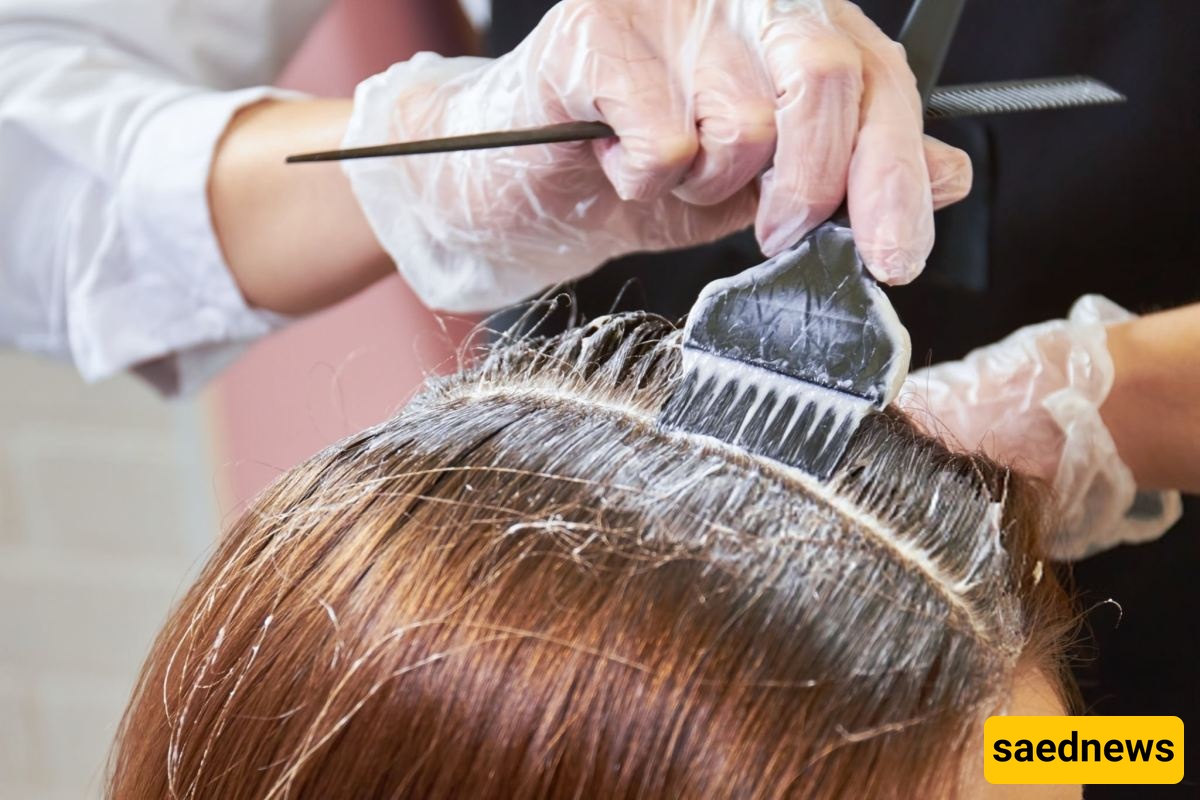
Understanding the difference between skin irritation and an allergic reaction is essential when discussing the safety of hair dye.
Skin irritation usually occurs following direct contact with an irritating substance. It may cause redness, burning, stinging, or dryness. The severity of the reaction often depends on the concentration of the substance, the duration of exposure, and the condition of the skin's protective barrier.
An allergic reaction, on the other hand, involves the immune system. A person may experience no problems during their first exposure, but their immune system can gradually become sensitised to a particular ingredient.
During subsequent exposure, an allergic reaction may develop after a delay of 24 to 72 hours. Common symptoms include:
Redness and itching.
Swelling.
Blisters.
Skin inflammation and eczema.
Severe skin reactions in some cases.
Although uncommon, serious allergic reactions can be dangerous and may require immediate medical attention.
Labels such as “herbal” and “natural” do not automatically mean that a product is harmless.
Pure henna may be less likely to cause allergic reactions than some permanent chemical hair dyes. However, henna itself can still trigger allergic reactions in certain individuals.
The main concern involves products advertised as “black henna” or “herbal hair colour” that contain PPD. These products can cause severe allergic reactions and, in some cases, long-lasting sensitisation.
Therefore, consumers should not judge a hair dye's safety solely by labels such as “natural” or “ammonia-free.” Checking the ingredient list, purchasing products from reputable brands, performing an allergy alert test, and consulting a dermatologist when necessary are sensible precautions.
Some individuals are at a higher risk of developing allergic reactions to hair dye than others.
These include:
People with a previous history of reactions to hair dye, henna, or tattoos.
Individuals with damaged, dry, or inflamed scalps.
People with eczema or atopic dermatitis.
Those who colour their hair frequently.
Professional hairstylists and others who have repeated occupational exposure to hair dye ingredients.
During pregnancy and breastfeeding, hormonal changes and increased skin sensitivity may make it advisable to consult a healthcare professional before using hair dye.
This does not mean that ammonia-free hair dye is automatically prohibited for all pregnant women. However, the decision should be made carefully and with appropriate medical guidance.
An allergy alert test, also known as a patch test, is one of the most important precautionary measures before using hair dye.
Manufacturers generally recommend performing the test 48 hours before colouring your hair. A small amount of the product should be applied to a limited area of skin, such as behind the ear or inside the elbow, following the manufacturer's instructions.
The area should then be monitored for 48 to 72 hours.
If symptoms such as redness, itching, swelling, or blistering develop, the product should not be used.
However, it is important to remember that a patch test does not provide an absolute guarantee of safety. A negative result does not completely rule out the possibility of a reaction during actual hair colouring, as skin conditions, product concentration, and exposure time may differ.
Furthermore, a consumer allergy alert test cannot identify every possible type of allergy.
Therefore, patch testing should be considered a precautionary measure rather than a complete guarantee against allergic reactions. Anyone with a previous hair dye allergy should seek advice from a dermatologist rather than relying on a home test.
There are several practical steps that can help minimise the risk of an adverse reaction:
Check the ingredient list: Always review the product's ingredients. If you are allergic to PPD or another specific substance, avoid products containing that ingredient.
Perform an allergy alert test: Follow the manufacturer's testing instructions before every application, even if you have used the product previously.
Follow the instructions carefully: Never leave hair dye on longer than the recommended application time.
Avoid direct skin contact: Minimise contact between the dye and your scalp, face, and neck.
Ensure proper ventilation: Apply hair dye in a well-ventilated area to reduce exposure to fumes and strong fragrances.
Do not mix different products: Avoid combining hair dye products unless specifically recommended by the manufacturer.
Avoid colouring damaged skin: Postpone hair colouring if your scalp has wounds, inflammation, or severe dryness.
Seek professional advice: When possible, consult an experienced hairstylist or dermatologist, particularly if you have sensitive skin or a history of allergic reactions.
Ammonia-free hair dye can be a suitable alternative for people who prefer products with a milder smell. However, the absence of ammonia does not mean that a hair dye is completely free from allergens or potential skin reactions.
The actual safety of a hair dye depends on its entire formulation, including oxidative colourants, alternative alkaline agents, preservatives, and fragrances.
The key takeaway is simple: ammonia-free does not mean allergy-free. Consumers should always check product ingredients, follow allergy testing instructions, and take appropriate precautions before colouring their hair.