SAEDNEWS: In this article, we explore the health benefits of jujube fruit for children, its nutritional value, safe ways to consume it, and important precautions parents should know.

According to Saednews, Choosing healthy snacks for children is one of the important concerns for parents. Many children are fond of sweet and processed foods, even though these snacks can contribute to weight gain, tooth decay, and reduced appetite for main meals.
Natural and nutritious fruits play a special role in a healthy diet. Jujube is one fruit that has attracted increasing attention in recent years. Many families are interested in learning about the health benefits of jujube for children and whether it is suitable for young age groups.
Jujube is a small, sweet, and flavorful fruit that can be eaten fresh or dried. It has a well-established place in traditional medicine and can also be included in everyday diets as a nutritious snack.
However, giving jujube to children requires attention to safety, appropriate serving sizes, and the child's age. In this article, we explore the nutritional value and potential health benefits of jujube for children, along with suitable ways to serve it and important precautions.
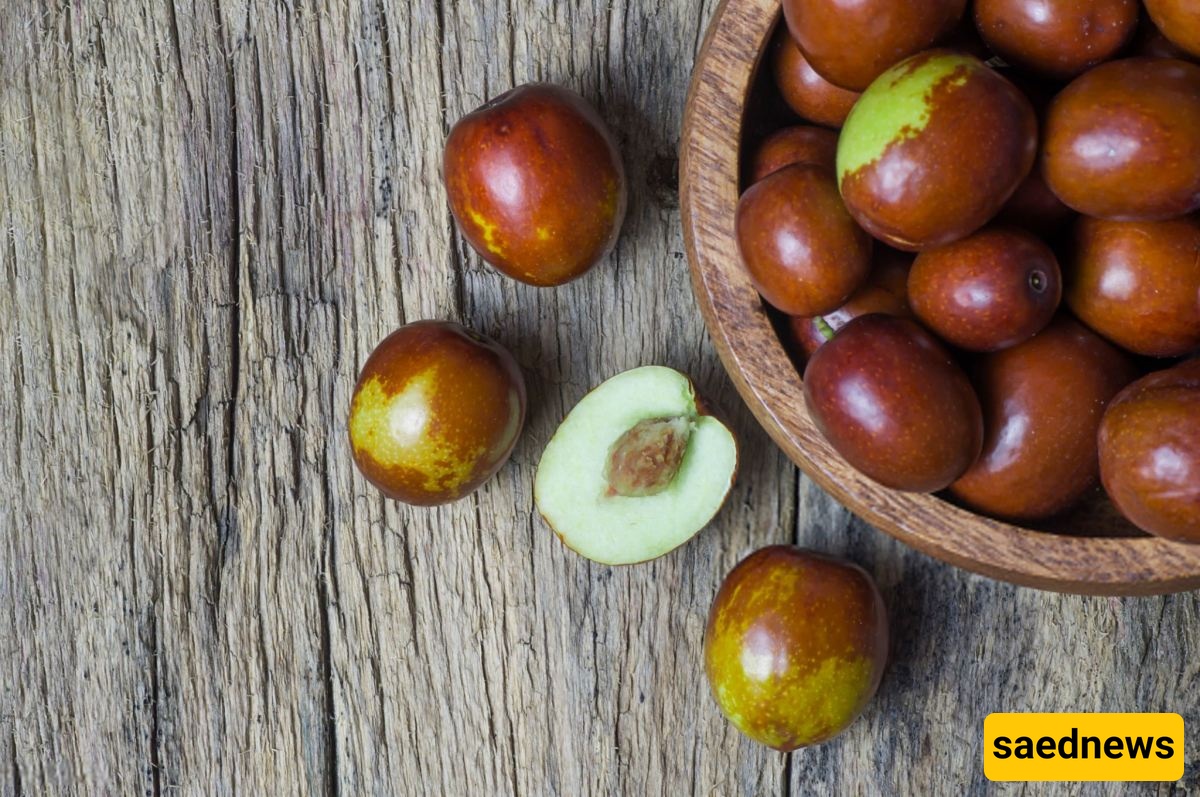
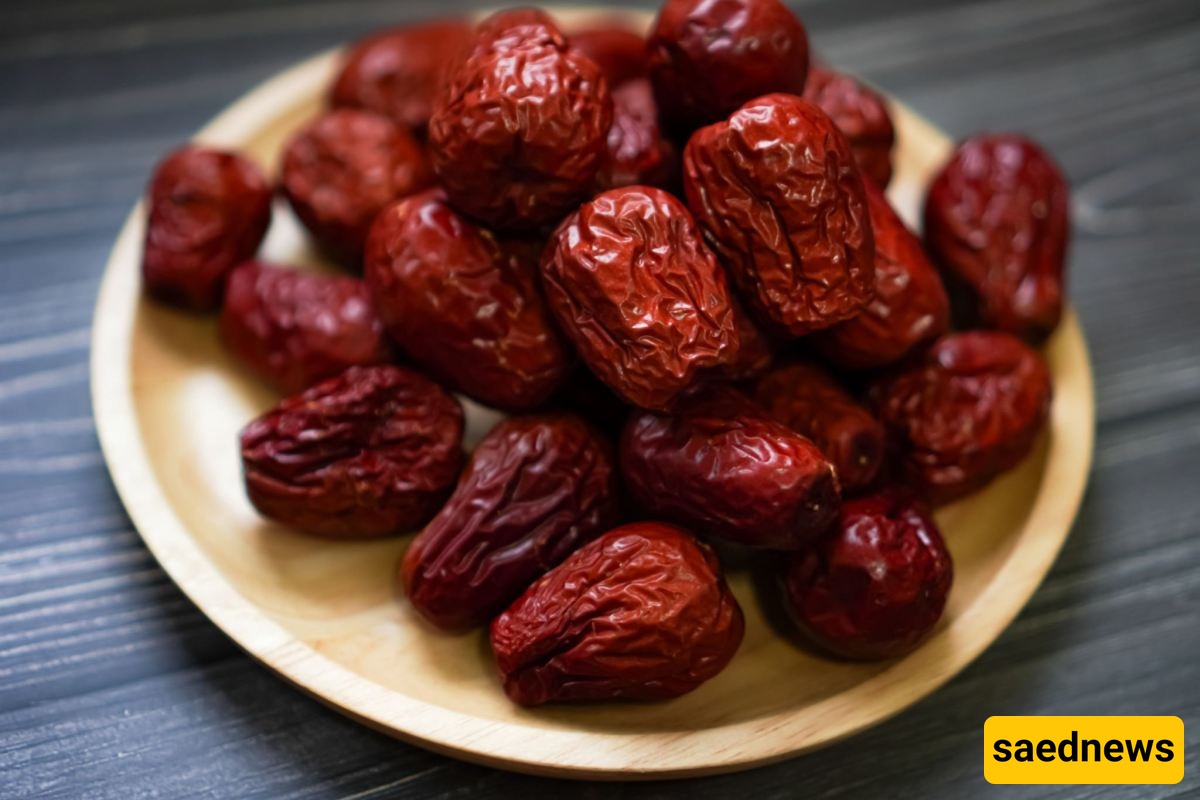
Jujube, scientifically known as Ziziphus jujuba, is a fruit cultivated in many parts of Asia, including Iran. Fresh jujubes have a relatively firm texture and a sweet taste, while dried jujubes are sweeter, stickier, and higher in calories.
Because of these differences, fresh jujubes are generally a more suitable option for children, while dried jujubes should be offered in small quantities with proper attention to dental hygiene.
Jujubes contain several beneficial nutrients, including:
Vitamin C and some B vitamins
Dietary fiber
Potassium
Iron
Calcium and phosphorus
Antioxidants and phenolic compounds
Bioactive compounds such as saponins and flavonoids
The exact nutritional content depends on the variety, storage conditions, and whether the fruit is fresh or dried. Therefore, jujube should not be considered a substitute for a complete and varied diet.
The benefits of jujube for children are best achieved when it is included as part of a balanced diet alongside adequate sleep and regular physical activity.
Childhood is a period of rapid physical and cognitive development. During this stage, adequate energy, protein, vitamins, minerals, and dietary fiber are particularly important.
Jujube contains fiber, vitamin C, potassium, and several minerals that can contribute to children's nutritional needs.
Its naturally sweet flavor also makes it appealing to many children, allowing it to serve as an alternative to some highly processed sugary snacks.
However, it is important to emphasize that the benefits of jujube for children are primarily nutritional and supportive. It should not be considered a proven treatment for medical conditions.
Scientific evidence regarding the specific effects of jujube in children remains limited. Many recommendations are based on its nutritional composition and general research on the fruit.
Jujube contains vitamin C and antioxidants that may help support normal immune function.
Vitamin C plays an important role in the proper functioning of white blood cells and the body's natural defense mechanisms. Antioxidants also help protect cells by reducing the effects of oxidative stress.
Eating moderate amounts of jujube alongside other fruits and vegetables can help provide some of these essential nutrients.
However, a child's immune system cannot be strengthened through a single fruit. Adequate sleep, a varied diet, vaccination, and good hygiene play much more important roles in preventing illness.
Jujube should therefore be considered part of a healthy lifestyle rather than an independent way to prevent disease.
The dietary fiber in jujube can support healthy bowel function.
Constipation is relatively common among children, and insufficient fiber intake, inadequate hydration, and limited physical activity are among its contributing factors.
Fresh jujube, particularly when consumed alongside sufficient water, may help soften stools and support regular bowel movements.
However, eating too much jujube, especially the dried variety, may cause bloating, stomach discomfort, or changes in bowel habits.
For this reason, portions should be appropriate for the child's age, and consumption should be introduced gradually. Children with existing digestive conditions should consume jujube only after consulting a healthcare professional.
Iron-deficiency anemia is an important nutritional concern in children.
Jujube, particularly dried jujube, contains some iron. However, plant-based iron is generally less easily absorbed than the iron found in meat.
Consuming plant-based iron alongside vitamin C-rich foods can improve iron absorption.
Therefore, combining jujube with vitamin C-rich fruits or including it as part of a balanced meal may be beneficial.
Nevertheless, jujube should not replace major dietary iron sources such as meat, legumes, eggs, and iron-fortified foods.
If you suspect that your child has anemia, medical evaluation and appropriate blood tests are essential. Relying solely on the nutritional benefits of jujube is not sufficient.
Jujube contains minerals such as calcium and phosphorus, which contribute to the development of healthy bones and teeth.
These nutrients work alongside protein, vitamin D, and physical activity to support healthy skeletal development in children.
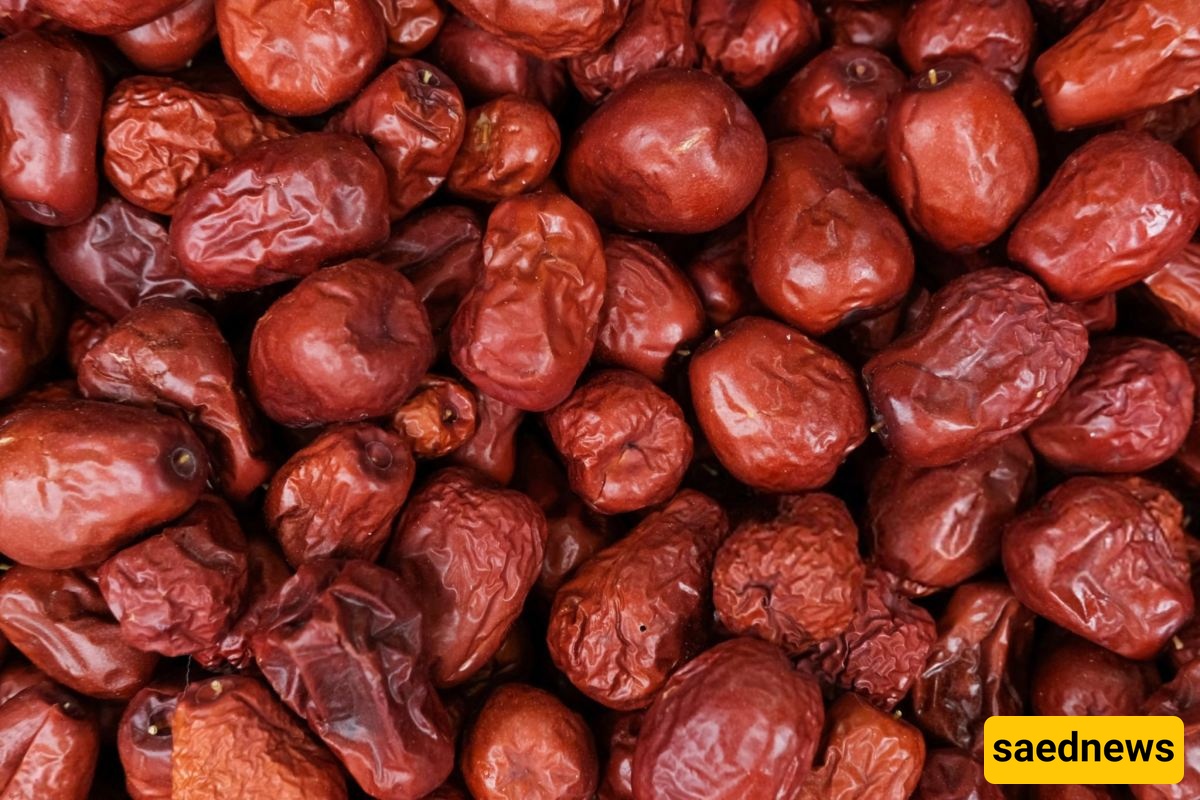
However, dried jujubes can be sticky and naturally high in sugar, which may increase the risk of tooth decay.
After eating dried jujubes, children should drink water, and proper oral hygiene should be maintained.
In traditional medicine, jujube is often regarded as a calming fruit. Some studies examining its bioactive compounds have also suggested possible effects on relaxation and sleep.
However, these effects have not been conclusively established in children. Jujube should not be used as a substitute for medical treatment of sleep disorders.
If a child experiences persistent sleep difficulties, underlying causes such as stress, caffeine consumption, illness, or unhealthy sleep habits should be investigated.
Some families use fresh jujube or warm jujube drinks during episodes of colds.
The vitamin C and antioxidant compounds in jujube may contribute to nutritional support during illness. However, jujube is not a proven treatment for the common cold.
Medical attention is necessary if a child develops a high fever, difficulty breathing, a severe cough, or prolonged loss of appetite.
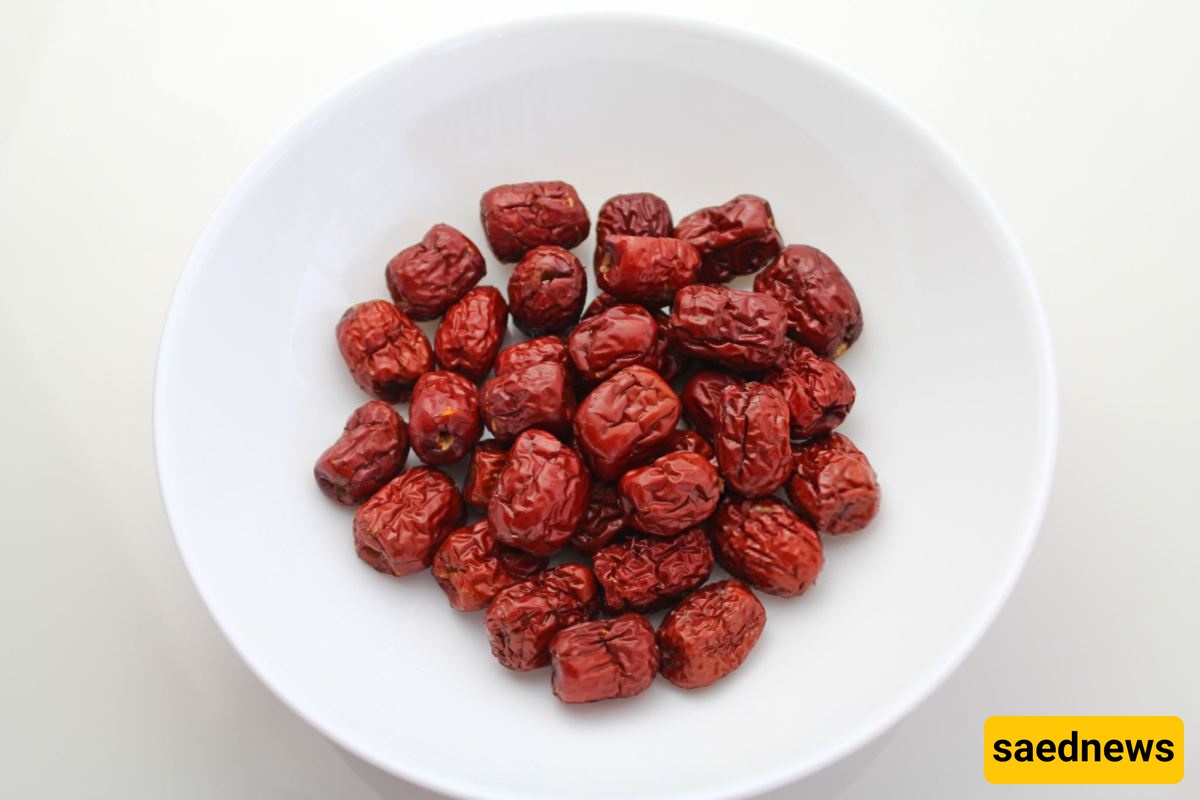
Dried jujubes contain more concentrated nutrients and natural sugars, making them higher in calories than fresh jujubes.
For children with smaller appetites or increased nutritional needs during growth, a small portion of dried jujube can provide additional energy and nutrients as part of a balanced snack.
However, parents should ensure that snacks do not replace regular meals. Consumption should also be limited, particularly shortly before main meals.
Giving jujube as a standalone food to infants under 12 months is not recommended without consulting a pediatrician.
For toddlers and older children, it is best to start with small amounts and monitor their reactions, particularly for digestive discomfort or allergic symptoms.
The appropriate serving size depends on the child's age, weight, overall diet, and health condition.
General serving suggestions include:
Toddlers: Start with a very small amount, such as half to one fresh jujube or an equivalent amount of mashed fruit.
Older children: Two to three fresh jujubes per day may be included as part of a snack.
Dried jujube: Offer smaller portions because of its higher sugar and calorie content. It does not need to be consumed daily.
These amounts are general guidelines only. Parents of children with underlying medical conditions, allergies, or digestive problems should consult a pediatrician or dietitian.
Dried jujubes can be hard and sticky, creating a potential choking hazard for young children.
To reduce the risk:
Always remove the pit before serving.
For children under four years old, finely chop, grate, mash, or puree the fruit.
Never give hard, whole dried jujubes to toddlers.
Supervise children while they eat, and never allow them to eat while lying down or playing.
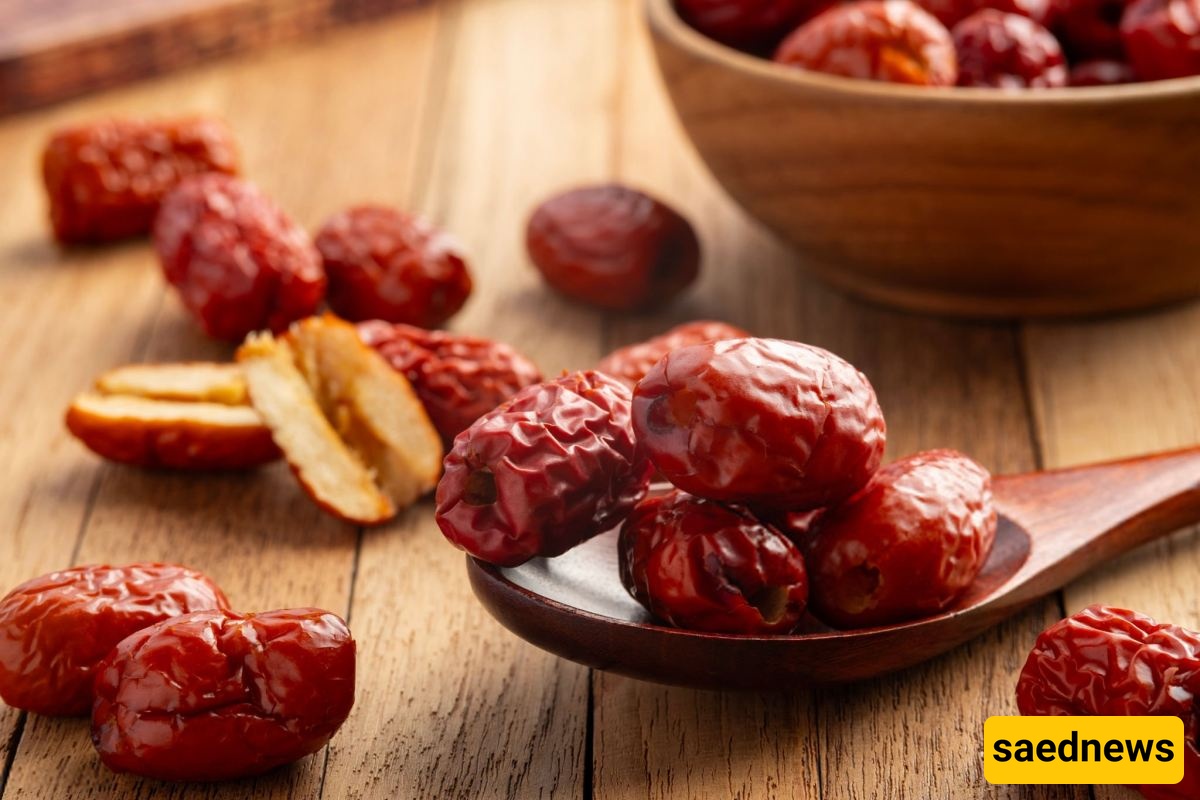
Dried jujubes contain concentrated natural sugars and can stick to the teeth. Frequent consumption may increase the risk of tooth decay.
To protect children's dental health:
Serve dried jujubes with meals rather than as frequent snacks throughout the day.
Encourage children to drink water after eating.
Brush their teeth after consumption when appropriate.
Never allow jujube consumption to replace regular oral hygiene practices.
Although jujube allergies are uncommon, they may occur in some children.
Possible symptoms include:
Hives
Itching
Swelling of the lips or face
Abdominal pain
Nausea
Diarrhea
If any of these symptoms occur, stop giving jujube to the child. Seek immediate medical attention if symptoms are severe, particularly in cases of breathing difficulties or facial swelling.
Excessive jujube consumption may also cause bloating, stomach pain, diarrhea, or digestive discomfort.
Moderation and gradual introduction are therefore important.
Children who take regular medication or have underlying conditions such as diabetes, kidney problems, digestive disorders, or chronic illnesses should consume jujube only after consulting a healthcare professional.
Extra caution is also necessary for children with known allergies to dried fruits.
Wash fresh jujubes thoroughly and remove the pits before cutting them into small pieces.
For younger children, grate or puree the fruit.
Fresh jujube is generally a better option than dried jujube because it contains less concentrated sugar and has a softer texture.
Puree fresh jujubes or softened dried jujubes after removing the pits.
If desired, mix the puree with yogurt, baby cereal, or other age-appropriate foods.
There is no need to add sugar.
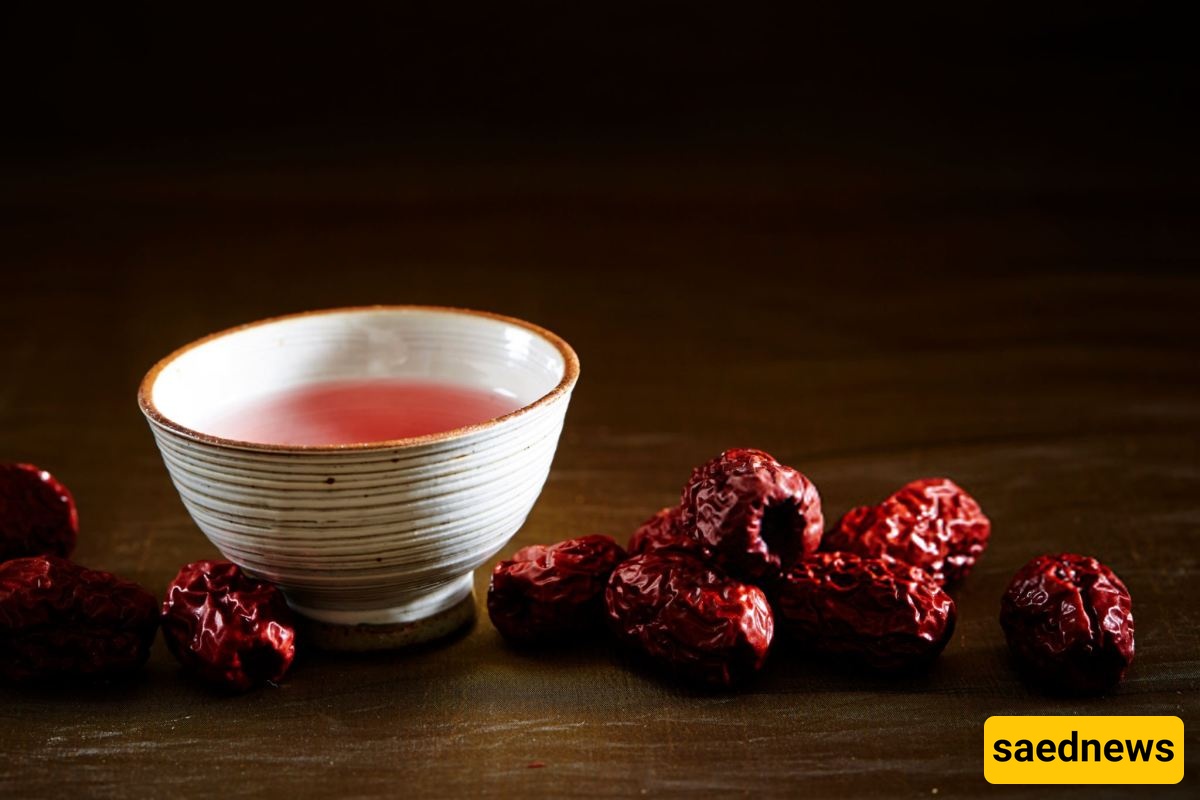
Wash several jujubes, remove their pits, and boil them in water. Strain the mixture and serve the resulting drink lukewarm and without added sugar to children over one year of age.
This drink should not replace plain water, and excessive consumption should be avoided.
Dried jujubes can be served in small quantities after removing the pits and cutting them into tiny pieces.
They can be included with meals or offered as an occasional snack.
Children who are developing teeth or are particularly prone to tooth decay should consume dried jujubes sparingly, with careful attention to oral hygiene.
Stop giving jujube and consult a healthcare professional if your child experiences any of the following:
Allergic reactions, such as hives, swelling of the lips or face, or breathing difficulties
Severe or persistent abdominal pain
Repeated diarrhea or vomiting
Signs of choking or food becoming stuck in the throat
High fever, unusual lethargy, or a significant loss of appetite
Blood in the stool or unusual changes in bowel movements
If your child is under 12 months old or has an underlying medical condition and you are considering introducing jujube into their diet.