SAEDNEWS: Corn and Its Health Benefits: How This Golden Grain Supports Heart Health, Child Development, and Anemia Prevention
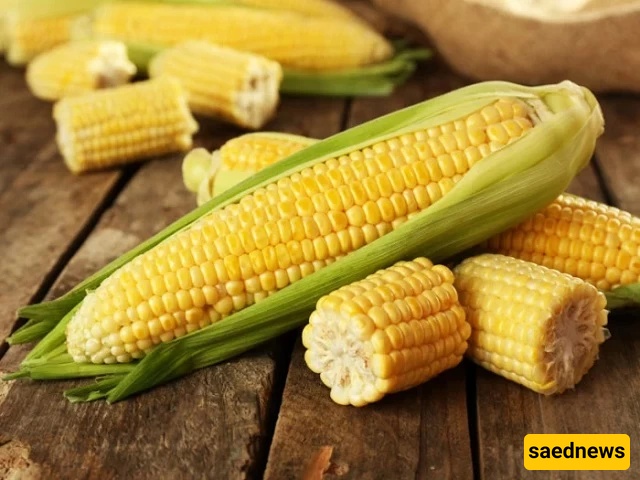
According to Saednews, Human health depends on maintaining the body’s overall well-being and balance. According to traditional Persian medicine, this balance is related to a person’s temperament. For example, people believed to have a cold temperament are advised to understand which foods may help maintain their body’s balance.
It is also important to know which foods are considered unsuitable for a particular temperament. Traditional beliefs suggest that ignoring these dietary principles may contribute to imbalances and health problems. Corn is a common food whose traditional temperament and health properties are often discussed.
According to traditional Persian medicine, corn is considered to have a cold and dry temperament. People believed to have a predominantly cold and dry temperament are traditionally advised to avoid excessive consumption.
Steamed corn, particularly organic corn rather than genetically modified varieties, is often considered a preferable preparation. Mexican-style corn loaded with butter, salt, high-fat sauces, processed meats, and other additives may be a less healthy choice because of its additional fat, sodium, and processed ingredients.

In traditional Persian medicine, certain foods are believed to counteract the cold properties of corn. These include:
Sesame oil
Olive oil
Grape molasses
Brown or white sugar
Honey
These recommendations are based on traditional dietary beliefs rather than established scientific evidence.
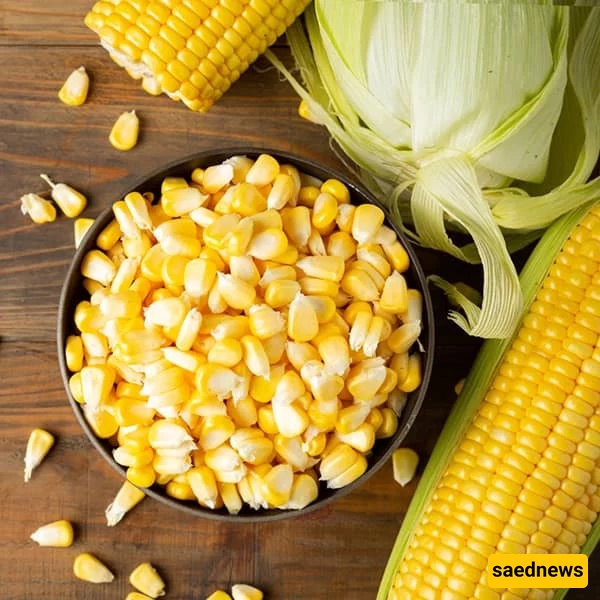
Corn provides dietary fiber, which supports regular bowel movements and healthy digestion. Its fiber content may help prevent constipation by increasing stool bulk and making it easier to pass.
Adequate fiber intake may also help reduce the risk of hemorrhoids associated with straining during bowel movements. Fiber supports digestive health and may contribute to a lower risk of colorectal cancer.
Corn contains several B vitamins, including thiamine and niacin, which help the body convert food into energy and support normal bodily functions.
Thiamine is particularly important for healthy nerve function and cognitive processes. Corn also contains vitamin E and other antioxidant compounds that help protect cells from oxidative damage.
Corn provides carbohydrates and calories, making it a useful source of energy for people who need to increase their calorie intake.
Its fiber content may also promote fullness and help control appetite. However, weight changes depend on total calorie intake and overall dietary habits.
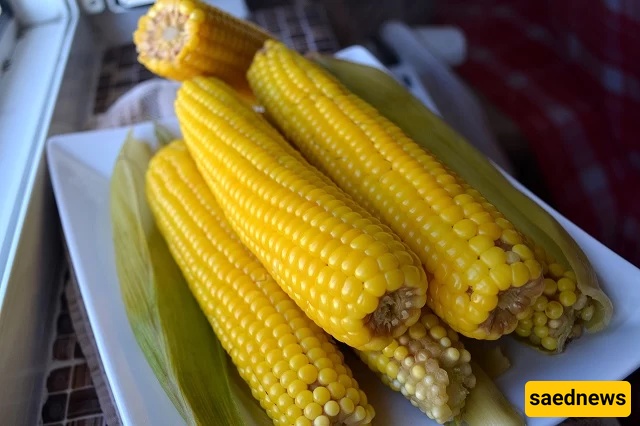
Corn contains several important minerals, including:
Copper
Iron
Zinc
Phosphorus
Manganese
Magnesium
Selenium
Phosphorus contributes to normal bone formation and energy metabolism. Magnesium supports muscle and nerve function, while also contributing to bone health and normal heart rhythm.
Corn contains antioxidants and plant compounds that help protect cells against oxidative stress caused by free radicals.
Some compounds found in corn have demonstrated potentially beneficial effects in laboratory studies involving cancer cells. However, these findings do not establish that eating corn prevents or treats cancer in humans.
A balanced diet rich in whole grains, vegetables, fruits, and other plant foods can contribute to long-term health.
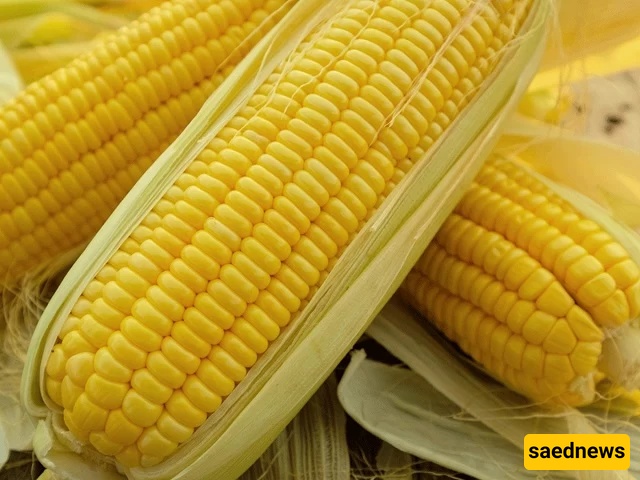
Corn contains dietary fiber and unsaturated fatty acids, particularly when considered alongside other whole-grain foods and corn-based oils.
Replacing some sources of saturated fat with unsaturated fats can help improve cholesterol levels and support cardiovascular health.
Whole-grain corn may also contribute to a heart-healthy diet. However, its effects depend on the type of corn, preparation method, portion size, and the overall dietary pattern.
Corn contains iron, a mineral required for producing hemoglobin, the protein in red blood cells that carries oxygen throughout the body.
Adequate iron intake helps prevent iron-deficiency anemia and related symptoms, such as fatigue, weakness, dizziness, and shortness of breath.
However, corn alone is not a treatment for anemia, and its iron content varies by variety and preparation.
Yellow corn contains carotenoids, including beta-carotene and other antioxidant pigments. Beta-carotene can be converted into vitamin A in the body.
Vitamin A is essential for normal vision, immune function, and healthy skin. Certain carotenoids found in corn, particularly lutein and zeaxanthin, also contribute to eye health.
Obtaining vitamin A and other nutrients from a balanced diet helps meet the body’s nutritional needs.
Corn contains carbohydrates, fiber, and various plant compounds. Dietary fiber can help moderate the rate at which carbohydrates are digested and absorbed.
However, corn also contains starch and can raise blood glucose levels. People with diabetes should consider portion sizes, preparation methods, and the carbohydrate content of their meals.
Corn should not be considered a treatment for diabetes or a substitute for prescribed medication and appropriate dietary management.
Corn and corn-derived ingredients are widely used in cosmetic products. Cornstarch, for example, is used as an absorbent and thickening ingredient in certain formulations.
Some corn-derived ingredients can help absorb excess moisture or improve the texture of cosmetic products. However, their effects depend on the formulation, and not every corn-based product is suitable for every skin type.
Natural ingredients are not automatically safer than manufactured products, so people with sensitive skin should check product ingredients and discontinue use if irritation occurs.
Although corn can be part of a balanced diet, excessive consumption or certain preparations may cause problems for some people.
Constipation: Large amounts of fiber, particularly when fluid intake is insufficient, may contribute to digestive discomfort or constipation.
Bloating and gas: Corn contains fiber that may cause bloating in some individuals, especially when consumed in large quantities.
High starch content: Corn contains carbohydrates and can contribute substantially to calorie intake when eaten in large portions or prepared with calorie-dense ingredients.
Allergic reactions: Although uncommon, corn allergy can cause symptoms such as itching, swelling, nausea, or other allergic reactions. Severe symptoms require immediate medical attention.
Corn is a versatile food that provides dietary fiber, carbohydrates, vitamins, minerals, and antioxidant compounds. It can support digestive health and contribute to a balanced diet when consumed in appropriate portions.
Traditional Persian medicine classifies corn as having a cold and dry temperament, but this classification is not a scientifically established measure of its nutritional or medical effects. Choosing minimally processed corn, controlling portion sizes, and preparing it with moderate amounts of salt and added fats are practical ways to enjoy its nutritional benefits.