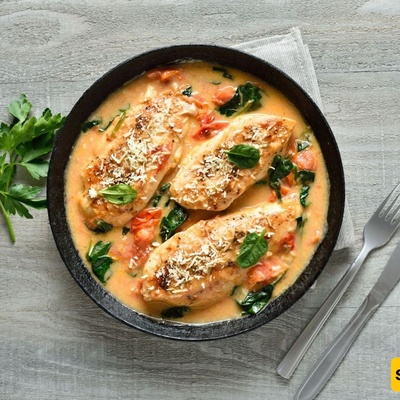
SAEDNEWS: The speed at which food cools depends on factors such as its surface area, moisture, thickness, and the material of the container holding it.

According to SAEDNEWS, not all foods lose heat at the same rate. A freshly cooked meal can remain warm for quite some time, while another dish served at the same temperature may become noticeably cool much faster. The difference is largely explained by basic heat transfer and the physical characteristics of the food.
Foods with a larger exposed surface generally lose heat more quickly because more of the food is in contact with the surrounding air. A thin layer of food can therefore cool faster than the same amount concentrated in a thick portion. Stirring or spreading food out can also increase its exposure to cooler air.

Water plays an important role in cooling. When moisture at the surface of hot food evaporates, it carries heat away with it. Foods with a moist or exposed surface may therefore cool relatively quickly, particularly when air is moving around them.
The rate of cooling can also be affected by:
Food thickness: Thick foods usually retain heat longer than thin portions.
Surface exposure: More exposed food can release heat more readily.
Container material: Some materials transfer heat away from food faster than others.
Air movement: Moving air can increase heat loss from the food's surface.
Starting temperature: A greater difference between the food and its surroundings generally increases the initial rate of heat transfer.
The physical structure of food can influence how heat moves through it. Dense foods may transfer heat internally more slowly, allowing the center to remain hot even after the surface has cooled. Less dense or more easily spread foods may lose heat more quickly because warmth can reach the surface more readily.
The way food is served also matters. A shallow dish can allow a meal to spread into a thinner layer, while a deep container keeps more of the food surrounded by other warm portions. This is why two servings of the same dish can cool at noticeably different speeds.
Understanding these factors also explains why reheated food can sometimes have a warm center and a cooler surface. Heat does not leave every part of a meal equally; it moves from warmer regions toward cooler surroundings, with the shape, composition, and serving conditions affecting how quickly that process occurs.