SAEDNEWS: Why Teens Turn to Chatbots for Emotional Support: Key Risks and Ways to Strengthen Family Connections
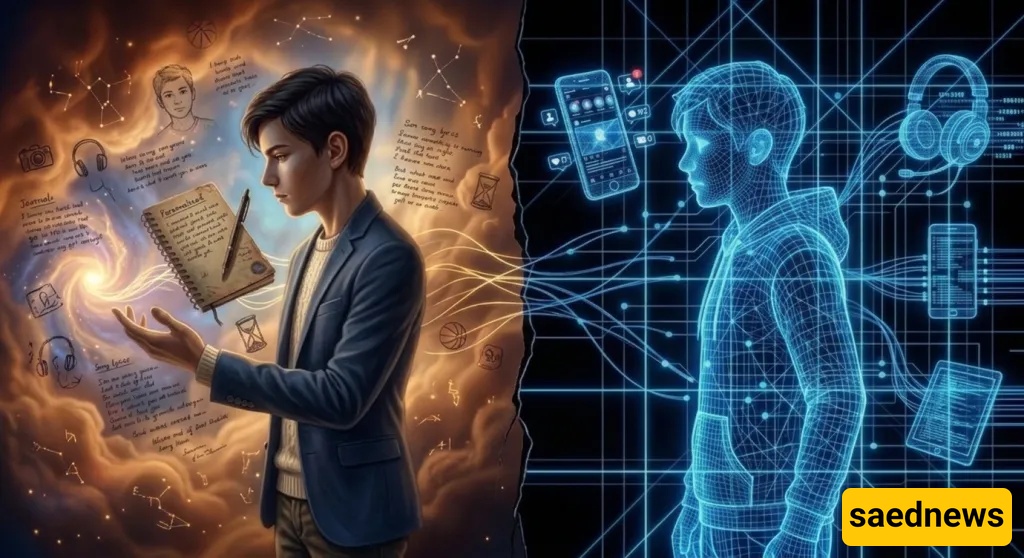
According to Saednews, In recent years, a new pattern has emerged in teenagers’ digital lives: spending hours alone with their smartphones, sharing secrets, anxieties, and personal questions with chatbots instead of talking to their parents. At first glance, this behavior may seem harmless. However, it raises an important question: Why do teenagers increasingly turn to AI chatbots rather than their parents when they need someone to talk to?
The answer goes beyond technology. This shift is closely linked to teenagers’ emotional needs, the quality of parent-child relationships, fear of judgment, the desire for privacy, and changing communication habits in the digital age.
AI-powered chatbots are available around the clock and can engage users in conversations, respond to questions, and reflect their emotions in ways that often seem calm and accepting. These qualities have led some teenagers to view chatbots as safe, nonjudgmental companions.
During adolescence, young people have a strong need for acceptance, understanding, and recognition. When a chatbot listens without immediately offering advice, criticizing them, or comparing them with others, teenagers may feel they have found a space where they can express themselves freely.
Although this experience is simulated, it can be appealing and comforting to teenagers who feel unheard at home.
One of the main reasons teenagers confide in chatbots is their fear of being judged by their parents. Many worry that discussing a breakup, anxiety, unhealthy friendships, declining academic performance, or questions about their identity could provoke a negative reaction.
They may fear being criticized, interrogated, or losing their parents’ trust.
In these circumstances, a chatbot can appear to offer a space where they will not be judged. Teenagers may feel free to speak without worrying about embarrassment, punishment, or disappointing their families.
This perception can turn a chatbot into a digital keeper of secrets, even though it is not a real confidant and has significant limitations.

Easy access is another important reason teenagers are drawn to chatbots. Parents may be asleep late at night, occupied with work, or unable to make time for an in-depth conversation. Chatbots, however, are often available at any hour.
For a teenager experiencing anxiety in the middle of the night or needing to discuss something urgently, this constant availability can be especially appealing.
A chatbot does not appear tired, impatient, or unwilling to postpone the conversation until tomorrow. This creates a sense of immediate companionship, although it cannot replace genuine human relationships or meaningful family support.
Teenagers need privacy. They want to keep some of their thoughts and feelings to themselves while developing their independence.
In some families, boundaries around privacy are unclear, leaving teenagers feeling that everything they do must be monitored or reported. In such environments, a chatbot may become an imaginary refuge.
However, this sense of security does not always reflect reality. Many chatbots collect or retain user information, making data privacy an important concern.
When deciding whether to confide in a chatbot, teenagers may focus more on how safe they feel in the moment than on the complex details of data protection policies. The perception of confidentiality can therefore play a significant role in their willingness to open up.
In many families, conversations revolve around daily responsibilities and instructions: Have you finished your homework? Where have you been? Why did your grades drop?
Although these questions can be necessary, they do not fully address teenagers’ emotional needs. Young people need conversations in which they feel heard rather than simply questioned or held accountable.
When home does not feel like a safe place to express emotions, teenagers may look for alternatives. A chatbot can offer an accessible option that responds to their concerns without creating immediate conflict.
This suggests that turning to AI is not merely a technological trend. It may also reflect a decline in meaningful emotional communication within the family.
Teenagers want their feelings to be taken seriously. When parents respond with comments such as “It’s not a big deal” or “You’ll forget about it when you grow up,” teenagers may feel misunderstood.
By contrast, chatbots often respond with phrases such as “Your feelings are understandable” or “Would you like to tell me more?”
Although these responses are generated by a machine, they may partially satisfy a teenager’s need for emotional validation.
During the development of their identities, teenagers also need space to explore their thoughts and test their ideas. They want to discuss sensitive topics without fear of being labeled or misunderstood. Chatbots can appear to provide such a space, increasing their appeal.
For today's generation, interacting with technology is a normal part of life. Teenagers have grown up with online games, social media platforms, and voice assistants. Talking to a chatbot therefore feels neither unusual nor intimidating.
These tools have become part of the digital generation’s shared language, allowing teenagers to communicate in a familiar environment without the perceived complications of face-to-face interactions.
Chatbots can also respond indefinitely and shift between different subjects. This flexibility appeals to teenagers who want to discuss multiple concerns in a single conversation.
However, the same appeal can contribute to emotional dependence or the unhealthy replacement of human relationships.
Despite the reasons teenagers are drawn to chatbots, the potential risks deserve serious attention.
First, AI may replace human connection. A chatbot can create a sense of companionship, but it cannot assume genuine emotional responsibility or reliably provide real-world support during serious crises.
Second, emotional dependence may develop. Teenagers may gradually withdraw from their families and begin to believe that the only safe place to talk is behind a screen.
Third, chatbots can provide inaccurate information or inappropriate advice. Their responses may not reflect the teenager’s actual circumstances or emotional needs.
Fourth, privacy can be compromised. Teenagers may share sensitive personal information without understanding how it might be stored or used.
Finally, AI may become a substitute for professional help. When teenagers experience severe anxiety, thoughts of self-harm, or a mental health crisis, relying exclusively on a chatbot can prevent them from receiving appropriate support. In these situations, seeking help from a qualified mental health professional is essential.
Rebuilding a strong relationship with a teenager requires a change in approach.
1. Practice active listening. Parents should listen without interrupting, immediately giving advice, or passing judgment. Open-ended questions such as “How do you feel about what happened?” can encourage more meaningful conversations.
2. Avoid harsh reactions. If a teenager opens up about a mistake or personal difficulty, an angry response may discourage them from sharing again. Parents can begin by acknowledging their child’s feelings before discussing possible solutions.
3. Make time for regular conversations. Emotional communication can easily be overlooked amid everyday responsibilities. Setting aside even a short, consistent period for uninterrupted conversation can make a difference.
4. Teach digital literacy. Teenagers need to understand how chatbots work, what their limitations are, and why they should avoid sharing sensitive personal information.
5. Talk openly about AI. Parents can ask what their teenagers find appealing about chatbots and what kinds of subjects they prefer to discuss with them. Such conversations create opportunities to understand their needs and offer genuine support.
Ultimately, if a teenager shows signs of severe anxiety, social withdrawal, or emotional distress, seeking help from a counselor or psychologist may be necessary.

Teenagers’ growing tendency to confide in AI chatbots rather than their parents is a complex phenomenon. Easy access, fear of judgment, the need for privacy, the appeal of technology, and a lack of meaningful emotional communication at home are among its main contributing factors.
Chatbots may give teenagers a sense of safety and validation, but these experiences should not replace human relationships, family support, or professional care.
Parents should view this shift as an opportunity to reconsider the emotional environment they create at home. Listening without judgment, acknowledging teenagers’ feelings, making time for meaningful conversations, and teaching responsible technology use can help rebuild trust.
Chatbots are tools, not substitutes for parents. The most important question for families is not simply why teenagers are talking to AI, but what they can do to make their children feel comfortable talking to them again.