SAEDNEWS: This article explores the benefits of Vaseline for facial skin, how to use it correctly, which skin types it is suitable for, important precautions, and common misconceptions.
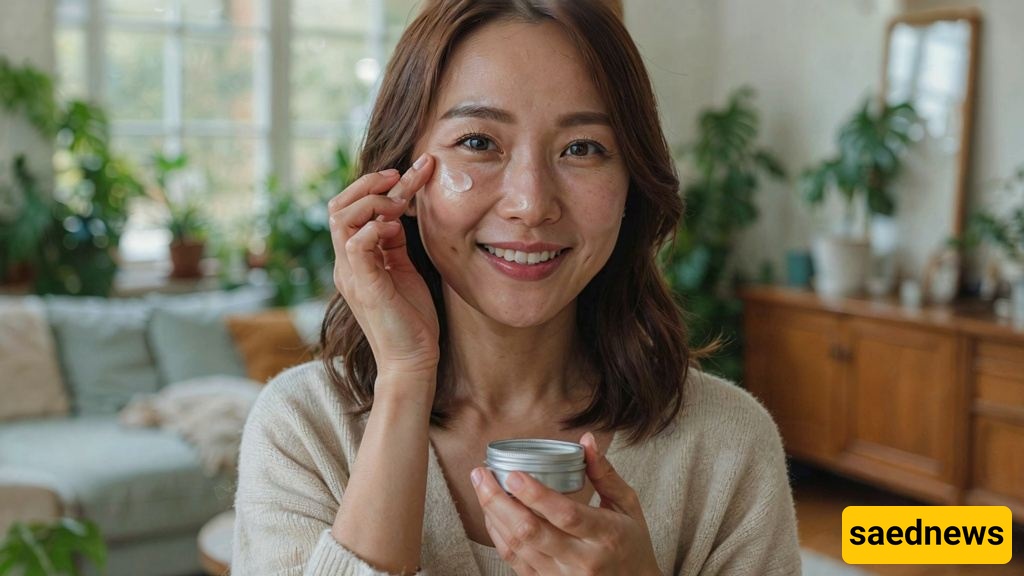
According to Saednews, Vaseline is one of the best-known skincare products, earning a permanent place on pharmacy shelves and in households for decades. Many people know it primarily as a remedy for dry lips or cracked hands. However, in recent years, using Vaseline on facial skin has also become increasingly popular.
Some people consider it an inexpensive skincare miracle, while others worry that it may clog pores and cause breakouts. The main question is: What are the actual benefits of Vaseline for facial skin, and how can it be used correctly?
In this article, we take a practical and science-based look at the benefits of Vaseline for facial skin, including proper application methods, suitable skin types, potential risks, and common misconceptions. The goal is to provide a balanced and professional understanding of Vaseline's role in a facial skincare routine.
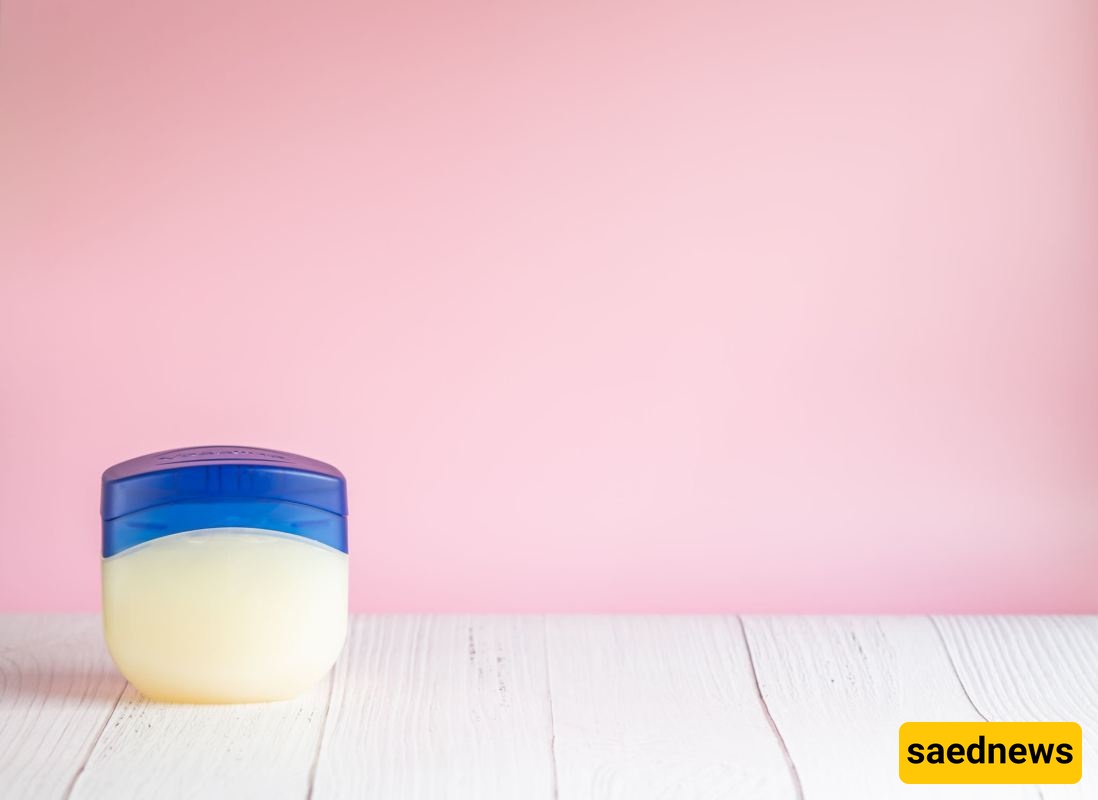
Vaseline is actually a brand name for a type of petroleum jelly, a semi-solid, oily substance derived from refined petroleum. Pure Vaseline is nearly odorless, colorless, and chemically stable.
One of its most important properties is its occlusive effect. This means it forms a thin protective layer over the skin's surface, helping prevent water from evaporating.
It is important to understand that Vaseline is not a moisturizer in the traditional sense. It does not add water to the skin. Instead, it creates a physical barrier that helps retain existing moisture. For this reason, the best time to apply it is after washing your face or after using a moisturizing lotion or cream.
If your skin is extremely dry, applying Vaseline to slightly damp skin can help lock in moisture.
One of the most important benefits of Vaseline for facial skin is its ability to prevent moisture loss.
Facial skin can become dry more quickly during cold weather, in dry environments, or when exposed to air conditioning and heating systems.
By forming a protective layer, Vaseline reduces water evaporation and helps improve skin softness and flexibility. This makes it particularly useful for people with very dry skin or those living in low-humidity environments.
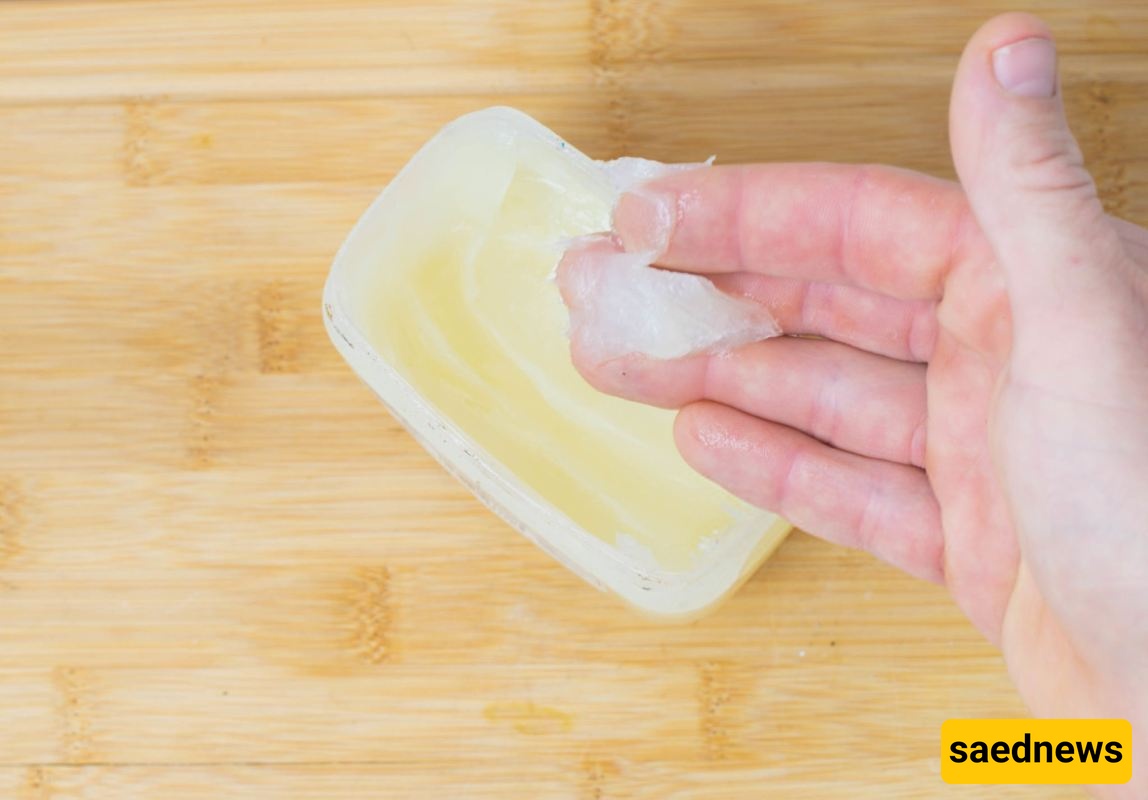
Dry, flaky skin is often a sign of a compromised skin barrier. Vaseline can help create favorable conditions for the skin's natural repair process by reducing moisture loss and protecting the skin's surface.
Although Vaseline is not a substitute for medical treatment of skin conditions such as eczema or dermatitis, it may help relieve mild dryness and superficial flaking.
However, people with inflamed or wounded skin should avoid self-treatment and consult a healthcare professional when necessary.
The skin barrier acts like a protective wall, preventing irritants from entering the skin while reducing water loss.
By covering the skin's surface, Vaseline helps maintain this protective barrier.
This is particularly beneficial for skin that has become sensitive due to strong skincare products, cold weather, or excessive washing.
However, Vaseline should not replace skincare products containing ceramides, glycerin, or hyaluronic acid. Instead, it can complement them.
Vaseline creates a protective layer that reduces direct contact between the skin and certain environmental irritants.
For example, applying a very small amount to dry areas of the face during cold or windy weather can help protect the skin.
Similarly, people who experience mild redness and dryness after shaving or other minor irritation may find that a small amount of Vaseline provides relief.
However, avoid applying it to open wounds, infected skin, or pus-filled pimples.
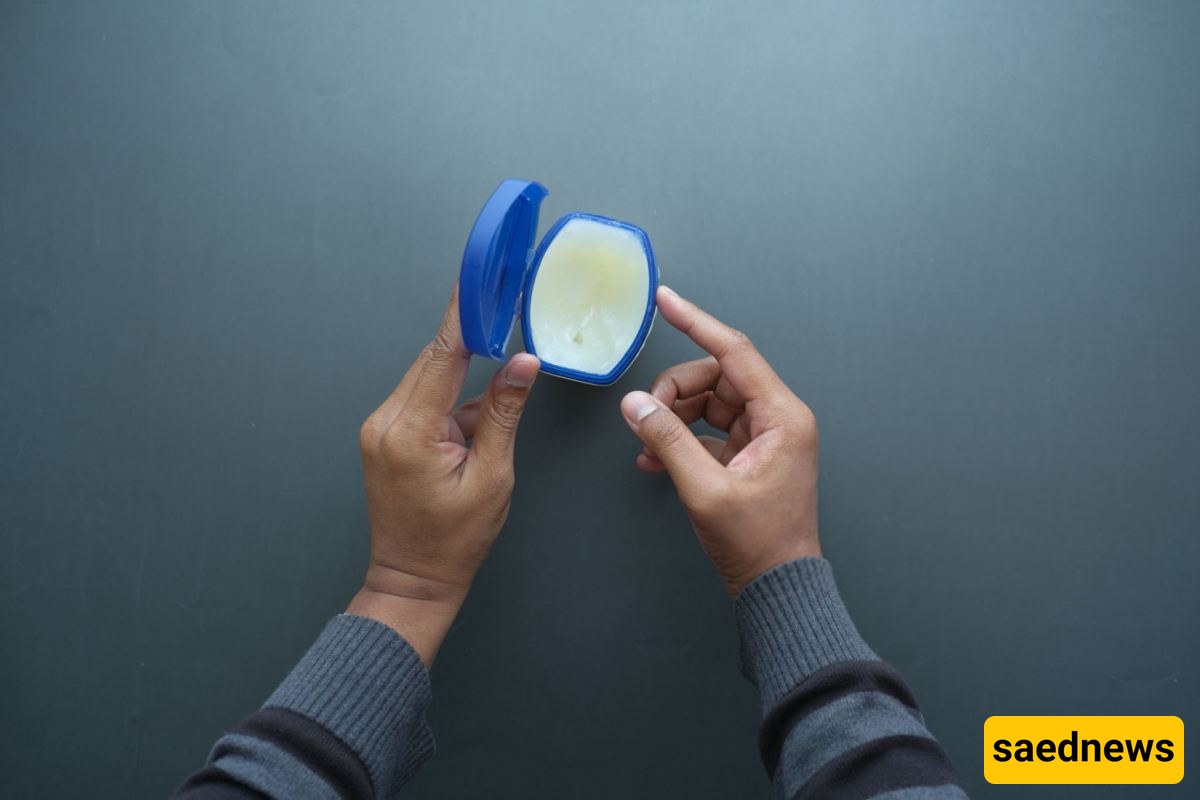
The skin on the lips is thinner than that on most other parts of the face, making it more prone to dryness.
Vaseline is one of the most common and effective options for protecting the lips and preventing moisture loss.
Applying a thin layer, especially before bedtime or during cold weather, can help prevent chapping and cracking.
Keep in mind that Vaseline does not contain sun protection. If you spend extended periods outdoors, use a suitable lip balm with SPF.
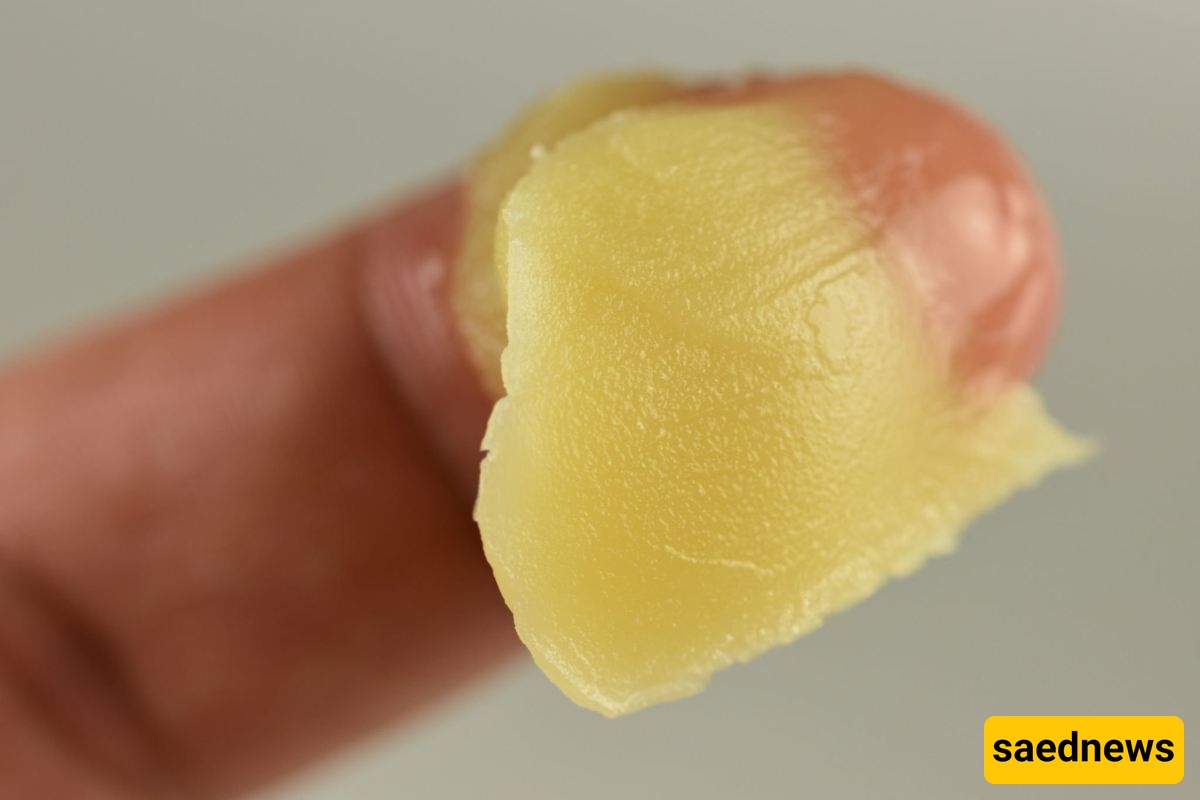
The skin around the eyes is particularly thin and delicate.
Applying a very small amount of Vaseline to this area may help prevent dryness and tightness. However, take care not to get it into your eyes, as it may temporarily blur your vision.
Vaseline does not have proven anti-wrinkle properties. However, by retaining moisture, it may temporarily improve the appearance of fine lines caused by dryness.
Some people use Vaseline as a makeup remover. It can dissolve certain types of long-lasting makeup, although it is not suitable for every skin type.
If you have oily or acne-prone skin, using Vaseline as a makeup remover may leave an oily residue and contribute to clogged pores in some circumstances.
If you choose to use it, make sure to wash your face thoroughly afterward with a gentle cleanser suitable for your skin type.
In recent years, a skincare technique known as slugging has become popular. It involves applying a thin layer of Vaseline or another occlusive product to the face to help retain moisture overnight.
Slugging may benefit people with very dry skin by reducing overnight moisture loss.
However, it is generally not recommended for people with oily, acne-prone, or sensitive skin.
It is also important to use only a small amount to avoid an excessively heavy or uncomfortable feeling on the skin.
Vaseline is most useful for people with dry or very dry skin.
Those with a compromised skin barrier or skin that becomes dry and flaky in cold weather may benefit from applying a small amount to specific areas.
People with normal skin can also consider using it on particularly dry areas, such as around the nose, lips, and cheeks.
However, applying Vaseline extensively over the entire face is generally not recommended for people with oily or acne-prone skin or those who frequently experience clogged pores.
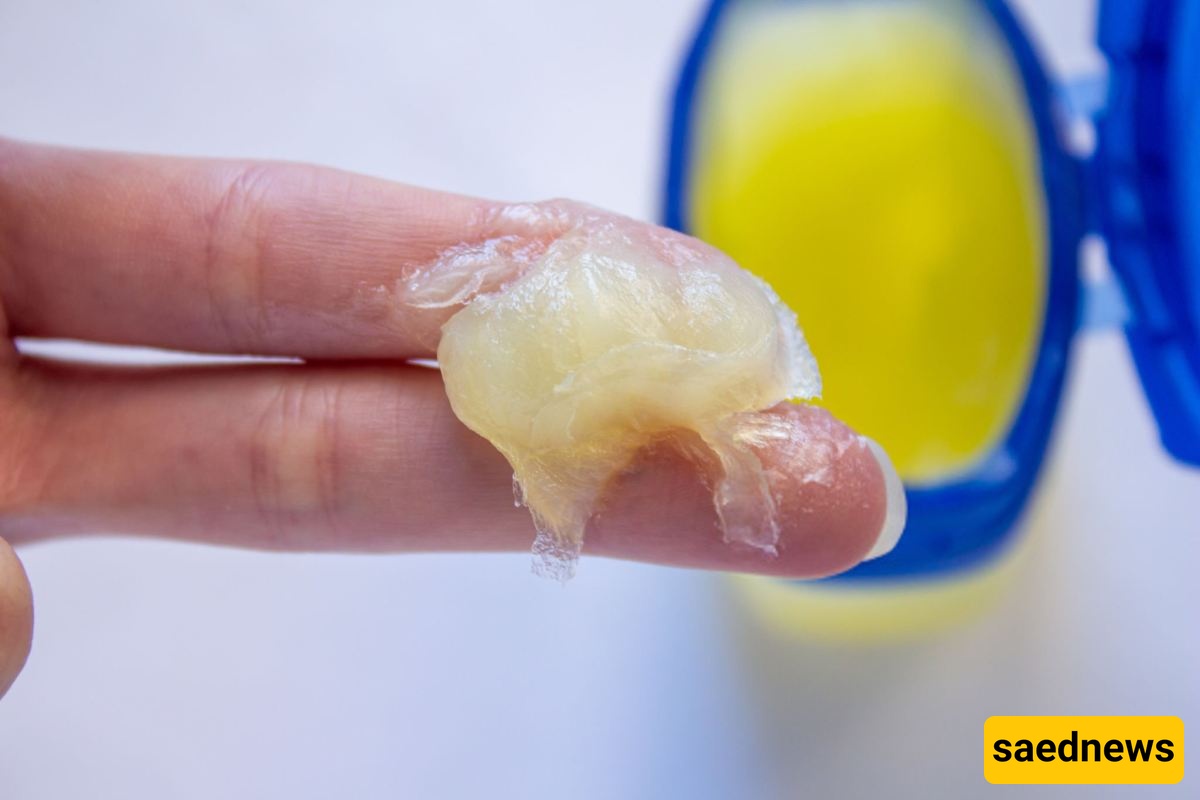
Although pure petroleum jelly is generally considered non-comedogenic, its heavy texture may feel uncomfortable for some individuals. Improper cleansing and unsuitable skincare practices may also contribute to breakouts.
People with sensitive skin should perform a patch test before applying it more widely.
To use Vaseline for facial skin properly, follow these steps:
Wash your face with a gentle cleanser and leave your skin slightly damp.
If needed, apply your regular moisturizer.
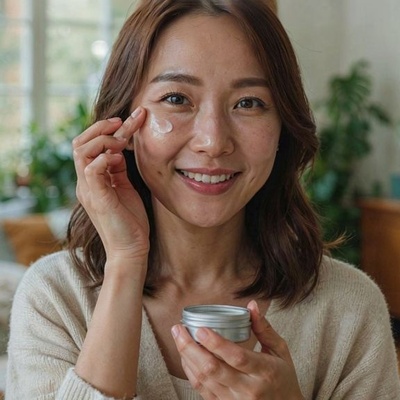
Take a very small amount of Vaseline, approximately the size of a pea or less.
Gently apply it only to dry or vulnerable areas of your face.
Avoid applying a thick layer over your entire face.
Vaseline is generally better suited to nighttime skincare routines because its oily texture may feel heavy under makeup or during the day.
If you have acne-prone skin, try using it only on specific dry areas and for a limited period.
Before applying it extensively, test a small amount behind your ear or on a small area of your face and wait 24 hours to check for any reaction.
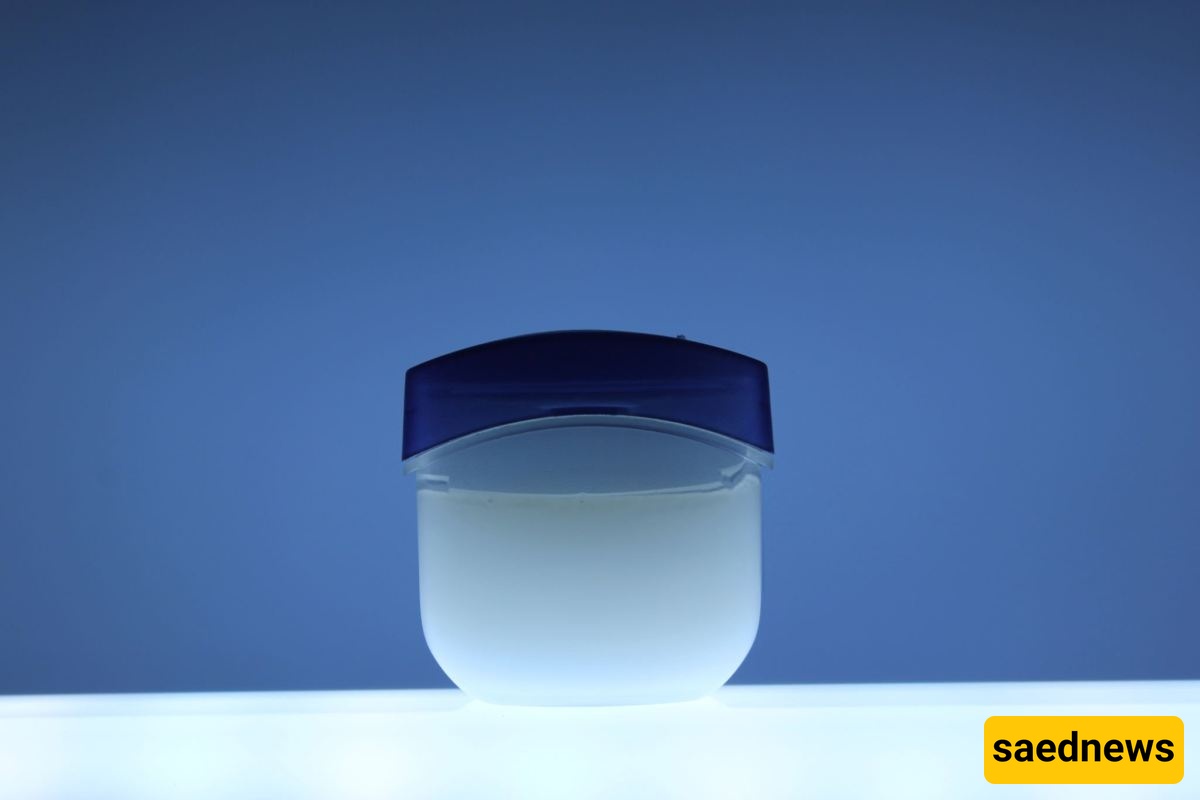
Vaseline is not a substitute for sunscreen and does not protect the skin against ultraviolet radiation.
It also does not treat acne, dark spots, wrinkles, or underlying skin conditions.
If your facial skin has severe inflammation, an infection, an open wound, or inflammatory acne, consult a dermatologist before using Vaseline.
Avoid applying Vaseline to dirty skin or over makeup. Keep the container clean and avoid dipping unwashed fingers into the product.
If you experience redness, itching, burning, or new breakouts after using it, discontinue application.
Choose pure, high-quality petroleum jelly and avoid facial products containing potentially irritating additives or strong fragrances.
There are several common misconceptions about using Vaseline on the face.
Myth 1: Vaseline completely blocks pores and always causes acne.
Although Vaseline has a heavy texture, it does not cause breakouts in everyone. Skin type, the amount applied, and proper cleansing all play important roles.
Myth 2: Vaseline hydrates the skin on its own.
Vaseline primarily prevents moisture loss rather than adding water to the skin. It works best when applied over slightly damp skin or a moisturizer.
Myth 3: Vaseline promotes eyelash and eyebrow growth.
There is no reliable scientific evidence that Vaseline stimulates eyelash or eyebrow growth.
It may make eyebrow and eyelash hairs appear softer and less dry by helping retain moisture, but it does not increase their growth.
Myth 4: Vaseline removes scars and lightens skin.
There is no strong scientific evidence supporting the idea that Vaseline fades scars or lightens skin tone.
It may improve the appearance of dry skin by preventing moisture loss, but it is not a treatment for dark spots, acne scars, or skin discoloration.
Myth 5: Vaseline is suitable for every skin type and every situation.
In reality, Vaseline is most useful for dry skin and specific dry areas of the face. People with oily or acne-prone skin or frequently clogged pores should use it cautiously and only on targeted areas.
Myth 6: Vaseline can replace sunscreen.
This is completely incorrect. Vaseline does not protect the skin against ultraviolet radiation. Always use an appropriate sunscreen when exposed to sunlight.
For facial application, choose pure, high-quality petroleum jelly.
Products containing fragrances, dyes, antibacterial ingredients, or potentially irritating additives may be less suitable for sensitive facial skin.
Store Vaseline in a cool, dry place and keep it away from excessive heat and direct sunlight.
When taking the product out of its container, use clean hands or a clean spatula to prevent contamination.
If you experience redness, itching, burning, swelling, or new breakouts after applying Vaseline to your face, stop using it.
If you have open wounds, skin infections, severe inflammatory acne, or skin conditions such as eczema, rosacea, or dermatitis, consult a dermatologist before using Vaseline.
Vaseline can be helpful in certain situations, but it should never replace appropriate medical treatment.
Vaseline can be a simple, affordable, and effective addition to a facial skincare routine, particularly for people with dry skin who need extra protection against moisture loss.
Its main benefit is its ability to create a protective barrier that locks in moisture and supports the skin's natural barrier.
However, it is not a miracle product, nor is it suitable for every skin type. Using a small amount on clean, slightly damp skin and choosing the right application areas can help you get the most out of it while minimizing potential problems.
The key is to understand your skin's needs and use Vaseline as a complementary skincare product rather than a replacement for moisturizers, sunscreen, or medical treatments.