SAEDNEWS: Khan Hammam, also known as the Noor Bathhouse, is a traditional Persian bathhouse built in 1212 AH (1797–1798 AD) by Mohammad Taghi Khan Bafqi, the governor of Yazd. It is located in Khan Square, next to the historic Khan Complex in Yazd, Iran.
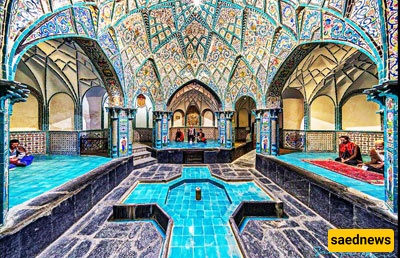
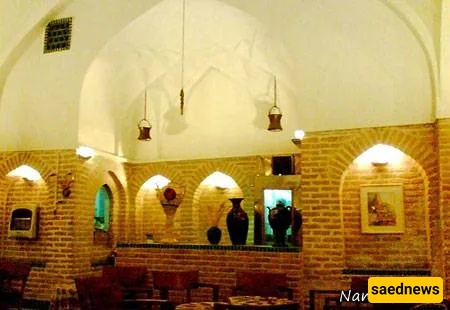
According to Saednews, Khan Bathhouse, also known as Noor Bathhouse, is a historic traditional Persian bathhouse located in Yazd, Iran. The building occupies a plot of approximately 1,170 square meters, with a built-up area of 900 square meters. It comprises several sections, including the Garmkhaneh (hot bathing area), Shahneshin (principal reception area), and Khazineh (traditional bathing pool). Today, the historic building serves as a traditional teahouse and restaurant, offering visitors an opportunity to experience Persian architectural heritage and local culture.
Khan Bathhouse is situated near Khan Square and Kashigari Bazaar in the historic city of Yazd. It was constructed by Mohammad Taqi Khan, the founder of the prominent Khans of Yazd family, who assumed governorship of Yazd in 1161 AH (approximately 1748 CE).
Known as Khan Bathhouse or Noor Public Bath, the building historically served the bathing and social needs of the local community. Its location within the traditional urban fabric reflects the important role of public bathhouses in Persian social life, where people gathered not only for personal hygiene but also for social interaction.
The bathhouse has three access routes connecting it to Khan Square, Kashigari Bazaar, and the neighboring residential areas. These connections demonstrate its integration into the surrounding historic urban environment.
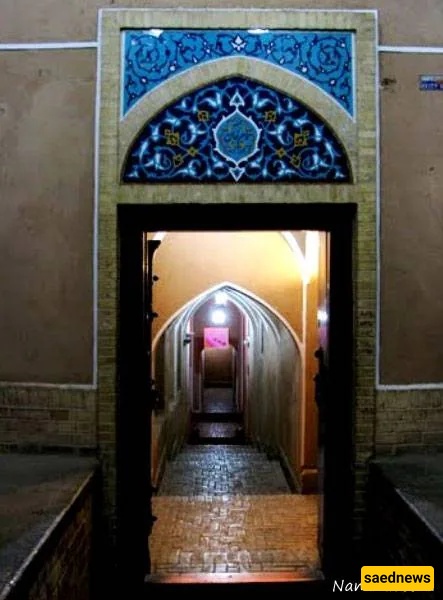
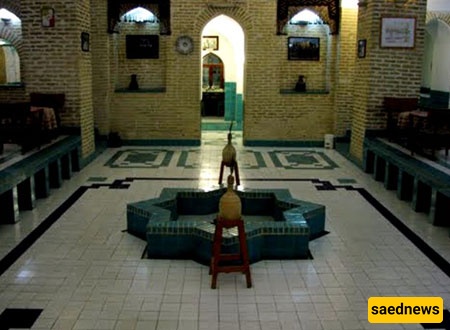
The architectural complex consists of entranceways, the Sarbineh (changing and relaxation hall), the Garmkhaneh (hot bathing area), associated spaces, and a pool located beside the hot bathing section.
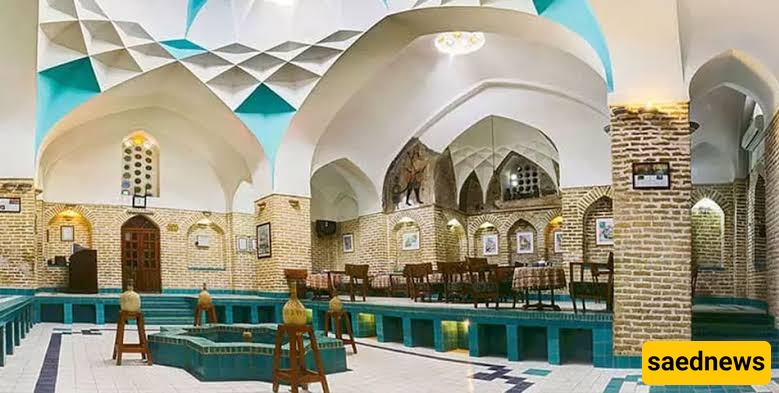
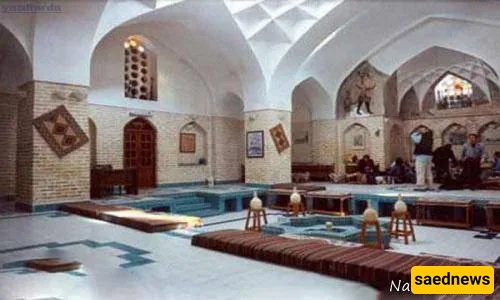
The Sarbineh is one of the most prominent spaces in the building because of its relatively large size and decorative features. Seating platforms, changing areas, and designated spaces for footwear are arranged around the hall, reflecting the traditional functional organization of Persian bathhouses.
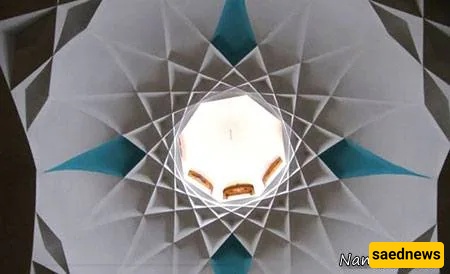
The hall is covered by vaulted ceilings and a dome. Natural light enters through an attractively designed skylight incorporated into the dome, illuminating the interior while maintaining the enclosed character of the space.
Originally, the interior surfaces of the Sarbineh were adorned with paintings and decorative artwork. However, much of this decoration has disappeared over time, and only portions of the original ornamentation remain.
The arrangement of the different bathing areas reflects the traditional architectural principles used in historic Iranian bathhouses, in which separate spaces served specific functions within the bathing process.
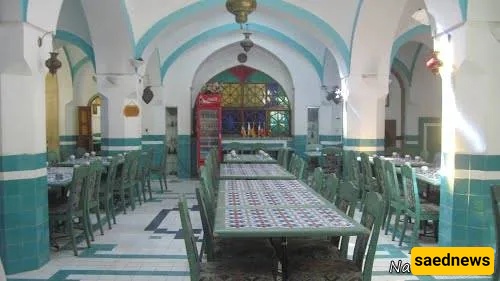
Khan Bathhouse has undergone repairs and restoration in recent years to preserve its architectural and historical character. Following changes in its use, the building has served as a traditional printing house and, according to descriptions of its current function, as a traditional teahouse and restaurant.
Its adaptation for contemporary use has helped maintain the building's presence within the historic urban environment while allowing visitors to appreciate its traditional architecture.
The bathhouse has also been registered as a historical monument, recognizing its cultural and architectural significance.
Khan Bathhouse represents an important example of traditional public bathhouse architecture in Yazd. Its location near Khan Square and Kashigari Bazaar illustrates the relationship between public facilities, commercial districts, and residential neighborhoods in historic Iranian cities.
Its domed ceilings, vaulted spaces, decorative features, and carefully organized interior layout provide insight into traditional Persian architectural practices. Despite changes in function and the loss of some original decorations, the building remains a valuable part of Yazd's architectural heritage.