SAEDNEWS: Calcium-rich foods can help pregnant women meet their increased nutritional needs and support normal bone and tooth development in the baby.
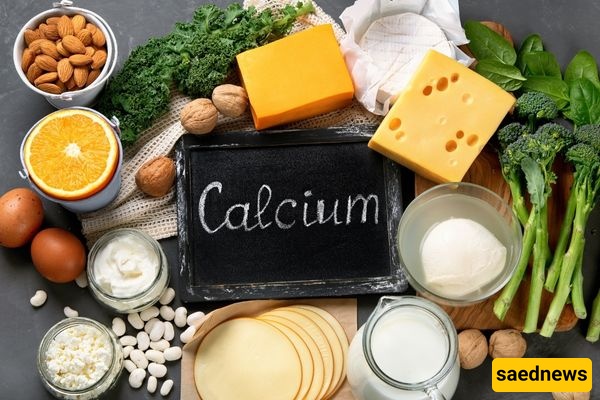
According to SAEDNEWS, calcium is an essential mineral during pregnancy because it supports the development and maintenance of bones and teeth while also contributing to normal muscle and nerve function. Choosing a variety of calcium-rich foods can make it easier to meet daily nutritional needs as part of a balanced pregnancy diet.
Several everyday foods can provide useful amounts of calcium, including:
Plain yogurt – A convenient source of calcium and protein.
Milk – Provides calcium along with other nutrients such as protein and vitamin B12.
Cheese – Many varieties contain substantial amounts of calcium. During pregnancy, choose pasteurized products.
Calcium-fortified plant-based drinks – Fortified options can provide calcium, but the amount varies by product, so checking the nutrition label is helpful.
Tofu made with calcium sulfate – Some types of tofu can be a significant source of calcium.
Leafy green vegetables – Vegetables such as kale and bok choy can contribute calcium to the diet.
Sesame seeds and tahini – These foods contain calcium and can be used in a variety of meals.
Almonds – They provide calcium along with protein, healthy fats, and other nutrients.
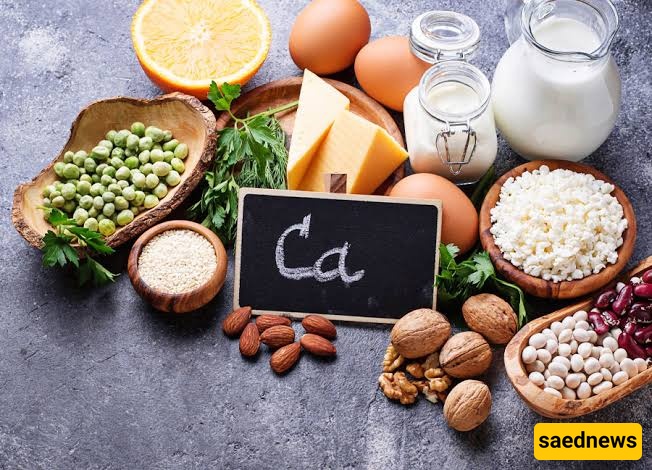
The developing baby needs calcium for normal skeletal development. When dietary calcium intake is insufficient, the body can draw on the mother's calcium stores to help maintain the calcium available in her bloodstream. For this reason, regularly consuming calcium-containing foods is an important part of pregnancy nutrition.
Calcium also has roles in the mother's body beyond bone health. It is involved in normal muscle contraction, nerve signaling, and several other physiological processes.
A varied diet can provide calcium without relying on a single food. For example, yogurt can be included with breakfast, milk can accompany a meal, and calcium-containing vegetables or tofu can be incorporated into lunch or dinner. Reading food labels is particularly useful for fortified products because calcium levels can differ considerably between brands.
Vitamin D also matters because it helps the body absorb calcium. Pregnant women should discuss their individual nutritional needs and any supplements with their healthcare professional, particularly if their diet contains few calcium-rich foods.
For most people, obtaining nutrients from a varied diet is preferable to taking unnecessary high-dose supplements. A healthcare professional can determine whether additional calcium is appropriate based on the individual's diet and circumstances.