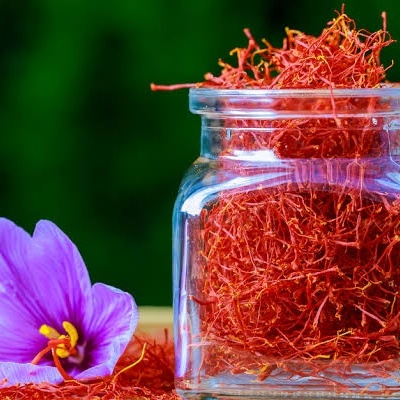
SAEDNEWS: Saffron is a precious and expensive spice, but suitable alternatives can help recreate its distinctive color and delightful aroma in a variety of dishes. Discover the best substitutes in this article.
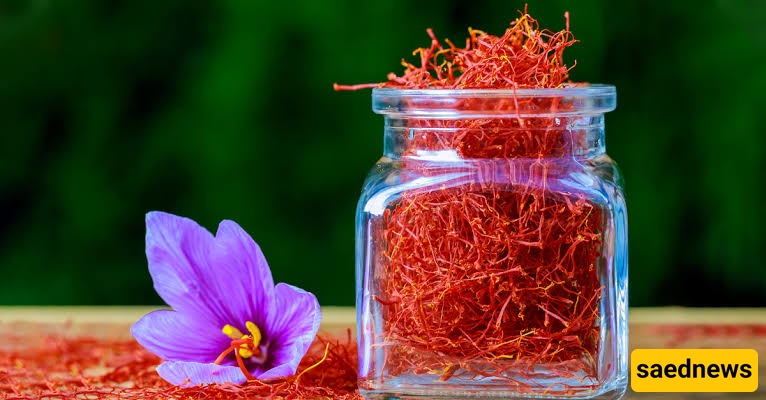
According to Saednews, Saffron is one of the most valuable and well-known Iranian spices, playing an important role in the color, aroma, and flavor of many dishes. However, its high price and the difficulty of finding authentic saffron have led many people to look for suitable alternatives.
The main question is whether it is possible to find a substitute that delivers the same results as saffron. The short answer is that no alternative can fully reproduce all of saffron’s characteristics. Saffron provides a distinctive golden-yellow color, a unique fragrance, and a mildly bitter taste.
However, by understanding the needs of a particular dish and choosing the right combination of ingredients, you can achieve a similar and satisfying result.
In this article, we introduce the best saffron substitutes for cooking and explore how to use them in rice dishes, stews, desserts, and beverages. We also cover recommended quantities, common mistakes, and useful combinations to help you make informed and professional choices.
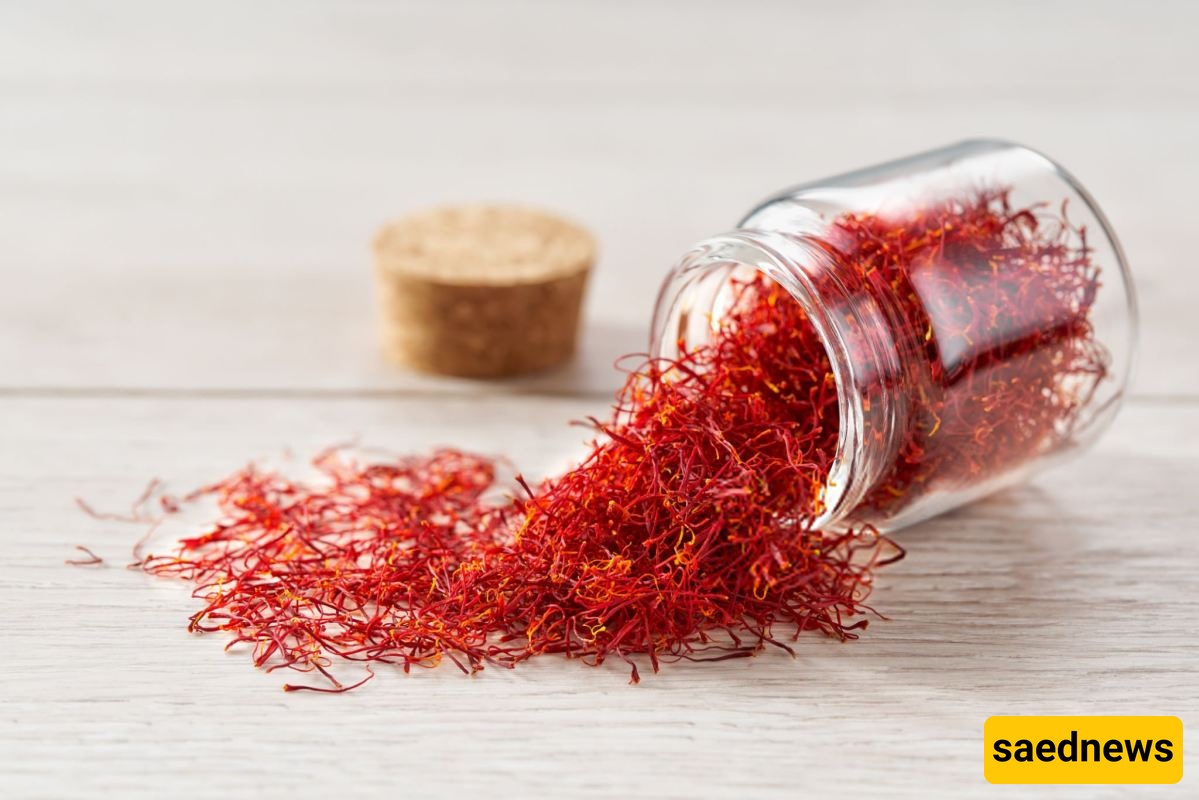
Saffron has three main characteristics: a bright yellow-orange color, a floral and honey-like aroma, and a mild bitter taste.
Its main active compounds include:
Crocin: Responsible for saffron's color.
Safranal: Responsible for its distinctive aroma.
Picrocrocin: Responsible for its flavor.
Most substitutes provide only one or two of these characteristics.
For example, turmeric creates a beautiful yellow color but does not have saffron's fragrance. Safflower can produce a somewhat similar color but cannot replicate saffron's aroma or flavor.
Therefore, when choosing a saffron substitute, you should first determine whether your main priority is color, aroma, or both.
Another important consideration is that saffron releases its color in water, allowing it to spread quickly throughout a dish. Many alternatives are more fat-soluble and work better when heated in oil or butter. Following these small details can help produce a more natural and professional result.
Before selecting an alternative, consider the following factors:
Type of dish: Rice, stews, desserts, and beverages each require different ingredients.
Purpose: Decide whether you need color, aroma, or both.
Flavor intensity: The substitute should not overpower the natural taste of your dish.
Food safety: Not all plants and natural colorants are approved for culinary use.
Availability: Choose ingredients that are easy to find in regular grocery stores.
By considering these factors, you can combine several simple ingredients to achieve a result close to saffron.
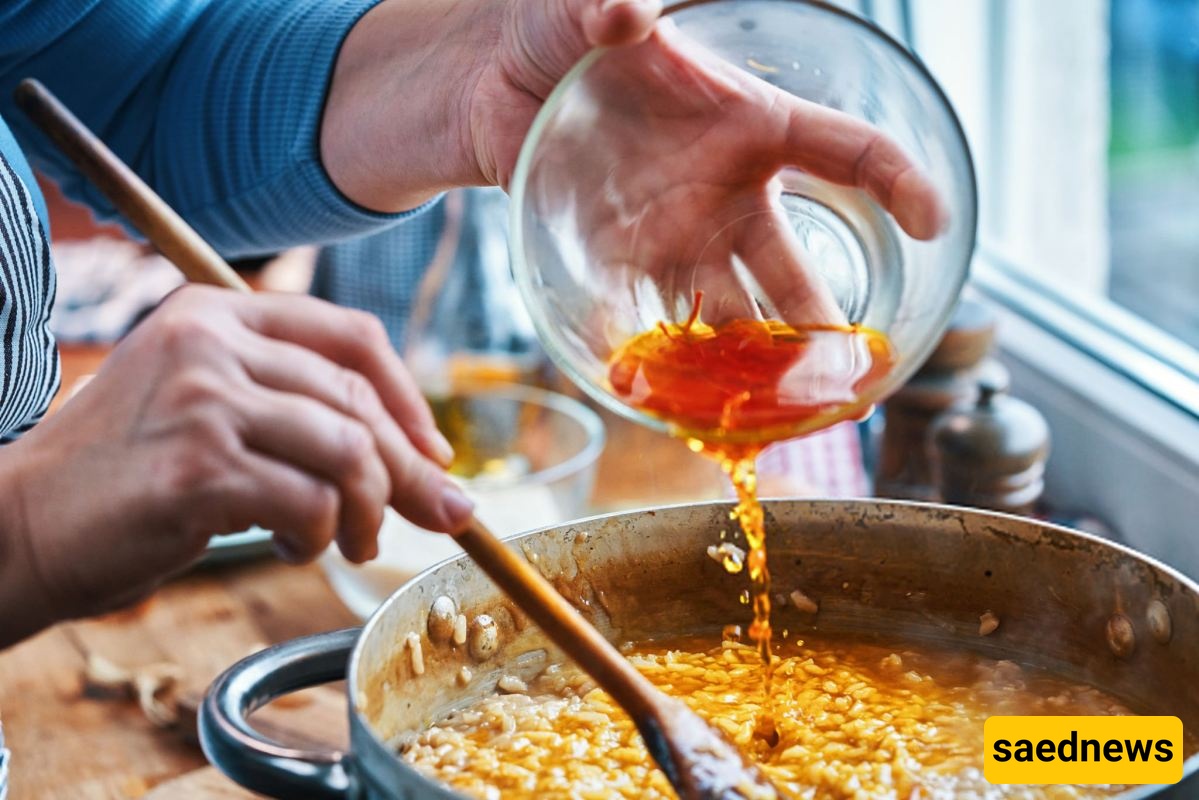
Turmeric is one of the most widely used saffron substitutes for creating a yellow color in food. A small amount can give rice, chicken stew, or soup an attractive golden-yellow appearance.
However, turmeric has an earthy and slightly bitter flavor. Using too much can significantly change the taste of your dish.
For better results, heat turmeric in a little oil or butter to release its color.
Recommended amount: Approximately 1/8 to 1/4 teaspoon for a dish serving four people.
For rice dishes, sauté the turmeric in oil before mixing it with the rice. If you also want to add a pleasant fragrance, combine turmeric with a very small amount of cardamom or rose water.
Safflower, also known as false saffron or Mexican saffron, has traditionally been used as a natural food coloring.
Its dried petals can produce a yellow-orange color somewhat similar to saffron. It is one of the most popular saffron alternatives for rice dishes and desserts.
To use safflower, soak a few petals in warm water and add the colored infusion to your food.
Although safflower does not have saffron's distinctive aroma, it provides a natural and attractive color.
Make sure you use food-grade safflower and control the quantity to avoid introducing a bitter taste.
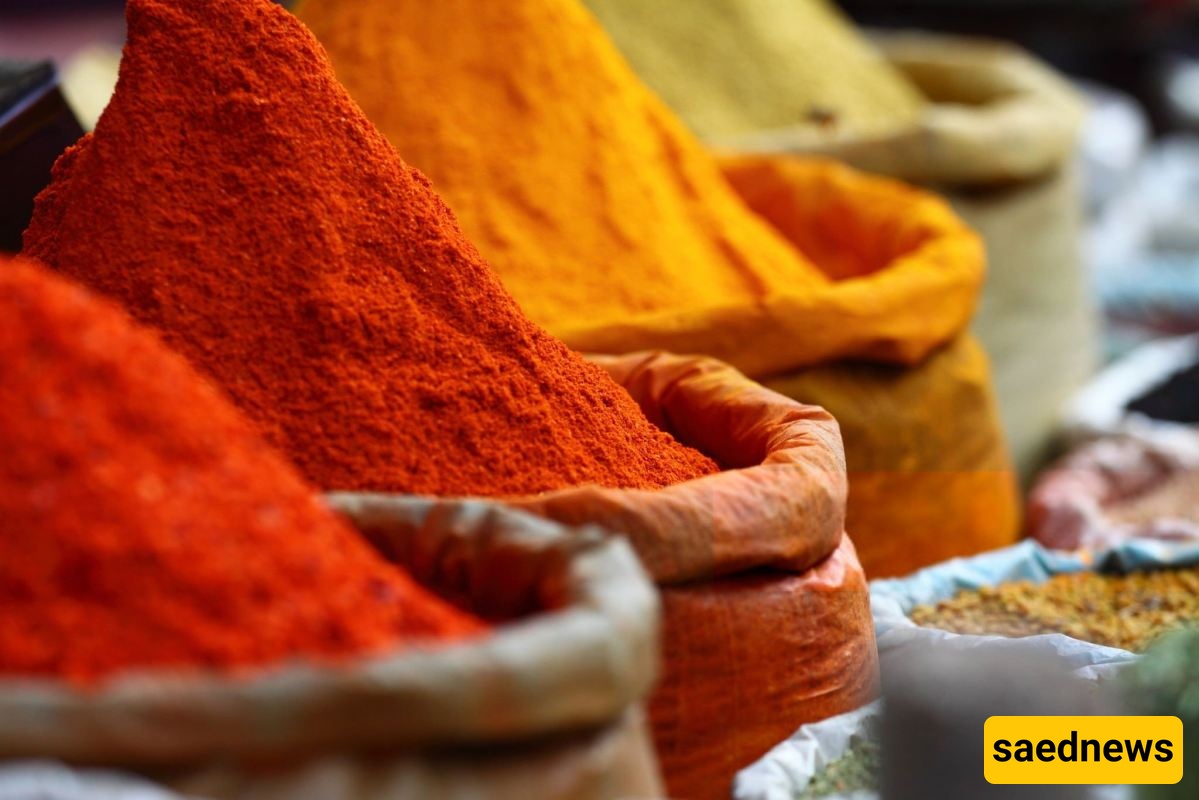
Paprika, especially the sweet variety, can give food a pleasant orange-red color.
It works particularly well in stews, kebabs, and meat dishes. Although paprika does not have saffron's aroma, its mild and slightly sweet flavor generally complements many recipes.
To use paprika as a saffron substitute, heat a small amount in oil.
Avoid using too much, as it may introduce an unexpectedly smoky or sweet flavor.
For Persian-style dishes, you can combine paprika with turmeric and a little cumin or cardamom to create a more balanced flavor.
Annatto is a seed commonly used as a natural food coloring in different cuisines around the world.
It produces a warm orange-red color and can partially replace saffron in dishes that require a rich, warm appearance.
Annatto is generally oil-soluble and works well for coloring rice, soups, and stews.
Use it sparingly because its color is quite concentrated, and excessive amounts can produce an unpleasant taste or aroma.
To use annatto, soak the seeds in a small amount of warm oil (not hot oil), then strain them. Add a few drops of the colored oil to your dish.
For a meal serving four people, approximately 1/8 teaspoon of annatto powder or a few drops of its extract is usually sufficient.
Remember that annatto is primarily a coloring agent rather than a substitute for saffron's aroma.
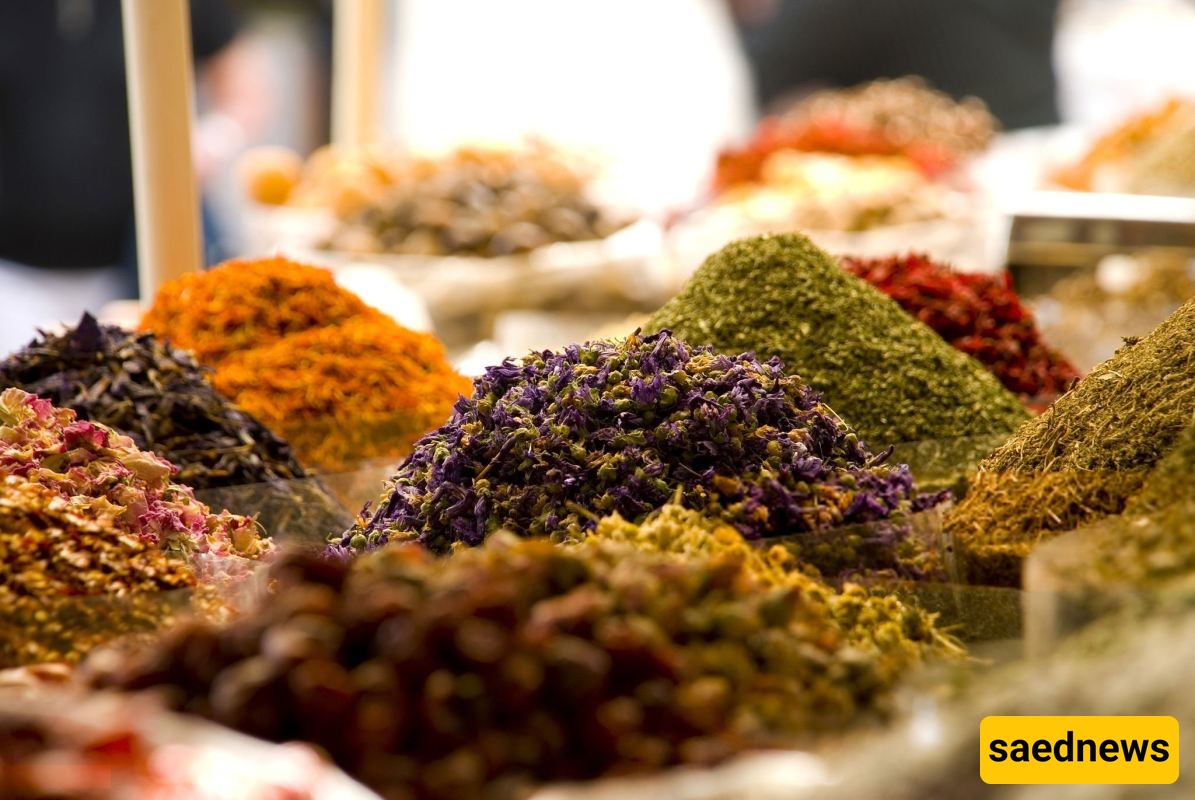
If your main goal is to recreate saffron's fragrance, food colorings alone will not be effective.
Instead, consider combining cardamom, rose water, and a small amount of cinnamon.
Cardamom has a warm, pleasant aroma that pairs beautifully with rose water in rice dishes, pastries, and desserts.
Rose water also provides a delicate floral fragrance that can create a sensory experience somewhat reminiscent of saffron.
Recommended amounts for four servings:
1/8 teaspoon ground cardamom or 2–3 cardamom pods.
1–2 tablespoons rose water.
It is best to add rose water toward the end of cooking to preserve its fragrance.
Use cinnamon only in dishes where its flavor is appropriate, such as certain stews and desserts.
Some food-grade saffron-flavored essences and extracts are available on the market.
These products can partially imitate saffron's aroma, but you should always make sure they are approved for food use and follow the recommended dosage.
Industrial or non-food-grade essences may produce an unpleasant chemical taste.
If you use saffron essence, dilute a very small amount in water or oil before adding it to your food.
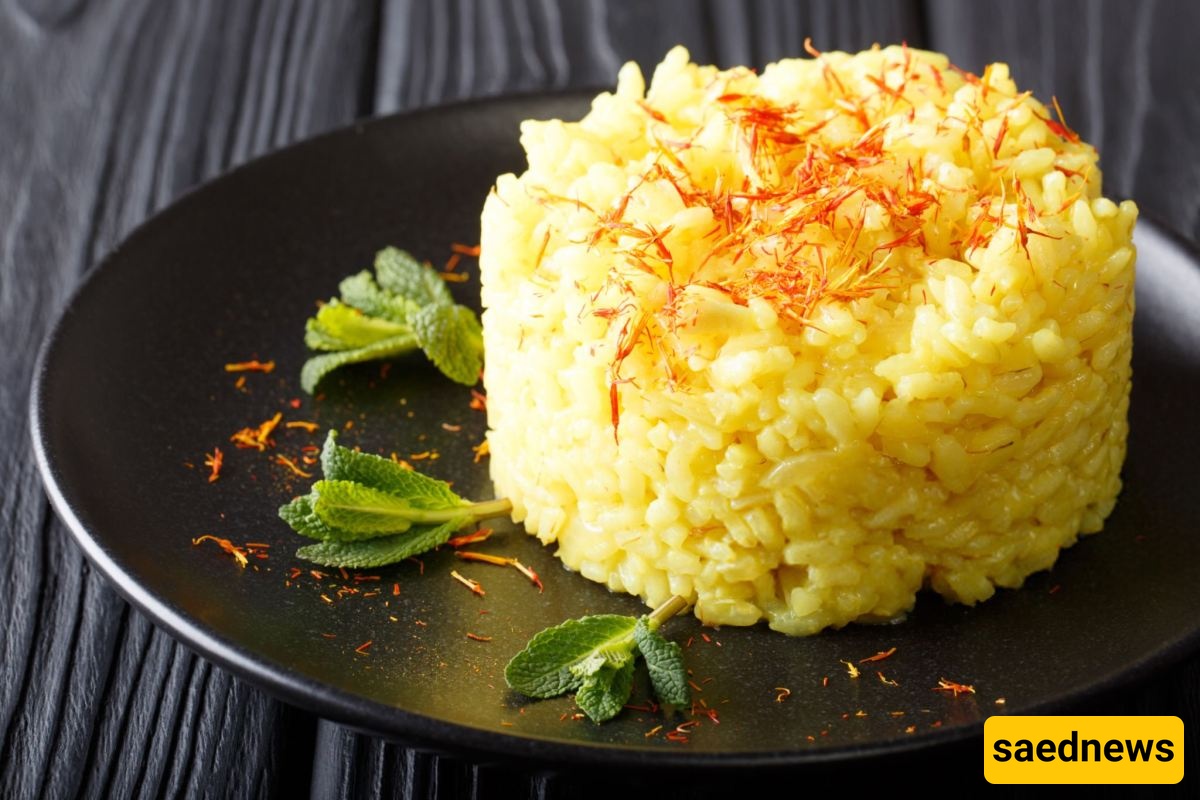
One of the most practical ways to replace saffron in cooking is to combine several ingredients rather than relying on a single substitute.
For a rice dish serving four people, try the following combination:
1/4 teaspoon turmeric.
A few safflower petals soaked in warm water.
1/8 teaspoon ground cardamom.
1 tablespoon rose water.
This combination provides an appealing golden-yellow color along with a warm and pleasant fragrance.
Although the flavor is not exactly the same as saffron, it offers a natural and satisfying alternative for many dishes.
Substitute | Recommended Amount | Main Use | Important Tip |
|---|---|---|---|
Turmeric | 1/8–1/4 teaspoon | Rice, stews, and soups | Heat in oil; avoid excessive use |
Safflower | 5–10 petals soaked in warm water | Rice and desserts | Use food-grade safflower |
Sweet paprika | 1/4–1/2 teaspoon | Stews, meat, and kebabs | Has a mild, slightly sweet flavor |
Annatto | 1/8 teaspoon or a few drops of extract | Coloring warm-colored dishes | Highly concentrated; use sparingly |
Cardamom | 1/8 teaspoon or 2–3 pods | Rice and desserts | Avoid using too much |
Rose water | 1–2 tablespoons | Rice and pastries | Add toward the end of cooking |
Turmeric, safflower, cardamom, and rose water | Small amounts of each | General-purpose substitute | Start with small quantities and taste |
Different recipes require different combinations of ingredients.
Rice and Tahchin: Use safflower or turmeric for color, combined with cardamom and rose water for fragrance.
Stews: Combine turmeric with a little paprika and cardamom. Paprika is particularly suitable for chicken and fish stews.
Pastries and Desserts: Use safflower, rose water, and cardamom. Add only a tiny amount of turmeric to avoid an earthy flavor.
Drinks and Syrups: Combine rose water and cardamom with a little safflower or turmeric for color.
Meat Dishes: Sweet paprika works well with turmeric and a little cumin or cardamom.

To get the best results, avoid these common mistakes:
Expecting food colorings to reproduce saffron's aroma: Turmeric and safflower provide color but do not have saffron's distinctive fragrance.
Using too much turmeric: Excessive turmeric can create an earthy and bitter taste.
Using non-food-grade colorants: Not every natural or artificial coloring agent is suitable for cooking. Only use approved food-grade ingredients.
Adding rose water at the beginning of cooking: Prolonged exposure to heat can destroy its delicate aroma. Add it toward the end instead.
Buying unidentified products marketed as fake saffron: It is safer to use clearly labeled, approved ingredients such as turmeric, safflower, cardamom, and rose water.
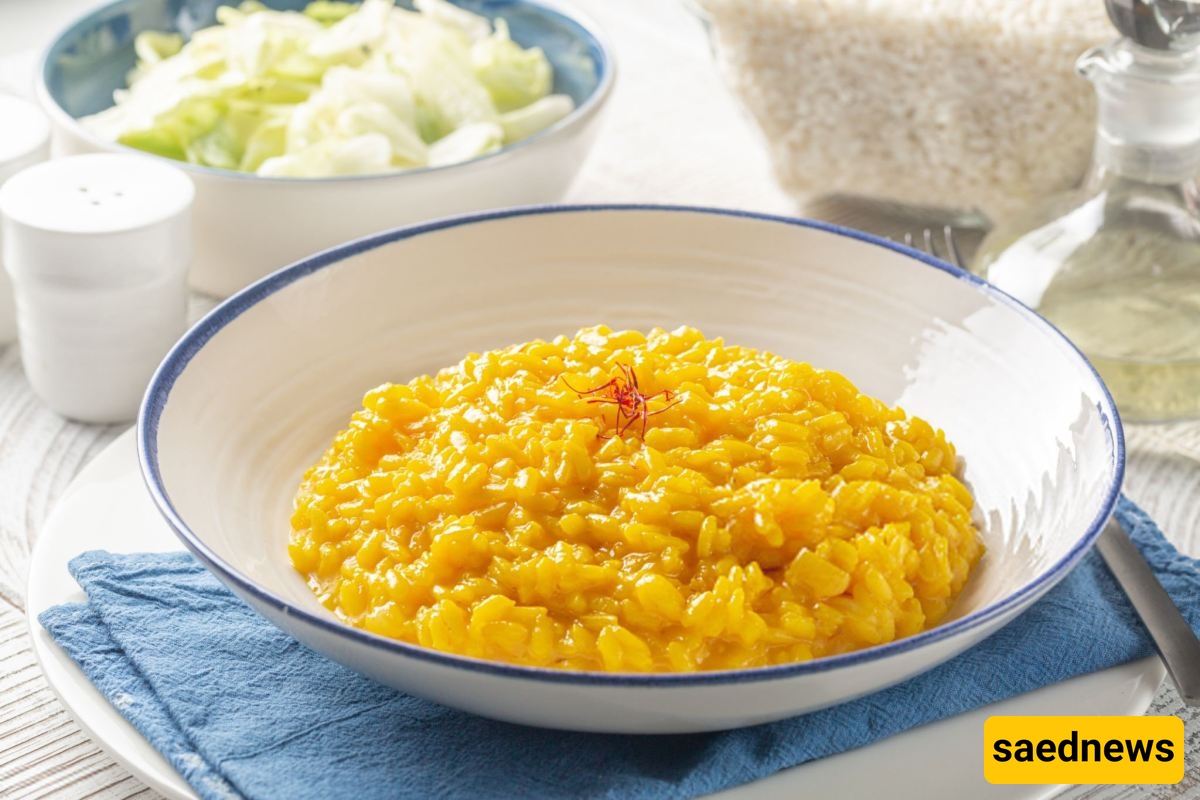
Although no single ingredient can completely replace saffron, the right combination of natural spices and flavorings can provide a satisfying alternative.
For color, turmeric and safflower are among the best choices. For fragrance, cardamom and rose water work particularly well. Combining these ingredients can help you create attractive and flavorful dishes without spending as much on saffron.
The most important thing is to choose your substitute according to the type of food, use moderate quantities, and adjust the combination to suit your taste.