SAEDNEWS: Why Does Rice Become Hard? Causes and Practical Ways to Keep It Soft and Fluffy
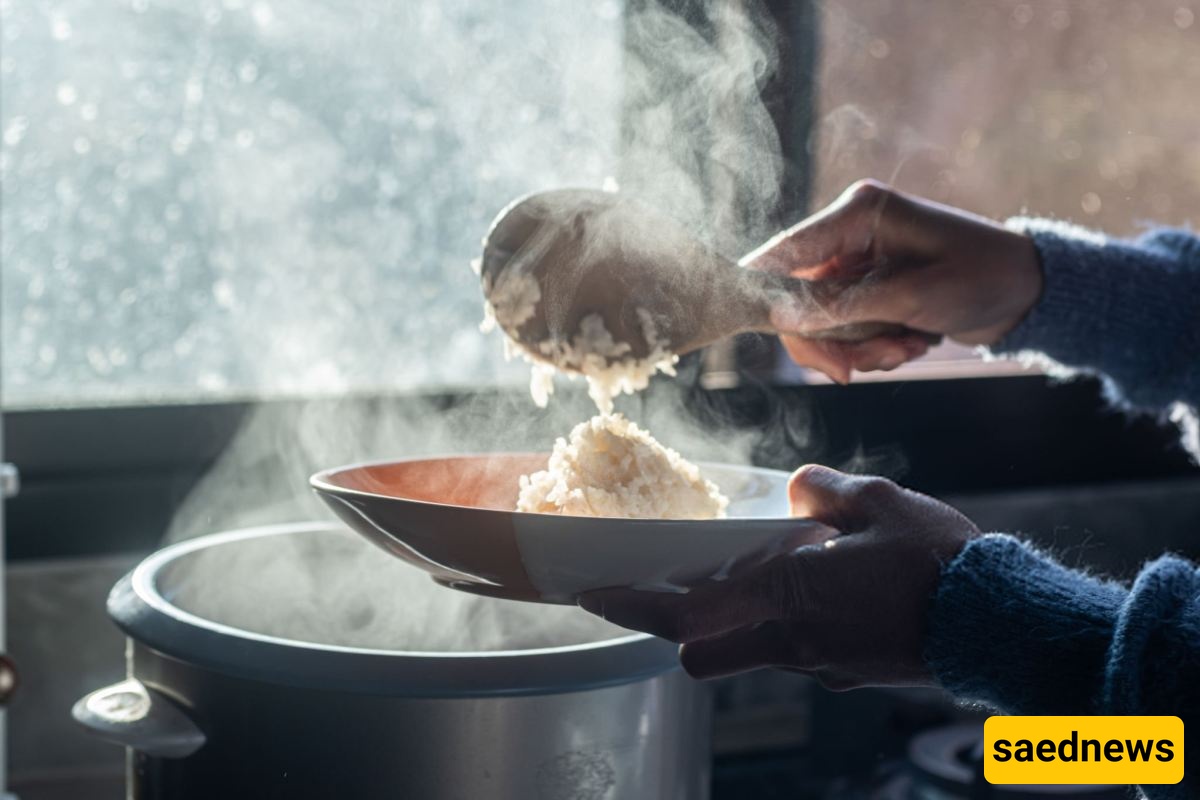
According to Saednews, Rice is one of the most important staples in Iranian cuisine, and its cooking quality has a direct impact on the overall dining experience. One of the most common problems in the kitchen is rice becoming hard after steaming. This can happen even when the cooking steps appear to have been followed correctly, resulting in rice that is dry, firm, or undercooked in the center.
Hard rice after steaming is not necessarily related to rice quality alone. Several factors can contribute to this problem, including the water-to-rice ratio, soaking time, heat level, type of cooking pot, and steaming method.
In this article, we take a closer look at the reasons rice becomes hard after steaming and explore practical ways to prevent it. If you want to understand why rice becomes hard and how to achieve soft, fragrant, fluffy, and separate grains, keep reading.
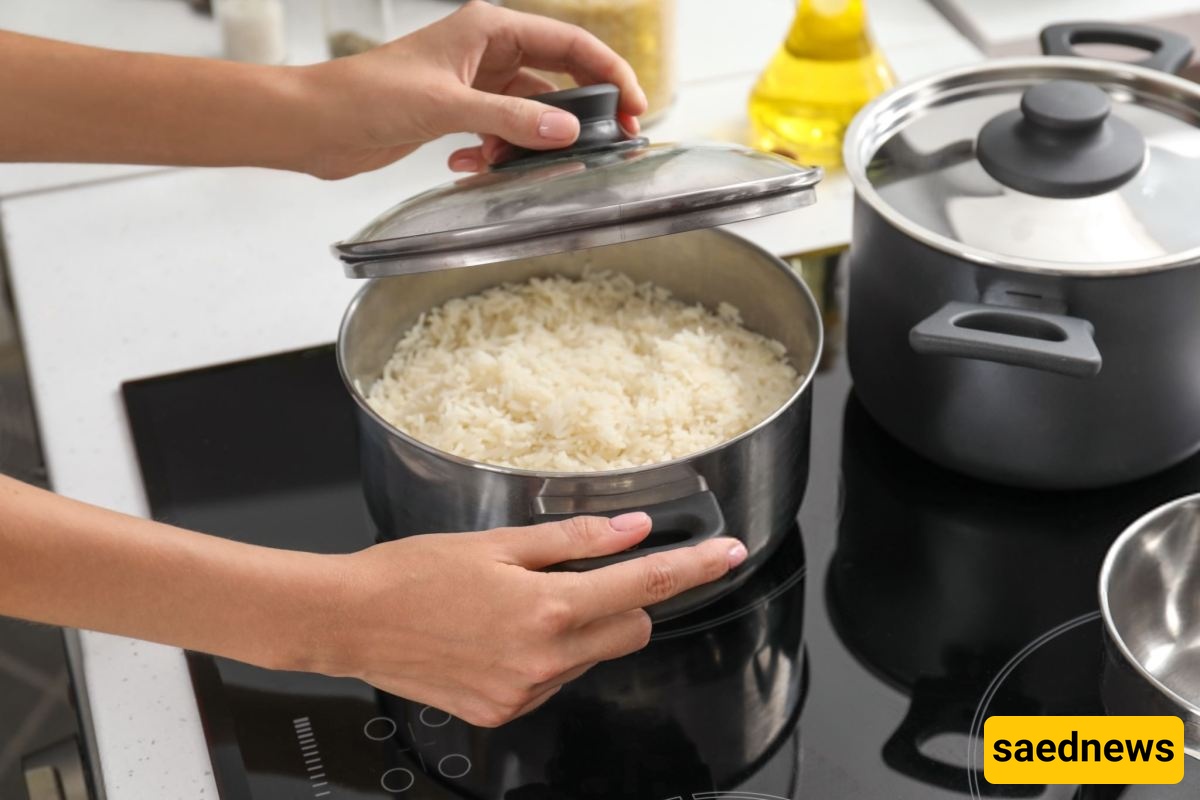
Rice usually becomes hard after steaming because the grains have not absorbed enough water or because the starch gelatinization process has not been completed. During cooking, water and heat cause the starch inside the rice grains to swell and soften.
If there is not enough water, heat does not reach the center of the grains evenly, or insufficient steam is retained during the steaming stage, the rice may remain hard. Rapid cooling after cooking can also cause the rice to become firm again.
Therefore, the causes of hard rice after steaming can be divided into several main categories: factors related to the rice itself, water and soaking, heat and cookware, and the timing and method of steaming.
One of the main reasons rice becomes hard after steaming is insufficient water or an incorrect water-to-rice ratio. When there is less water than the rice requires, the grains do not have enough moisture to soften properly. This problem is particularly common with aged rice, high-yield varieties, and long-grain rice.
The ideal water-to-rice ratio is not always the same. It depends on the rice variety, its moisture content, and the cooking method. For Iranian rice, a ratio of approximately 1:1.5 to 1:2 is often recommended, although this should be adjusted according to the specific variety and cooking experience. Using a measuring cup is more reliable than estimating the water level with your finger.
Insufficient Water During the Steaming Stage
During steaming, rice needs sufficient moisture and gentle heat to cook properly. If all the water has evaporated before this stage begins, there will not be enough steam to finish cooking the grains, leaving them hard.
For this reason, it is important to ensure that enough moisture remains before covering the pot and beginning the steaming process.
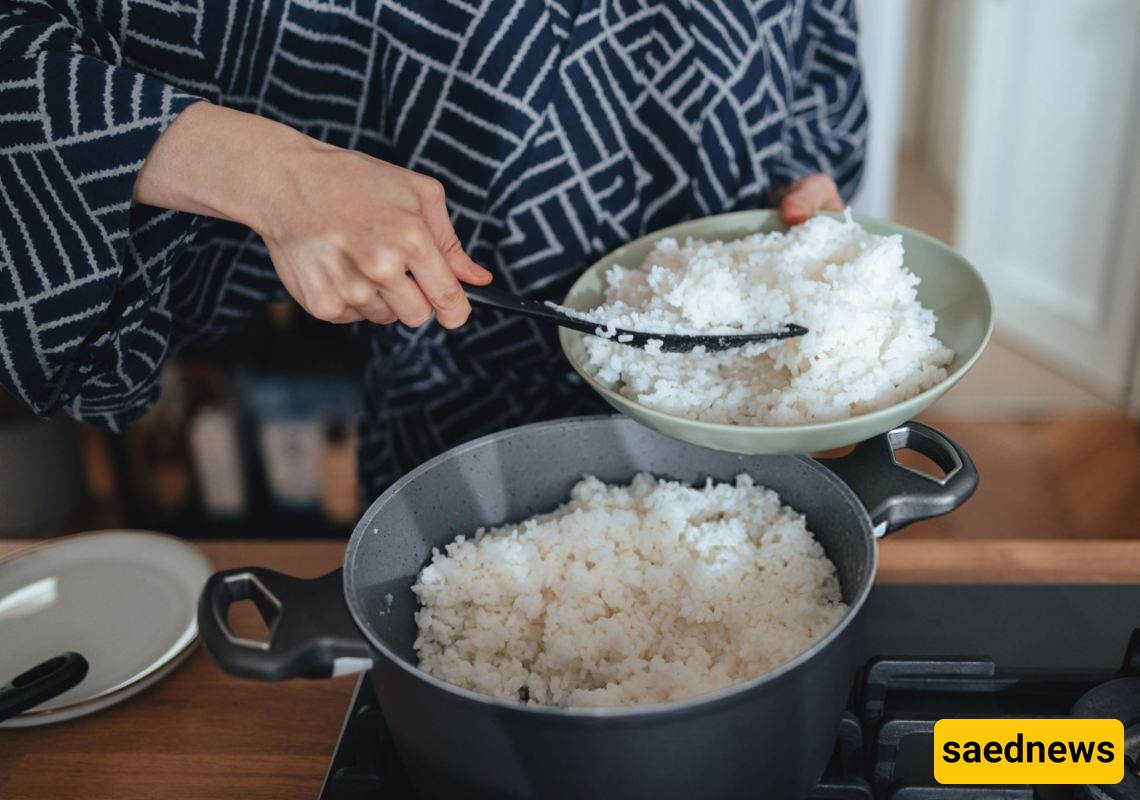
Soaking helps rice absorb water before cooking and allows the grains to soften. If rice is not soaked for long enough, its center may remain dry and become difficult to cook completely during steaming.
This is particularly important for aged rice because it loses moisture during storage and generally requires more soaking time.
The recommended soaking time is usually between 30 minutes and 2 hours, depending on the rice variety. However, soaking rice for too long can make it excessively soft and cause the grains to break apart. Finding the right balance is essential.
The type of rice has a direct impact on its final texture. Aged rice tends to cook more slowly because it has lost some of its natural moisture, making it more likely to remain hard after steaming.
Freshly harvested rice generally contains more moisture and cooks faster. Long-grain and high-yield rice varieties may also require additional water and cooking time.
Rice that has been stored improperly or exposed to unsuitable moisture conditions may also develop an undesirable texture. Choosing good-quality rice and storing it correctly are important steps toward achieving better cooking results.
Heat is one of the most important factors in the steaming process.
If the heat is too high at the beginning of steaming, the water evaporates too quickly, and the rice may dry out before it is fully cooked. On the other hand, excessively low heat may prevent enough steam from forming, leaving the centers of the grains undercooked.
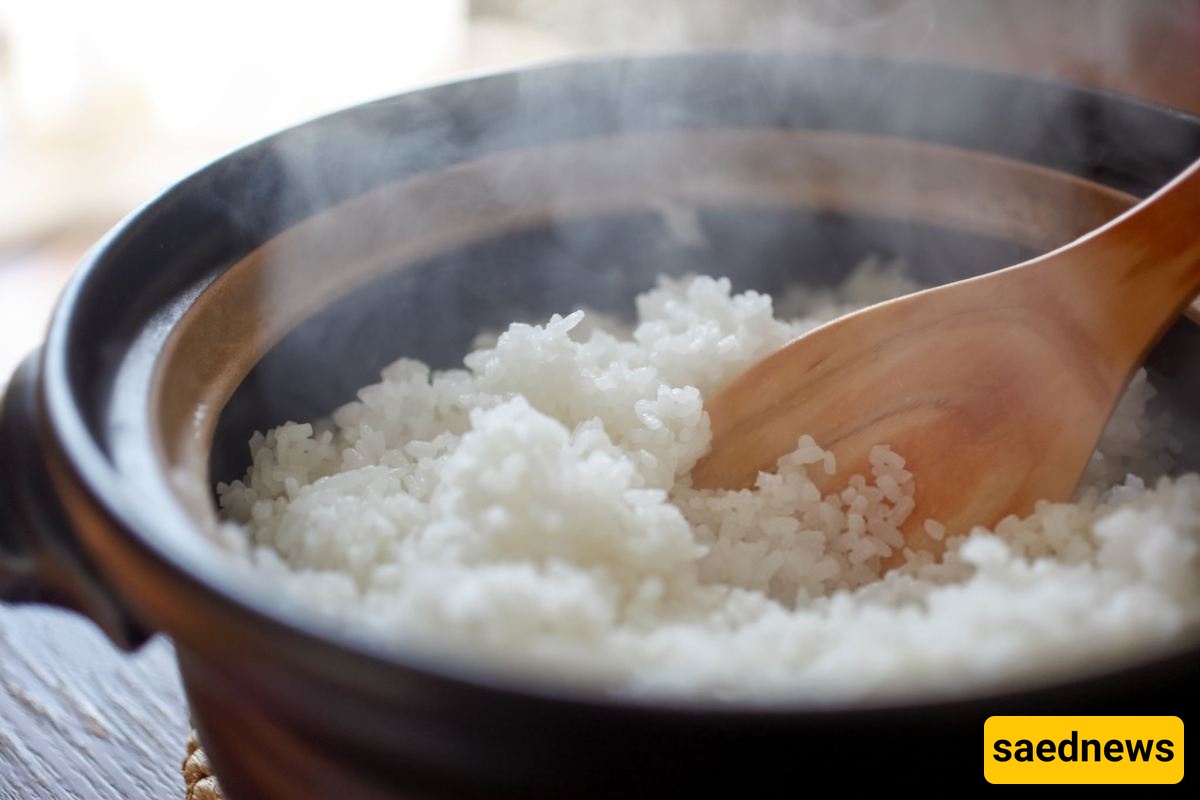
The best approach is to maintain gentle and consistent heat throughout the steaming stage.
Many cooking methods recommend using medium heat for the first few minutes after adding oil and covering the pot. Once sufficient steam has formed, the heat should be reduced to its lowest setting. This helps the rice cook evenly.
Steam plays a crucial role in softening rice during the steaming stage. If the pot lid does not fit properly or is repeatedly removed during cooking, steam escapes and the rice may become hard.
Opening the lid too early can also lower the temperature inside the pot and interrupt the cooking process.
Using a pot with a well-fitting lid and placing a clean kitchen towel beneath the lid can help retain steam and prevent the rice from drying out. Avoid stirring the rice during this stage.
Rice needs enough time to steam properly. Generally, 30 to 45 minutes is sufficient, although the exact time depends on the rice variety and cooking method.
If the rice is removed from the heat too early or the steaming process is interrupted, the centers of the grains may not have enough time to soften completely. As a result, the rice may look cooked on the outside but remain dry and hard inside.
The steaming time is usually between 30 and 45 minutes, but several factors can affect it, including whether the rice is fresh or aged, grain size, and cooking technique.
Older rice and long-grain varieties may require additional time. Therefore, you should not rely solely on the appearance of the rice or the time elapsed. The most important indicators are fully softened grains and sufficient moisture remaining inside the pot.
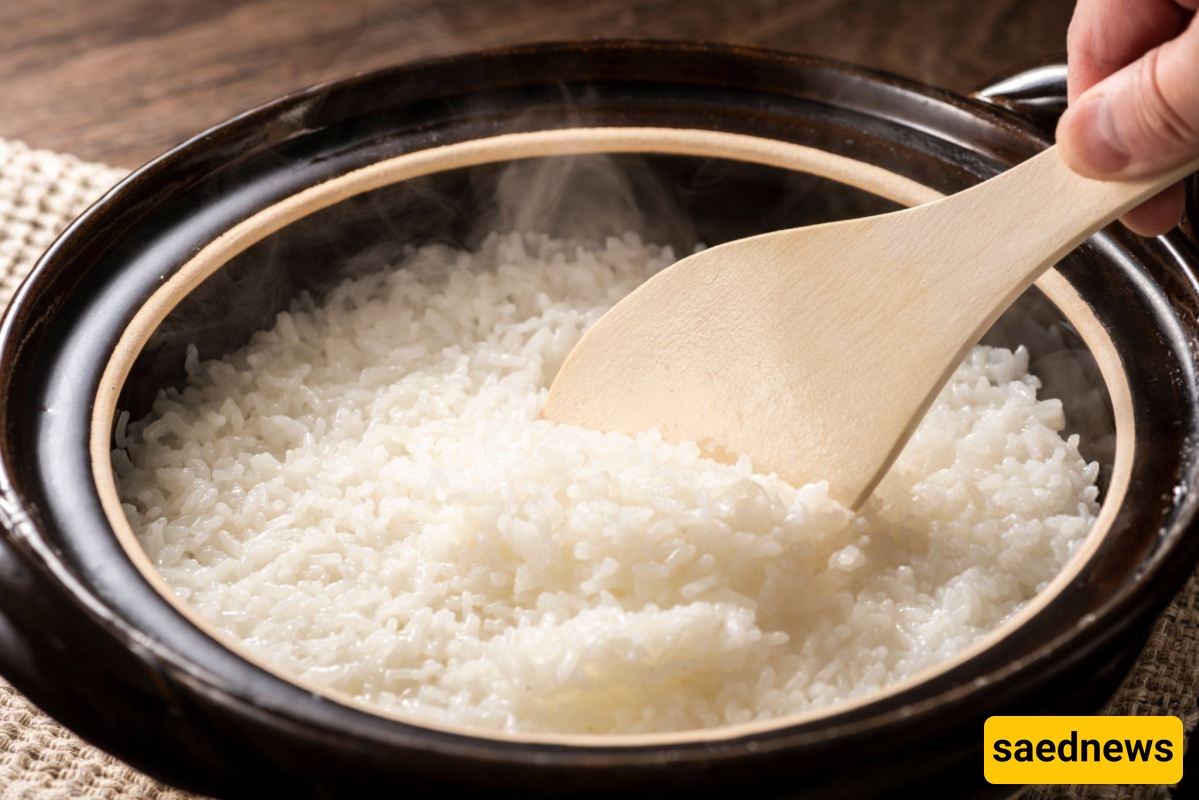
Stirring rice while it is steaming is a common cooking mistake. It can break the grains, release trapped steam, and interfere with even cooking.
Rice should only be moved gently before the steaming stage, such as during draining or when mixing it with other ingredients.
Once oil has been added and steaming has begun, avoid stirring the rice.
A pot with a thin base may distribute heat unevenly, causing some of the rice to stick to the bottom or dry out.
Similarly, a pot that is either too large or too small may interfere with proper steam circulation.
Choosing a pot with a thick base and a properly fitting lid helps distribute heat evenly and creates better conditions for cooking and steaming rice.
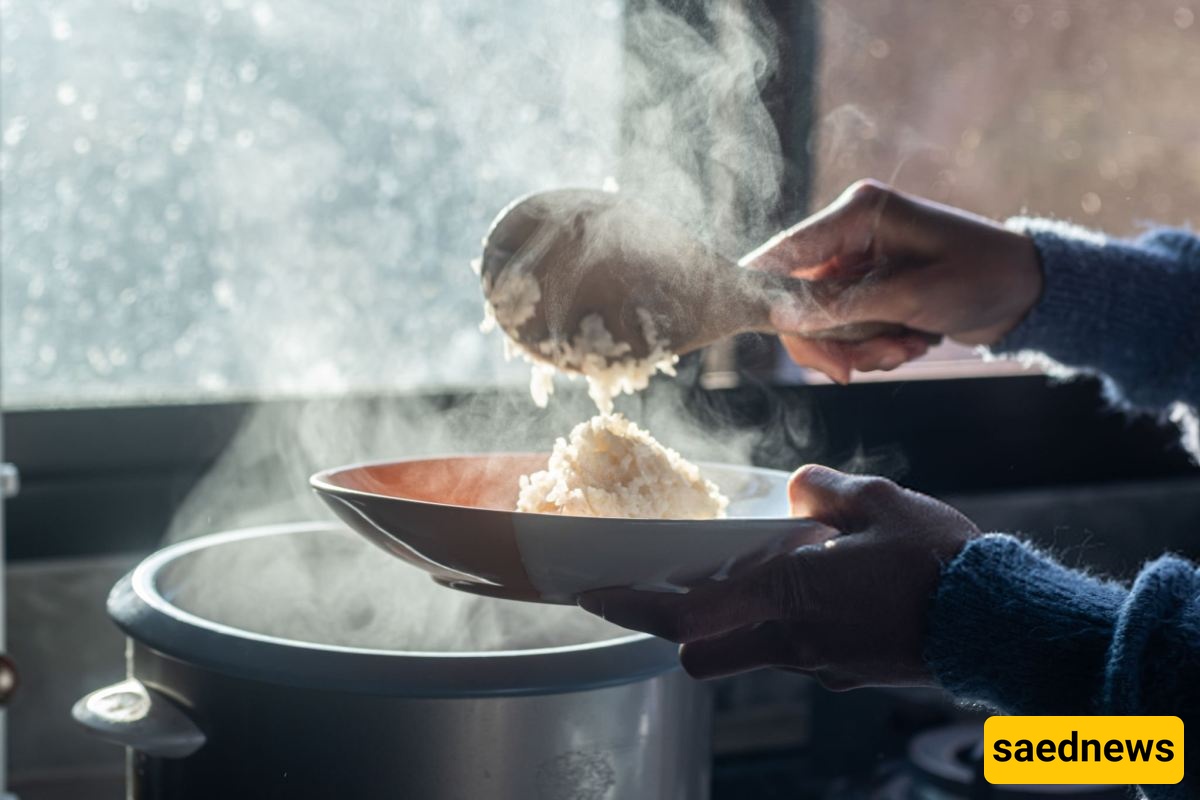
Sometimes, rice becomes hard after steaming because it cools too quickly.
When cooked rice is exposed to a cold environment or placed directly in the refrigerator, its starch structure changes through a process called retrogradation. This can make the rice firmer and drier.
To reheat rice, use gentle steam or a microwave with a few drops of warm water. This helps restore some of its moisture and improves its texture.
Old, dry, or improperly stored rice generally takes longer to cook and is more likely to become hard after steaming.
Rice exposed to unsuitable storage conditions may also lose its desirable texture.
For better cooking results, store rice in a cool, dry place. If you are using aged rice, consider increasing the soaking time and slightly adjusting the amount of water.
To prevent rice from becoming hard after steaming, follow these practical tips:
Measure the water accurately: Insufficient water is one of the main causes of hard rice. Adjust the water-to-rice ratio according to the variety and use consistent measuring cups.
Soak the rice properly: Soaking for 30 minutes to 2 hours is generally sufficient. Aged rice may require more time.
Choose good-quality rice: If using aged rice, soak it longer and slightly increase the water if necessary.
Control the heat: Once steaming begins, maintain low and consistent heat to ensure sufficient steam is produced.
Keep the steam inside the pot: Close the lid tightly, place a clean kitchen towel beneath it, and avoid opening the lid during steaming.
Allow enough steaming time: Depending on the rice variety, allow approximately 30 to 45 minutes. Check that the grains are completely soft before turning off the heat.
Avoid stirring the rice: Stirring during steaming releases steam and may break the grains.
Use suitable cookware: A pot with a thick base and a properly fitting lid helps ensure even cooking.
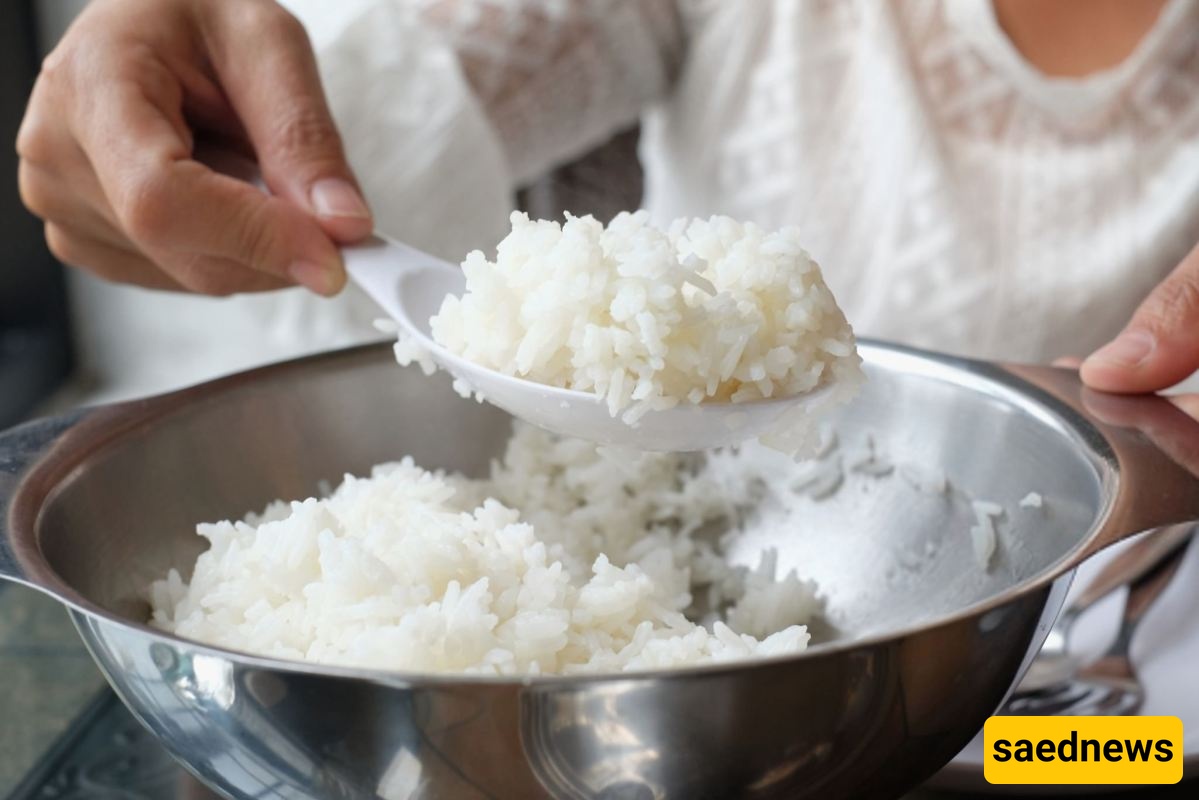
If your rice is slightly hard after steaming, there is still a way to improve its texture.
Sprinkle a few tablespoons of boiling water over the rice. Place a clean kitchen towel over the pot, close the lid, and reduce the heat to the lowest setting. Allow the rice to steam for another 10 to 15 minutes so that the moisture can penetrate the centers of the grains.
Avoid stirring the rice during this process.
If the rice has become completely dry, this method may only partially improve its texture. Therefore, preventing insufficient water absorption and retaining steam during the initial cooking process are much more effective.
Hard rice after steaming is usually caused by insufficient water, inadequate soaking, improper heat control, steam escaping from the pot, or insufficient cooking time. Rice variety and storage conditions can also influence the final texture.
By adjusting the water-to-rice ratio, soaking the grains properly, maintaining gentle heat, and allowing enough time for steaming, you can significantly reduce the chances of ending up with hard rice.
With the right technique, you can enjoy perfectly cooked rice that is soft, aromatic, fluffy, and has beautifully separate grains.