SAEDNEWS: Pomegranate is a highly nutritious fruit, but it may cause problems for certain people. In this article, we explore who should be cautious about eating pomegranates or consider limiting their intake.
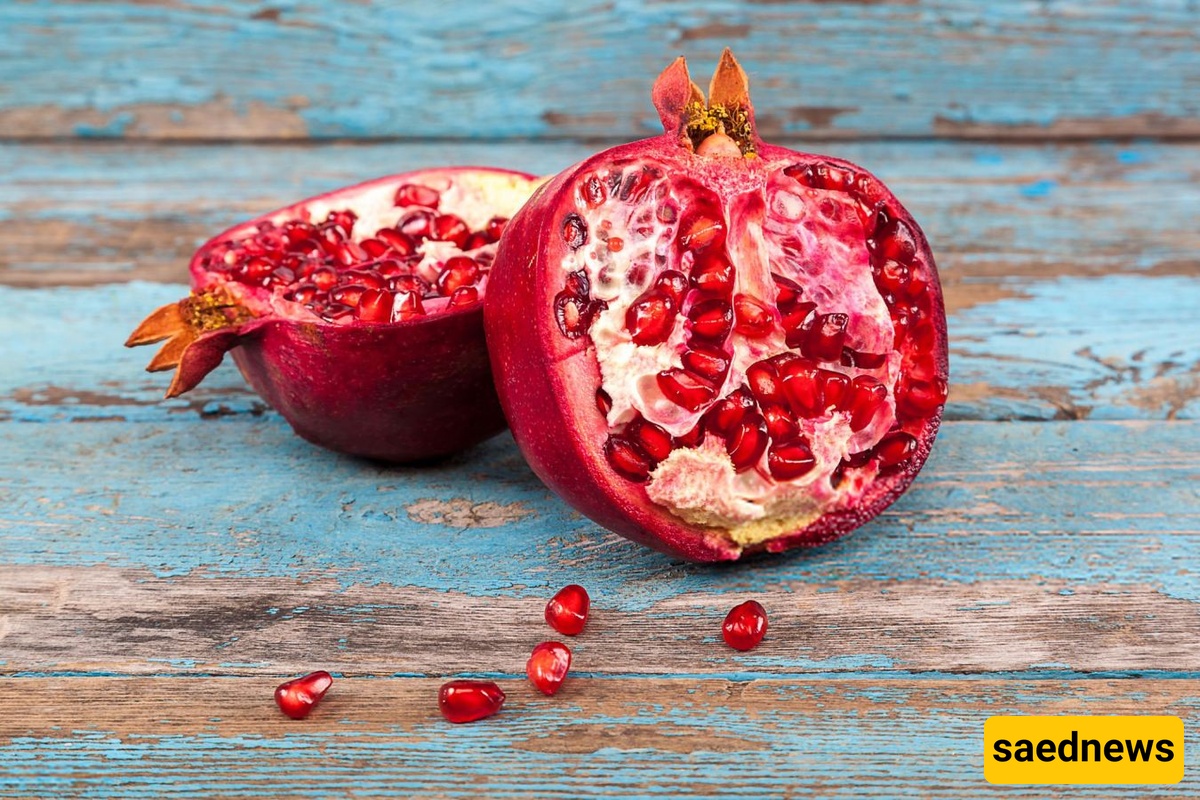
According to Saednews, Pomegranates are among the most popular fruits of autumn and winter. Known for their vibrant color, delicious taste, and rich antioxidant content, they are a valuable addition to a healthy diet. However, although natural foods are generally considered safe, even nutritious fruits may cause problems for people with certain medical conditions or those taking specific medications. Understanding who should avoid pomegranates requires careful consideration of individual health needs.
For most people, eating pomegranates in moderation is safe and can be part of a balanced diet. However, people with a genuine pomegranate allergy should avoid them completely. For others, the appropriate approach may involve limiting intake, taking precautions, or consulting a healthcare professional.
Pomegranates contain beneficial compounds, including polyphenols, anthocyanins, tannins, potassium, fiber, and natural sugars. Under certain circumstances, these components may cause unwanted effects.
For example, the natural acidity of pomegranates may aggravate symptoms in people with acid reflux or stomach ulcers. The sugar content of pomegranate juice is important for people with diabetes, while its potassium content may need to be considered by individuals with kidney disease.
Some evidence also suggests that pomegranate juice or extract may interact with liver enzymes involved in drug metabolism, particularly CYP3A4. Such interactions could potentially affect the blood levels of certain medications. Although these interactions are generally considered less established than those associated with grapefruit, they should not be entirely dismissed. People taking medications that require careful monitoring should consult their doctor or pharmacist before consuming large amounts of pomegranate or using pomegranate supplements.

A genuine allergy to pomegranate is the clearest reason to avoid this fruit completely.
Symptoms may include itching, skin redness, swelling of the lips or face, sneezing, a runny nose, and difficulty breathing. In severe cases, an allergic reaction can lead to anaphylactic shock.
Anyone who has experienced an allergic reaction after eating pomegranate should avoid the fruit, its juice, and products containing pomegranate extract until evaluated by a healthcare professional. Severe breathing difficulties or swelling of the throat require immediate emergency medical attention.
People taking medications such as warfarin, apixaban, rivaroxaban, dabigatran, aspirin, or clopidogrel should exercise caution with large quantities of pomegranate juice or concentrated pomegranate supplements.
Some studies suggest that pomegranate may affect blood clotting or interact with the metabolism of certain medications, potentially increasing the risk of bleeding. However, the clinical significance of these interactions is not well established.
Eating a normal serving of pomegranate seeds is not generally known to cause problems for most people taking these medications. Nevertheless, regular consumption of concentrated juice or supplements should be discussed with a doctor or pharmacist.
Pomegranate may help lower blood pressure, which can be beneficial for many people. However, individuals who already have low blood pressure or take blood pressure-lowering medications should be cautious about consuming large amounts of pomegranate juice.
Excessive intake could potentially contribute to dizziness, weakness, blurred vision, or further drops in blood pressure, particularly in susceptible individuals.
People prone to low blood pressure should monitor their symptoms and discuss regular consumption with their healthcare provider. If dizziness or other symptoms develop, they should stop consuming the juice and seek medical advice.
Pomegranate may potentially interact with certain cardiovascular medications, although evidence for clinically significant interactions remains limited.
People taking medications such as nifedipine, amlodipine, or verapamil should consult their doctor or pharmacist before regularly consuming large quantities of pomegranate juice, particularly if they are taking multiple medications or have been advised to avoid certain food-drug interactions.
This does not mean that pomegranate is universally prohibited for people with heart conditions. Rather, the potential for interactions should be assessed according to the specific medication and the individual's health status.
Organ transplant recipients and other individuals taking immunosuppressant medications, such as cyclosporine or tacrolimus, should be particularly cautious about concentrated pomegranate juice and pomegranate extracts.
These medications often require precise blood concentrations to remain effective and minimize adverse effects. Although evidence of clinically significant interactions with pomegranate is limited, any potential effect on drug metabolism warrants caution.
People taking these medications should consult their transplant team or prescribing physician before using pomegranate supplements or consuming large quantities of concentrated juice. They should not change their medication doses on their own.
Some people taking cholesterol-lowering medications, including simvastatin or atorvastatin, may be concerned about potential interactions with pomegranate.
Unlike grapefruit, pomegranate is not an established cause of clinically significant interactions with statins, and the available evidence is limited. However, people who regularly drink large amounts of pomegranate juice or use concentrated extracts should discuss their consumption with a doctor or pharmacist, especially if they take medications with known food interactions.
Pomegranate is a nutritious fruit, but pomegranate juice can contain substantial amounts of naturally occurring sugar. Commercial products may also contain added sugar, making blood glucose management more difficult.
People with diabetes can often include whole pomegranate seeds in their diet in appropriate portions, depending on their individual nutritional needs and blood glucose targets.
Whole fruit is generally preferable to juice because its fiber can help slow sugar absorption and promote fullness. Unsweetened juice may still raise blood glucose levels, particularly when consumed in large quantities or on an empty stomach.
Pomegranate is not automatically forbidden for people with diabetes, but portion size, product type, and overall carbohydrate intake should be considered.
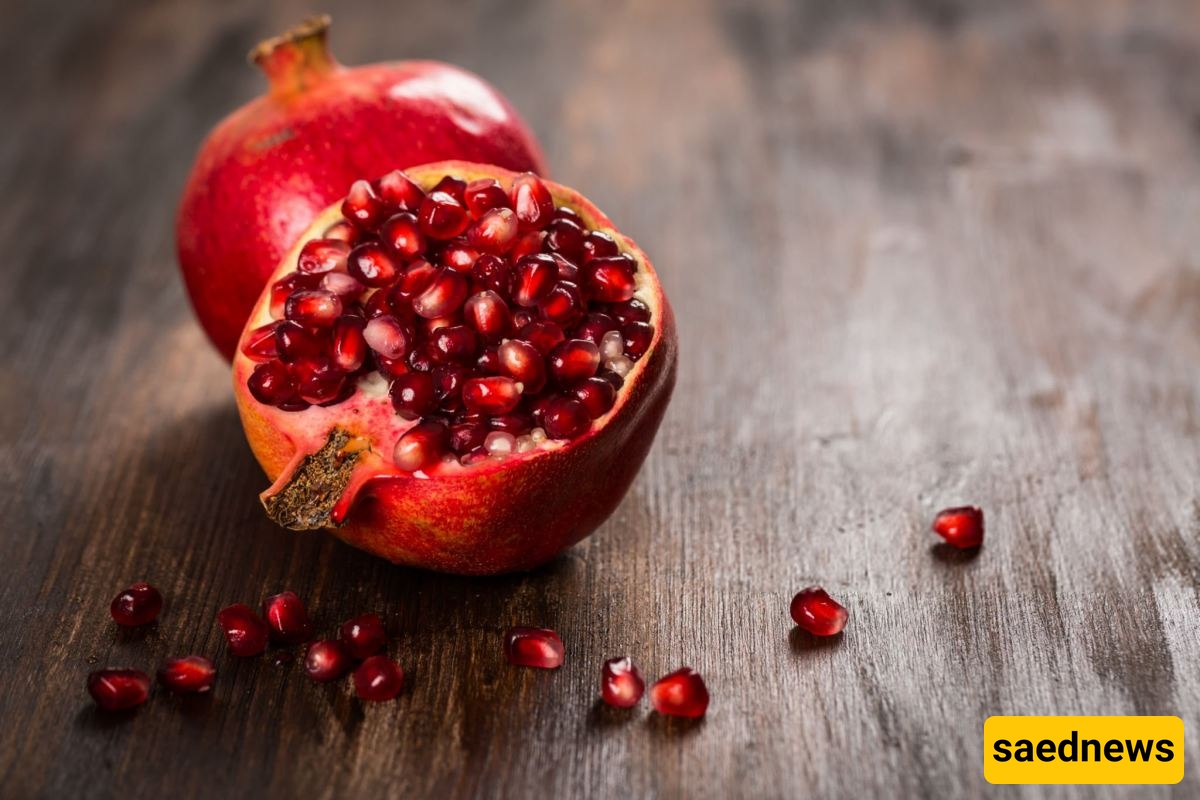
Because pomegranates are acidic, they may worsen heartburn, acid regurgitation, or stomach discomfort in some people.
Individuals with gastroesophageal reflux disease (GERD), gastritis, or stomach ulcers may find it more comfortable to eat small amounts of pomegranate with a meal rather than consume concentrated juice on an empty stomach.
Tolerance varies from person to person. If pomegranate consistently aggravates symptoms, reducing or avoiding it may be appropriate.
Pomegranate seeds contain fiber, which supports digestive health for most people. However, consuming large quantities may cause bloating, abdominal discomfort, or changes in bowel habits in some individuals.
People with irritable bowel syndrome (IBS), particularly those who are sensitive to certain fermentable carbohydrates, may experience symptoms after eating pomegranate. Those experiencing active diarrhea may also find that large servings of fiber worsen their discomfort.
In these circumstances, small portions and careful monitoring of individual tolerance may help.
Pomegranates contain potassium, a mineral that many people need for normal muscle and nerve function. However, people with advanced kidney disease may have difficulty removing excess potassium from their blood.
Individuals with advanced kidney failure, particularly those receiving dialysis or following a potassium-restricted diet, may need to limit their intake of pomegranate and pomegranate juice.
The appropriate amount depends on kidney function, blood potassium levels, treatment, and the overall diet. These individuals should follow the advice of their kidney specialist or renal dietitian rather than automatically eliminating all potassium-containing fruits.
For most healthy people, pomegranates are a nutritious fruit that can be enjoyed in moderation. People with a confirmed pomegranate allergy should avoid it completely, while those taking certain medications or living with diabetes, low blood pressure, digestive disorders, or advanced kidney disease may need to adjust their intake.
The key is to distinguish between a genuine contraindication and a situation that simply requires caution. Whole pomegranate seeds, unsweetened juice, and concentrated supplements are not nutritionally equivalent, and their effects may differ.
If you have a chronic medical condition or take prescription medication, consult your healthcare professional before making significant changes to your pomegranate consumption.