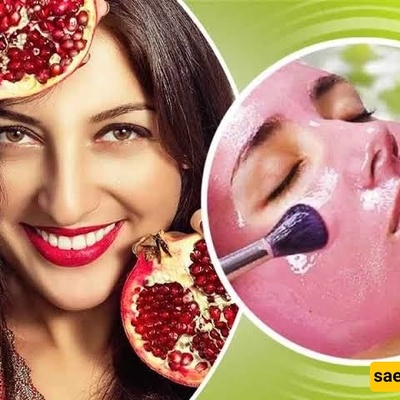
SAEDNEWS: Pomegranate mask is a popular natural skincare remedy. This guide explores its benefits and potential side effects in detail.

According to Saednews, Pomegranate is a popular fruit known for its impressive nutritional value and its long-standing place in Iranian food and traditional medicine. Today, beyond its use as a food, pomegranate juice and extract are also used in skincare products.
Pomegranate face masks have attracted attention among skincare enthusiasts because they contain antioxidant compounds, vitamins, and minerals. However, like any natural skincare ingredient, pomegranate masks may benefit some people while causing problems for others.
This article explores the benefits and potential side effects of pomegranate face masks, how to prepare them, safety precautions, and situations in which their use should be avoided. The goal is to provide a realistic overview of this natural skincare option without exaggerated claims or overlooking potential skin risks.
If you are considering using a pomegranate face mask, this guide will help you make a more informed decision.
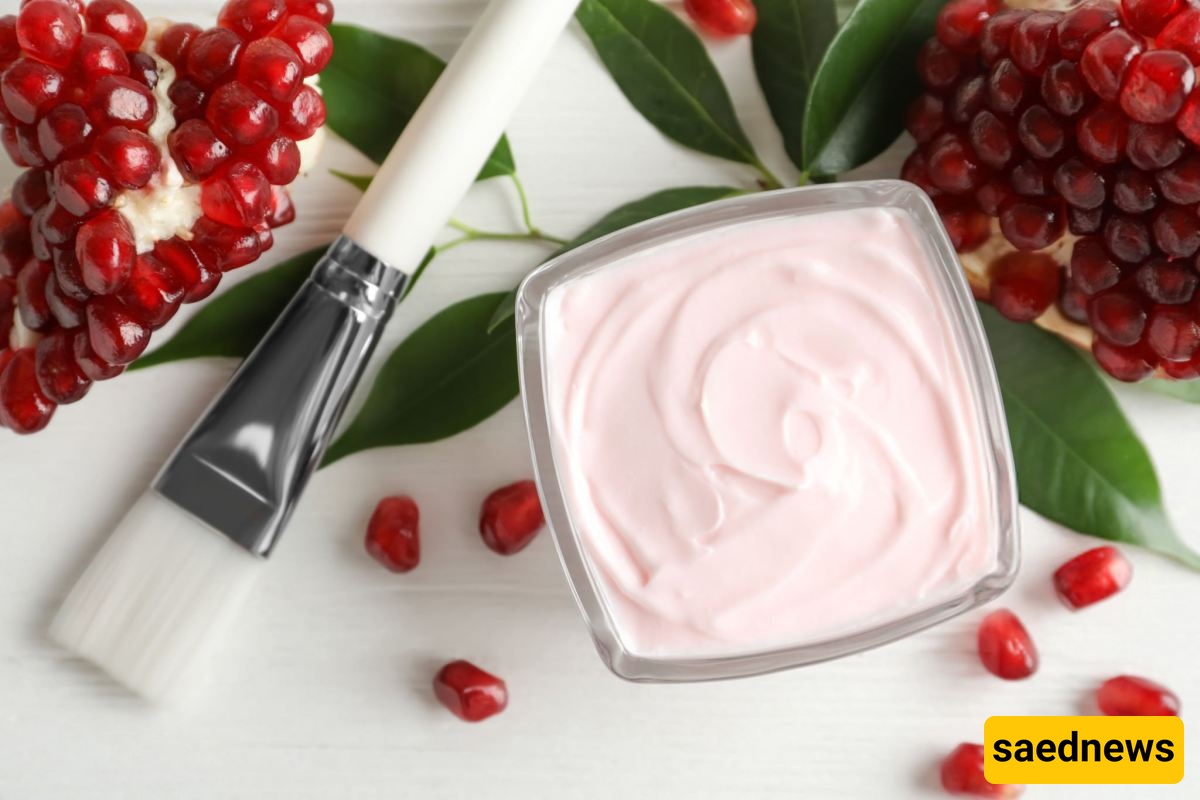
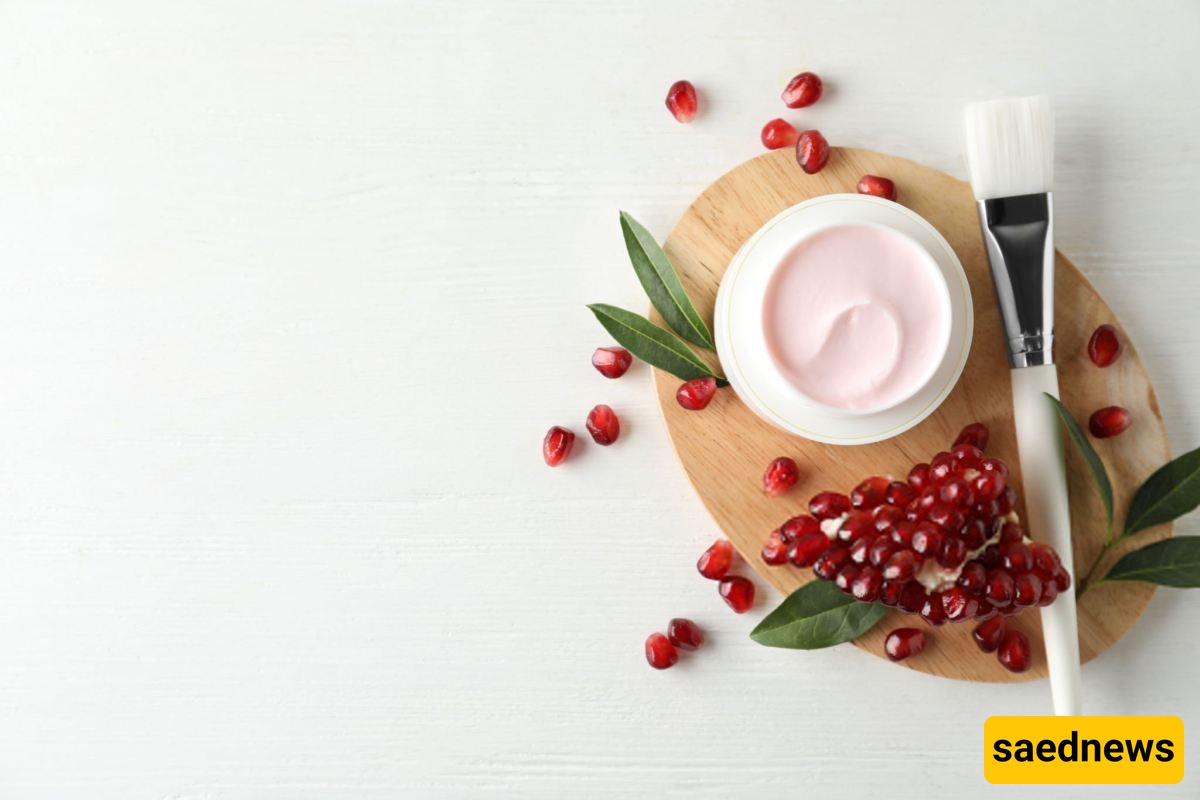
A pomegranate face mask is usually made with fresh pomegranate juice, pomegranate extract, or pomegranate seed powder. It may also be combined with ingredients such as honey, yogurt, aloe vera, or clay.
Its popularity is largely due to pomegranate's rich nutritional composition.
Pomegranate contains vitamin C, polyphenols, anthocyanins, ellagic acid, and punicalagins. Laboratory research and some skin-related studies have demonstrated antioxidant and anti-inflammatory properties associated with these compounds.
However, the effectiveness of a pomegranate face mask depends on several factors, including the concentration of active ingredients, freshness of the ingredients, skin type, and duration of application.
It is also important to remember that homemade face masks are not a substitute for medical skin treatments.
The benefits of pomegranate masks are mainly associated with everyday skincare and maintaining the skin's healthy appearance rather than providing a definitive treatment for skin conditions.
One of the most notable benefits of pomegranate face masks is their antioxidant content.
Free radicals caused by air pollution, sun exposure, and stress can damage skin collagen. Pomegranates are rich in polyphenols, which have demonstrated strong antioxidant activity in laboratory studies.
When suitable for your skin type, regular use of a pomegranate face mask may help reduce oxidative stress and support a healthier-looking complexion.
However, you should not expect a pomegranate mask to eliminate deep wrinkles on its own.
It is best considered a complementary skincare treatment that may be beneficial alongside sunscreen, a balanced diet, and appropriate skincare products.
Vitamin C and polyphenolic compounds found in pomegranates are commonly used in skin-brightening products.
Some people report that using pomegranate face masks temporarily makes their skin look brighter and more even-toned.
However, these effects are generally mild and gradual. They should not be compared with professional treatments for pigmentation, such as laser procedures or medically formulated skincare products.
For a gentler application, you can combine pomegranate juice with mild ingredients such as honey. Avoid using highly concentrated amounts, especially if you have sensitive skin.
Applying pure, concentrated pomegranate juice to sensitive skin may cause irritation.
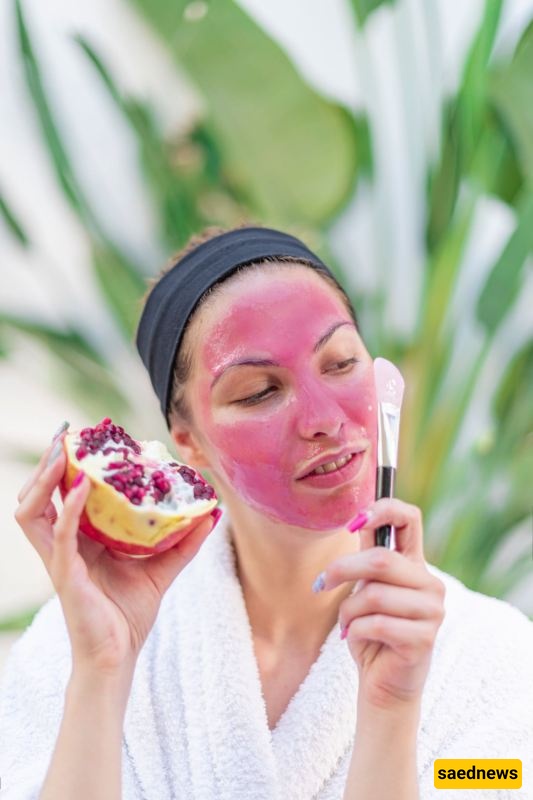
Pomegranate juice alone does not have strong moisturizing properties. However, when combined with honey, yogurt, or aloe vera, it may help soften the skin and provide temporary surface hydration.
A pomegranate face mask for dry skin is often prepared by adding one teaspoon of honey or plain yogurt.
This combination may help reduce the feeling of tightness and improve the skin's overall texture.
After washing off the mask, remember to apply a suitable moisturizer. Natural face masks cannot replace moisturizing creams, and their effects are generally temporary.
Pomegranate has mild astringent properties, which is why some people use it in skincare routines for oily skin.
Combining pomegranate juice with clay may help absorb excess oil from the skin's surface.
Additionally, the potential anti-inflammatory properties of pomegranate compounds may help reduce mild redness and inflammation.
However, homemade masks should not be expected to cure acne.
If you have severe, inflammatory, or cystic acne, consulting a dermatologist is the best approach. Applying a pomegranate mask to open acne lesions or wounds may make the condition worse.
The combination of vitamins, minerals, and antioxidants in pomegranates may help support the skin's healthy appearance.
Many people notice that their skin feels softer and looks brighter after using a pomegranate face mask.
This effect may be related to mild exfoliation, surface hydration, and the soothing properties of the other mask ingredients.
Nevertheless, healthy-looking skin depends on more than a single skincare product. Getting enough sleep, drinking adequate water, eating a balanced diet, and protecting your skin from sunlight are much more important long-term habits.
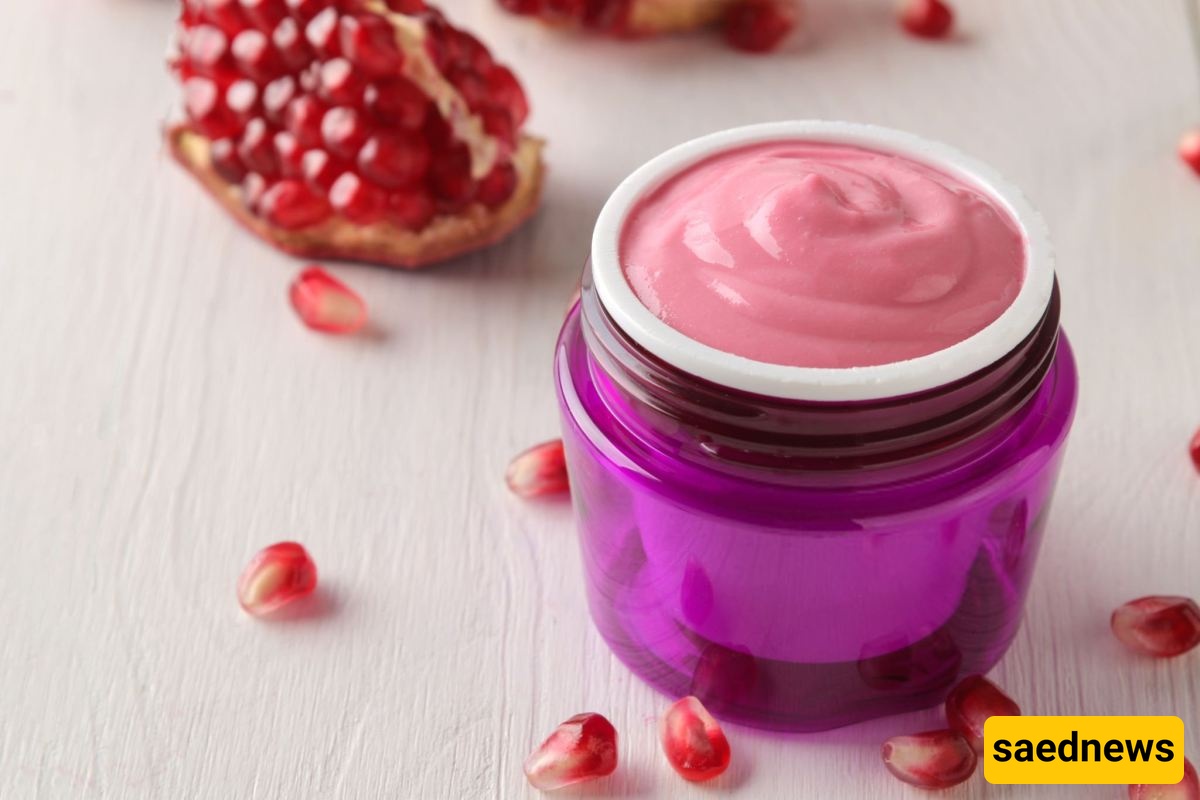
Although pomegranate face masks offer potential skincare benefits, they are not suitable for everyone.
Any natural ingredient can trigger an allergic reaction in certain individuals.
Potential side effects of pomegranate face masks include:
Skin redness
Itching
Burning or stinging
Swelling
Small bumps or rashes
People who are allergic to pomegranates should avoid using pomegranate-based face masks.
Those with sensitive or allergy-prone skin should perform a patch test before applying the mask to their face.
To perform a patch test, apply a small amount of the prepared mask to the inner forearm and wait 24 hours.
If redness, itching, or burning develops, do not use the mask on your face.
Pomegranate juice is naturally acidic.
Applying concentrated pomegranate juice or leaving it on the skin for too long may cause irritation, burning, and dryness.
This is particularly important for people with sensitive or dry skin and those currently using chemical exfoliants.
Do not apply pomegranate masks to damaged skin, open wounds, or areas that have recently undergone laser treatment or chemical peeling.
To minimize irritation:
Dilute pomegranate juice with gentle ingredients.
Do not leave the mask on for more than 10–15 minutes.
Wash it off immediately if you experience significant burning or discomfort.
Frequent use of acidic or astringent face masks may disrupt the skin's protective barrier.
This can lead to dryness, increased sensitivity, and greater vulnerability to environmental irritation.
For this reason, pomegranate face masks should generally be used no more than once or twice a week.
Always apply an appropriate moisturizer after each use.
Homemade skincare products can become contaminated with bacteria if they are prepared in unclean containers, handled with unwashed hands, or made using unsuitable ingredients.
Using a pomegranate mask that has been left unrefrigerated for several hours is not recommended.
Always:
Use fresh ingredients.
Wash your hands before preparation.
Use a clean container.
Prepare a fresh batch for each application.
Avoid storing leftover homemade masks.
If you are using retinoids, exfoliating acids, benzoyl peroxide, or prescription skincare medications, consult your dermatologist before introducing a pomegranate face mask into your routine.
Combining acidic ingredients with certain skincare treatments may increase irritation.
Also, if your skin is already red or inflamed after introducing a new skincare product, postpone using natural face masks until your skin has recovered.
One indirect risk of pomegranate face masks is that some people may use them as a replacement for professional dermatological treatment.
Pomegranate masks cannot cure severe acne, rosacea, eczema, or deep pigmentation.
Delaying a visit to a dermatologist may make certain skin conditions more difficult to manage.
Therefore, consider pomegranate face masks a complementary skincare option rather than a medical treatment.
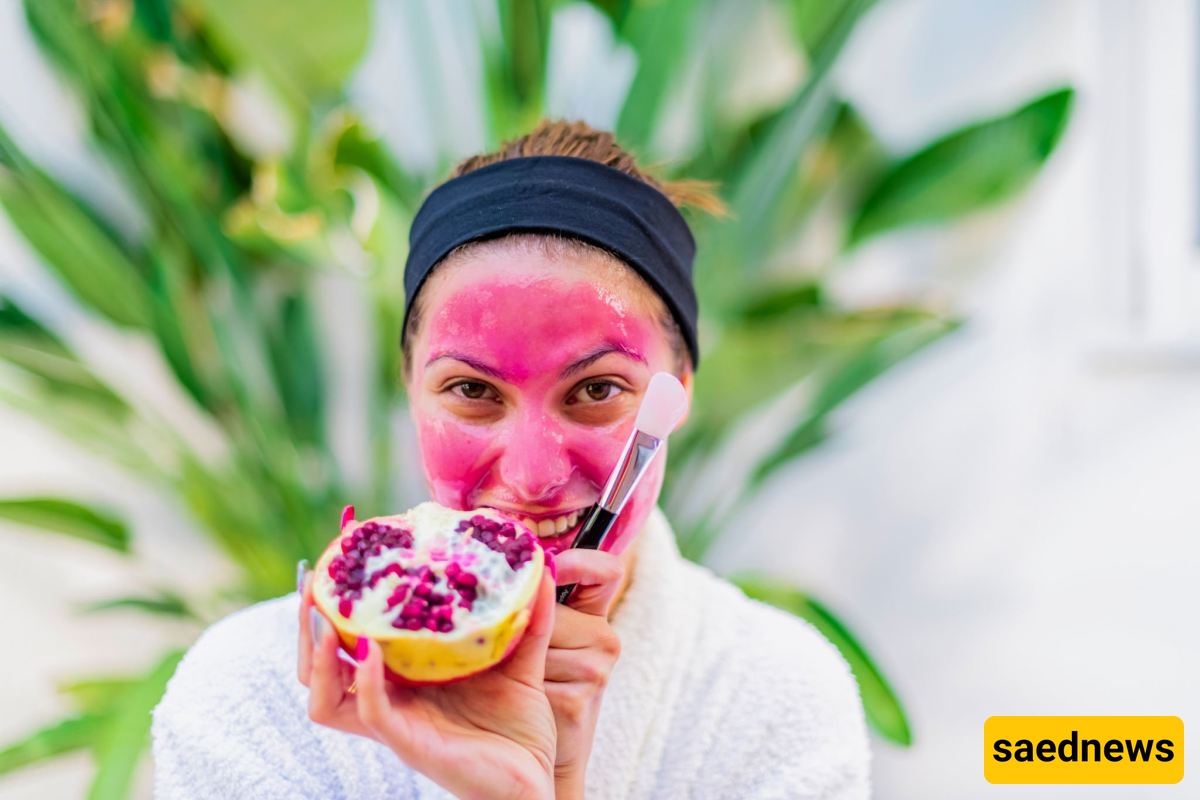
Preparing a simple pomegranate face mask is easy and requires only a few ingredients.
Ingredients:
2 tablespoons of fresh pomegranate juice
1 teaspoon of honey
Instructions:
Pour the fresh pomegranate juice into a clean bowl.
Add the honey.
Mix thoroughly until the ingredients are combined.
Apply a thin layer to clean skin, avoiding the eye and lip areas.
Leave it on for 10–15 minutes.
Rinse gently with lukewarm water.
For oily skin, you can add one teaspoon of clay to the basic pomegranate mask.
Clay may help absorb excess oil from the skin's surface.
For dry skin, add one teaspoon of plain yogurt or aloe vera gel.
These ingredients may help soften the skin and provide temporary hydration.
Follow these steps to reduce the risk of irritation:
Wash your hands and face before application.
Perform a patch test before using the mask for the first time.
Apply a thin, even layer.
Avoid the sensitive areas around your eyes and lips.
Leave the mask on for no longer than 10–15 minutes.
Rinse thoroughly with lukewarm water.
Apply a suitable moisturizer afterward.
Avoid direct sun exposure when possible and use sunscreen during the day.
Recommended frequency: Once or twice a week, provided your skin tolerates the ingredients without irritation.
Pomegranate face masks can be an interesting addition to a skincare routine because of their antioxidant-rich ingredients and potential benefits for skin softness and appearance.
However, their effects are generally mild, and scientific evidence supporting the benefits of homemade pomegranate masks remains limited.
The most important consideration is choosing ingredients that suit your skin type, performing a patch test, and avoiding excessive use.
When used carefully, a pomegranate face mask may complement your regular skincare routine. However, it should never replace sunscreen, a good moisturizer, or professional treatment when dealing with persistent skin concerns.