SAEDNEWS: Yalda, or Chella, gathers families around fruit, poetry, stories, and the symbolic return of light after the winter solstice. The year’s longest night becomes not something to endure, but a reason to stay awake together.
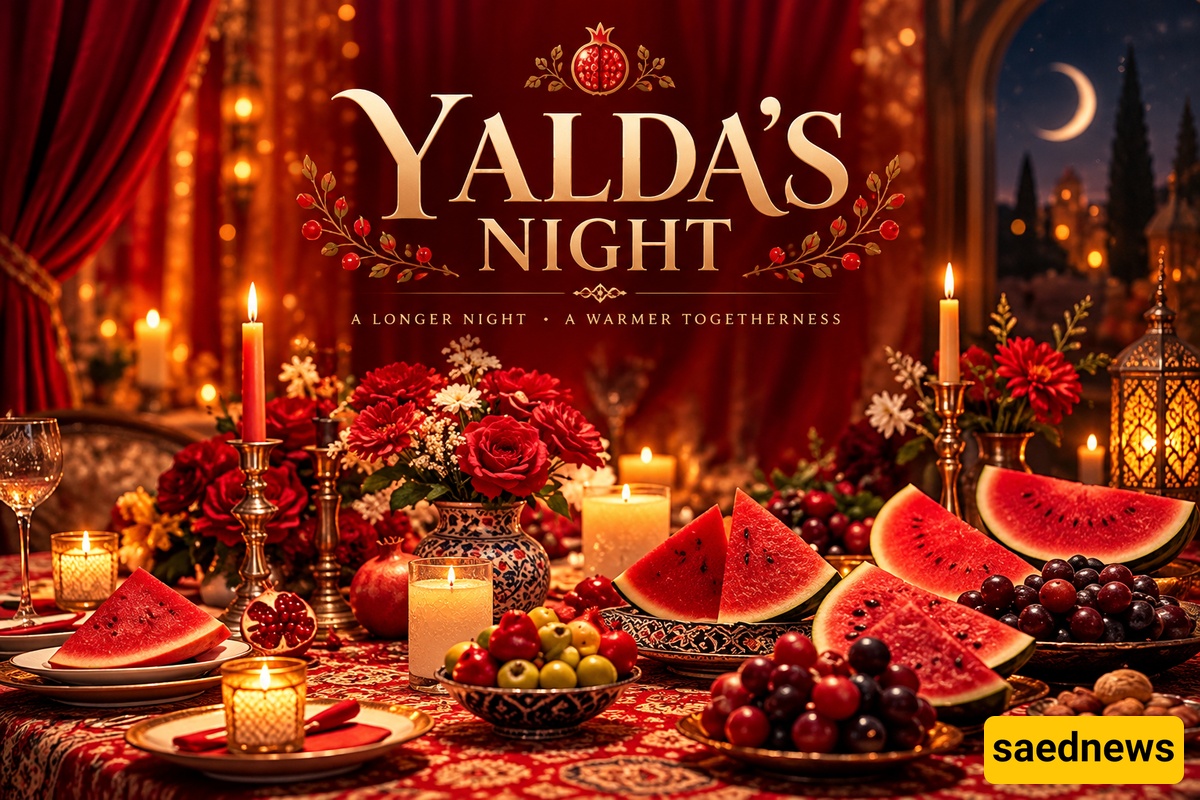
According to SAEDNEWS, On the longest night of the year in the Northern Hemisphere, Iranian families often answer darkness with company. Yalda Night, also known as Chella, is associated with the winter solstice and with the hope that follows it: after the longest stretch of darkness, the days begin to lengthen again.
UNESCO describes Yalda/Chella as a celebration connected with the sun and the warmth of life, practiced in Iran and Afghanistan on the final night of autumn. In 2022, the tradition was inscribed on the Representative List of the Intangible Cultural Heritage of Humanity.
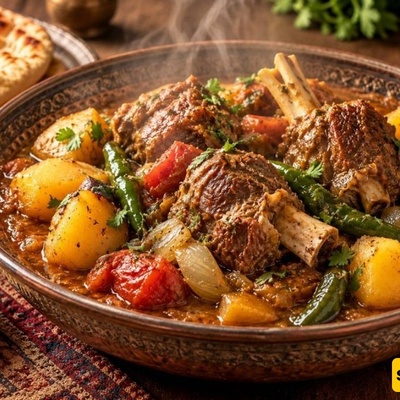
The visual language of Yalda is immediately recognizable. Pomegranates are split open to reveal deep red seeds. Watermelon appears on many tables despite belonging to summer, preserved or saved as a reminder of warmth. Nuts, dried fruits, sweets, and seasonal foods are shared through the evening. The red color of pomegranate and watermelon is often associated with sunrise, vitality, and the return of light.
Yet Yalda is not defined by a rigid menu. What appears on the table depends on region, household, availability, and family habit. Some families prepare elaborate spreads; others gather with only a few fruits, tea, and sweets. The essential element is the gathering itself.
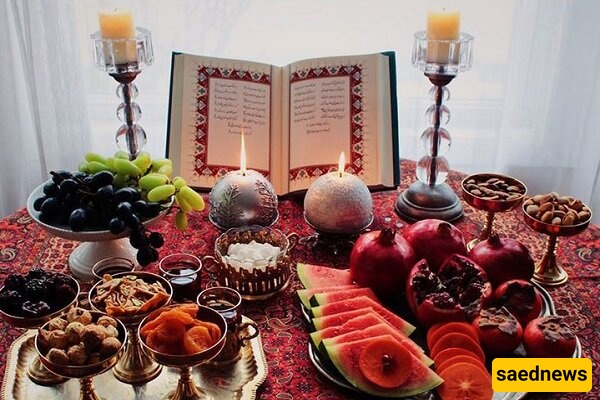
Poetry gives the night another dimension. Many households open the Divan of Hafez, often choosing a verse for reflection or playful fortune-telling. A family member may read aloud while others interpret the poem in relation to a question, hope, or uncertainty. The practice turns literature into a social event rather than something confined to a classroom or bookshelf.
Storytelling also matters. Older relatives may recount family memories, legends, jokes, or local stories. Children stay awake later than usual. Conversations stretch because nobody is in a hurry to end the night. In that sense, Yalda functions as a form of cultural transmission: language, humor, poetry, food traditions, and family memory pass between generations in an atmosphere of attention.
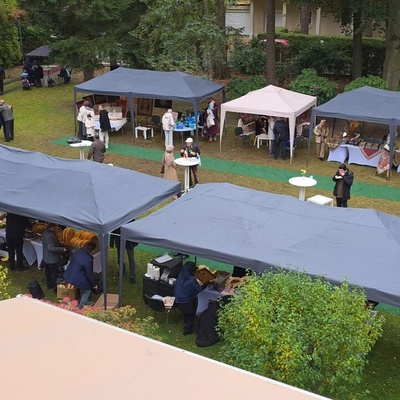
The festival has also adapted to modern life. Families separated by distance may connect by video. Urban celebrations may look different from rural ones. Restaurants and public events can commercialize the imagery, but the emotional core survives wherever people gather intentionally and make the night feel shared.
What makes Yalda powerful is the reversal at its center. The darkest night is not treated as empty or threatening time. It becomes the night people fill most deliberately—with color, fruit, poetry, memory, and presence.