SAEDNEWS: Sharjah, one of the UAE’s most popular tourist destinations, has become a major tourism hub in the Arabian Gulf, offering a diverse range of cultural, historical, and recreational attractions. This guide explores the city’s must-see landmarks and essential safety tips to help visitors enjoy a safe and memorable trip.
According to Saednews, Sharjah is one of the most popular tourist destinations in the United Arab Emirates (UAE), having gradually become a major tourism hub in the Persian Gulf region. Covering an area of more than 2,600 square kilometres, the city is located approximately 16 kilometres from the Persian Gulf coastline.
Sharjah offers a wide range of tourist attractions, making it an appealing destination for visitors from around the world. Its highlights include art museums, theatres, traditional markets, handicraft shops, and beautiful mosques. One of its notable cultural landmarks is the Sharjah National Museum, which hosts exhibitions showcasing the works of renowned artists.
Beyond its cultural attractions, Sharjah offers plenty of entertainment and outdoor activities. Popular experiences include the Eye of the Emirates, desert driving, Al Qasba's family entertainment area, Al Khan Lagoon, Al Khan Beach, boat tours, camel riding, scuba diving, fishing, the Arabian Wildlife Centre, and the Blue Souk.
Sharjah is not only a destination for sightseeing but also an excellent place for shopping. The city features numerous shopping centres and traditional markets where visitors can spend hours exploring local products, international brands, and souvenirs. Popular shopping destinations include Mega Mall, Al Fardan Centre, Al Taawun, and various City Centre shopping complexes.
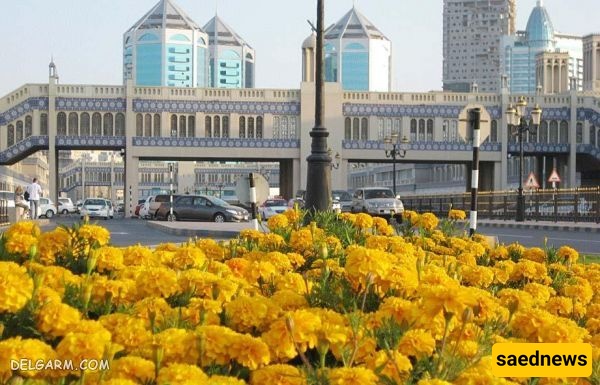
Sharjah has a desert climate similar to that of Dubai, characterised by extremely hot summers and warm winters. Rainfall is generally limited and occurs occasionally throughout the year.
Winter is considered the best season to visit Sharjah, as temperatures are more comfortable for sightseeing, outdoor activities, and exploring the city's attractions.
Sharjah is the third-largest city in the United Arab Emirates and is part of an emirate with coastlines along both the Persian Gulf and the Gulf of Oman. The city is also known for its relatively affordable cost of living, which attracts residents who choose to live in Sharjah while working in nearby Dubai.
Located approximately 15 kilometres from Dubai, Sharjah has increasingly developed alongside its neighbouring city. Its skyline now features numerous high-rise buildings and modern skyscrapers. However, urban development and transportation infrastructure have contributed to heavy traffic congestion, particularly during peak hours.
Sharjah International Airport is located approximately 15 kilometres outside the city centre. It serves as a major hub for Air Arabia, a low-cost airline offering affordable flights to numerous destinations.
Travellers can also reach Sharjah through Dubai International Airport and continue their journey by road.
Travellers from Iran can reach Sharjah by speedboat services operated by Valfajr Shipping Company, with routes departing from Bandar Lengeh and Bandar Abbas.
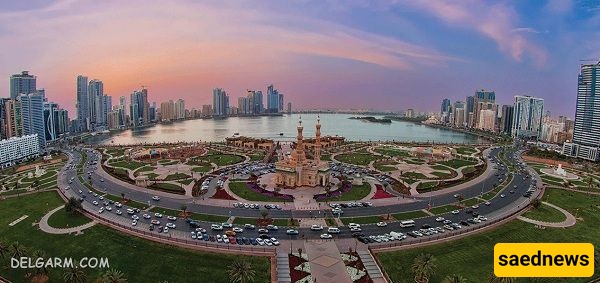
The Sharjah Art Museum, one of the largest art museums in the UAE, opened in 1997. It features both permanent collections and temporary exhibitions, showcasing an impressive range of artistic works.
The three-storey museum contains 72 galleries, with a particular focus on Arab art and paintings depicting the Arab world. Many of its collections feature works by 18th-century European artists who travelled to the Middle East and became fascinated by the region's landscapes, architecture, and culture.
The Darwish Gallery displays numerous watercolour paintings of Sharjah, while the contemporary art section houses more than 300 works by Arab and international artists.
For art enthusiasts, this museum is one of the city's most worthwhile cultural attractions.
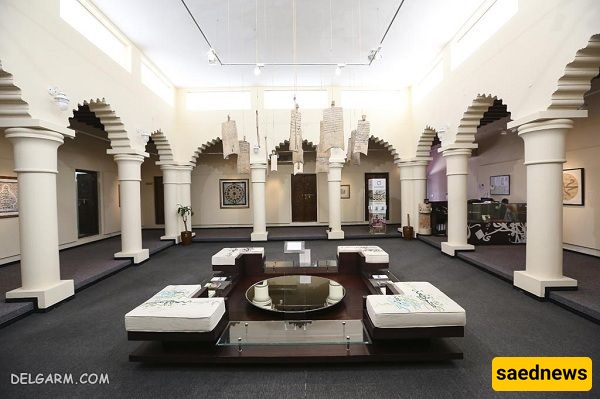
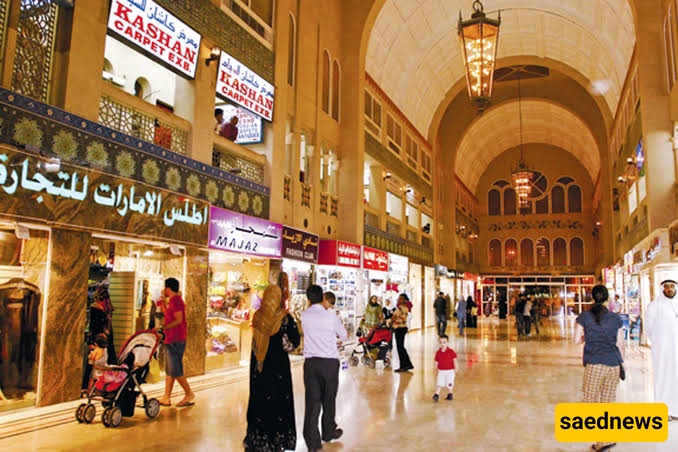
The Sharjah Central Market is among the city's most famous landmarks. Thanks to its distinctive blue exterior tiles, the market is widely known as the Blue Souk.
The building contains more than 600 shops selling a wide variety of products, including gold jewellery, perfumes, clothing, food, electronics, and souvenirs.
The upper floor offers an authentic traditional Arabian market atmosphere. Visitors can browse antique items, carpets, Omani and Yemeni jewellery, and a variety of traditional handicrafts and souvenirs.
After shopping, visitors can relax at one of the market's cafés and enjoy a cup of tea.
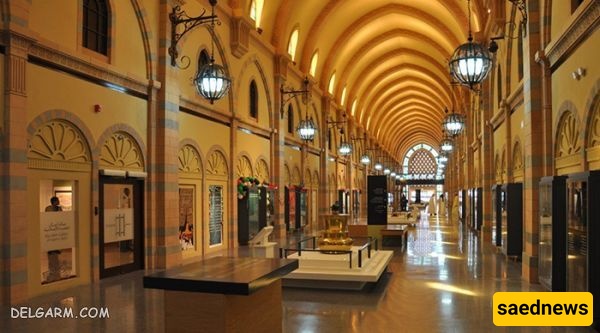
The Sharjah Museum of Islamic Civilization provides an excellent opportunity to explore the rich history and cultural heritage of the Islamic and Arab worlds.
Its collections include ancient scientific and religious manuscripts, Islamic artworks, and historical Arabic artefacts dating from the seventh to the nineteenth centuries.
Visitors can also admire exhibitions featuring clay objects, pottery, glassware, and traditional handicrafts decorated with silver, bronze, and gold.
The museum preserves historically significant objects from the Umayyad and Abbasid periods, including gold dinars and silver dirhams. These fascinating collections offer visitors a journey through centuries of Islamic history.
Located in Khalid Lagoon, Al Noor Island is a peaceful public park accessible via a pedestrian bridge near the city centre.
For visitors looking to escape the busy shopping areas and museums, this island offers a relaxing environment surrounded by nature and artistic installations.
The island combines contemporary art with landscaped gardens, creating a pleasant setting for families and visitors seeking tranquillity.
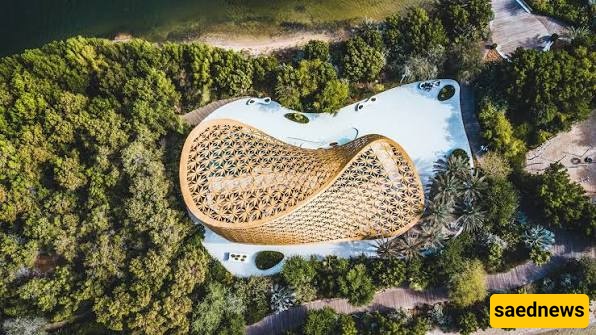
Its gardens feature imaginative sculptures created by internationally recognised artists. One of the island's main attractions is the Butterfly House, where visitors can discover approximately 500 species of colourful butterflies.
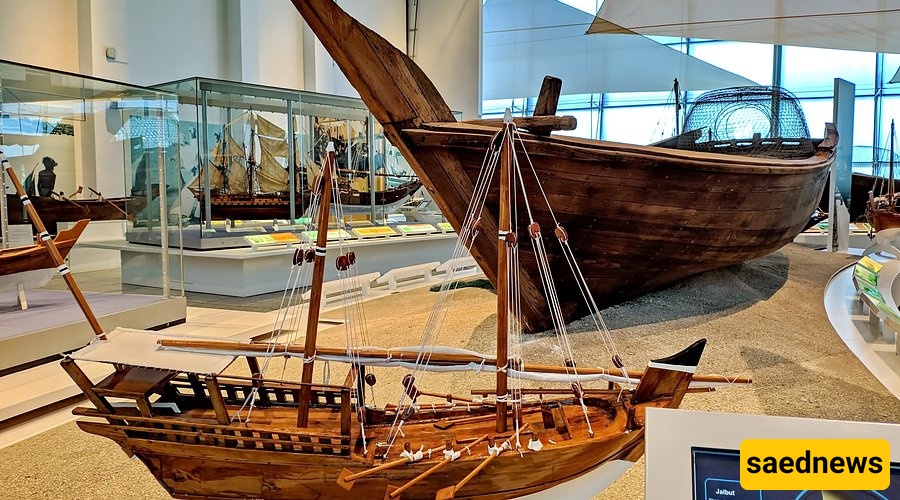
As a coastal city, Sharjah has a long-standing relationship with the sea. The Sharjah Maritime Museum highlights the important role maritime activities played in the city's economic and cultural development.
The museum features interesting exhibitions dedicated to traditional wooden boats and the region's maritime heritage.
Visitors can explore displays about pearl diving and fishing, two activities that once played a significant role in Sharjah's economy.
One of the highlights is the collection of beautiful natural pearls. Some of these exhibits are displayed aboard a traditional wooden boat moored outside the museum, including examples of some of the world's oldest pearls.
Sharjah's traditional market district is an excellent place to experience the lively atmosphere of an authentic Arabian marketplace.
The city's fish market attracts local residents every week, with shoppers purchasing fresh seafood for their households. Visitors can explore the market, observe local shopping traditions, and discover the wide variety of fish and seafood available.
The lively atmosphere, distinctive seafood aromas, and energetic conversations between vendors and customers create an authentic local experience.
After visiting the fish market, travellers can explore the nearby fruit and vegetable markets, where vendors enthusiastically advertise their products and customers negotiate prices.
These markets also provide excellent opportunities to photograph everyday life in Sharjah.
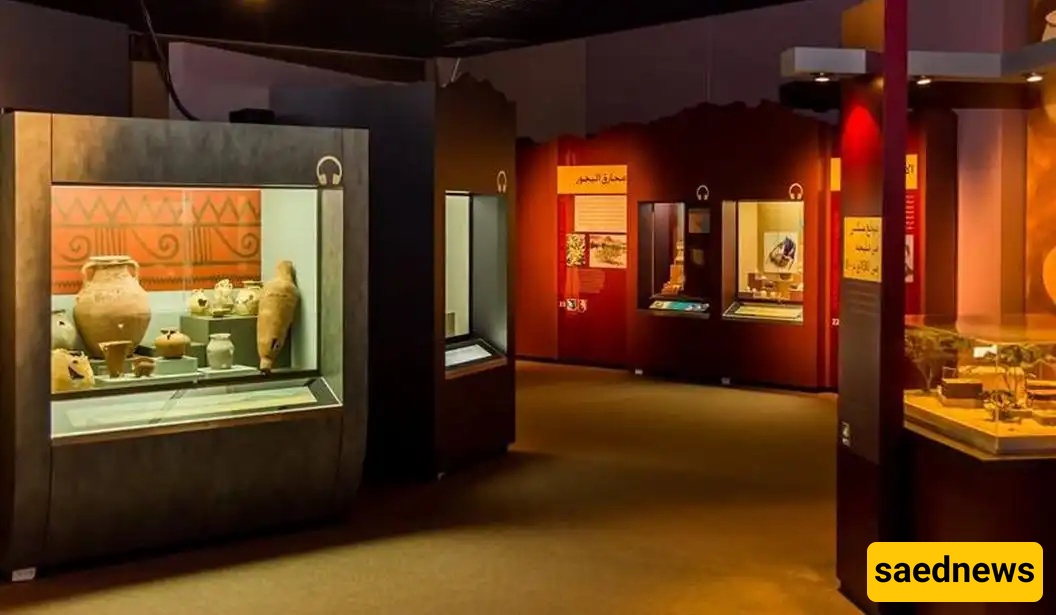
The Sharjah Archaeology Museum offers visitors an opportunity to discover the region's ancient history through artefacts from different historical periods.
The museum is divided into several sections.
Stone Age Section: Features collections of flint tools that illustrate the technologies and everyday practices of early human communities.
Bronze Age Section: Displays pottery, metal objects, stone artefacts, and jewellery, providing insights into the development of ancient societies.
Iron Age Section: Contains several significant archaeological discoveries, including a camel sculpture and a ceramic dome. Both were discovered at the Muweilah archaeological site.
The museum also displays decorative gemstones and pottery that demonstrate the historical trade connections between this region and areas of present-day Iraq.
Before travelling to Sharjah, visitors should familiarise themselves with local customs, regulations, and safety considerations.
Personal Safety: Sharjah is generally considered a safe destination. However, visitors should remain aware of their surroundings, and solo travellers should take sensible precautions.
Respect Local Customs: Sharjah has a conservative Islamic cultural environment. Visitors are expected to respect local traditions, religious practices, and cultural values.
Appropriate Clothing: Modest clothing is recommended, particularly for women visiting public spaces, traditional markets, and crowded areas.
Medication Regulations: Travellers should check UAE regulations before bringing medication into the country. Certain controlled medicines, including some codeine-containing painkillers, may require prior approval or special documentation. Carrying prohibited substances can result in serious legal consequences.
Political Discussions: Visitors should exercise discretion when discussing sensitive domestic political issues and avoid disrespectful comments about the country's leadership or ruling families.
Road Safety: Take extra care when crossing roads, as traffic can be fast-moving. Always use designated pedestrian crossings and follow traffic signals.
Sharjah offers a distinctive combination of cultural heritage, traditional Arabian markets, modern shopping centres, museums, and family-friendly attractions. Whether you are interested in art, history, nature, shopping, or outdoor adventures, the city provides a wide range of experiences.
With its proximity to Dubai, relatively affordable accommodation options, and rich cultural atmosphere, Sharjah is an excellent destination to include in any United Arab Emirates travel itinerary.
Remove unsupported factual embellishmentsClarify the safety guidanceTighten repetitive travel descriptions