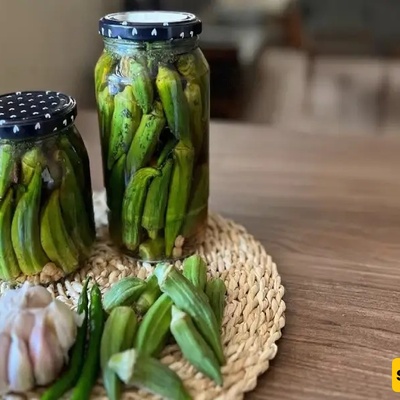
SAEDNEWS: Okra pickles are one of the most popular homemade pickles. In this article, you’ll learn about the ingredients, preparation steps, essential tips for keeping the okra crisp, and common mistakes to avoid when making homemade okra pickles.
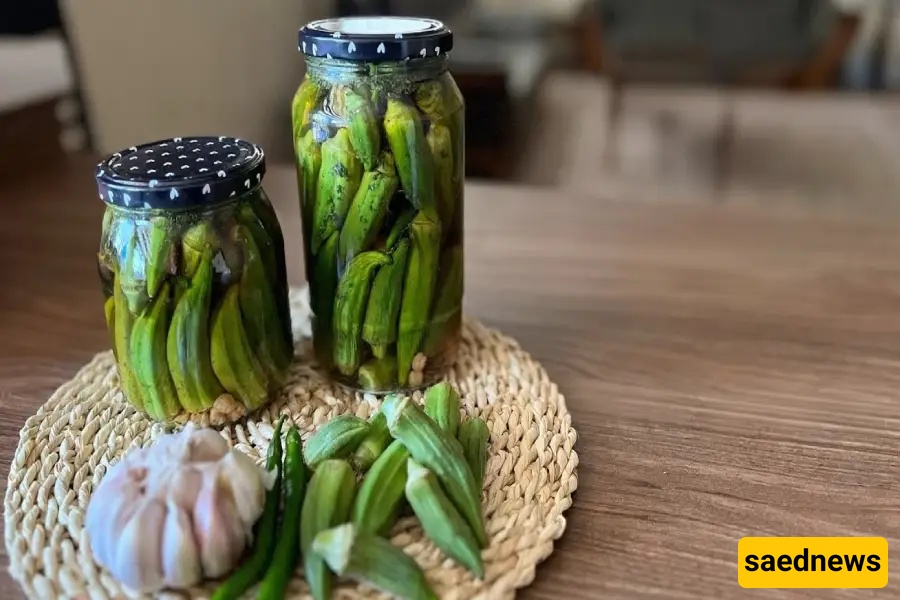
According to Saednews, Okra pickles are one of the most popular homemade pickles in Iran and have a special place on many Iranian dining tables, particularly during the colder months.
This flavorful pickle not only adds a distinctive and pleasant taste to meals, but also offers nutritional value thanks to the use of fresh okra, vinegar, and aromatic spices.
Many people assume that making okra pickles is difficult and time-consuming. In reality, by following a few simple guidelines, you can prepare crisp, flavorful, and long-lasting okra pickles at home that can rival—and even surpass—store-bought versions.
This guide explains how to make Persian-style okra pickles step by step, from choosing and preparing the okra to keeping it crisp and storing it properly.
Okra pickles are a type of preserved vegetable made by placing small, fresh okra pods in a mixture of vinegar, salt, and spices. Over time, the okra develops a pleasantly sour and mildly sweet flavor.
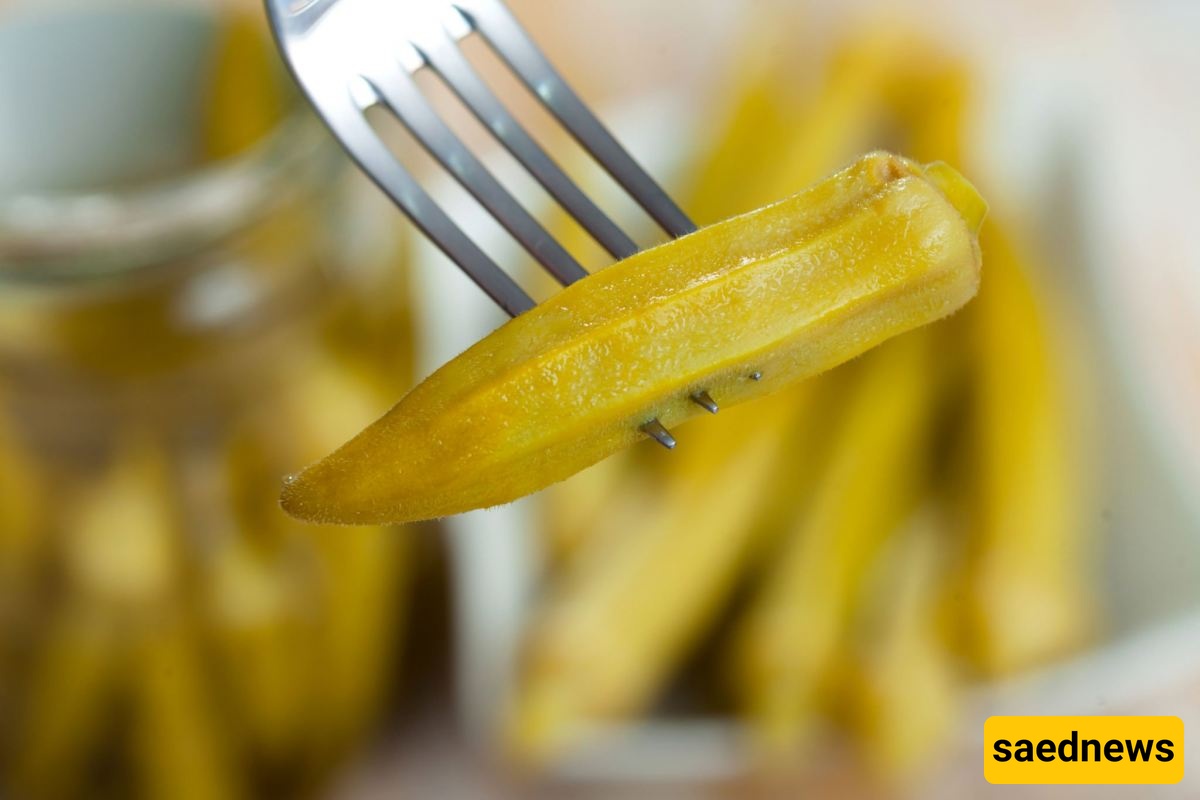
What makes okra pickles different from many other pickles is their distinctive texture. When prepared correctly, the pods remain crisp and enjoyable to eat while producing very little of their natural mucilage.
Some of the main reasons for their popularity include:
Distinctive flavor: The acidity of vinegar pairs beautifully with the mild flavor of okra.
Nutritional value: Okra contains fiber as well as vitamins A, C, and K and minerals such as magnesium and manganese.
Long shelf life: When prepared and stored properly, homemade pickles can last for months.
Budget-friendly: Making pickles at home is generally more economical than buying ready-made varieties.
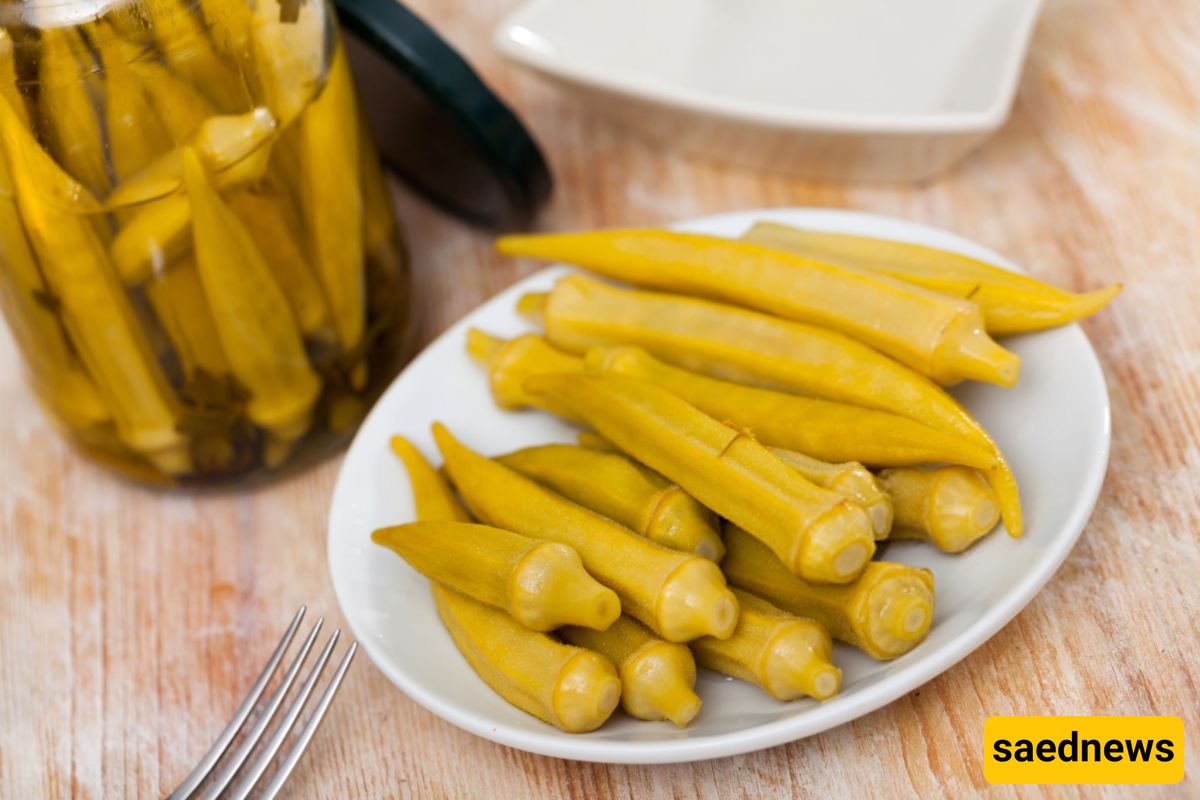
The following quantities are suitable for approximately one 1-liter jar:
500 g fresh, small okra
2–3 cups white vinegar or apple cider vinegar
1 cup water
1 tablespoon sea salt
5–6 garlic cloves, optional
3–4 green chili peppers or finger peppers
1 medium carrot, optional
1 teaspoon mustard seeds
Ground spices such as cumin, black pepper, turmeric, and cinnamon, to taste
Bay leaf or thyme, optional
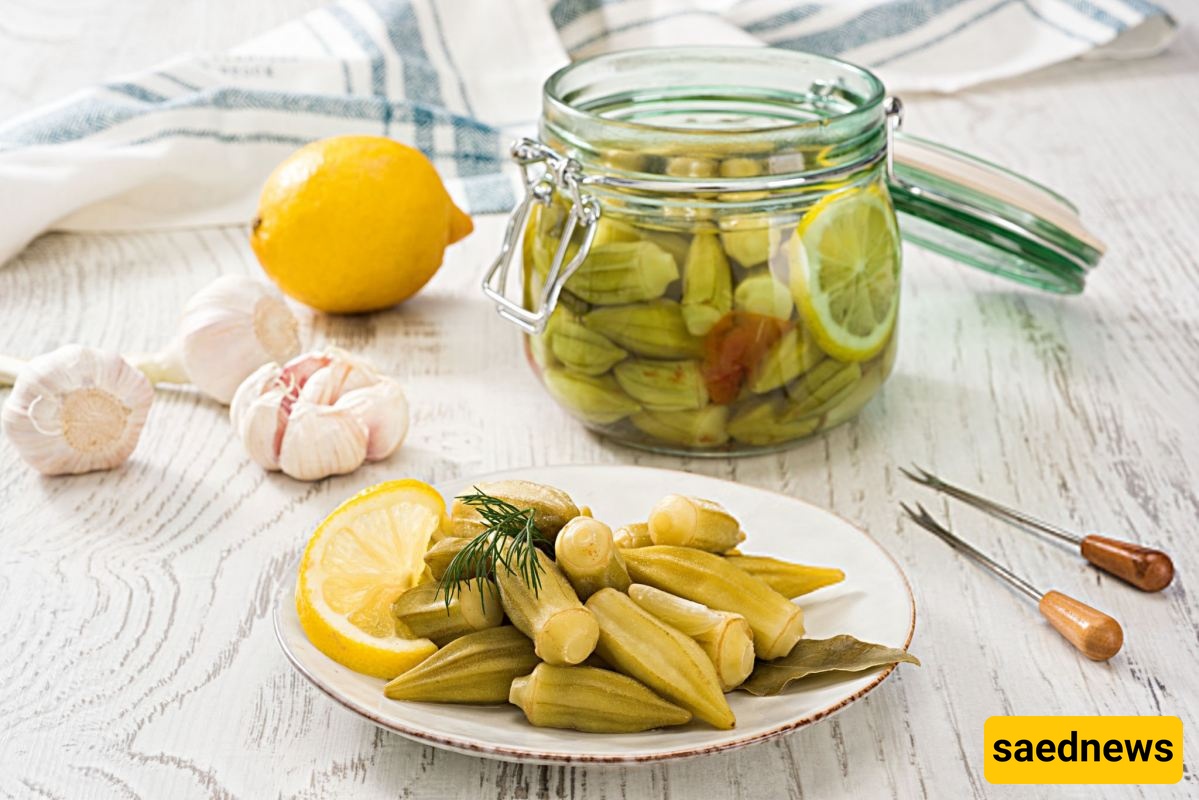
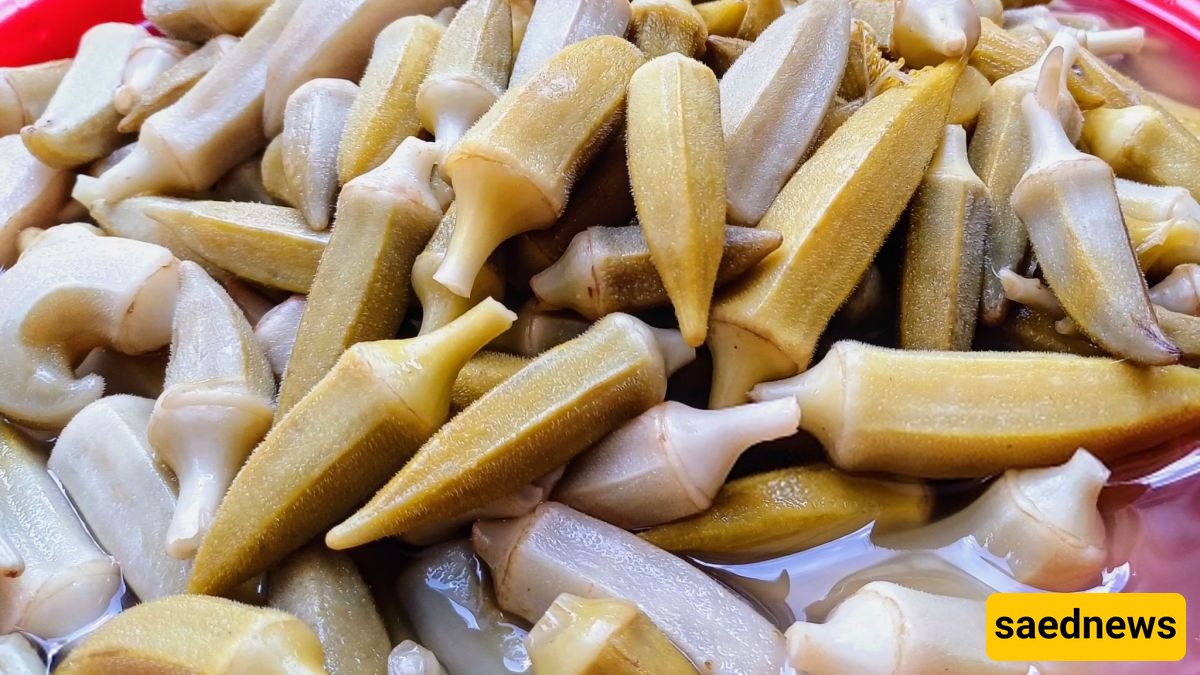
Choosing the right okra is one of the most important factors in making successful pickles. Select small, firm, bright-green pods without blemishes. Large, mature okra tends to be tougher and more mucilaginous and may not develop the desired texture.
Wash the okra carefully and gently trim the tops and ends. Avoid cutting into the main body of the pods, as damaged okra can absorb too much vinegar and release more mucilage.
Spread the okra on a clean cloth and allow it to dry completely.
Combine the vinegar, water, and salt in a saucepan and heat gently. Stir until the salt has completely dissolved, but do not allow the mixture to boil.
Once the salt has dissolved, remove the mixture from the heat and let it cool to room temperature.
Peel the garlic cloves and leave them whole or cut them in half. Wash the peppers and remove their stems.
If using carrots, slice them into thin rounds. Mix the selected spices together in a small bowl.
Prepare a clean, completely dry glass jar, preferably one that has been sterilized.
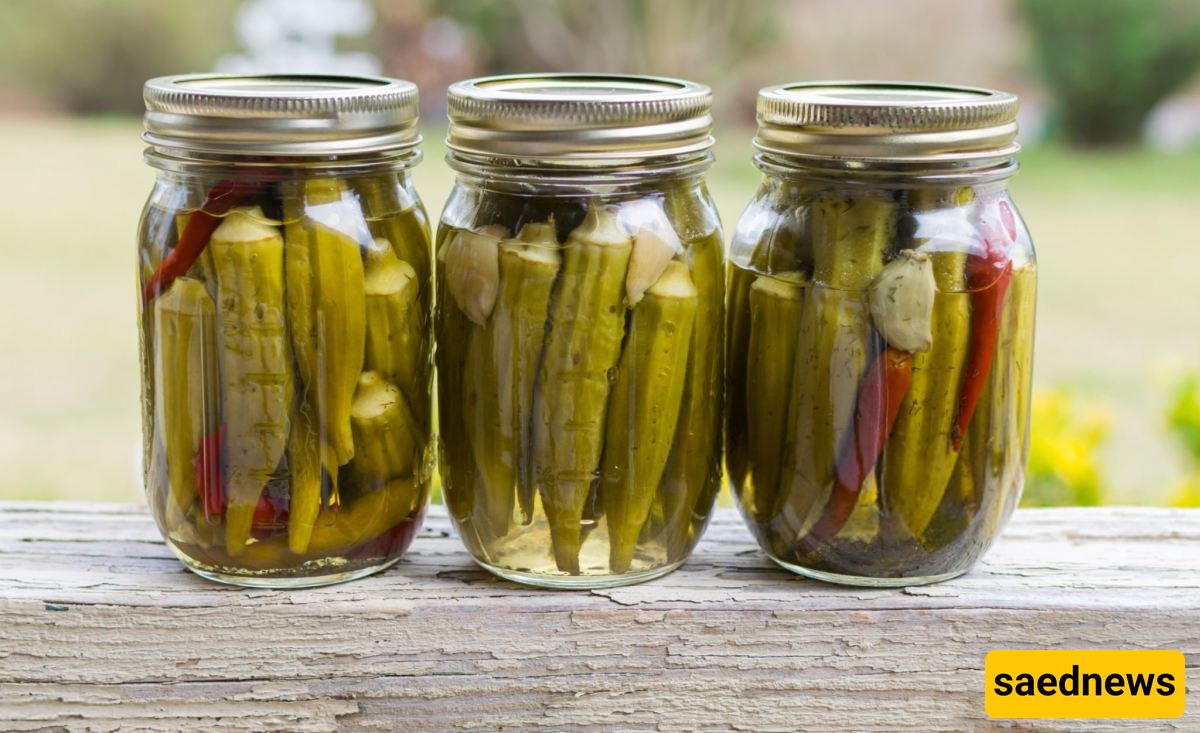
Place some of the spices and mustard seeds at the bottom of the jar. Arrange the okra vertically and pack it fairly tightly.
Add the garlic, peppers, and carrot between the layers. This helps distribute the flavors throughout the jar.
Slowly pour the cooled vinegar mixture into the jar until all of the okra is completely submerged.
Leave at least 1 cm of headspace at the top of the jar. If the okra floats, use a clean weight or suitable pickling weight to keep it below the liquid.
Seal the jar tightly and place it somewhere cool and dark, such as a pantry or cupboard.
The okra pickles are generally ready to eat after about 2–3 weeks. For a deeper flavor, they can be left for 4–6 weeks.
Once the jar has been opened, keep it refrigerated.
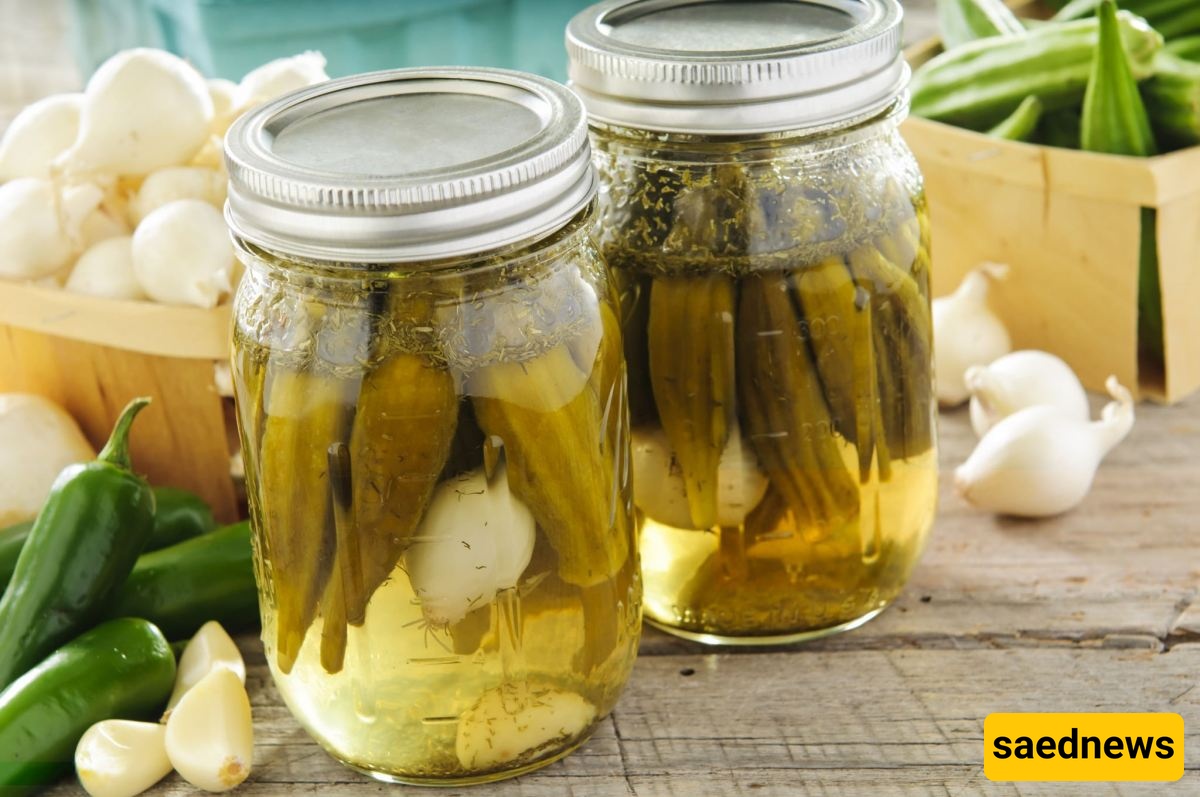
Make sure the okra is completely dry: Excess moisture can encourage mold growth.
Use sufficiently acidic vinegar: White vinegar with 5% acidity or higher is a good choice.
Sterilize the jar properly: Wash it with boiling water and allow it to dry completely.
Avoid contamination: Use clean utensils or clean hands when arranging the ingredients.
Do not pierce the okra: Keeping the pods intact helps reduce mucilage and preserves their crisp texture.
Store the jar in a cool, dark place: Direct sunlight can negatively affect the quality of the pickles.
Several mistakes can result in soft, slimy, or spoiled pickles. The most common include:
Using large, mature okra: These pods tend to become soft and lose their desirable texture.
Boiling the vinegar: Excessive heat can reduce its effectiveness as a preserving ingredient.
Failing to dry the okra completely: Remaining moisture can create favorable conditions for mold and bacterial growth.
Using too little vinegar: The okra should remain completely submerged in the pickling liquid.
Opening the jar repeatedly: Frequent opening can introduce air and contaminants.
Okra pickles can be adapted according to personal taste:
Add finger peppers or jalapeños for a hotter, more intense pickle.
Adding carrot and celery gives the pickle additional color, texture, and flavor.
Apple cider vinegar provides a milder flavor and a pleasant aroma compared with white vinegar.
Combine okra with cucumber, cauliflower, and carrot to create a colorful and appetizing mixed pickle.
Okra is a nutritious vegetable, and some of its nutritional qualities remain in the pickled form. It is a good source of soluble fiber, which supports normal digestive function. Okra also contains vitamin C, vitamin K, folate, and magnesium.
Moderate consumption of okra pickles can be part of a balanced diet. However, because pickles generally contain considerable amounts of salt and vinegar, they should be consumed in moderation, particularly by people who need to limit their sodium intake.
Yes. Making okra pickles is relatively straightforward. The most important factors are choosing fresh, suitable okra and maintaining good hygiene throughout the process.
When stored properly in a cool, dark place, unopened okra pickles may remain usable for approximately 6 months to 1 year, depending on the recipe, acidity, preparation method, and storage conditions. Once opened, refrigeration is recommended.
Excessive sliminess can occur when the okra is pierced or damaged, when mature pods are used, or when the preparation method causes too much of the vegetable's natural mucilage to be released.
Fresh okra is recommended. Frozen okra can lose some of its structure after thawing and may become softer when pickled.
Okra pickles are a flavorful and popular homemade accompaniment that can be prepared relatively easily with a few basic ingredients and careful preparation.
The key to achieving crisp, delicious, and long-lasting pickles is to choose small and fresh okra, dry it thoroughly, use good-quality acidic vinegar, keep the pods submerged, and store the finished jar correctly.
By following these steps, you can make homemade okra pickles with a satisfying crunch and distinctive flavor—an excellent addition to everyday meals and family gatherings.
Making pickles at home also gives you greater control over the ingredients, seasoning, and final flavor while potentially reducing the cost compared with commercial products. With a little patience and attention to detail, homemade Persian-style okra pickles can become a delicious staple in your kitchen.