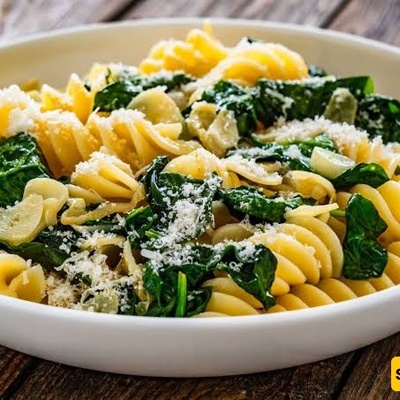
SAEDNEWS: Nutrient-dense foods in small, appealing portions can help children with low appetite meet their nutritional needs without making mealtimes overwhelming.

According to SAEDNEWS, children with small appetites may eat only modest amounts at meals, making the nutritional quality of their food especially important. Instead of focusing on how much a child eats at one sitting, parents can offer a variety of nutritious foods and allow the child to decide how much to eat.
Foods that provide several nutrients in relatively small portions can be practical for children who tend to eat little. Suitable options include:
Eggs: Provide protein, choline, vitamin B12 and other nutrients.
Full-fat plain yogurt: Offers protein, calcium and other essential nutrients. It can be served with soft fruit for added variety.
Cheese: A small portion can provide protein and calcium.
Avocado: Contains healthy unsaturated fats and can be spread on whole-grain bread or mashed into other foods.
Lentils and beans: Provide protein, iron and fiber and can be added to soups, rice dishes or soft vegetable meals.
Nut or seed butters: Smooth varieties can add energy, protein and healthy fats when appropriate for the child's age and allergy status.
Oatmeal: A soft, familiar meal that can be combined with yogurt, fruit or nut butter.
Lean chicken: Provides protein and several important micronutrients and can be served in small, tender pieces.

A large plate can sometimes feel overwhelming to a child with little appetite. Offering a small amount of food first and allowing additional servings if the child wants more can make meals feel easier. Foods can also be presented separately rather than mixed together if the child prefers to see each item clearly.
Texture and familiarity matter as well. A child may accept a food more readily when it is prepared in a familiar form. Repeated, pressure-free exposure to new foods can gradually increase acceptance, although children differ considerably in how quickly they become comfortable with unfamiliar foods.
Parents can combine nutrient-dense foods into compact meals such as:
Egg with whole-grain toast and fruit
Oatmeal with yogurt and sliced banana
Lentil soup with soft vegetables
Chicken with rice and cooked vegetables
Whole-grain bread with avocado and cheese
The goal is not to force a child to finish a particular portion. Regular meals and snacks, a calm eating environment, and a range of nutritious choices can support healthy eating habits.
A temporarily reduced appetite can occur for many ordinary reasons, including changes in routine or periods of slower growth. However, persistent poor appetite deserves attention if a child is losing weight, not growing as expected, appears unusually tired or weak, has difficulty eating, or has other concerning symptoms. In such situations, a pediatrician or qualified health professional can assess the child's growth and nutritional needs rather than relying on appetite alone.