SAEDNEWS: Airtight containers help protect many foods from moisture, air, odors, pests, and quality loss. Dry staples, opened packages, and foods that benefit from moisture control are among the most suitable choices.
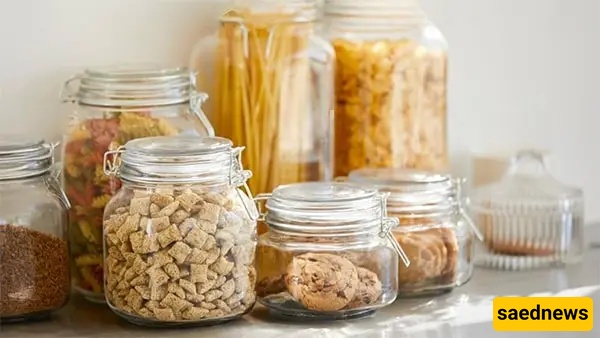
According to SAEDNEWS, storing certain foods in airtight containers can help maintain their quality and reduce exposure to moisture, air, household odors, and insects. The right container is particularly useful after opening a package or when food is stored for more than a day or two.
Several everyday foods are good candidates for airtight containers:
Rice and other dry grains: A sealed container helps keep them dry and protects them from pantry pests.
Flour: Keeping flour tightly covered reduces exposure to moisture and unwanted odors.
Pasta: Once opened, dry pasta can be transferred to an airtight container to protect it from humidity and insects.
Nuts and seeds: A well-sealed container limits exposure to air and helps preserve their quality.
Dried fruits: Airtight storage helps prevent them from absorbing moisture and becoming excessively sticky.
Crackers and dry snacks: A tight seal helps maintain their crisp texture.
Sugar and other dry pantry staples: Keeping them protected from humidity can help prevent clumping.
Spices and dried herbs: Sealed containers can reduce exposure to air and moisture and help protect their aroma.

Airtight storage is especially useful for foods whose texture changes when exposed to moisture. Crackers, flour, grains, and dried foods can absorb humidity from the surrounding environment, while foods such as nuts can gradually lose quality when exposed to air.
The container should be clean, completely dry, and appropriate for the type of food being stored. A secure lid is more useful than simply covering a container loosely, particularly for dry ingredients kept in a kitchen where humidity and temperature can fluctuate.
Airtight containers are also practical for many refrigerated foods, especially leftovers and cut foods. They can help prevent food odors from spreading inside the refrigerator and reduce unnecessary exposure to air.
For perishable foods, however, an airtight container does not replace safe refrigeration. Food should still be refrigerated promptly and kept at an appropriate temperature. Containers should also be cleaned thoroughly between uses to reduce the risk of contamination.
For better results, keep these habits in mind:
Choose the right size: Avoid using a very large container for a small amount of food because unnecessary empty space can expose the food to more air.
Keep containers dry: Moisture inside a container can affect dry foods and encourage spoilage.
Label opened foods: Adding the opening date can make pantry organization and food rotation easier.
Store foods appropriately: Airtight containers are helpful, but some foods still require refrigeration or another specific storage condition.
Clean containers regularly: Wash and dry them thoroughly before refilling them.
Airtight containers are therefore most useful when they address a specific storage problem, such as humidity, air exposure, pests, odors, or loss of texture. For everyday pantry organization, using them for dry grains, flour, pasta, nuts, seeds, dried fruits, and similar foods can make storage cleaner and more practical.