SAEDNEWS: Some food odors remain in freezers because volatile compounds can spread through cold air and attach to surfaces or other foods. Proper storage and cleaning can help reduce persistent smells.
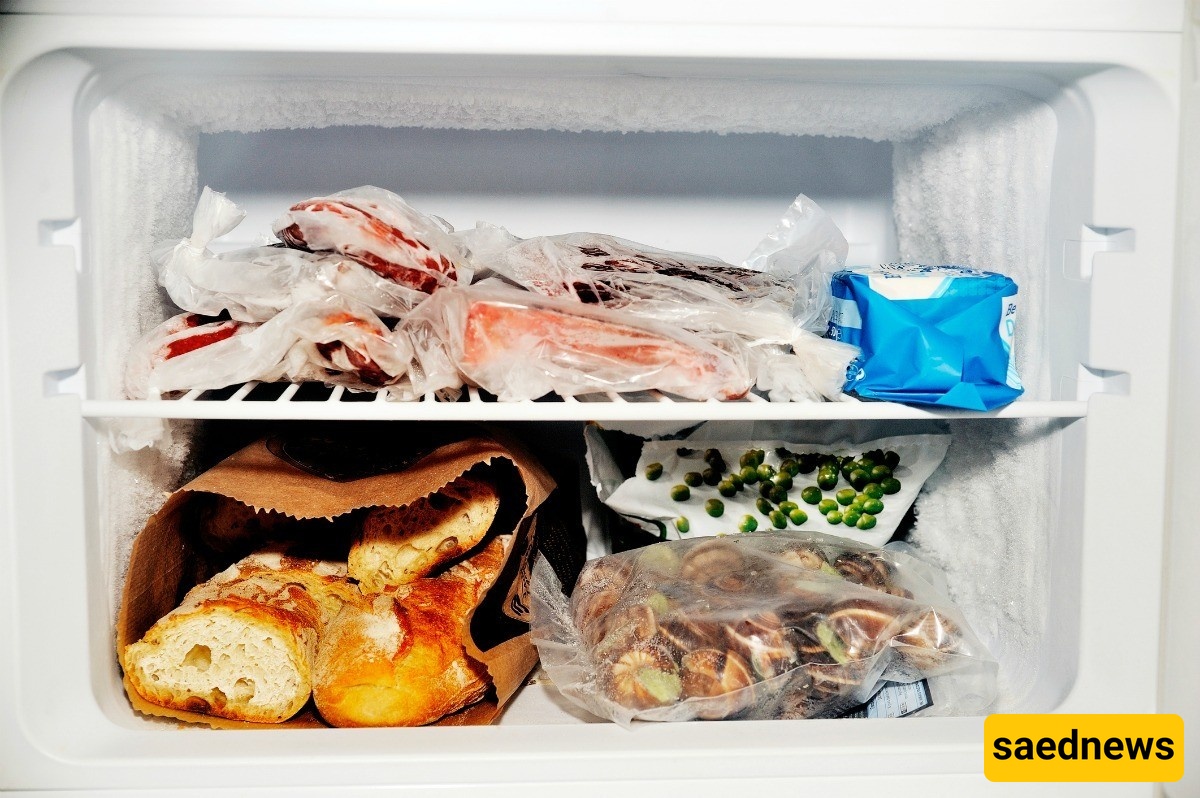
According to SAEDNEWS, the freezer is often considered a place where food odors disappear because low temperatures slow many chemical processes. However, some smells can remain for a long time because freezing does not remove odor-causing compounds. Instead, it can preserve them, allowing certain aromas to return when the food is thawed or when the freezer door is opened.
Food smells come from volatile molecules released by ingredients. Although freezing slows the movement and breakdown of these molecules, it does not completely eliminate them. Some strong-smelling foods can release compounds that circulate inside the freezer and settle on containers, shelves, or other foods.
Several factors can make odors more noticeable:
• Poorly sealed packaging: Open containers or loose wrapping allow smells to escape and spread.
• Strong aromatic foods: Some foods naturally produce stronger odors because of their chemical composition.
• Temperature changes: Repeated opening and closing of the freezer can slightly affect moisture and air movement, helping odors travel.
• Old food residues: Small spills or forgotten food particles can continue producing smells over time.
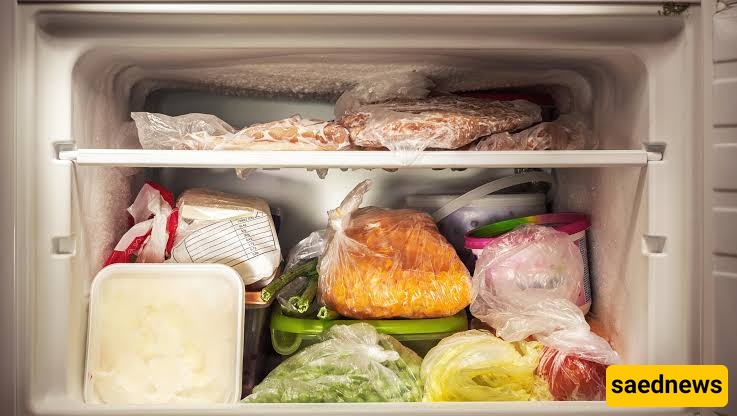
Freezing mainly slows biological activity and chemical reactions. It does not destroy all odor compounds. Many aroma molecules remain trapped inside frozen foods and packaging materials until conditions change.
When frozen food is moved, uncovered, or thawed, these compounds can become active again. This is why a food item that has been stored for months may still have a noticeable smell once removed from the freezer.
A common reason for unwanted odors is that air inside the freezer is shared among different foods. Even when items are frozen separately, uncovered or weakly sealed packaging can allow odors to move through the cold environment.
Foods are more likely to absorb unwanted smells when they have:
• Exposed surfaces
• Thin or damaged packaging
• Long storage periods
• High moisture content
Keeping a freezer odor-free does not require complicated methods. Good storage habits are usually the most effective approach:
Use airtight containers
Storing food in well-sealed containers or freezer-safe bags helps prevent odor transfer.
Remove spills quickly
Small food residues can become a continuing source of unpleasant smells.
Label and organize foods
Knowing what is stored and how long it has been there reduces the chance of forgotten items remaining for too long.
Clean freezer surfaces regularly
Wiping shelves, drawers, and corners helps remove residues that may contribute to odors.
Packaging quality has a major effect on how smells behave in a freezer. Materials that do not close properly can allow air exchange, which increases the chance of odor spreading.
Using suitable freezer containers and removing as much excess air as possible from storage bags can help maintain food quality and reduce unwanted aromas.
Understanding why freezer odors remain can make food storage more effective. While cold temperatures slow many processes, they do not completely stop the movement of smell-producing compounds. Proper sealing, regular cleaning, and organized storage are key steps for keeping a freezer fresh and preventing foods from affecting each other.