SAEDNEWS: Certain nutrient-rich foods can help support energy levels and meet the increased nutritional needs of pregnancy when tiredness becomes more noticeable.
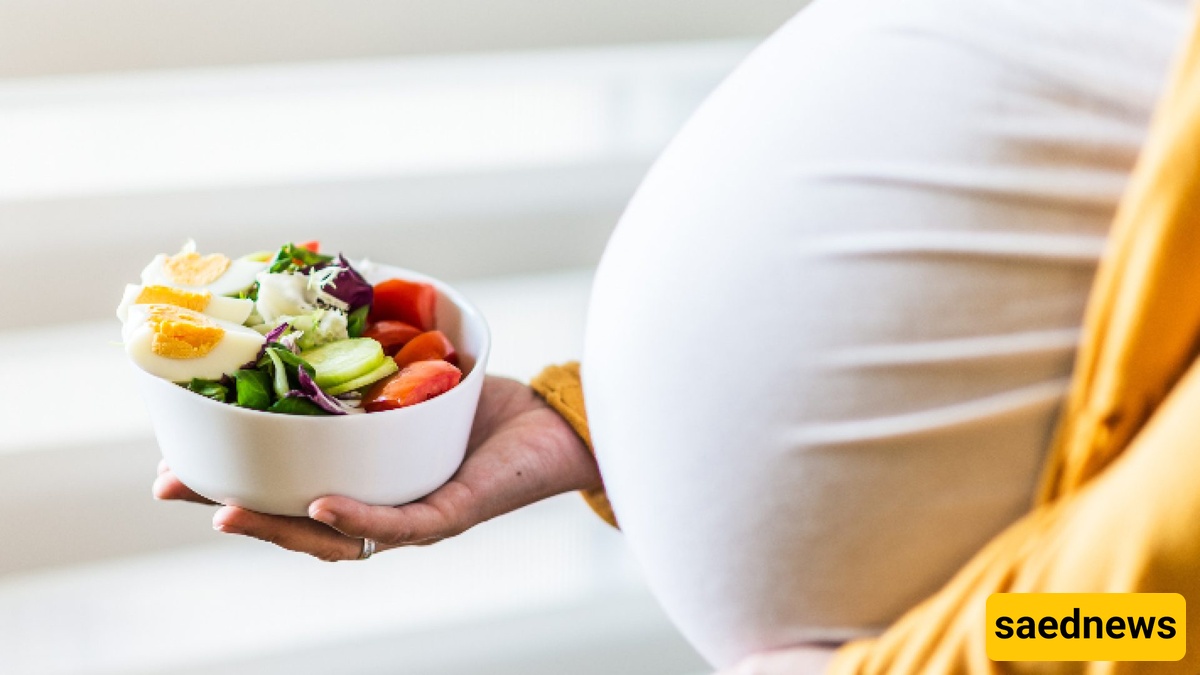
According to SAEDNEWS, feeling tired is a common experience during pregnancy, especially as the body undergoes physical and hormonal changes. Choosing balanced foods throughout the day can help provide steady energy and support overall well-being. While food cannot completely remove pregnancy-related fatigue, meals and snacks containing important nutrients may help the body cope with increased demands.
Pregnancy requires more energy and nutrients to support both the mother’s body and the baby’s development. Some foods can help maintain stable blood sugar levels and provide essential vitamins and minerals.
Helpful choices include:
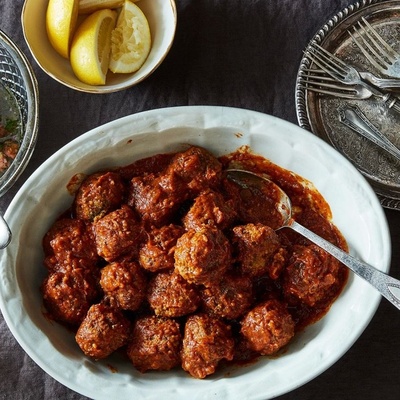
• Iron-rich foods: Iron supports the production of hemoglobin, which carries oxygen in the blood. Foods such as lean beef, poultry, beans, lentils, and leafy green vegetables can contribute to iron intake. Low iron levels may be associated with increased tiredness, so adequate intake is important.
• Protein sources: Protein helps support the growth of tissues and can make meals more satisfying. Eggs, poultry, fish with low mercury content, dairy products, nuts, seeds, and legumes are examples of protein-rich options.
• Complex carbohydrates: Whole grains, oats, whole wheat bread, and brown rice provide carbohydrates that the body uses for energy. They can help provide a more gradual energy supply compared with foods high in added sugars.
When fatigue appears between meals, small nutritious snacks may be easier to tolerate than large portions. Some practical options include:
Yogurt with fruit and nuts
Whole-grain crackers with cheese
A banana with peanut butter or another nut-based spread
A small sandwich with lean protein
Fresh fruit combined with a source of protein
Combining carbohydrates with protein or healthy fats may help create a more balanced snack and support longer-lasting fullness.
Dehydration can contribute to feelings of tiredness, headaches, and reduced concentration. Drinking enough fluids throughout the day is an important part of maintaining health during pregnancy. Water is usually the main choice, while fluid-rich foods such as fruits and vegetables can also contribute to daily hydration.
Some eating habits may lead to short periods of energy followed by tiredness. Examples include:
Skipping meals: Long gaps between meals may make it harder to maintain steady energy levels.
Relying mainly on sugary foods: Sweet foods can provide quick energy, but they may not offer the nutrients needed for sustained support.
Choosing highly processed snacks frequently: These foods may be low in important nutrients compared with more balanced options.
A simple approach is to include different food groups in each meal:
A source of protein
A source of whole-grain or other complex carbohydrates
Fruits or vegetables
Healthy sources of fat when appropriate
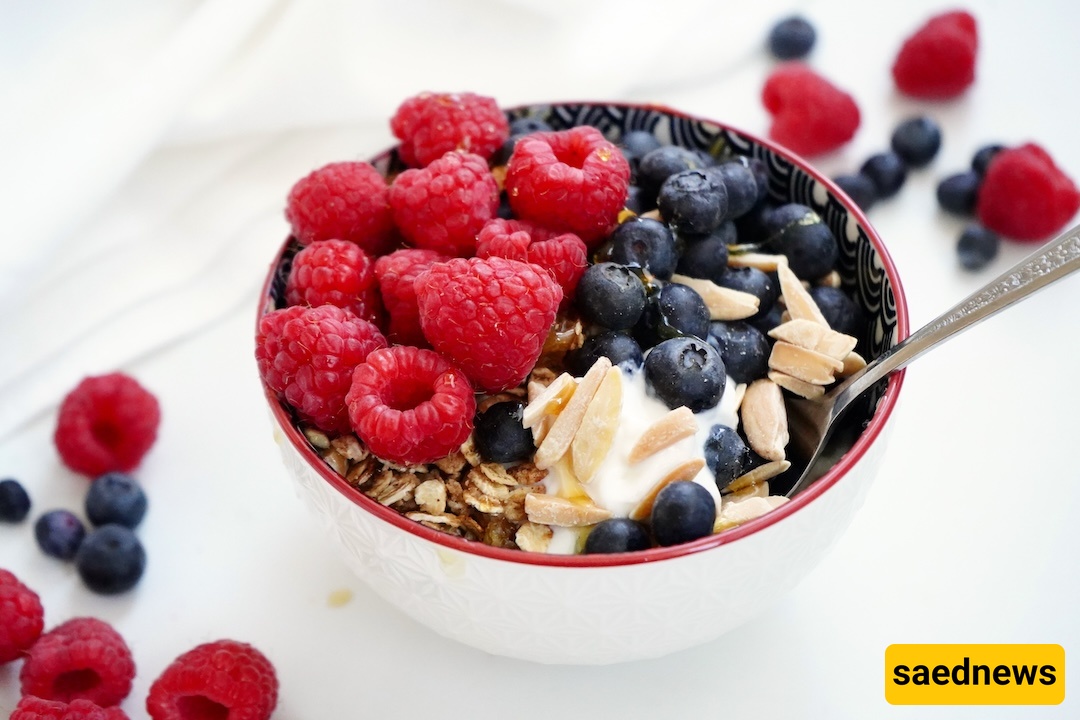
For example, a breakfast containing oats, yogurt, fruit, and nuts may provide a combination of carbohydrates, protein, and nutrients that support daily needs.
Pregnancy fatigue can have many causes, and persistent or severe tiredness should be discussed with a healthcare professional. A balanced diet, regular meals, adequate hydration, and appropriate prenatal care can help support energy and overall health during pregnancy.