SAEDNEWS: The right food container helps maintain temperature, preserve quality, and support safer storage of hot meals.
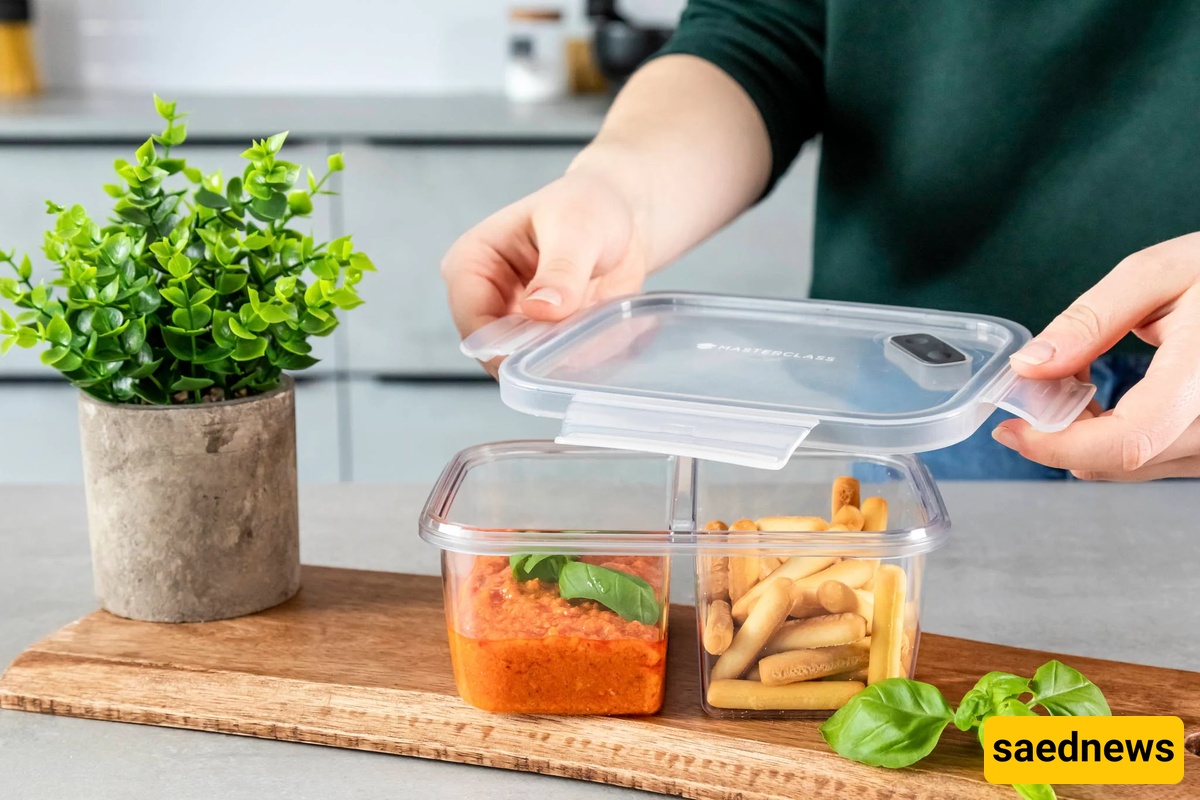
According to SAEDNEWS, choosing a suitable container for storing hot food requires attention to materials, heat resistance, safety features, and the type of meal being stored. A good container should help maintain food quality while reducing the risk of changes in taste, texture, or freshness.
Not every container is designed to hold freshly cooked food. Hot meals release heat and moisture, so the container should be able to handle temperature changes without affecting the food.
Important features to consider include:
• Heat-resistant material
• A secure lid to prevent spills
• A design that helps maintain temperature
• Easy cleaning and proper hygiene
• Compatibility with the type of food being stored
Containers made from food-grade materials are generally preferred because they are designed for contact with food and regular use.
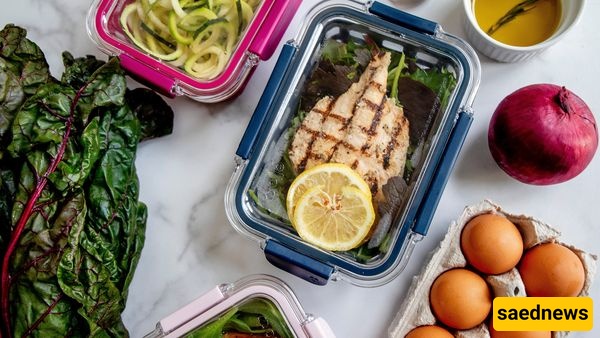
Different materials have different advantages when storing warm or hot meals:
Glass containers
Glass is often chosen because it does not easily absorb food odors or colors. Many glass containers designed for food storage can handle temperature changes, although sudden extreme temperature changes should be avoided to reduce the risk of cracking.
Stainless steel containers
Stainless steel containers are durable and commonly used for keeping meals warm during transport. They are especially useful for soups, rice dishes, and other foods that need to retain heat.
Food-safe plastic containers
Plastic containers can be practical because they are lightweight and convenient. However, it is important to choose containers specifically labeled as suitable for food storage and heat exposure.
Some habits can reduce food quality or damage containers:
Using containers that are not designed for hot food
Some containers may not tolerate high temperatures and can become damaged or unsuitable for repeated use.
Closing the lid incorrectly
Hot food produces steam, and improper sealing may affect texture or create pressure inside the container.
Overfilling the container
Leaving some space can make handling easier and reduce the chance of spills.
Ignoring cleaning requirements
Food residue can remain in corners or seals, so containers should be washed carefully after each use.
To choose and use food containers more effectively:
• Match the container size with the amount of food to avoid unnecessary empty space.
• Allow extremely hot food to release some steam before long-term storage when appropriate.
• Use separate containers for foods with strong smells to prevent odor transfer.
• Check the condition of lids, seals, and surfaces regularly.
• Follow the manufacturer’s instructions for heating, washing, and storage.
The best container can vary depending on the meal. A liquid dish such as soup may need a leak-resistant container, while dry foods such as rice or cooked vegetables may benefit from containers that maintain moisture balance.
Selecting the right container is not only about keeping food warm. It also helps preserve flavor, improve convenience, and make daily food storage more organized.