SAEDNEWS: Former U.S. Defense Secretary Mark Esper says Iran currently believes it holds the upper hand in negotiations, with control of the Strait of Hormuz giving Tehran significant leverage. He also warned that America’s long-running shortage of key munitions could limit its ability to respond quickly.
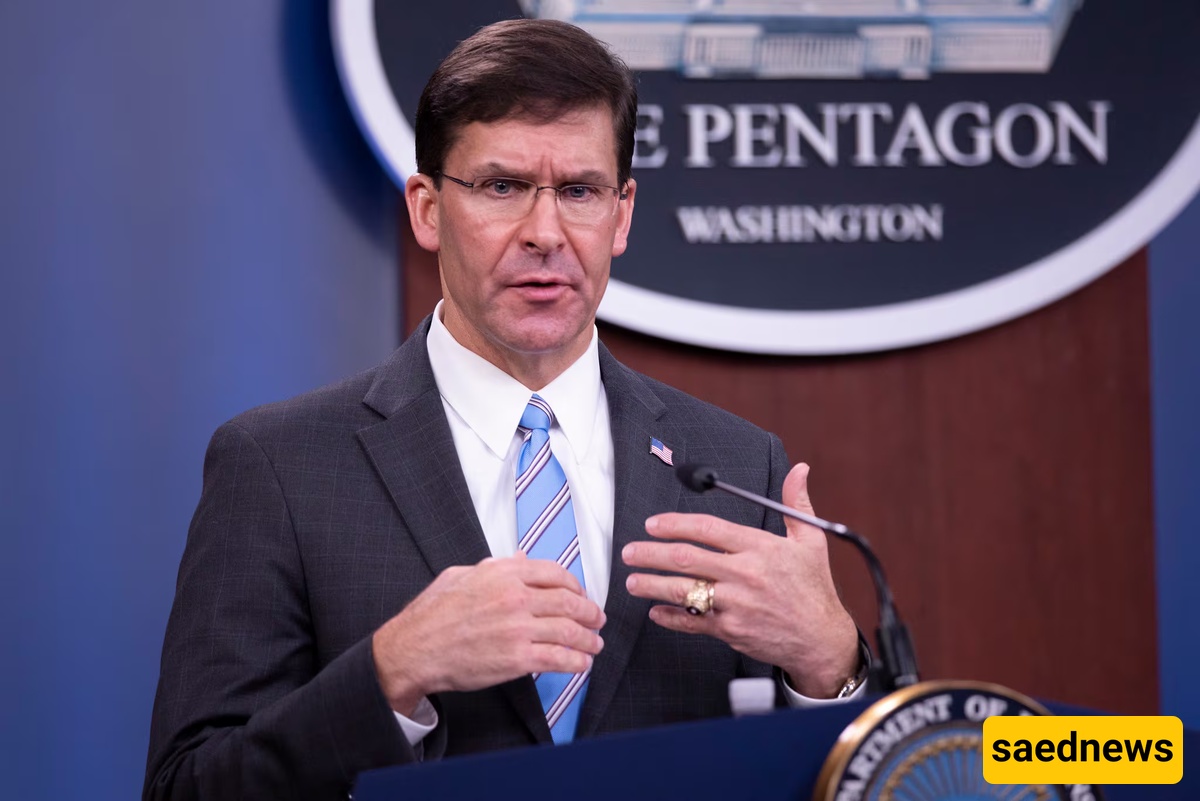
According to SaedNews: Iran believes it has gained a stronger hand in negotiations with the United States, and former U.S. Defense Secretary Mark Esper says that assessment is not without foundation.
Esper, who served as defense secretary during Donald Trump’s first presidency, offered a striking assessment while discussing Iran’s new conditions for the full reopening of the Strait of Hormuz. In his view, Tehran’s demands reveal more than a negotiating position: they point to growing confidence in the leverage Iran believes it possesses.
The former Pentagon chief said Iranian officials appear increasingly convinced that they have influence over the direction of the negotiations because of their ability to exert pressure through the strategically important waterway.
“They believe they have the upper hand,” Esper said. He added that Iranian leaders appear to believe they are winning—and argued that, in the current circumstances, there is substance behind that perception.
Esper also interpreted Iran’s latest demands as evidence of a broader change in its posture.
According to the former defense secretary, the demands suggest that Iranian officials have become more assertive and more confident about their position internationally. Rather than approaching negotiations from a position of weakness, Tehran appears to believe that it has meaningful tools with which to shape the outcome.
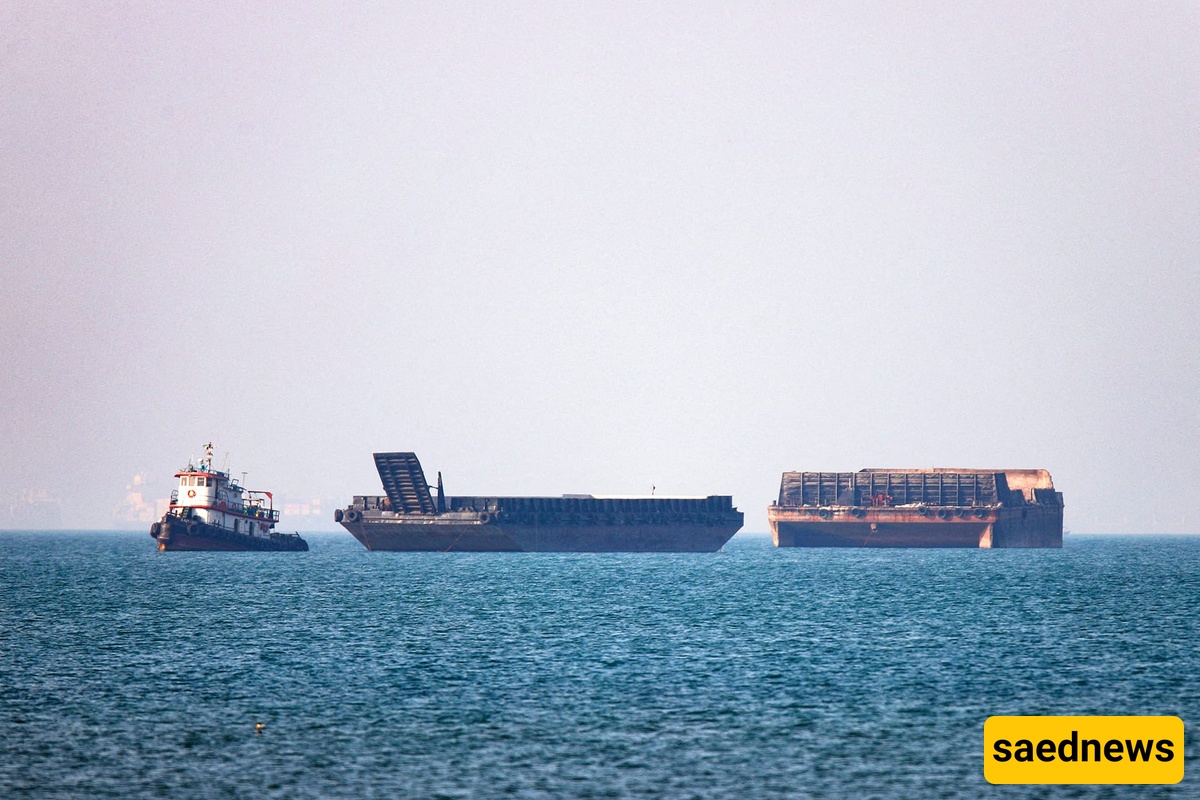
The Strait of Hormuz is central to that calculation.
Esper’s comments place particular emphasis on the strategic leverage associated with the waterway. Iran’s control over the area, according to his assessment, gives the country an important bargaining tool at a moment when negotiations and military tensions are closely intertwined.
That leverage also comes against the backdrop of a broader problem facing the United States: shortages of some key types of ammunition during the ongoing war with Iran.
Esper warned that expanding American weapons production cannot solve every immediate problem. Some systems require substantial amounts of time to manufacture, meaning decisions made today may not translate into additional battlefield capacity in the short term.
He used the example of the Patriot missile system, saying that if producing a Patriot missile takes two years, increasing production now will not provide an immediate solution.
The warning highlights a difficult gap between military requirements and industrial capacity. Even if Washington moves quickly to increase production, the effects may take considerable time to materialize.
Esper suggested that the ammunition shortage is not simply the product of the current conflict. He traced the roots of the problem back decades, arguing that America’s prolonged military commitments contributed to the situation.
The wars in Iraq and Afghanistan played a role, he said, while ammunition was also consumed or transferred in subsequent years. Those accumulated demands have left the United States confronting limitations that cannot be eliminated overnight.
That backdrop makes his comments about Iran’s negotiating position particularly significant. If Tehran believes it can use the Strait of Hormuz as leverage while Washington faces constraints in rapidly replenishing certain munitions, the balance of pressure becomes more complicated.
Still, Esper’s assessment is his own analysis of the situation. His remarks do not establish that Iran has achieved a decisive military advantage, nor do they predict the outcome of the conflict or negotiations. What they do underscore is that Iran’s strategic position is being taken seriously by a former senior U.S. defense official who served under Trump.
The most striking element of Esper’s comments is therefore not simply his description of Iran as more confident. It is his acknowledgment that Tehran’s belief that it has the upper hand may reflect realities on the ground.
The Strait of Hormuz, Iran’s negotiating demands and America’s difficulty in rapidly expanding ammunition supplies are now intertwined in a much larger question: how much leverage does each side actually possess?
As the conflict continues, that question could become increasingly important. For readers watching the confrontation, Esper’s assessment offers a reminder that military power is not measured only by the weapons already deployed. Strategic geography, industrial capacity and the ability to sustain a prolonged conflict can also shape the balance.
And that is precisely why the former defense secretary’s warning about the Patriot missile production timeline matters. A military advantage in one moment does not necessarily translate into immediate capacity in the next.
The debate over Iran’s leverage is therefore likely to continue, particularly as the Strait of Hormuz remains central to the confrontation. Esper’s comments add an unusual perspective from inside the former Trump administration—and leave open a question that may prove crucial as events unfold: who really has the stronger hand when both sides face significant constraints?