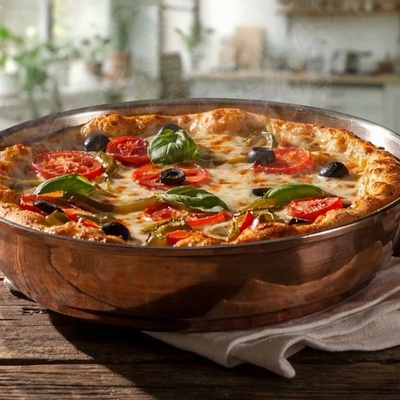
SAEDNEWS: Reheating leftover pizza in a pan is a simple way to keep it from drying out. This article explores the best techniques and common mistakes to avoid when using this method.
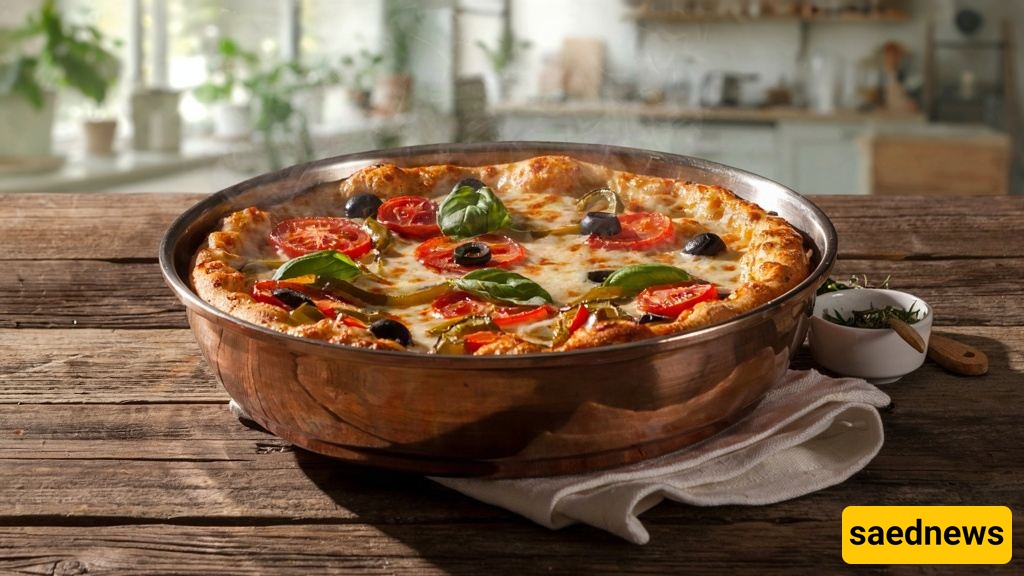
According to Saednews, Pizza is one of the most popular foods, and it is often prepared in larger quantities, leaving some slices for another meal. However, reheating leftover pizza is not always easy. Many people have experienced pizza becoming dry, tough, or tasteless after being reheated in the microwave.
In contrast, using a pot is an affordable, convenient, and effective way to bring leftover pizza back to life, provided the right technique is followed.
Reheating pizza in a pot over low heat with controlled moisture can help keep the crust soft and the cheese melted. This article explains how to properly reheat pizza in a pot without drying it out, along with expert tips, common mistakes, and practical solutions to potential problems.
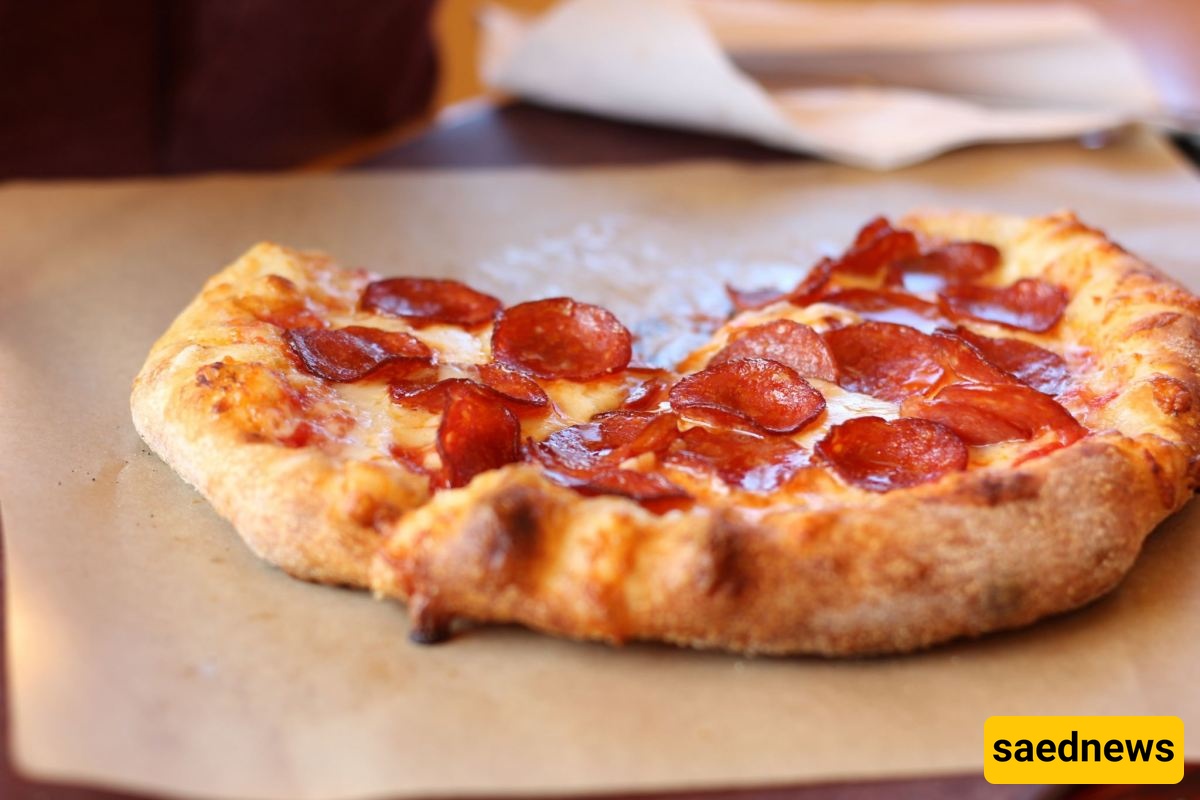
A pot creates an enclosed space that transfers heat evenly to the pizza. This allows the bottom of the crust to become slightly crispy while the gentle moisture inside the pot prevents the bread from drying out.
Unlike a microwave, which can make the crust tough and the cheese rubbery, the stovetop method creates a better balance between crispiness and softness.
Additionally, almost every kitchen has a pot, so there is no need to turn on the oven just to reheat one or two slices. This method is quick, economical, and ideal for small portions.
The most important thing is to use low heat and avoid excessive direct contact between the pizza and the hot bottom of the pot.
High heat can burn the bottom of the pizza while leaving the center cold. Always use a low flame when reheating pizza in a pot.
If your pot has a thin base, consider using a heat diffuser or setting the burner to its lowest temperature.

Pizza becomes dry when its moisture evaporates due to direct heat. To prevent this, add a few drops of water to one corner of the pot, away from the pizza.
The resulting steam spreads throughout the enclosed space and helps prevent the crust from drying out.
Make sure the water does not come into direct contact with the pizza.
The pot lid plays an important role in retaining steam and distributing heat evenly.
Keep the lid properly positioned to prevent steam from escaping. However, to avoid excessive moisture buildup, you can slightly adjust the lid or briefly open it at intervals.
To prevent the pizza from touching the hot bottom of the pot directly, you can use parchment paper, oven-safe baking paper, or a small wire rack.
This helps distribute heat more evenly and reduces the risk of burning the crust.
If you use parchment paper, make sure it does not come into contact with an open flame.
Never place pizza slices on top of one another. Stacking prevents the middle slices from heating properly and can cause excessive steam to collect in one area.
Instead, arrange the slices in a single layer with a little space between them. If you have several slices, reheat them in batches.

You do not need complicated equipment for this method. The following items are sufficient:
A pot with a suitable lid, preferably nonstick
Parchment paper or oven-safe baking paper
A few drops of water
A kitchen towel
A spatula or tongs for handling the pizza
Using a nonstick pot reduces the risk of cheese and dough sticking to the bottom. If your pot is not nonstick, make sure to use a protective layer.
Place the pot over low heat and allow it to warm up slightly.
The pot should not become extremely hot. Gentle heat is sufficient. Excessive heat increases the risk of burning the bottom of the pizza.

Place a piece of parchment paper at the bottom of the pot.
It should be large enough to cover the base, but its edges should remain away from the pot's sides.
Avoid using extremely thin paper or materials that are not designed for heat.
Place the pizza slices in a single layer on top of the parchment paper.
If the pizza has a generous amount of cheese, leave a little space between the slices to allow heat to reach every part evenly.
Pour two or three drops of water into a corner of the pot where they will not touch the pizza.
This small amount of water is enough to create gentle steam.
Avoid adding too much water, as excessive moisture can make the crust soggy and doughy.
Place the lid on the pot and keep the heat low.
Allow the pizza to reheat for approximately five to eight minutes.
The exact time depends on the thickness of the pizza, its initial temperature, and the type of pot being used.

After approximately five minutes, open the lid and check the pizza.
If the cheese has melted and the bottom of the crust has become slightly crispy, the pizza is ready.
Otherwise, replace the lid and allow it to heat for another one or two minutes.
To avoid burning, there is no need to move the pizza with tongs or a spatula unless necessary.
Once the pizza is heated, remove it from the pot and let it rest for about one minute.
This allows the heat to distribute evenly throughout the slice and helps maintain the texture of the cheese and crust.
Thin-crust pizza heats up quickly and is more likely to dry out.
For this type, use a shorter reheating time and slightly more steam.
Approximately three to five minutes over low heat should be sufficient.
Thick-crust pizza requires more time to heat thoroughly.
To prevent the surface from drying out while the center remains cold, keep the heat very low and increase the reheating time to seven to ten minutes.
Using a properly fitting lid is particularly important in this case.

If you have taken pizza out of the freezer, allow it to thaw slightly in the refrigerator or at room temperature before reheating.
Then place it in the pot and heat it over low heat.
Reheating completely frozen pizza directly in a pot may cause the surface to dry out while the center remains cold.
Pizza with a large amount of cheese is more likely to stick to the bottom of the pot.
Always use parchment paper or a nonstick pot, and keep the heat low.
If the cheese sticks to the paper, carefully loosen it with a spatula.
Using high heat: This is one of the most common mistakes. High temperatures can burn the bottom of the pizza and dry out the edges. Reheating should be done patiently over low heat.
Adding too much water: Excessive water creates too much steam and makes the crust overly soft. Two or three drops are enough. The goal is gentle moisture, not steaming the pizza.
Stacking pizza slices: Placing slices on top of each other prevents heat from spreading evenly. Always arrange them in a single layer.
Opening the lid too frequently: Repeatedly lifting the lid allows steam to escape and lowers the temperature. Open it only once or twice to check the pizza.
Using a pot without a protective layer: Direct contact with the hot bottom of the pot can cause the pizza to stick or burn. Parchment paper or a small wire rack is recommended.
If the pizza has been overheated and becomes dry, add another drop of water to the corner of the pot and cover it for a few minutes.
The gentle steam may help restore some moisture.
However, this method cannot completely reverse excessive drying. Preventing the problem in the first place is the best approach.

If too much moisture has accumulated, remove the lid and continue heating the pizza over low heat for a few minutes.
This allows excess moisture to escape and helps the crust become firmer.
Watch the pizza carefully and make sure the bottom of the pot does not become excessively hot.
Immediately reduce the heat. If necessary, briefly remove the pot from the burner to allow the temperature to decrease.
Then continue reheating over very low heat.
Once the pizza is heated, remove it from the pot immediately. Leaving it inside can allow trapped steam to make the crust soft and soggy.
Place the pizza on a cutting board or plate and let it rest for one minute so the heat can distribute evenly.
If the pizza contains fresh vegetables or ingredients that are sensitive to heat, it is better to add them after reheating.
To restore some of its aroma and freshness, you can sprinkle a little freshly grated cheese or add a few drops of olive oil to the surface. This step is optional.
Once leftover pizza has cooled, store it in an airtight container in the refrigerator.
It is best not to keep refrigerated pizza for more than three to four days.
The same low-heat pot method is suitable for reheating leftovers.
Avoid reheating pizza multiple times, as each reheating cycle causes more moisture to escape from the crust and reduces its overall quality.
If you have taken the pizza out of the refrigerator, allow it to sit at room temperature for a few minutes before reheating. This helps it warm up more quickly and evenly.

Reheating pizza in a pot can produce better results than using a microwave because microwaves may make the crust tough and the cheese rubbery.
An oven or toaster oven can also produce excellent results, but they require preheating and consume more energy, making them less practical for reheating just one or two slices.
A pot is a quick, accessible, and economical option for small portions, provided that low heat and controlled moisture are used.
If you prefer an extra-crispy crust, you can place the pizza in a dry frying pan or toaster for one minute after reheating it in the pot.
When using parchment paper inside a pot, make sure it does not come into contact with an open flame or extremely hot sides.
Avoid using unsuitable baking paper or ordinary paper towels to cover the bottom of the pot.
Also, be careful of hot steam when removing the lid. If your pot has metal handles, use appropriate oven mitts or heat-resistant gloves.
Do not leave reheated pizza at room temperature for more than two hours.
Using the pot lid is generally a better option.
Aluminum foil may trap too much steam and make the crust excessively soft. If you use foil, make a few small holes to allow excess steam to escape.
Two or three drops are sufficient.
The goal is to create gentle moisture rather than steam-cook the pizza.
It is better to use parchment paper or a small wire rack to prevent direct contact between the pizza and the hot bottom of the pot.
This helps prevent sticking and burning.
Yes, but you should allow the pizza to thaw slightly first.
Reheating completely frozen pizza over low heat may take longer and can cause the surface to dry out.
The most common reasons are excessive heat, insufficient moisture, or reheating for too long.
Lower the heat, add a few drops of water to the corner of the pot, and carefully monitor the reheating time.
The best approach is to use low heat, place the pizza on parchment paper, add two or three drops of water to the pot away from the pizza, and cover it with a lid.
Reheat for approximately five to eight minutes, depending on the thickness of the slices.
This simple technique helps preserve the softness of the crust, melt the cheese evenly, and restore the delicious taste of leftover pizza.