SAEDNEWS: Understanding the signs of an emotionally challenging partner is the first step toward recognizing the state of your relationship and making informed decisions. These signs aren't always obvious.

According to Saednews, A healthy romantic relationship should provide a safe space for personal growth, emotional peace, and mutual support. However, some relationships gradually become emotionally exhausting, leaving one partner feeling anxious, confused, and constantly drained rather than secure and understood.
Recognizing the signs of a high-conflict partner is the first step toward understanding the state of your relationship and making informed decisions. These signs are not always obvious and may develop gradually over time.
This article explores 12 common warning signs of a high-conflict partner, explains the difference between temporary relationship tension and persistent unhealthy patterns, and offers practical strategies for dealing with ongoing relationship stress. Please note that this information is educational and does not replace professional psychological advice or diagnosis.
A high-conflict partner is not necessarily a malicious person or someone with a mental health condition. However, their behaviors may consistently create an atmosphere of pressure, anxiety, and emotional instability within the relationship.
You may find yourself constantly monitoring your words, actions, and reactions to avoid upsetting your partner. This experience is sometimes described as "walking on eggshells," where you suppress your feelings and needs out of fear of triggering another conflict.
Occasional disagreements are normal in every relationship. However, when tension becomes a recurring pattern that threatens emotional well-being, it should not be ignored.

Ignoring persistent relationship problems can contribute to emotional exhaustion, low self-esteem, chronic anxiety, and even social isolation.
At first, many people attribute relationship tension to external circumstances, work-related stress, or temporary fatigue. However, when the same problems repeatedly occur and become established patterns, it is important to take a closer look at the relationship.
Recognizing these signs helps you understand what is happening instead of automatically blaming yourself. It can also encourage healthier communication, stronger personal boundaries, and professional support when necessary.
In a high-conflict relationship, criticism often goes beyond addressing a specific behavior and becomes an attack on someone's character.
Statements such as "You're always useless" or "You never do anything right" do not help resolve problems. Instead, they undermine self-worth and create feelings of inadequacy.
Healthy criticism focuses on a particular behavior that needs improvement. Personal attacks target someone's identity and character.

One of the most important warning signs of a high-conflict partner is an excessive need for control.
This behavior can be obvious, such as insisting on making every decision, or more subtle, such as:
Constantly questioning you about your daily activities.
Checking your phone or private messages.
Making you feel guilty for wanting independence.
Expecting to know every detail of your life.
Controlling behavior gradually damages trust and undermines the emotional health of a relationship.
A certain degree of jealousy may occur in romantic relationships. However, excessive jealousy that leads to restrictions on your relationships with family members, friends, or coworkers is a serious warning sign.
Over time, you may become increasingly isolated from your support network and emotionally dependent on your partner.
A healthy relationship should allow both individuals to maintain meaningful friendships and independent social connections.
Sudden mood changes, unexpected anger, prolonged resentment, or rapidly shifting between affection and emotional coldness can make a relationship unpredictable.
You may constantly feel on edge, unsure of what might upset your partner or trigger another argument.
Living in this state of emotional uncertainty can be mentally exhausting and is a common feature of high-conflict relationships.

A high-conflict partner may consistently place responsibility for relationship problems on the other person.
For example, they might say:
"If you hadn't behaved that way, I wouldn't have gotten angry."
This pattern shifts responsibility away from their own actions and creates ongoing feelings of guilt in the other partner.
Healthy relationships require both individuals to acknowledge their mistakes and take responsibility for their behavior.
Prolonged silence, deliberate ignoring, or refusing to communicate as a form of punishment can create significant emotional pressure.
Instead of discussing disagreements, one partner uses withdrawal and silence to gain control or punish the other person.
Taking time to calm down during an argument can be healthy. However, intentionally withholding communication to cause distress is different.
Healthy communication involves expressing emotions and discussing problems rather than using silence as a weapon.
Personal boundaries are essential to a healthy romantic relationship.
If your partner repeatedly ignores your need for privacy, personal space, alone time, or independent decision-making, the relationship may be moving toward an unhealthy pattern of pressure and control.
Boundaries are not barriers designed to separate partners. They help preserve individual identity and mutual respect.

Some relationships follow a recurring pattern of intense arguments, emotional distance, apologies, and passionate reconciliations.
Although these emotional reunions may temporarily restore feelings of closeness, the underlying problems often remain unresolved.
When the same cycle repeatedly occurs without meaningful behavioral change, it can become emotionally exhausting.
This recurring pattern is an important warning sign that deserves serious attention.
In a healthy relationship, both partners should be able to express their feelings and needs without fearing humiliation, anger, rejection, or abandonment.
If expressing a simple concern leads to defensiveness, personal attacks, or indifference, the emotional safety of the relationship may be compromised.
This is more serious than an ordinary disagreement because it prevents honest communication and emotional intimacy.
In a high-conflict relationship, one partner may carry most of the emotional, household, or financial responsibilities while the other fails to recognize or appreciate their efforts.
Over time, this imbalance can lead to hidden resentment, exhaustion, and feelings of emotional exploitation.
Healthy relationships are built on shared responsibility, cooperation, and mutual appreciation.
If every attempt to discuss relationship problems results in denial, changing the subject, blaming you, or making promises that are never fulfilled, resolving conflicts becomes increasingly difficult.
The ability to acknowledge problems, accept responsibility, and participate in constructive conversations is an important indicator of relationship health.
Without genuine communication and consistent efforts to improve, unresolved problems are likely to continue.
Sometimes, the clearest warning signs appear in your own physical and emotional well-being.
You may experience:
Difficulty sleeping.
Persistent anxiety and stress.
Trouble concentrating.
Constant feelings of guilt.
Declining self-confidence.
Feeling emotionally relieved only when you are away from your partner.
These experiences do not automatically prove that your relationship is unhealthy, but they may indicate that it has become a significant source of stress.
Paying attention to these changes is important.

Every relationship experiences difficult periods. The difference between temporary tension and a persistent high-conflict pattern usually comes down to intensity, frequency, and long-term impact.
Temporary disagreements can generally be resolved through honest communication, genuine apologies, and meaningful changes in behavior.
In contrast, persistent high-conflict patterns involve recurring problems, limited accountability, and ongoing feelings of emotional insecurity or exhaustion.
The most important question is not whether disagreements happen, but whether the relationship repeatedly creates emotional distress without genuine efforts to resolve the underlying issues.
Remaining in a persistently stressful relationship can contribute to:
Reduced self-esteem and self-confidence.
Chronic anxiety and emotional distress.
Depression and feelings of hopelessness.
Social withdrawal and isolation.
Difficulty making independent decisions.
Over time, you may begin to believe that you are responsible for every problem or that you do not deserve a healthier relationship.
If children are involved, ongoing relationship conflict may also affect the emotional atmosphere at home.
Recognizing unhealthy relationship patterns is not an exaggeration or an act of disloyalty. It is part of taking responsibility for your emotional well-being.
Start by observing recurring behaviors rather than making general judgments about your partner's personality.
Instead of saying, "You're a terrible person," try expressing the impact of a specific action:
"When you raise your voice during disagreements, I feel unsafe and uncomfortable."
Using "I" statements can reduce defensiveness and make communication more productive.
The next step is identifying which behaviors are unacceptable and communicating your expectations clearly.
A healthy boundary explains what you are comfortable with and what actions you will take if that boundary is repeatedly violated.
Boundaries should be specific, respectful, realistic, and enforceable.
Look beyond individual arguments and consider the relationship as a whole.
Ask yourself:
Does my partner accept responsibility for their behavior?
Do they make consistent efforts to change?
Are the same conflicts happening repeatedly?
Do I feel emotionally safe and respected?
If the relationship remains consistently exhausting, professional counseling may help you better understand the communication patterns, personal boundaries, and emotional needs involved.
Counseling is not only for relationships on the verge of ending. It can also help couples develop healthier communication skills, manage disagreements, and make informed decisions.
Individual counseling may also be beneficial when you need space to understand your feelings, beliefs, and boundaries independently of relationship pressures.
Conversations about recurring relationship problems are generally more productive when they happen during calm moments rather than in the middle of an argument.
Instead of making broad accusations, describe a specific behavior and explain how it affects you.
For example, instead of saying:
"You always ignore me."
You could say:
"When you discuss important decisions about our relationship with other people without including me, I feel as though my opinion does not matter."
You can then ask whether your partner is willing to discuss this pattern and work toward changing it.

Healthy communication involves three important elements:
Focus on behavior, not personality: Discuss specific actions rather than attacking someone's character.
Listen without preparing a defensive response: Make an effort to understand the other person's perspective.
Take shared responsibility: Both partners should be willing to acknowledge their mistakes and contribute to resolving problems.
If one partner repeatedly responds with denial, ridicule, or blame, the chances of resolving the conflict become significantly lower.
Personal boundaries are not about building walls between partners. They communicate what you consider acceptable and unacceptable in a relationship.
For example:
"I am not comfortable being questioned aggressively about my past."
"If an argument becomes too intense, I need a few minutes to calm down before continuing the conversation."
Boundaries should be clear, respectful, and realistic. More importantly, you must be prepared to follow through on them.
If your boundaries are repeatedly violated and your partner makes no effort to respect them, this is an important warning sign.
Repeating the same conversations without seeing any behavioral improvement may only increase emotional exhaustion.
People in high-conflict relationships may gradually distance themselves from family members, friends, and coworkers.
Maintaining relationships with trustworthy people can help you gain perspective and prevent emotional isolation.
Talking to a trusted friend or qualified counselor may help you understand whether your partner's behavior represents a persistent pattern or a temporary reaction to difficult circumstances.
When seeking support, respect everyone's privacy and share sensitive relationship details thoughtfully. The purpose is not to damage your partner's reputation but to gain an outside perspective and make healthier decisions.
If recurring warning signs continue despite communication, boundary-setting, and the passage of time, it may be necessary to reconsider the future of the relationship.
This becomes particularly important when your self-esteem, emotional well-being, or personal safety is being affected.
Consider asking yourself:
Does my partner accept responsibility for their actions?
Do they make genuine and consistent efforts to change?
Do I feel more secure or more anxious in this relationship?
Are my needs and personal boundaries heard and respected?
Does this relationship provide opportunities for growth, peace, and mutual respect?
Honest answers to these questions can help you determine whether the relationship can improve or whether continuing it comes at the expense of your mental health.
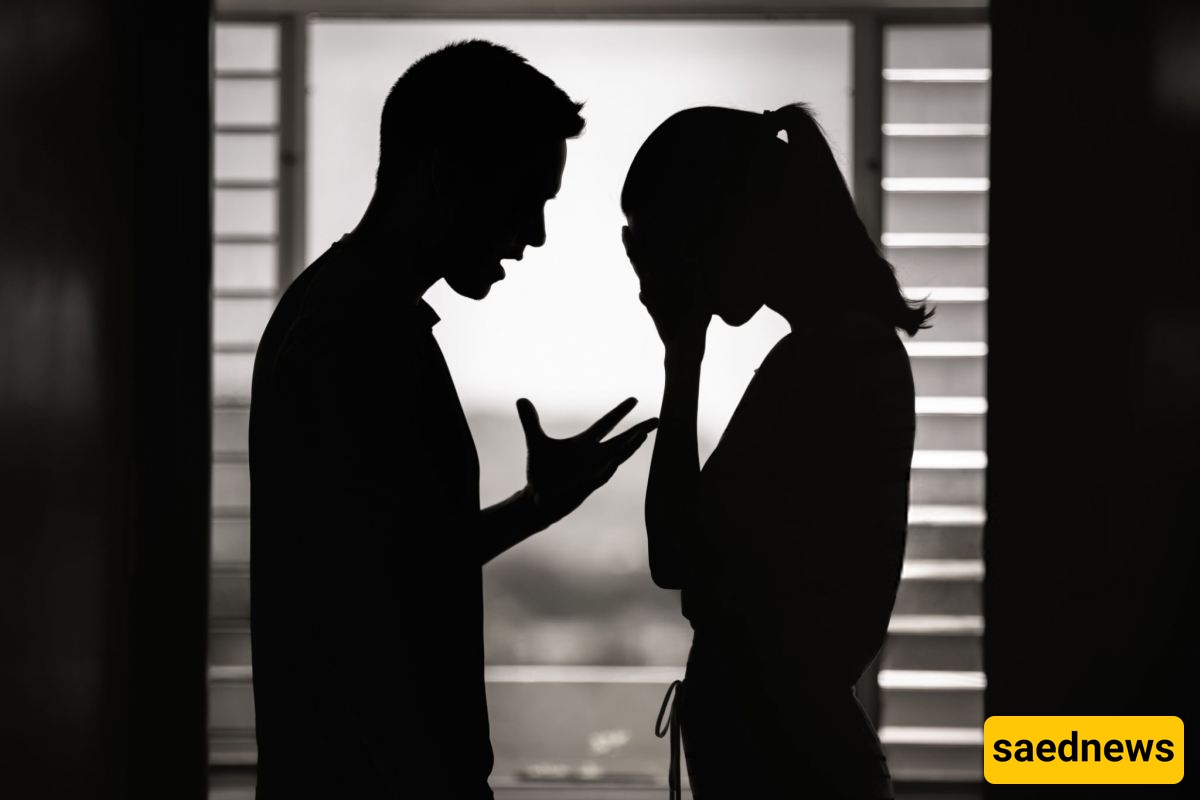
Some behaviors go beyond ordinary relationship tension and may indicate an abusive or potentially dangerous situation.
These warning signs include:
Threatening to harm themselves or another person.
Physical violence, intimidation, threats, or restricting someone's freedom.
Severe financial, social, or communication-related control.
Repeated humiliation, threats to expose private information, or emotional blackmail.
Repeatedly denying reality and creating confusion about events that have occurred.
In these situations, personal safety must come first.
Speaking with a qualified professional, a family support organization, or trusted individuals can be an important first step. If there is immediate danger, contact local emergency services or the appropriate authorities.
The warning signs of a high-conflict partner often include constant criticism, controlling behavior, emotional instability, excessive blame, violations of personal boundaries, punitive silence, and emotional exhaustion.
None of these signs alone provides a definitive assessment of a relationship. What matters most is the persistence of these behaviors and their overall impact on emotional well-being.
A healthy relationship is not one without disagreements. It is one in which differences are handled through respect, accountability, honest communication, and a genuine willingness to improve.
If you constantly feel anxious, guilty, emotionally drained, or unsafe in your relationship, do not dismiss those feelings. Take time to evaluate the situation and seek professional support when necessary.
Recognizing the signs of a high-conflict partner is an important first step toward protecting your mental health and building healthier, more respectful relationships.
Disclaimer: This article is intended for general educational purposes and does not replace professional psychological assessment or counseling. If relationship conflict is severe, persistent, or involves threats or violence, seeking professional help is essential.