SAEDNEWS: Spoiled milk can cause food poisoning. Knowing the warning signs can help you identify spoiled milk and protect your family's health.

According to Saednews, Milk is one of the most widely consumed foods in households. Because of its high nutritional value, it also provides an ideal environment for the growth of microorganisms. This makes milk more likely to spoil than many other food products, especially when it is stored improperly or kept for too long.
One of the most common questions consumers ask is: How can you tell if milk has gone bad? Drinking spoiled milk can lead to food poisoning, digestive problems, and infections.
In this article, we explore the most common signs of spoiled milk, simple ways to identify it at home, the differences between fresh and spoiled milk, common misconceptions, and practical tips to prevent milk from spoiling.
Spoiled milk may contain harmful bacteria and, in some cases, microbial toxins. Consuming it can cause nausea, vomiting, diarrhea, stomach cramps, and more serious gastrointestinal infections.
Children, older adults, pregnant women, and people with weakened immune systems are particularly vulnerable to foodborne illnesses.
Identifying spoiled milk early not only helps prevent food waste but also protects your family's health.
It is important to remember that an unpleasant smell or sour taste is not always the only indication of spoilage. Some types of milk may show no obvious signs during the early stages of contamination. Therefore, knowing what to look for is essential.

One of the earliest and most common signs of spoiled milk is an unusual smell.
Fresh milk has a mild, pleasant smell, whereas spoiled milk often develops a sour, acidic, cheesy, or rotten odor. This happens because bacteria break down lactose and produce lactic acid.
If you notice an unpleasant smell when opening a milk container, discard the milk without tasting it. The risk of spoilage is particularly high when the odor is accompanied by visible changes in appearance.
Fresh milk generally has a mild, slightly sweet taste. Spoiled milk may develop a sour, bitter, or metallic flavor.
However, tasting questionable milk is not recommended because it may contain harmful microorganisms. If the milk smells unusual, never taste it.
Taste should never be used as the primary method of determining whether milk is safe to drink.
Fresh milk usually has a smooth, uniform, and liquid consistency.
Spoiled milk may become thicker, develop sediment, or form visible lumps and curds. These changes occur when increased acidity causes milk proteins to coagulate.
If you notice white clumps or curd-like particles when pouring milk, it may have spoiled.
Some processed milk products may naturally develop slight sediment, but obvious curdling is generally a warning sign.
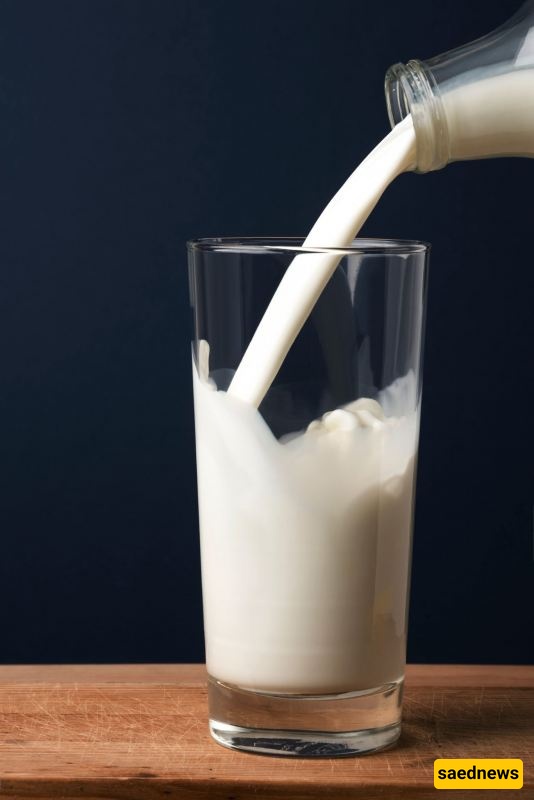
Fresh milk is usually white or slightly creamy in color.
Spoiled milk may develop a yellowish, grayish, or otherwise unusual appearance. Discoloration can sometimes indicate the growth of certain bacteria or molds.
If you notice unusual spots, discoloration, a thick layer of foam, or other visible changes, avoid consuming the milk.
Another possible sign of spoiled milk is the separation of liquid from solid components.
You may notice a clear or semi-transparent layer forming on the surface or at the bottom of the container. This can happen when the structure of milk breaks down as acidity increases.
Separation alone does not always mean milk has spoiled. However, if it occurs alongside an unusual smell or other changes, it should be treated as a warning sign.
One of the simplest ways to avoid consuming spoiled milk is to check its production and expiration dates.
Pasteurized milk generally lasts for several days, while ultra-high-temperature (UHT) milk can remain shelf-stable for several months when unopened.
However, expiration dates are only reliable when milk has been stored properly.
If milk has been left outside the refrigerator for an extended period or exposed to high temperatures, it may spoil even before its expiration date.
The recommended refrigerator temperature for storing milk is approximately 2–4°C (36–39°F).
Avoid storing milk in the refrigerator door because temperatures fluctuate more frequently in this area. Instead, keep it on a middle or lower shelf, where the temperature is more consistent.
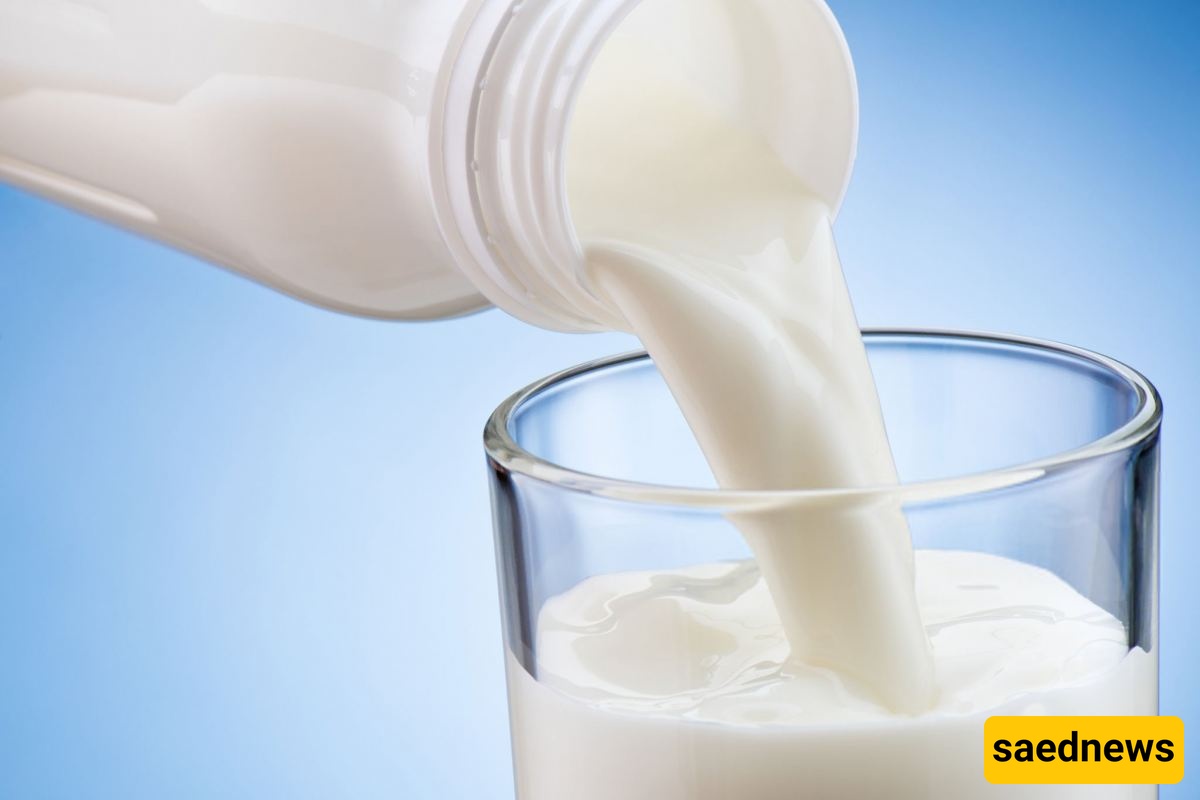
Different types of milk have different shelf lives and spoilage characteristics.
Raw milk: Because it has not undergone heat treatment, raw milk spoils more quickly and may contain harmful microorganisms.
Pasteurized milk: This milk is treated with moderate heat to reduce harmful microorganisms. It must be refrigerated.
UHT milk: Ultra-high-temperature processing gives this milk a much longer shelf life. However, once opened, it must be refrigerated and consumed within the recommended period.
The type of milk affects both how quickly it spoils and how noticeable the signs of spoilage may be.
Raw milk may become sour relatively quickly, whereas UHT milk may remain fresh longer when unopened and properly stored.
One commonly used method is to heat a small amount of milk.
Fresh milk generally heats without any unusual changes. Spoiled milk, however, may curdle during heating or develop a stronger sour smell.
Curdling can occur because of increased acidity and is not necessarily definitive proof of microbial contamination. Nevertheless, when accompanied by an unusual odor, it is an important warning sign.
Important: Heating milk is not a reliable food safety test. Do not taste or consume milk simply because it appears normal after heating.

Pour a small amount of milk into a clean, transparent glass and examine it under good lighting.
Look for:
Unusual lumps or curds.
Unexpected sediment.
Excessive or unusual foam.
Separation of liquid and solid components.
Changes in color or consistency.
You can also gently swirl the milk to see whether its texture remains uniform.
If the milk looks unusual, it is safer to discard it.
If milk curdles quickly when heated and develops a stronger sour smell, it may have spoiled.
However, some milk can curdle naturally because of increased acidity or other factors. Therefore, boiling should not be considered a definitive spoilage test.
Always consider storage conditions, expiration dates, and visible changes rather than relying on this method alone.
There are several misconceptions about spoiled milk that can put consumers at risk.
Myth 1: Boiling spoiled milk makes it safe to drink.
This is incorrect. Boiling may kill some microorganisms, but certain toxins produced by bacteria can remain even after heating and may still cause illness.
Myth 2: Sour milk is always suitable for cooking.
Although intentionally soured milk can be used in certain recipes, milk that has spoiled or may be contaminated should never be used for cooking or baking.
Myth 3: Milk is safe as long as it has not passed its expiration date.
This is also incorrect. Improper storage, temperature fluctuations, and exposure to heat can cause milk to spoil before its expiration date.
Proper storage is just as important as checking the date on the package.

If milk has developed a sour or unusual smell, curdled, or changed color or texture, the safest option is to throw it away.
Never give spoiled milk to children or older adults, and do not use it in foods that will be served without further cooking, such as cold desserts.
After discarding spoiled milk:
Wash the container thoroughly.
Disinfect it if necessary.
Check nearby food products if the milk leaked inside the refrigerator.
Clean any surfaces that came into contact with the spoiled milk.
When in doubt, do not consume it.
Following a few simple storage practices can significantly extend the freshness of milk.
Refrigerate milk immediately after purchasing it.
Store milk in a sealed container.
Maintain a refrigerator temperature of approximately 2–4°C (36–39°F).
Avoid leaving milk at room temperature for extended periods.
Keep milk on a middle or lower refrigerator shelf rather than in the door.
Keep milk away from strong-smelling foods.
Close the container tightly after every use.
Write down the date when you first open the container.
Consume pasteurized milk within the recommended period.
Refrigerate UHT milk immediately after opening and follow the manufacturer's storage instructions.
When purchasing milk, always check the expiration date and make sure the packaging is intact.

Knowing how to identify spoiled milk is essential for protecting your health and preventing foodborne illnesses.
The most common warning signs include a sour or unusual smell, an unpleasant taste, curdling, discoloration, liquid separation, and changes in texture.
However, no single sign can reliably determine whether milk is safe to consume. You should also consider its expiration date, storage conditions, and type.
The most important rule is simple: If you suspect that milk has spoiled, do not drink it. Protecting your family's health is far more important than avoiding the small cost of replacing a carton of milk.
By following proper storage practices and regularly checking your refrigerator, you can reduce food waste and enjoy fresh, nutritious milk safely.