SAEDNEWS: A Guide to Natural Sweeteners and Creative Ways to Enhance Flavor with Spices and Fruits

According to Saednews, Sweetening sour orange juice involves more than simply adding sugar. Choosing the right sweetener, using the appropriate amount, combining it with complementary flavors, and following basic health guidelines all contribute to the final taste and quality of the drink.
Before exploring ways to sweeten orange juice, it helps to understand why some oranges taste more acidic than others. Organic acids, particularly citric acid and ascorbic acid, contribute to the naturally sour taste of oranges. The lower the sugar-to-acid ratio in the fruit, the more sour it tastes.
Several factors can make orange juice taste more sour or bitter, including harvesting fruit too early, incomplete ripening, improper storage temperatures, juicing old or thick-skinned oranges, and accidentally mixing bitter peel or white pith into the juice.
Therefore, improving the taste of sour orange juice starts with choosing the right fruit and using proper juicing techniques.
The key to sweetening sour orange juice is achieving the right balance of flavors. The goal is not necessarily to eliminate all the acidity but to create a naturally sweet, refreshing, and pleasant drink.
Adding too much sweetener not only increases the calorie content but can also overpower the natural flavor of oranges.
Another important tip is to add sweeteners gradually. Start with a small amount, stir well, and taste the juice before adding more. This helps prevent excessive sweetness.
It is also a good idea to chill orange juice before serving. Cold beverages often taste more balanced, making their acidity less noticeable.
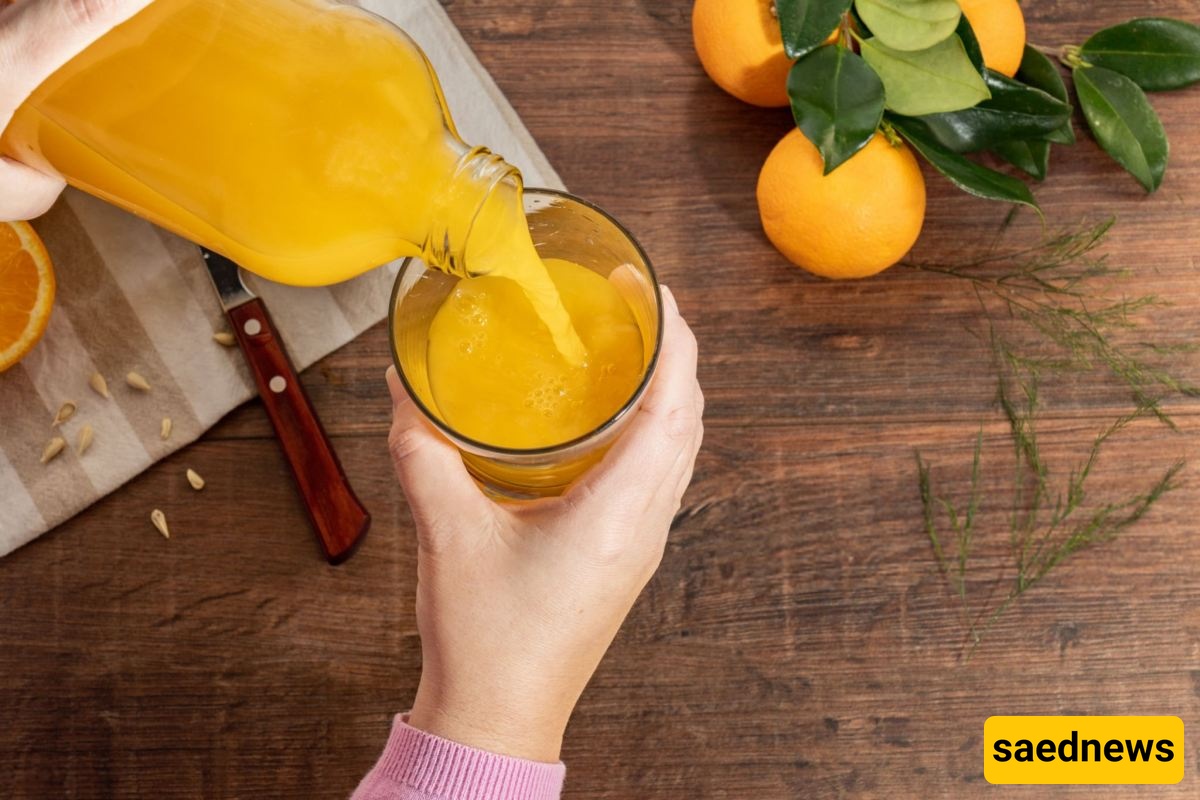
The most common method of sweetening sour orange juice is adding regular sugar. Sugar has a neutral flavor and dissolves relatively quickly in orange juice.
For every 250 ml (one cup) of sour orange juice, start with one tablespoon of sugar. Stir thoroughly and taste the mixture. If necessary, increase the amount to two tablespoons.
For better results, dissolve the sugar in a small amount of warm water before adding the resulting syrup to cold orange juice. This prevents undissolved sugar from settling at the bottom of the glass.
However, excessive sugar consumption is associated with an increased risk of obesity, type 2 diabetes, and dental problems. Therefore, moderation is important.
Honey is a popular natural alternative for sweetening sour orange juice. In addition to adding sweetness, it gives the drink a mild, distinctive aroma.
For each glass of orange juice, one to two teaspoons of honey are usually sufficient. Dissolve the honey in a little warm water before mixing it into the juice.
Honey is suitable for adults, but it must never be given to babies under 12 months of age because of the risk of infant botulism.
People monitoring their blood sugar should also limit honey consumption, as it contains natural sugars and calories.
Date syrup and grape molasses are natural sweeteners that can be used instead of refined sugar. Besides adding sweetness, they give orange juice a distinctive color and flavor.
To sweeten sour orange juice with date syrup, start with approximately one teaspoon per glass and adjust according to taste.
Date syrup has a relatively strong sweetness and may noticeably change the flavor of the drink. Grape molasses is another option, although its distinctive taste may not always complement the aroma of oranges.
Experimenting with small quantities is the best way to find the right balance.
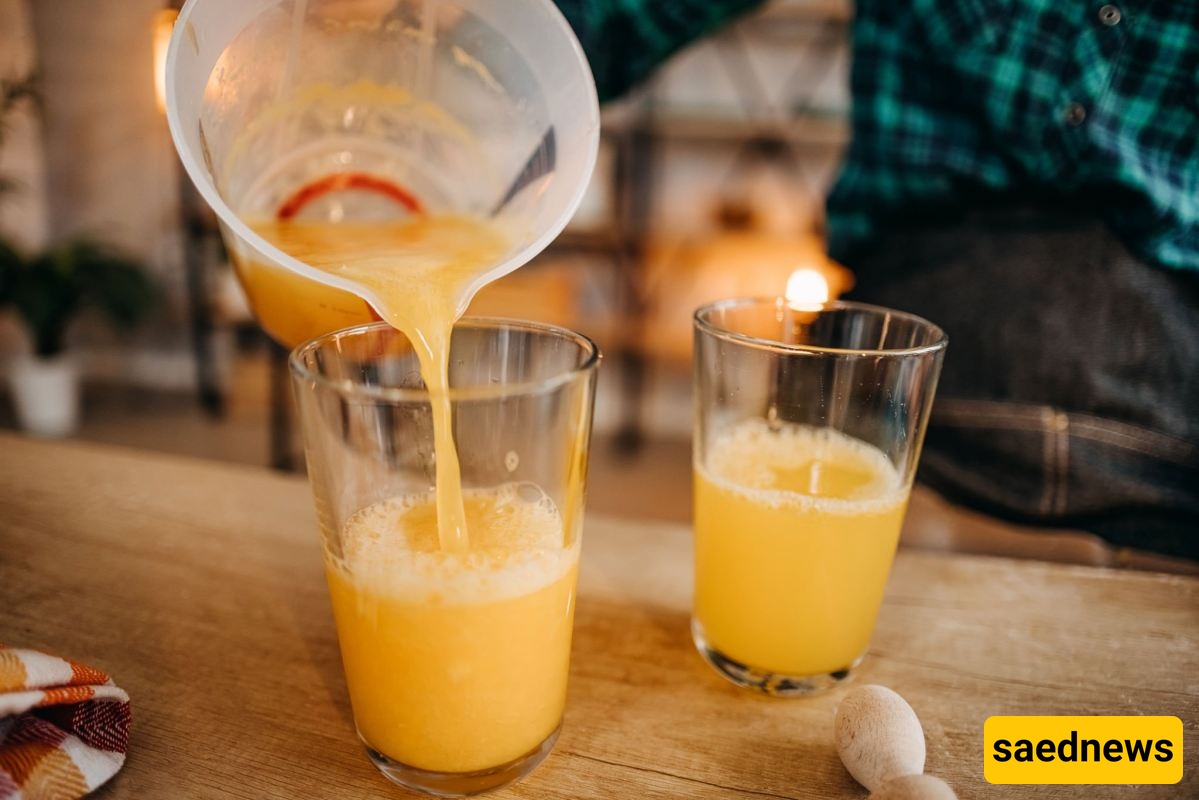
One of the most appealing natural ways to sweeten sour orange juice is to combine it with other fruit juices.
Adding a little apple juice, carrot juice, pineapple juice, or even mashed banana can help balance the acidity.
For example, mixing orange juice with carrot juice creates mild sweetness while also adding nutritional value.
Keep in mind that adding other fruit juices will change the original orange flavor. If you want to preserve the taste of oranges, use a small amount of apple or pineapple juice.
Fresh, ripe fruits are generally a better choice than commercially sweetened fruit drinks.
Sometimes, adding a small amount of spices or natural flavor enhancers can make sour orange juice taste more balanced.
Cinnamon, fresh ginger, mint, vanilla, and even a tiny pinch of salt can improve the overall flavor.
A small pinch of salt may help balance the perception of acidity, but avoid adding so much that the drink tastes salty.
Cinnamon is particularly suitable for enhancing orange juice during colder months. Add a little ground cinnamon or a cinnamon stick and let the juice rest in the refrigerator for a few minutes.
Fresh mint also adds a refreshing aroma that makes the drink more enjoyable.
The ideal amount of sweetener depends on personal preference and how sour the oranges are. However, the following measurements provide a useful starting point:
For every 250 ml of sour orange juice: 1–2 tablespoons of sugar.
For every 250 ml of sour orange juice: 1–2 teaspoons of honey.
For every 250 ml of sour orange juice: 1 teaspoon of date syrup or grape molasses.
For a fruit juice blend: Mix one-third apple or carrot juice with two-thirds orange juice.
Always start with a smaller quantity and gradually add more if needed. Adding sweetener is easy, but removing it once mixed into the juice is difficult.
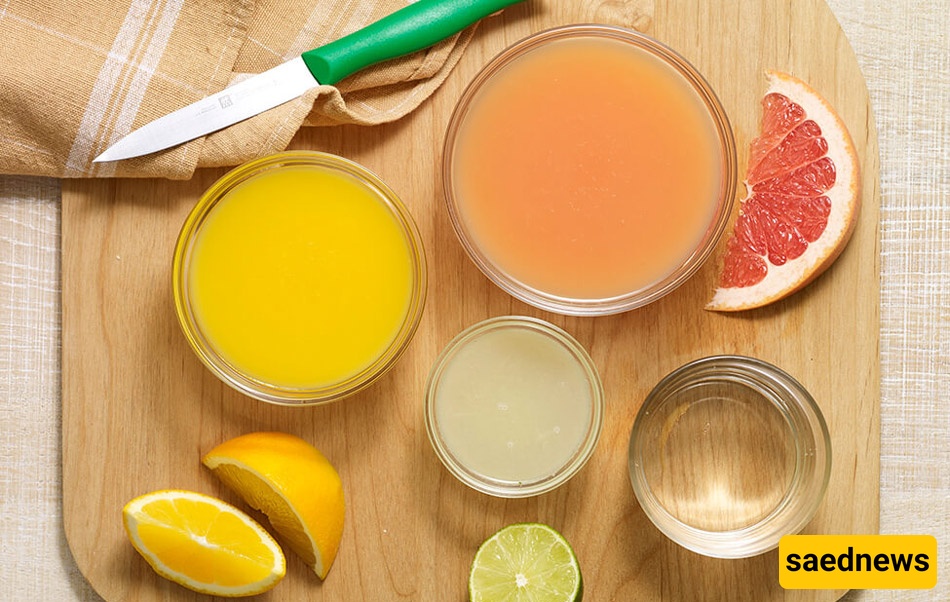
If you serve orange juice with ice, remember that melting ice can dilute the flavor.
Follow these simple steps to prepare a delicious and well-balanced orange juice drink:
Choose fresh, ripe oranges. Heavier oranges are often juicier and may contain more juice.
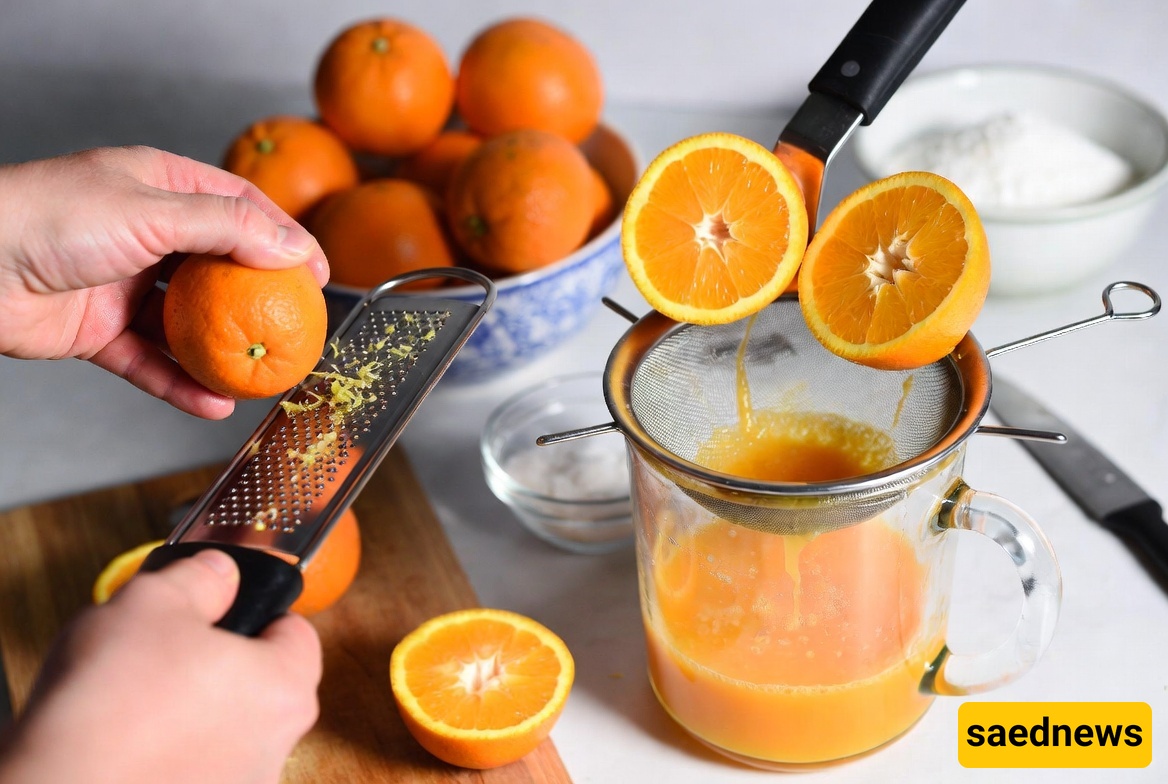
Wash the fruit thoroughly. Extract the juice carefully, avoiding excessive pressure on the peel and white pith, which can introduce bitterness.
Strain the juice. Remove seeds and large pulp particles if desired.
Add your preferred sweetener gradually. Stir thoroughly after each addition.
Refrigerate the drink for a few minutes. This allows the flavors to blend together.
Taste before serving. Add a little more sweetener if necessary.
Garnish and serve. Add ice cubes, fresh mint leaves, or a slice of orange for a refreshing presentation.

One of the most common mistakes is adding too much sugar at the beginning. This can make the drink excessively sweet and overpower the natural orange flavor.
Another mistake is adding granulated sugar without dissolving it properly, which can cause it to settle at the bottom of the glass.
Some people dilute orange juice with water to reduce its sourness. Although this can make the acidity less noticeable, it also weakens the natural orange flavor.
Adding sugar to heated or boiled orange juice may also contribute to the loss of some vitamin C due to heat exposure. It is better to sweeten orange juice while it is cold or at room temperature and avoid excessive heating.
When sweetening sour orange juice, it is important to consider the health effects of added sweeteners.
Excessive consumption of sugar and other calorie-rich sweeteners may contribute to weight gain and metabolic health problems.
People with diabetes or those monitoring their blood sugar should discuss appropriate sweetener quantities with a healthcare professional or registered dietitian.
Freshly squeezed orange juice should be stored in a sealed container in the refrigerator and consumed within two to three days for the best quality.
Adding honey or fruit syrup does not significantly extend its storage life.
If you want to preserve orange juice for longer, freeze it in ice cube trays and thaw the desired amount when needed.
Sweetening sour orange juice does not have to mean adding large amounts of sugar. Honey, date syrup, grape molasses, naturally sweet fruit juices, and aromatic ingredients such as cinnamon and mint can all help improve its flavor.
The best approach is to experiment with small quantities, choose fresh and ripe oranges, and maintain a balance between sweetness and natural acidity.
With the right ingredients and a few simple techniques, you can turn overly sour orange juice into a refreshing, flavorful drink without losing its natural character.
Remove the unsupported health claimClarify the banana recommendationTrim repetitive concluding sections