SAEDNEWS: Explore the Psychology of Personal Growth and Practical Ways to Create Lasting Positive Changes in Life.
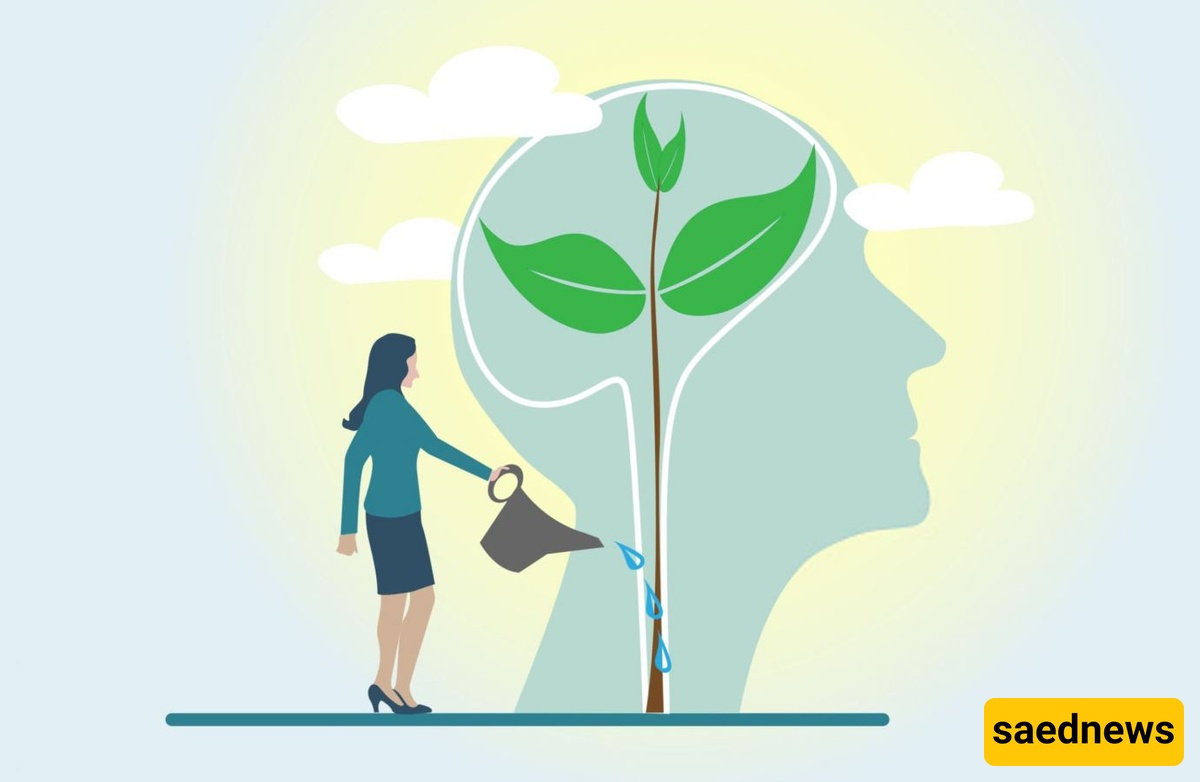
According to Saednews, Personal growth is one of the most important and practical concepts in psychology and human life. Many people believe that personality development can be achieved simply by reading books or attending motivational courses. However, personal growth is a gradual, continuous, and multidimensional process.
It involves self-awareness, taking responsibility, setting goals, learning new skills, managing emotions, and improving interpersonal relationships. The central question is: How can we develop our personality, and what steps can we take to create lasting changes in our lives?
In psychology, personality development refers to the conscious process of moving from one's current state toward a more mature, balanced, and effective version of oneself. This transformation rarely happens overnight. Instead, it results from small daily decisions, feedback from the environment, and continuous improvements in behaviour.
This article explores the concept of personal growth in psychology and presents practical strategies for developing a healthier and more balanced personality.

Personal growth in psychology refers to a series of cognitive, emotional, and behavioural changes that improve an individual's quality of life and ability to adapt to themselves, others, and their environment.
This concept is closely associated with self-awareness, self-acceptance, psychological flexibility, and personal responsibility. Personal growth is not simply about achieving external success; it also involves developing inner strength and emotional maturity.
From a psychological perspective, personality is a relatively stable combination of individual characteristics, thought patterns, emotional responses, and behavioural tendencies. However, personality is not entirely fixed. Life experiences, learning, relationships, therapy, and intentional practice can all contribute to behavioural change.
Therefore, personality development does not mean rejecting the past or completely changing who you are. Instead, it means becoming more self-aware and making healthier, more constructive choices.
Personality development is important because it influences mental health, relationship quality, professional performance, resilience to stress, and overall life satisfaction.
People who actively work on personal growth are generally better equipped to regulate their emotions, make realistic decisions, and remain emotionally balanced during challenging situations.
Personality development also encourages individuals to take responsibility for their contribution to problems. Rather than constantly blaming other people or circumstances, they learn to focus on the changes within their control.
This mindset is an essential foundation for psychological independence and emotional maturity.
In psychology, maturity does not mean being perfect. It means recognising personal limitations, facing reality, and choosing responsible behaviours.
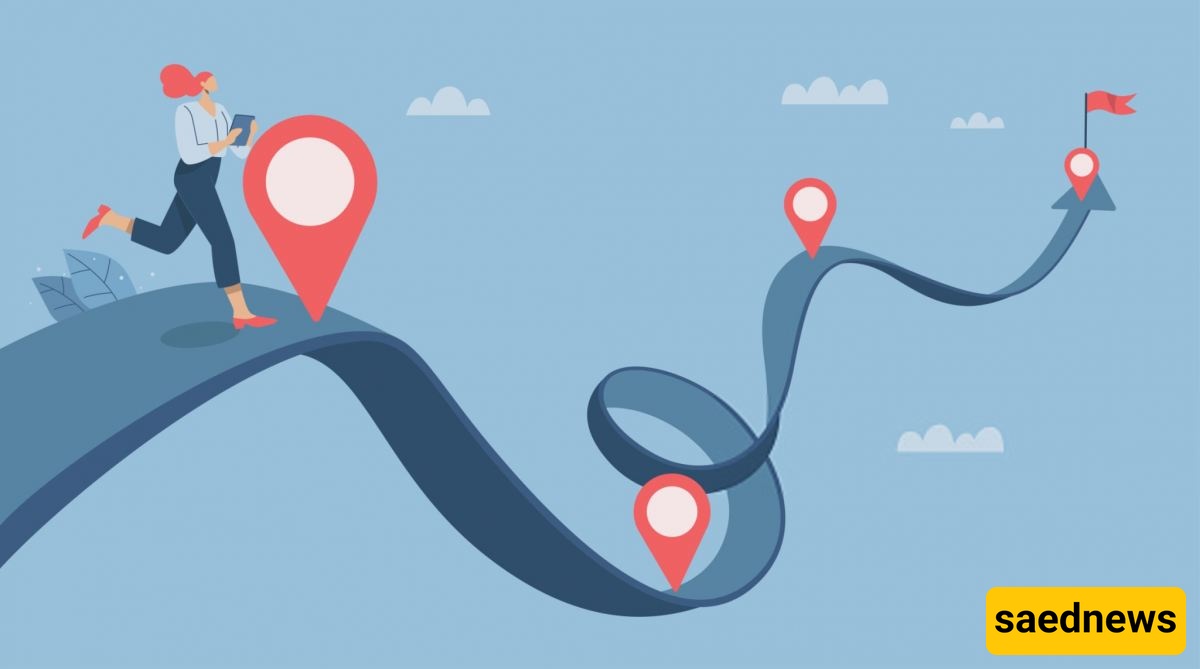
The answer to this question lies in a combination of practical and consistent actions. Personal growth does not happen through a few major decisions. It develops through repeating small, positive behaviours over time.
Self-awareness is the first step towards personal growth. Without understanding your beliefs, values, strengths, weaknesses, fears, and emotional patterns, lasting change can be difficult.
Self-awareness helps you recognise which situations trigger emotional reactions, which behaviours you repeat automatically, and what truly matters to you.
Some effective ways to improve self-awareness include:
Keeping a daily journal.
Recording and reflecting on your emotions.
Examining the motivations behind your actions.
Asking yourself meaningful questions.
Seeking honest feedback from people you trust.
Self-awareness should go hand in hand with self-acceptance. Without accepting your current reality, personality development can turn into excessive self-criticism and feelings of failure.

Goal setting is one of the foundations of personal growth. Realistic, specific, and measurable goals provide direction and make progress easier to evaluate.
Instead of setting vague goals, translate them into daily actions.
For example, the goal of improving communication skills could become: "I will practise active listening for ten minutes every day."
Your goals should also reflect your personal values. Goals chosen merely because of comparisons with others are often difficult to maintain.
In personality development, the quality of the journey is just as important as the final result. Breaking larger goals into smaller steps creates a sense of progress and helps maintain motivation.
Learning is one of the most effective tools for personality development. Reading books, attending educational courses, developing new skills, observing positive role models, and receiving feedback can broaden your perspective.
Learning is not limited to academic knowledge. It also includes essential life skills such as:
Problem-solving.
Negotiation.
Time management.
Emotional regulation.
Effective communication.
For meaningful personal growth, learning should be purposeful and consistent. Consider focusing on one specific skill each month and regularly evaluating your progress.
Active learning, which involves applying new knowledge to everyday situations, is far more effective than simply collecting information.

A significant part of our personality and behaviour is influenced by habits. When repeated consistently, small habits can gradually lead to lasting changes.
Instead of attempting to change every aspect of your life at once, focus on one or two important habits.
Examples include:
Maintaining a regular sleep schedule.
Exercising for a short period every day.
Reading for ten minutes daily.
Practising gratitude.
Setting aside time for reflection.
Building habits requires a supportive environment, a clear routine, and the ability to accept occasional setbacks.
Personal growth is not about perfectionism. Giving up after one unproductive day can interrupt progress. In psychology, consistency and the ability to return to positive routines are more important than being perfect.
Personality development is incomplete without emotional regulation.
Emotions provide valuable information about personal needs, experiences, and boundaries. However, automatically reacting to emotions can lead to impulsive decisions and interpersonal conflicts.
Emotional regulation does not mean suppressing feelings. It means recognising, accepting, and choosing how to respond to them constructively.
Important emotional regulation techniques include:
Pausing before reacting.
Practising mindful breathing.
Identifying and naming emotions.
Reflecting on the possible consequences of your behaviour.
Choosing a thoughtful response instead of an impulsive reaction.
These skills help individuals remain more balanced and make better decisions in difficult situations.

Human beings are social by nature, and personality development takes place within the context of relationships.
Healthy relationships provide emotional security, mutual support, and opportunities for learning. In contrast, harmful relationships can interfere with personal development.
For this reason, it is important to evaluate personal boundaries, communication patterns, and the overall quality of your relationships.
Constructive feedback is another valuable tool for personality development. People who can listen to feedback without becoming excessively defensive and reflect on what they hear often make greater progress.
However, feedback should come from trustworthy sources and be delivered respectfully. Personal growth does not mean accepting every criticism without question. It means evaluating feedback fairly and thoughtfully.
Resilience is the ability to recover from difficulties and maintain functioning during challenging circumstances.
Personality development often takes place when we face challenges rather than when everything is comfortable.
People who view failure as part of the learning process are more likely to continue working towards their goals.
To strengthen resilience, focus on:
Developing problem-solving skills.
Accepting personal limitations.
Building supportive social relationships.
Learning from difficult experiences.
Reframing challenging situations.
Resilience does not mean enduring everything without support. Knowing when to ask for help is also an important part of psychological strength.
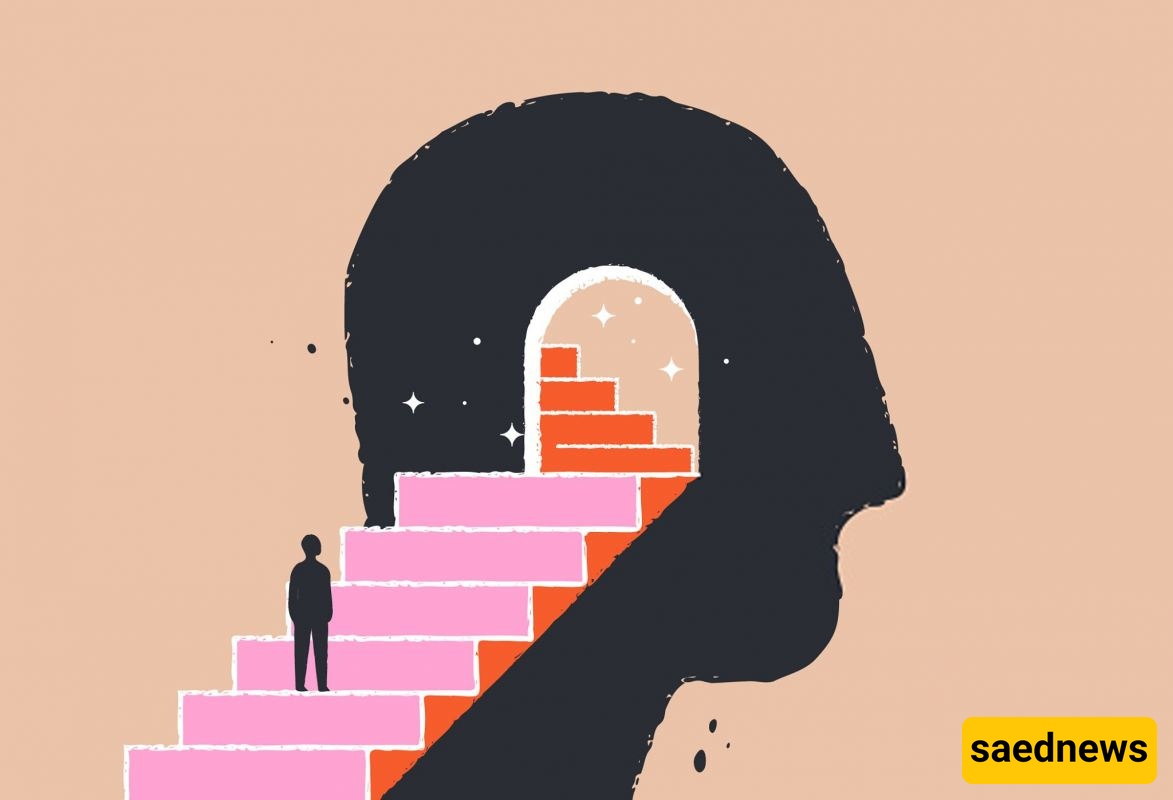
Personality development requires commitment and discipline.
Self-discipline helps individuals balance immediate desires with long-term goals. Personal responsibility means accepting the consequences of one's actions and making an effort to correct mistakes.
These qualities form the foundation of self-confidence and the trust others place in us.
To develop self-discipline, start with simple routines, prioritise important tasks, and reduce unnecessary distractions.
It is also important to maintain realistic expectations. Excessively demanding routines can lead to exhaustion rather than sustainable personal growth.
Personality development cannot be sustained without taking care of physical and mental health.
Adequate sleep, balanced nutrition, regular physical activity, and managing chronic stress support the cognitive and emotional abilities needed for learning and personal change.
Some difficulties that appear to be signs of poor personality traits may actually result from exhaustion, sleep deprivation, chronic stress, or burnout.
Before starting a personal development programme, consider evaluating your sleep quality, energy levels, nutrition, and opportunities for rest.
The body and mind function as an interconnected system. When basic energy levels are low, practising psychological skills becomes more difficult.
Physical health provides an important foundation for emotional regulation and self-discipline.
Many people believe that personality development begins with being extremely hard on themselves. However, psychological research suggests that self-compassion can provide a more sustainable foundation for personal change.
Self-compassion does not mean justifying every behaviour or avoiding responsibility. It means treating yourself with kindness and respect when you make mistakes or experience failure.
People who constantly criticise themselves may gradually begin avoiding their weaknesses, making personal growth more difficult.
In contrast, individuals who view mistakes as opportunities to learn can examine themselves more honestly and take greater responsibility for their actions.
Self-acceptance and personal responsibility are not contradictory. They complement one another.
Personality development becomes more sustainable when it aligns with personal values.
Values guide behaviour and help individuals make decisions in uncertain situations.
To identify your values, consider asking yourself:
What truly matters to me in my relationships, career, and personal life?
What kind of person do I want to become?
What would I like my actions to say about me at the end of this year?
Finding meaning can also help individuals remain resilient during difficult periods.
The meaning of life does not necessarily have to be a grand philosophical concept. It can be found in relationships, helping others, creativity, learning, or building a life that reflects personal values.
Mindfulness is the ability to observe thoughts and emotions without immediately reacting to them.
This skill creates a conscious space between a stimulus and a response, allowing individuals to choose more constructive behaviours.
Simple mindfulness exercises include:
Paying deliberate attention to your breathing.
Observing thoughts without judging them.
Recording daily emotional experiences.
Paying attention to the present moment during everyday activities.
Over time, these practices can strengthen self-awareness and emotional regulation.
Mindfulness is not a replacement for planning or taking action. Instead, it improves the quality of attention and awareness throughout the personal development journey.
Understanding the obstacles to personal growth is just as important as knowing which strategies to follow.
Some of the most common barriers include:
Perfectionism: Expecting everything to be perfect can prevent people from starting or maintaining positive changes. Growth begins with accepting imperfections rather than trying to eliminate them completely.
Excessive comparison with others: Constant comparison shifts attention away from personal values and towards external approval, increasing feelings of inadequacy.
Expecting immediate results: Personality and behavioural changes take time. Expecting rapid transformation can lead to disappointment and giving up.
Avoiding discomfort: Personal growth often involves some degree of discomfort. Avoiding every difficult situation can limit valuable learning opportunities.
Depending entirely on external motivation: Commitment based only on other people's approval may disappear after the first setback.
Ignoring environmental influences: Changing behaviour becomes more difficult without improving the surrounding environment, such as reducing distractions and building supportive relationships.
Personal growth does not necessarily require professional therapy. Many individuals can make meaningful progress through self-awareness, learning, and consistent practice.
However, professional support can make the process safer and more effective in certain circumstances, particularly when someone experiences:
Chronic anxiety or depression.
Unresolved trauma.
Harmful relationship patterns.
Very low self-esteem.
Repeated interpersonal conflicts.
In these situations, psychotherapy provides a safe environment to understand unconscious patterns, process difficult experiences, and develop new psychological skills.
Seeking professional help is not a sign of weakness. It is an important part of taking responsibility for mental health.
If you experience severe or persistent symptoms, such as reduced daily functioning, ongoing hopelessness, sleep disturbances, or thoughts of self-harm, consulting a qualified mental health professional is recommended.
To turn personal development from an idea into action, you can begin with a small and realistic plan.
Week 1: Develop self-awareness
Every evening, write three short lines about one emotion you experienced, one behaviour you noticed, and one lesson you learned that day.
Week 2: Establish a small daily habit
Choose one simple habit, such as walking for ten minutes or reading for ten minutes, and practise it every day.
Week 3: Set a short-term goal
Choose one specific short-term goal and divide it into three practical steps.
Week 4: Seek constructive feedback
Ask someone you trust for feedback and take some time to reflect on their observations.
At the end of the month: Evaluate your progress
Review your achievements, challenges, and areas that need improvement. Use these observations to create a realistic plan for the following month.
This simple structure encourages consistency while helping prevent excessive pressure and burnout.
Personal growth in psychology is a conscious, gradual, and multidimensional process. It develops through self-awareness, self-acceptance, realistic goal setting, continuous learning, emotional regulation, healthy relationships, resilience, and personal responsibility.
The answer to the question, "How can we develop our personality?" is not a single major decision. It lies in consistently practising small and constructive behaviours every day.
Personality development does not mean achieving perfection or eliminating every weakness. Instead, it involves becoming more self-aware, psychologically flexible, and responsible in the way we approach life.
The journey is not always linear. It includes setbacks, adjustments, and opportunities to begin again.
What matters most is not waiting for ideal circumstances but starting from where you are, using small and consistent steps.
Ultimately, personal growth is not a destination but a way of living—a lifestyle in which learning, self-honesty, and personal responsibility become everyday habits.
Note: This article is intended for general educational purposes and does not replace professional psychological assessment or counselling. If you experience severe or persistent psychological difficulties, consulting a qualified psychologist or psychiatrist is recommended.
Add an SEO-friendly Discover headlineReplace the repeated section transitions