SAEDNEWS: Yeast is the key ingredient responsible for making dough rise. A simple test can help you determine whether your yeast is still active. In this article, you'll learn how to test yeast and identify the common signs that it has gone bad.
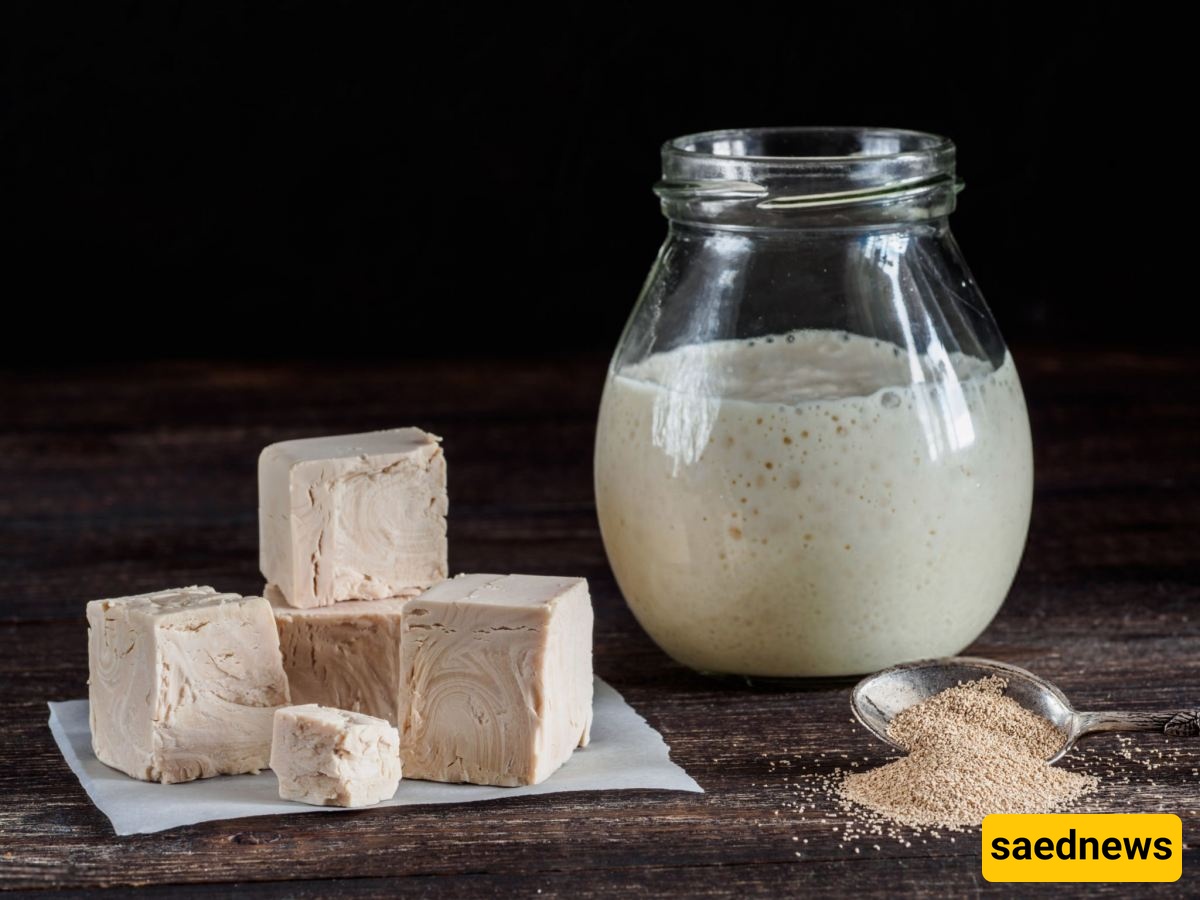
According to Saednews, Yeast is one of the most important ingredients in baking bread, pastries, and many other fermented products. The quality and freshness of yeast directly affect the final product's volume, texture, taste, and aroma.
If yeast has gone bad, the dough may fail to rise even when you follow the recipe carefully, leading to disappointing results. That's why testing yeast for freshness and activity before you start baking is a simple but essential step.
Many people assume that the expiration date is the only factor that determines whether yeast is still good. However, storage conditions, yeast type, and activation methods also play an important role in its performance.
In this article, we'll explore practical and reliable ways to test yeast, identify signs of spoilage, avoid common testing mistakes, and learn how to store yeast properly so you can bake with confidence.
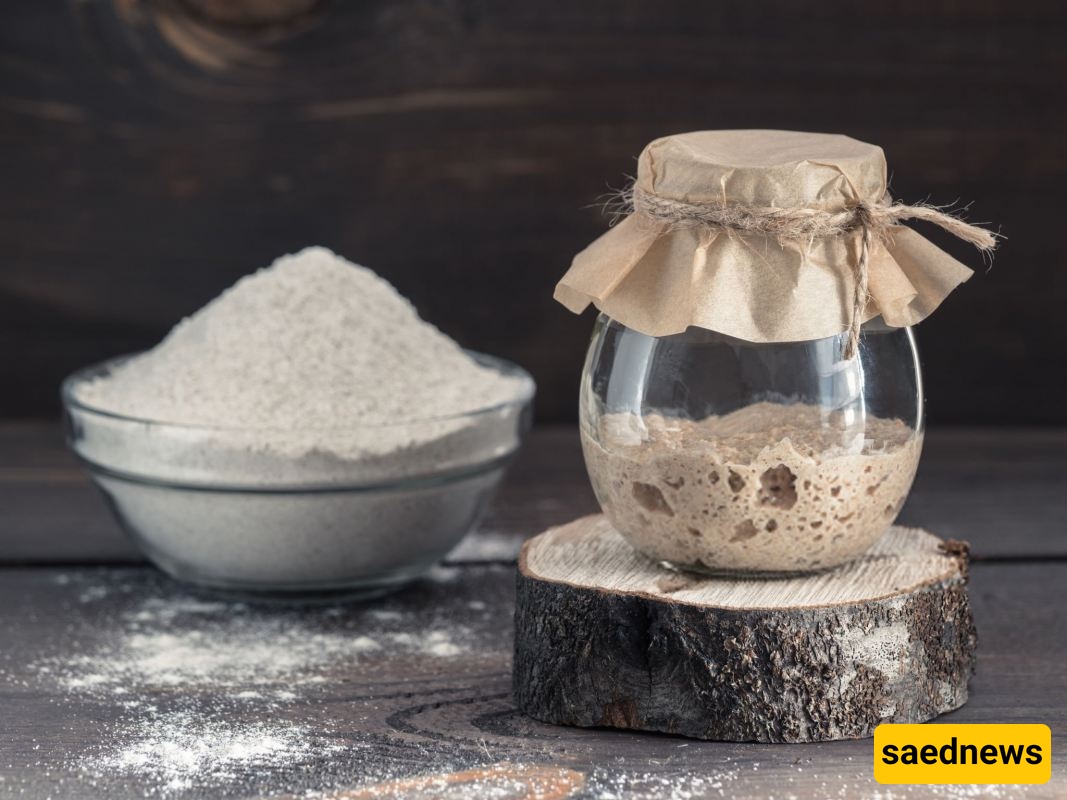
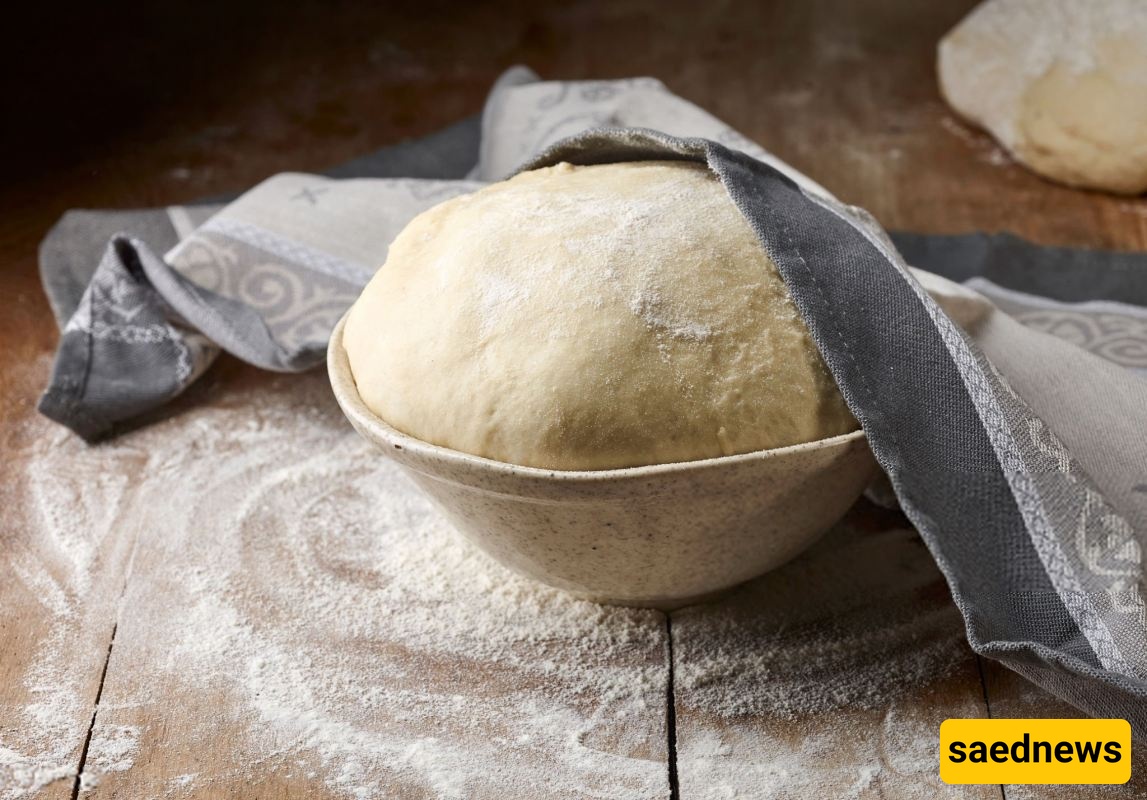
Yeast is a living microorganism containing microscopic fungi that feed on sugar and produce carbon dioxide gas. This gas causes dough to rise and creates a light, airy texture. If yeast is dead or weak, fermentation will not take place properly, leaving the dough heavy and dense.
Testing yeast before use helps prevent wasting ingredients, time, and energy. Imagine mixing a large amount of flour, sugar, oil, and eggs with inactive yeast. All those ingredients could go to waste.
Additionally, certain signs of spoilage, such as mold or unpleasant odors, may pose health risks. Knowing how to recognize spoiled yeast can therefore save money and help prevent potential food safety issues.
Yeast becomes active in the presence of warm water, sugar, and suitable temperatures. The microorganisms consume sugar and produce carbon dioxide and alcohol. The carbon dioxide becomes trapped in the dough's gluten network, causing it to expand. During baking, the alcohol evaporates and contributes to the bread's aroma.
The ideal temperature for yeast activity is generally between 25°C and 30°C (77°F–86°F). Water that is too hot can kill the yeast, while cold water slows down its activity.
For this reason, when testing yeast with water and sugar, it is important to use warm water rather than boiling water.
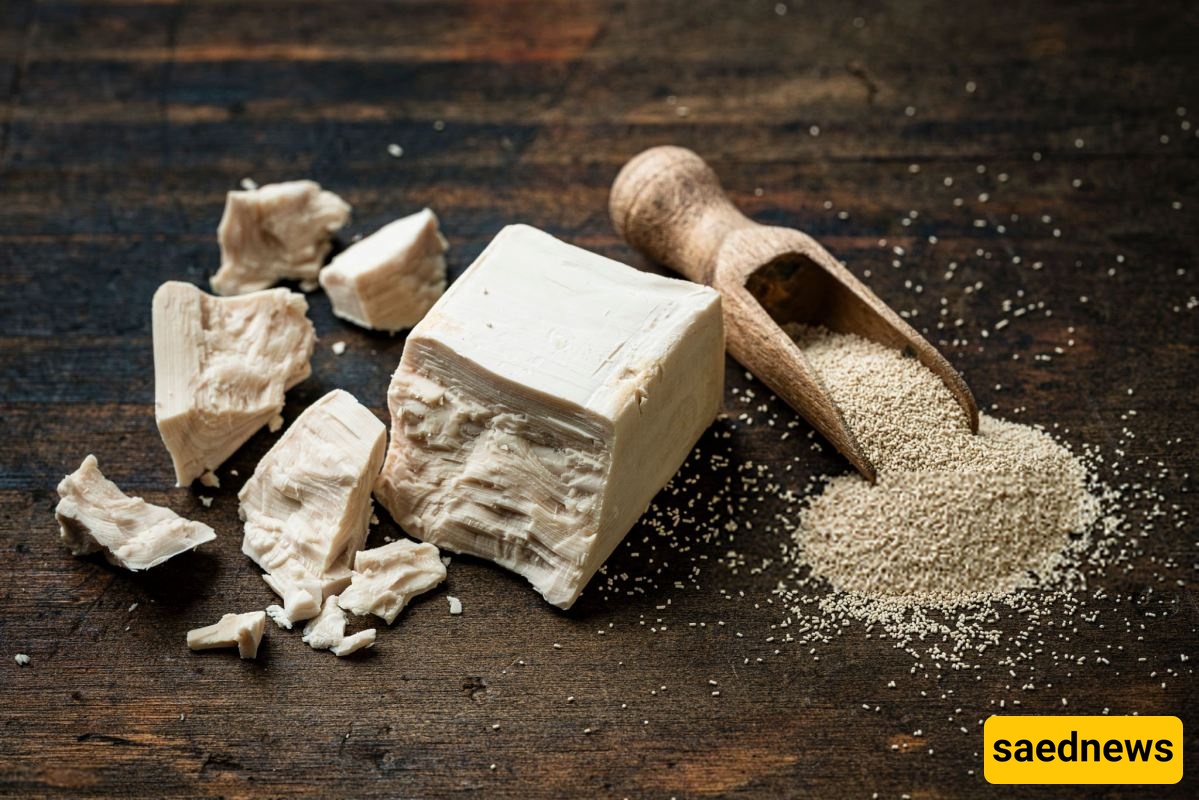
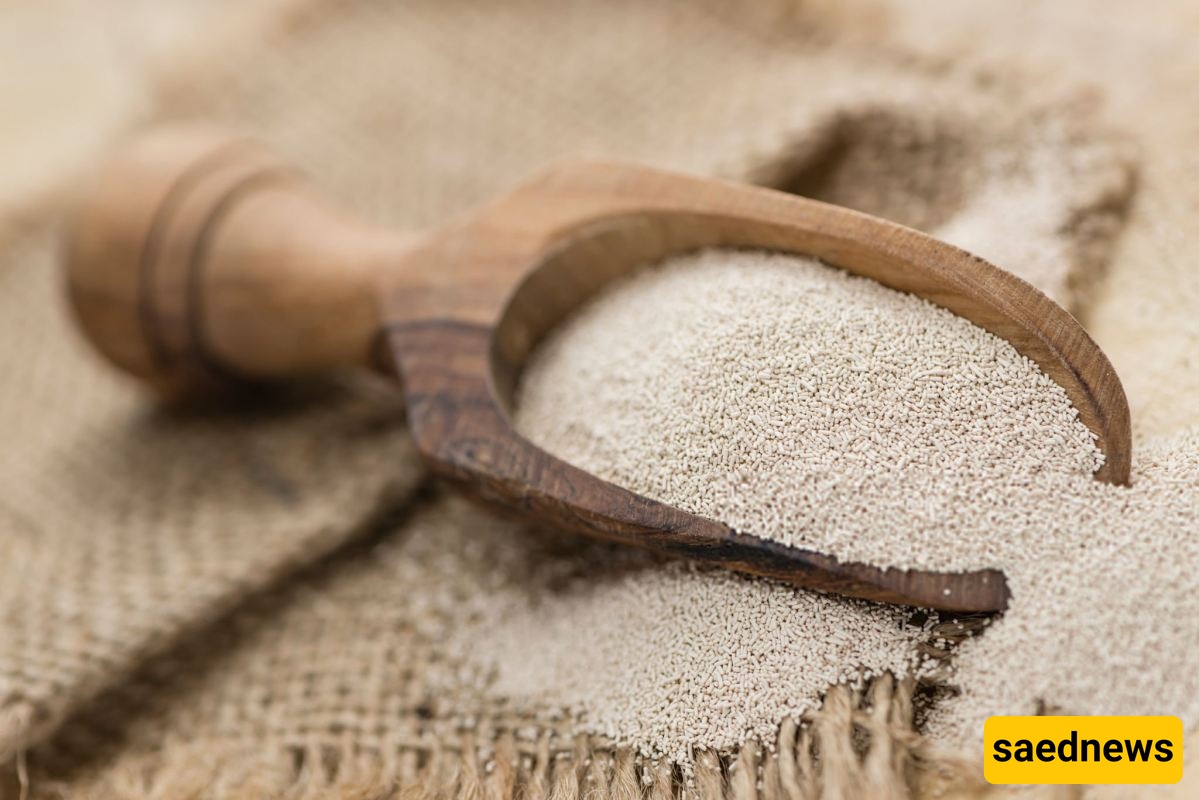
Active dry yeast should generally be dissolved in warm water before being added to dry ingredients. To test it, dissolve a small amount in warm water with sugar and wait 10–15 minutes.
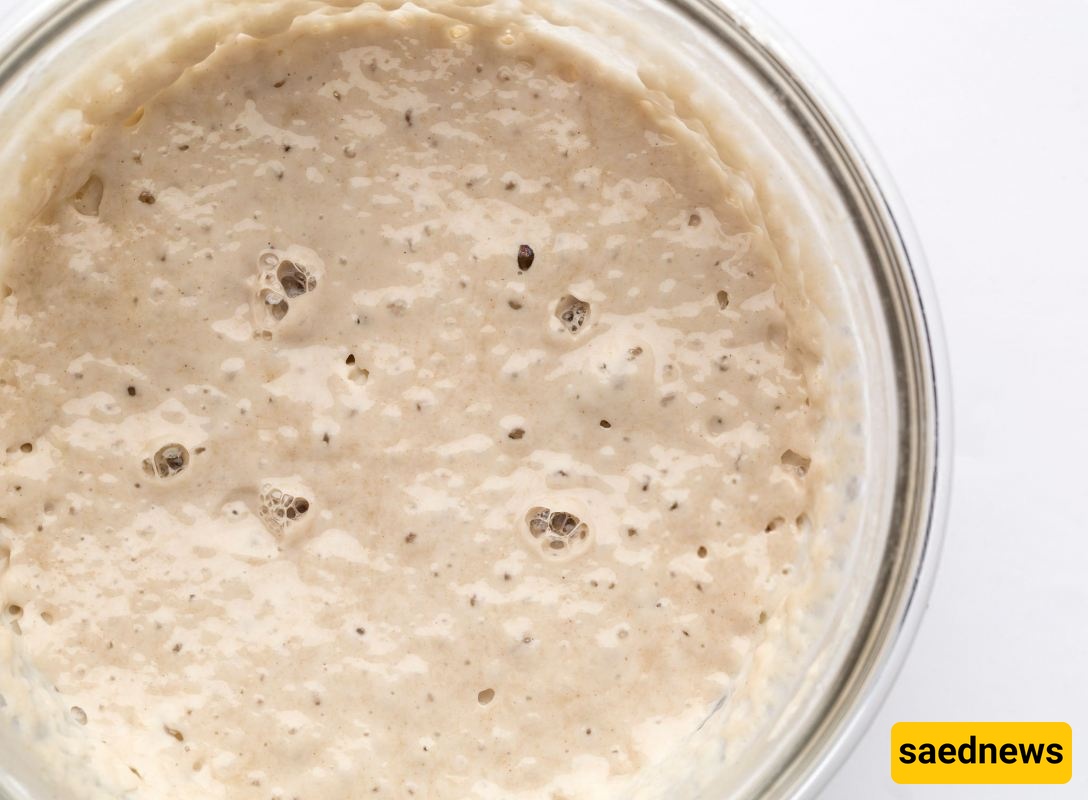
The formation of foam and bubbles on the surface indicates that the yeast is active.
Instant yeast usually does not require separate activation and can be added directly to flour. However, you can still perform the water-and-sugar test to check whether it is active.
In some cases, instant yeast may begin producing bubbles more quickly than active dry yeast.
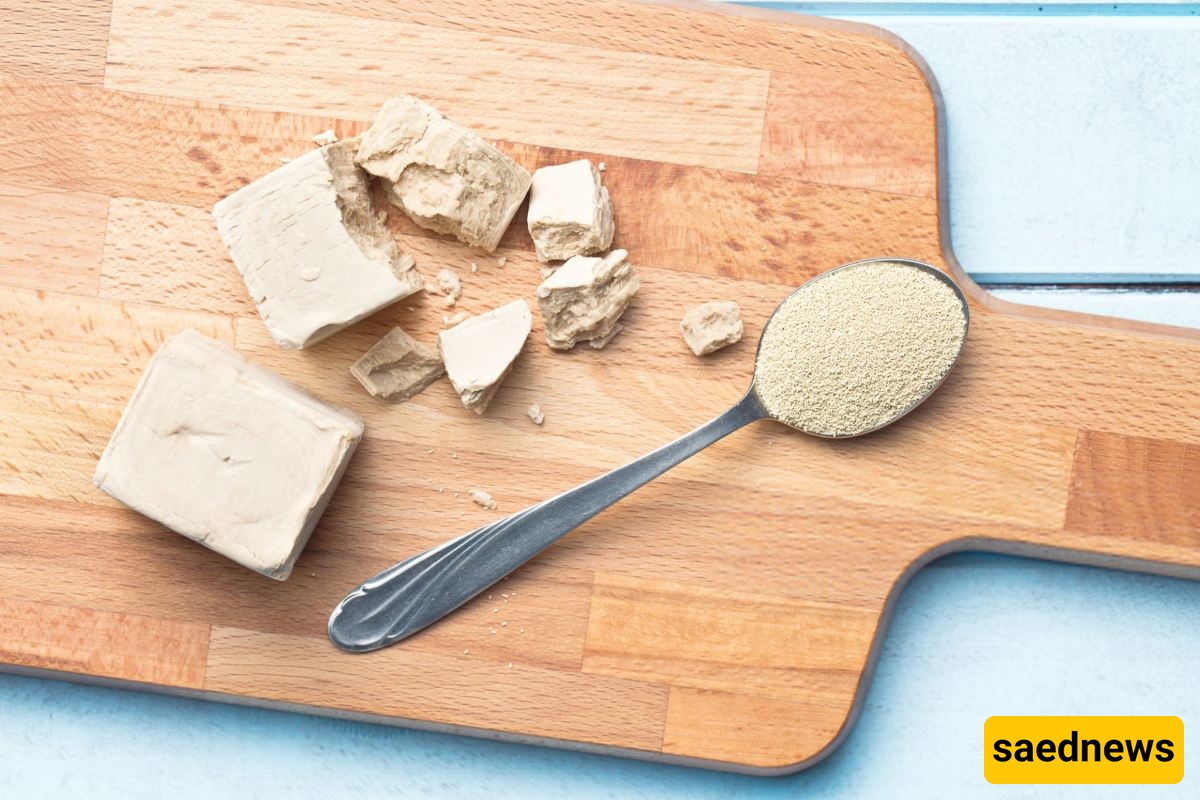
Fresh yeast is sold in compressed blocks and is usually stored in the refrigerator.
To test it, dissolve approximately 10–20 grams in warm water with a little sugar. Fresh yeast should have a pleasant, slightly alcoholic smell and begin producing foam after a few minutes.
If it has become discolored, developed an unpleasant odor, or shows signs of mold, it should be discarded.
This is one of the easiest and most reliable ways to check whether yeast is still active.
½ cup warm water (approximately 35–40°C or 95–104°F)
1 teaspoon sugar
1 packet of dry yeast (approximately 7 grams) or 10–20 grams of fresh yeast
Pour the warm water into a small bowl. It should not be too hot. If you can comfortably touch the water without feeling a burning sensation, it is likely suitable.
Add the sugar and stir until it dissolves.
Sprinkle the yeast over the surface of the water and stir gently. There is no need to mix vigorously.
Place the bowl in a warm location away from drafts and wait 5–10 minutes.
Check the surface. Active yeast should produce foam and bubbles. A mild alcoholic smell is also a sign of fermentation.
If no bubbles or foam appear after 10–15 minutes, the yeast may be inactive or spoiled and should not be used.
A thick layer of foam and plenty of bubbles: The yeast is active and healthy.
A small amount of foam and scattered bubbles: The yeast may be weak. It could require a longer fermentation time.
No bubbles or foam: The yeast is likely inactive and should be replaced.
If the yeast produces only a small amount of foam, you may need to allow more time for the dough to rise. However, using fresh yeast is generally the safer option when its activity is questionable.
Never add yeast that shows no signs of activity to your dough. Excessively hot water, improper storage, or contact with certain ingredients may have damaged it.
In addition to the water-and-sugar test, several visual and sensory signs can help you identify spoiled yeast.
Expired date: Yeast past its expiration date may have lost some or all of its activity.
Unpleasant smell: Sour, rotten, or chemical odors may indicate spoilage.
Discoloration: Fresh yeast that becomes unusually dark, yellow, or develops abnormal spots should be discarded.
Mold growth: Any visible mold is a clear reason to throw the yeast away.
Hardening or unusual texture: Dry yeast should not become a hard, moisture-damaged mass.
Damaged packaging: Open or moisture-exposed yeast packets may lose their effectiveness.
No activity during testing: Failure to produce bubbles in the water-and-sugar test is a strong indication that the yeast is no longer active.
Sometimes, an incorrect testing method can produce misleading results and make you think your yeast is spoiled when it is not.
Here are some common mistakes to avoid:
Using boiling or excessively hot water, which can kill yeast microorganisms.
Using cold water, which slows down yeast activity.
Adding salt to the testing mixture, as salt can inhibit yeast activity.
Adding too much sugar, which can create osmotic stress and interfere with yeast performance.
Not waiting long enough. Some yeast varieties may need 10–15 minutes to show visible activity.
Using a greasy or contaminated container that could affect the test.
Proper storage is essential to prevent yeast from going bad and maintain its effectiveness.
Store dry yeast in an airtight container away from moisture, light, and heat. Keeping it in the refrigerator or freezer can extend its shelf life, provided that it is properly sealed and protected from moisture.
Fresh yeast should always be refrigerated at the appropriate temperature and generally has a shorter shelf life than dry yeast.
Always check the production and expiration dates. Once a package has been opened, transfer the remaining yeast to a clean, dry, airtight container.
If your yeast fails the activity test or shows signs of spoilage, the best option is to discard it.
Using spoiled or inactive yeast will not produce the desired baking results and may waste other ingredients. It can also introduce unpleasant odors or potential food safety concerns.
Whenever possible, replace it with fresh yeast from a reliable source and perform the simple water-and-sugar test before adding it to your recipe.
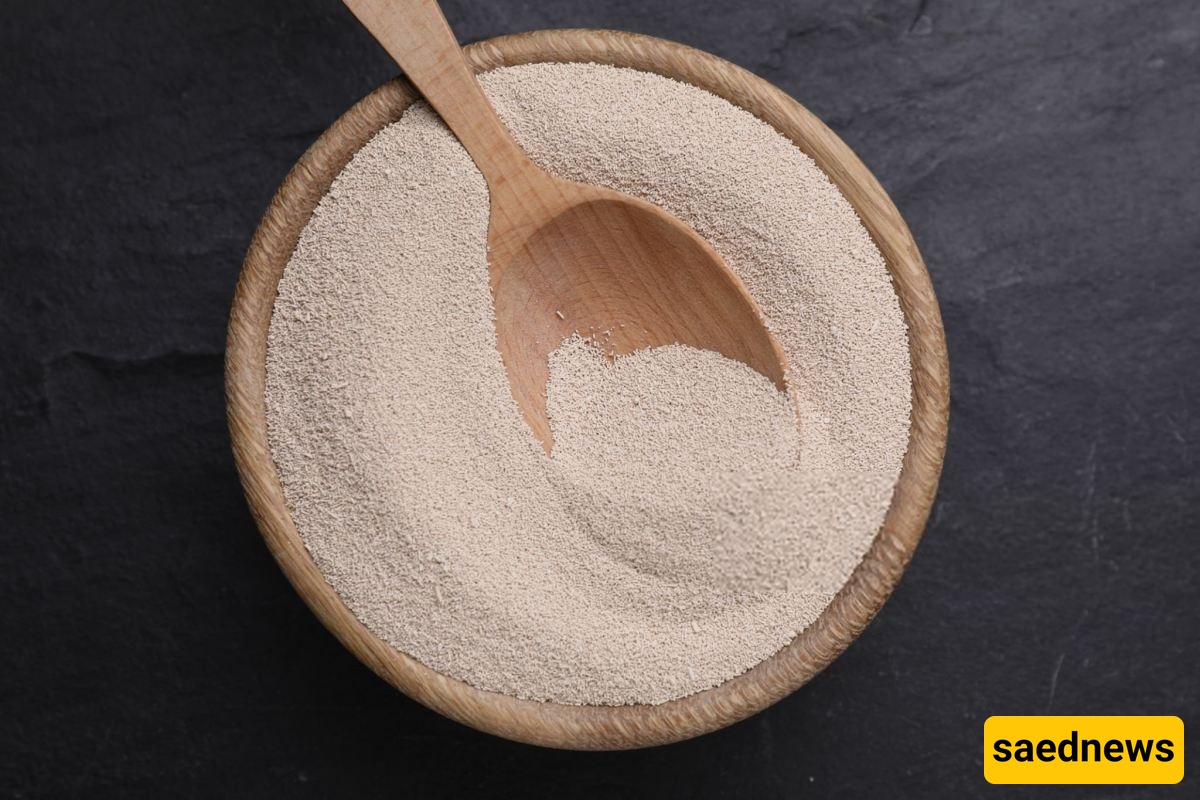
Final Tip: Testing yeast takes only a few minutes but can make a significant difference in your baking results. A quick freshness check can help ensure properly risen dough, better texture, and delicious baked goods.