SAEDNEWS: Iranian lawmaker Behnam Saeedi says any potential understanding with Oman over shipping routes through the Strait of Hormuz should not be interpreted as a reopening of the strategic waterway. He says Iran's position will remain tied to the continuation of the blockade, war and U.S. pressure.
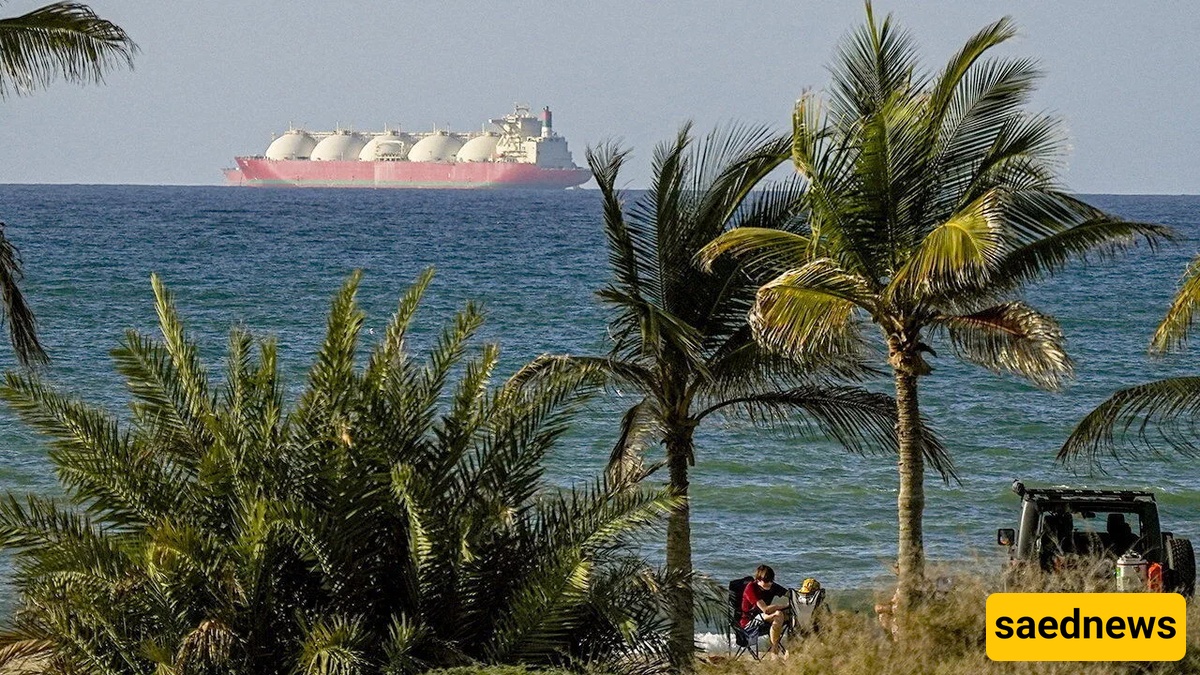
According to SaedNews: An apparent understanding between Iran and Oman over the movement of ships through the Strait of Hormuz would not necessarily mean that the strategic waterway is reopening, according to Behnam Saeedi, secretary of the Iranian Parliament's National Security and Foreign Policy Commission.
Saeedi said the details of any potential agreement between Tehran and Muscat had not yet been officially announced. However, he suggested that if an arrangement is reached, it could focus on determining routes for ships passing through the Strait.
The distinction is important.
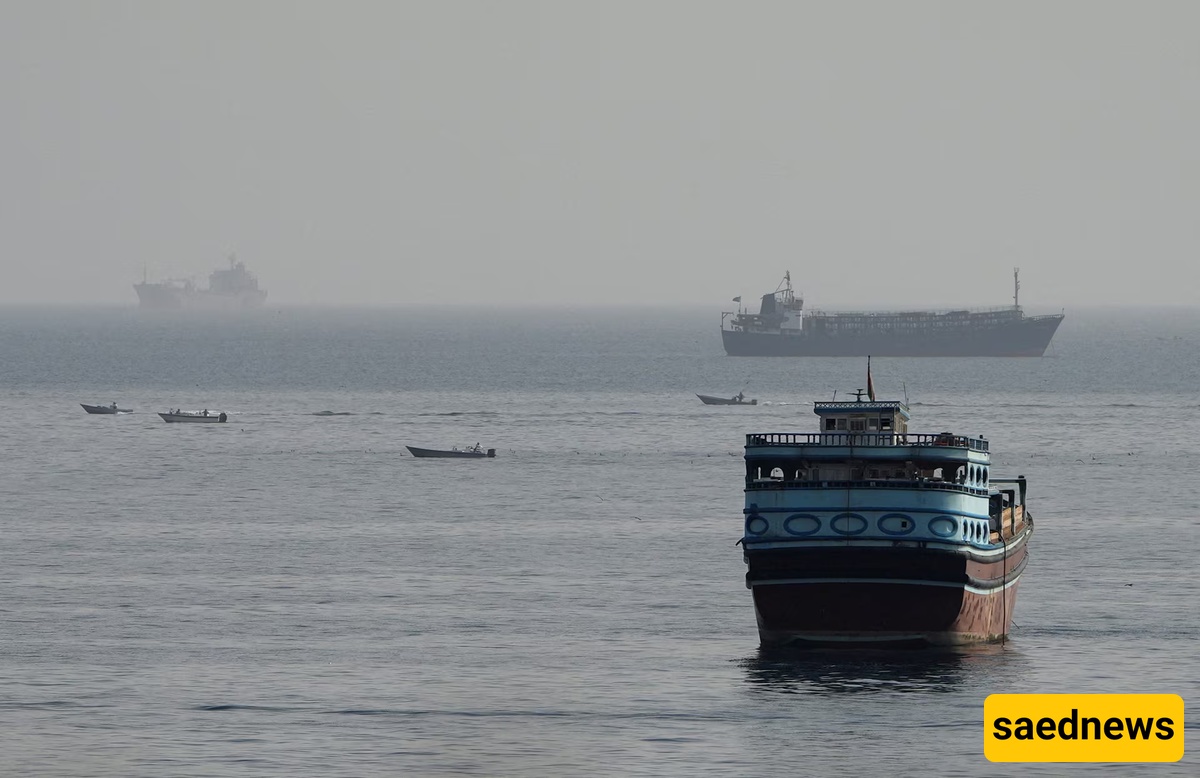
According to Saeedi, such an arrangement would not change Iran's position regarding its sovereignty over the Strait of Hormuz. He said that under any potential understanding, the routes used by vessels would be determined with Iran's consideration and decision.
But there is another issue Tehran considers central: the role of the United States.
Saeedi argued that any understanding with Oman should not create an opportunity for U.S. intervention in the Strait. He said American involvement and interference must be taken seriously when considering any future arrangement concerning shipping through the waterway.
That position puts the possible Iran-Oman understanding in a much broader regional context.
The Strait of Hormuz is one of the world's most strategically sensitive maritime passages, and any development affecting navigation through it can quickly attract international attention.
For Saeedi, however, the key point is that a possible agreement concerning shipping routes should not be confused with the reopening of the Strait itself.
Saeedi explicitly rejected the idea that an agreement with Oman over ship routes would automatically amount to reopening the Strait of Hormuz.
He said the waterway would not be reopened as long as, in Iran's view, the United States maintains its blockade, has not declared an end to the war and continues what he described as sanctions, pressure and coercive policies.
The statement establishes a clear condition in his argument: navigation arrangements and the broader political and military situation are two separate issues.
In other words, even if Tehran and Muscat were to reach an understanding on how ships could move through the Strait, Saeedi says that would not necessarily mean the wider restrictions or tensions had ended.
He also linked the future of the Strait directly to the continuation of the maritime blockade, the war and what he described as threats against Iran.
As long as those circumstances remain, he said, Iran would maintain its position and the Strait would not reopen.
The comments therefore go beyond a discussion about shipping routes.
They reflect a broader Iranian position in which the Strait of Hormuz is closely connected to the country's national security calculations and its response to external pressure.
Saeedi also described the Strait of Hormuz as one of Iran's deterrence tools.
That characterization gives the waterway a significance beyond its role as a major maritime passage.
In his assessment, Iran's ability to influence the strategic environment surrounding the Strait is part of the country's broader national security capabilities. He said this capacity should be considered within the framework of Iran's national interests and security.
The comments come at a time when any discussion surrounding the Strait is likely to be closely watched because of its importance to regional security and international shipping.
The possibility of an Iran-Oman understanding has therefore raised a key question: could a mechanism for regulating vessel movement emerge without representing a broader reopening of the waterway?
Based on Saeedi's comments, the answer would be yes.
An arrangement could potentially address the routes used by ships while leaving Iran's broader position unchanged.
That distinction is at the heart of his remarks.
Oman's role is particularly notable because the proposed understanding, as described by Saeedi, would involve the two neighboring countries discussing the movement of vessels through one of the region's most sensitive maritime corridors.
However, Saeedi emphasized that any such arrangement would need to respect what he described as Iran's sovereignty and decision-making authority concerning the Strait.
He also warned against allowing the issue to become a channel for greater U.S. involvement.
This means that, from the perspective presented by the Iranian lawmaker, the discussion is not simply about restoring maritime traffic.
It is also about who determines the conditions under which ships move and how the broader security environment is handled.
For Iran, according to Saeedi, those questions cannot be separated from the wider conflict and pressure campaign.
Perhaps the strongest part of Saeedi's statement is his insistence that the Strait will remain closed under what he describes as continued U.S. blockade, war and pressure.
He said these are realities that the United States must accept.
His comments therefore appear to frame the Strait not merely as a transportation route, but as a strategic element in Iran's response to Washington.
At the same time, the statement does not provide an independent confirmation of the precise terms or existence of a formal Iran-Oman agreement. Saeedi himself noted that the understanding had not officially been announced.
What is clear from his comments is the distinction Tehran wants to emphasize: discussions about shipping routes should not automatically be interpreted as a decision to reopen the Strait of Hormuz.
For now, the Strait remains closely tied to Iran's broader security calculations in the position outlined by the Iranian lawmaker.
And as long as the conditions he described remain unchanged, Saeedi says Iran will continue to stand by its position.
The result is a potentially important distinction between managing maritime movement and fully reopening the Strait.
That distinction could become increasingly significant if discussions between Iran and Oman develop further, because any future arrangement would have to address not only the practical question of shipping routes but also the much larger political and security dispute surrounding the Strait.
For Tehran, at least according to Saeedi's remarks, the message is straightforward: an understanding with Oman over vessel routes should not be mistaken for the end of Iran's broader position on the Strait of Hormuz.