SAEDNEWS: Building a Temple with Bottles in Thailand, Photos of Thailand’s Bottle Temple, and How the Bottle Temple Was Constructed
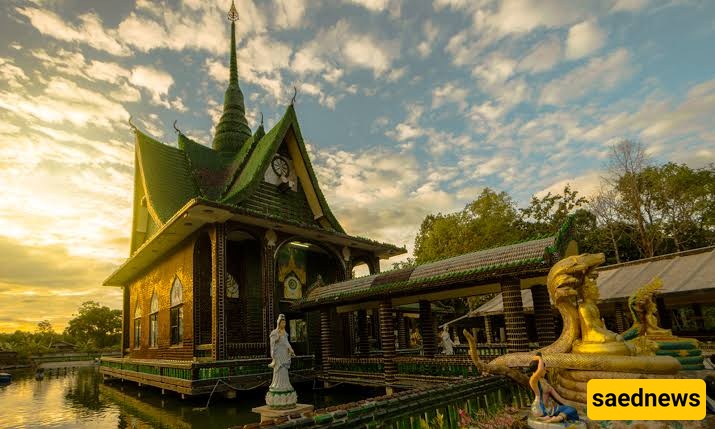
According to Saednews, Buddhist monks in Thailand embarked on an ambitious environmental project by collecting millions of discarded glass bottles from rubbish dumps and local households to build a remarkable temple. Through their dedication and teamwork, they created a beautiful architectural landmark that now attracts millions of tourists.
Architecture is both an art and a science. It requires creativity, precision, and careful planning, as even a minor mistake can affect an entire building and cause years of problems for its owners.
At its core, architecture involves the creative use of mass, space, texture, light, shadow, materials, and practical considerations such as cost, construction methods, and technology. These elements come together to create buildings that serve functional, aesthetic, and artistic purposes.
Architectural masterpieces often become cultural, political, and social symbols of a nation. Ancient civilizations are frequently remembered through their architectural achievements. Examples include Persepolis, the Pyramids of Giza, and the Colosseum in Rome. These structures reflect the knowledge, creativity, and cultural identity of the societies that built them.
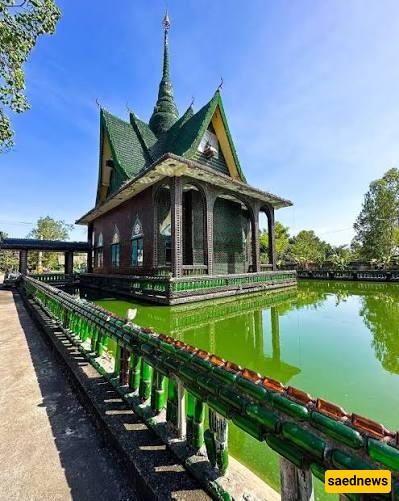
In eastern Thailand, in Sisaket Province, stands an extraordinary temple constructed almost entirely from different types of glass bottles collected by Buddhist monks.
Located in the small town of Khun Han, in southern Sisaket Province, this remarkable complex is a stunning example of sustainable architecture and creative recycling.
The monks began collecting discarded bottles with the aim of building an affordable place of worship. Their determination and collective effort eventually transformed what others considered waste into an architectural masterpiece.
The project is particularly impressive because of its intricate patterns and detailed craftsmanship. Even the ceilings reveal the extraordinary precision involved in the construction.
The monks have demonstrated that there is no such thing as useless waste when materials are reused creatively and put to the right purpose.
Visitors are encouraged to spend an entire day exploring the temple, allowing enough time to appreciate its remarkable details and photograph its many unique features.
It is also reported that manufacturers of bottled products supported the monks by donating glass bottles to help complete the project.
The temple is known as Wat Pa Maha Chedi Kaew, often called the Temple of a Million Bottles.
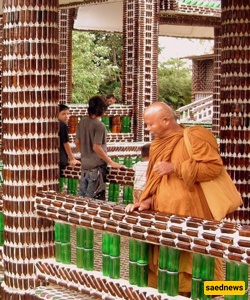
The temple's construction incorporates a combination of green and brown glass bottles, arranged in intricate patterns to create its distinctive appearance.
The monks used recycled bottles not only for the main buildings but also for decorative features, Buddha statues, the Laughing Buddha, restrooms, and even the crematorium.
It is estimated that more than one million glass bottles were used in the construction of the temple complex.
Consider that enormous number in perspective: millions of bottles are discarded around the world every single day.
The monks believe their project has helped clean up the local environment while replacing discarded materials with a beautiful place for worship, meditation, and peace.
What began as an effort to reduce pollution eventually became a major tourist attraction, bringing visitors and economic opportunities to the small town.
The temple has helped put Khun Han on the tourism map, encouraging local businesses and attracting visitors from other parts of Thailand and abroad.
The project demonstrates how environmental responsibility, community cooperation, and creative thinking can generate both cultural and economic benefits.
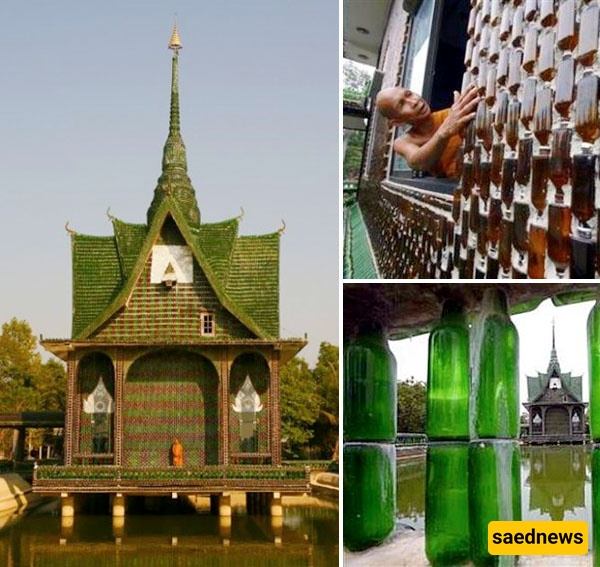
Peter Small, a professor at Curtin University, reportedly described this architectural achievement as a miracle of the century.
He also suggested that the materials used in the temple could help reduce heating and cooling energy consumption, potentially making the buildings more energy-efficient.
The temple has also received a special national environmental award in recognition of its innovative approach to recycling and sustainability.
Today, new projects involving colourful glass bottles are being planned, continuing the monks' vision of transforming discarded materials into beautiful and meaningful structures.
Wat Pa Maha Chedi Kaew stands as a remarkable reminder that what society considers waste can become something extraordinary when creativity, determination, and environmental awareness come together.