SAEDNEWS: Explore the essential do’s and don’ts of entering the modeling industry and discover how determination, creativity, and perseverance can help you build a successful career.
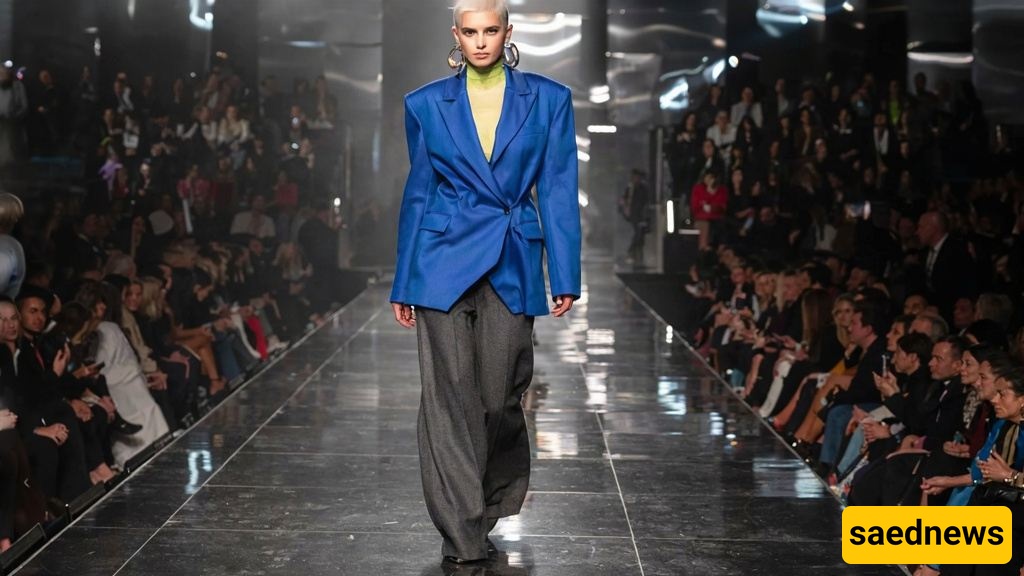
According to Saednews, In today's social media-driven world, we are constantly exposed to thousands of photoshoots featuring glamorous fashion trends, models, modeling agencies, famous brands, and fashion bloggers. People with good height and style, or those who believe they have the potential to succeed in this industry, often consider exploring modeling and testing their abilities.
However, many people do not know what it takes to enter the world of fashion and modeling. They may wonder whether their current body type, whether slim or plus-size, short or tall, will allow them to pursue a modeling career. This guide provides practical advice for anyone interested in entering the modeling industry.
Important Things to Know About Modeling
If Instagram's world of likes, followers, and hashtags has inspired you to pursue modeling, do not assume that you cannot compete with international supermodels, Victoria's Secret Angels, or well-known fashion bloggers.
The fashion industry has no fixed boundaries. Anyone, anywhere in the world, can create a trend, develop a unique style, and build a loyal following. The history of fashion over the past century offers countless examples, including Ralph Lauren, Gabrielle Coco Chanel, and Christian Dior.
Therefore, entering the modeling industry requires determination, commitment, and a strong sense of purpose.
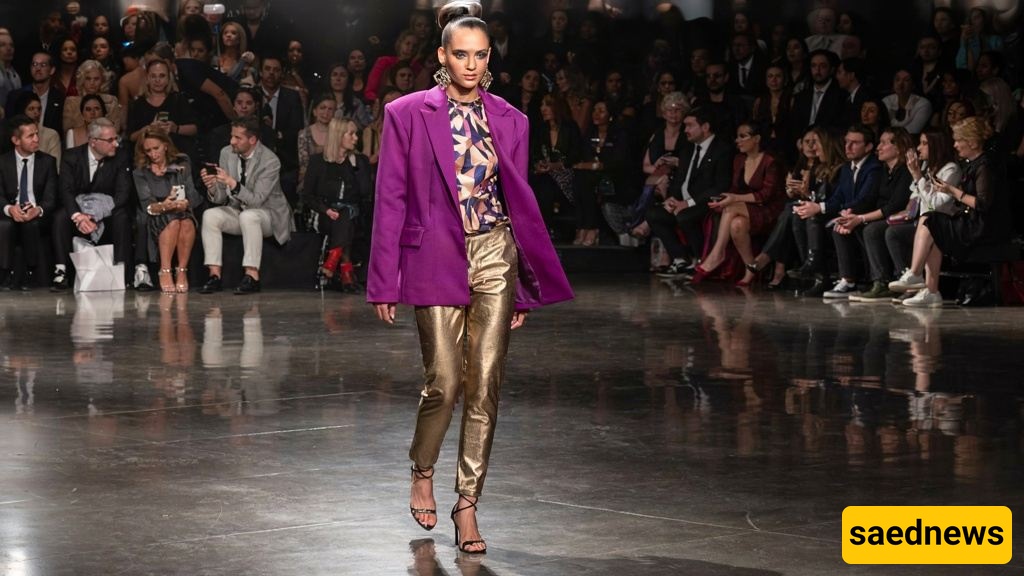
The second important point is to understand the difference between professional modeling and nude photoshoots sometimes featured on the covers of fashion and lifestyle magazines. Modeling covers many different areas, and revealing photography is not a requirement for becoming a model.
Many types of women's clothing, from scarves and coats to T-shirts, suits, and traditionally designed skirts featuring Iranian patterns, are introduced and promoted by Iranian women. Some are even advertised through official media outlets. This demonstrates that there are numerous business and professional opportunities in fashion.
The third point is never to underestimate yourself!
Leandra Medine Cohen, one of the world's most influential and commercially successful fashion bloggers, became a fashion icon despite having a relatively ordinary appearance and personal style. Nevertheless, she gained hundreds of thousands of followers and received invitations from famous fashion houses around the world.
You do not need to look like Chiara Ferragni, Gigi Hadid, or Adriana Lima. Nor do you need the striking facial features of Nicole Kidman or Sophia Loren to create stunning photoshoots.
Practical tip: Write down the most distinctive features of your appearance and personal style. Identify your strengths and work on developing them.
The fourth point is to remember that the modeling industry is not exclusively reserved for exceptionally beautiful or very tall people. If it were, we would not see so many successful models representing internationally recognized brands with relatively ordinary appearances.
Familiarize yourself with global fashion trends, styles, fashion icons, models, and brands.
Study the history of the fashion industry. Learning about fashion is one of the most valuable investments an aspiring model can make.
The fifth point is creativity and innovation.
Many perceived weaknesses in personal style or physical appearance, including body proportions or facial features such as a crooked nose, can be transformed or creatively incorporated into a distinctive look.
You do not need to be exceptionally tall, conventionally beautiful, or have flawless, wrinkle-free skin to become popular in the modeling industry. What you really need is creativity.
Think of creativity in the style of Leandra Medine: the ability to observe carefully, present yourself effectively, and analyze fashion intelligently.
A successful fashion icon should understand color psychology, styling principles, and visual presentation. They should also know how to connect with their audience.
Keep up with international fashion trends.
Continuously develop and refine your personal style.
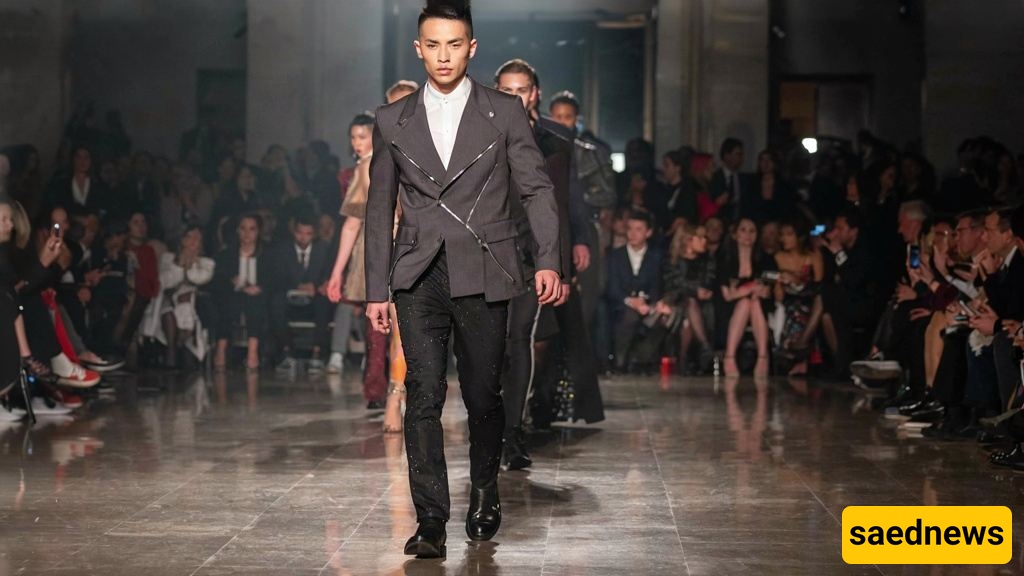
Today, many plus-size fashion icons enjoy enormous popularity. Therefore, successful fashion personalities do not necessarily have to be extremely slim.
However, people who want to promote accessories, jewelry, clothing, handbags, and footwear should pay attention to their overall presentation and personal styling.
A well-developed personal style is about creating a balanced and appealing appearance.
Consider the following recommendations:
Experiment with different accessories to improve your outfits and identify areas that need refinement.
Be creative and willing to take risks. Do not be afraid to challenge conventional fashion standards and introduce new trends.
Develop a signature accessory that makes your style recognizable. For example, Johnny Depp is often associated with his distinctive silver accessories.
Learn how to wear different types of clothing correctly.
Study celebrity red-carpet appearances and analyze their outfits for inspiration.
If you are serious about entering the modeling industry, you may need to make long-term adjustments to your lifestyle.
Both Iranian and international models often follow structured nutrition and fitness routines. In addition to working with professional stylists, many seek guidance from nutritionists and skincare specialists.
Consider the following lifestyle recommendations:
Avoid excessive consumption of large, calorie-dense meals.
Limit fast food and sugary carbonated beverages.
Reduce excessive consumption of sweets and highly refined, starchy foods.
Include plenty of vegetables in your diet.
Incorporate protein-rich foods such as soybeans, mushrooms, and legumes into a balanced diet.
Maintain healthy skin through proper nutrition and skincare.
Drink enough water to support hydration and maintain healthy-looking skin.
Make regular, planned exercise part of your lifestyle.
If you want to pursue modeling professionally over the long term, consider working with qualified fitness and nutrition professionals.
Male models are often expected to have a more muscular physique, while preferences for female models vary considerably across fashion markets and brands.
If you are concerned about abdominal or waist fat, seek healthy and sustainable ways to improve your fitness rather than following extreme diets.
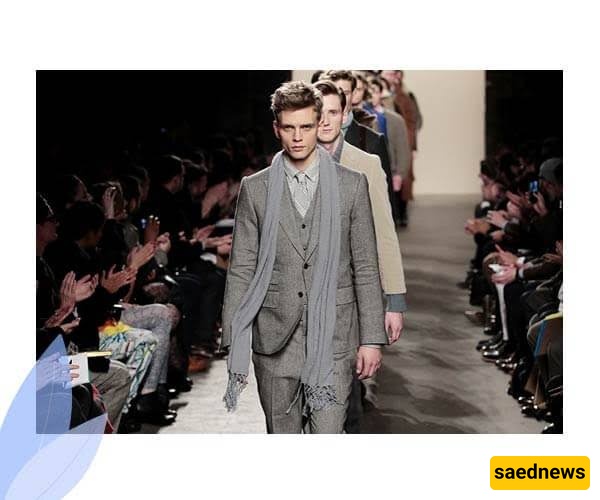
Additional recommendations:
Develop a distinctive hairstyle that complements your personal identity as a fashion icon.
Maintain an active and professional presence on social media.
Build relationships with people working in the fashion industry and benefit from their advice and experience.
Do not assume that studying fashion is unnecessary. Education can help you develop valuable professional skills.
No. There is no universal standard for becoming a model.
Requirements vary depending on the country, location, current fashion trends, target audience, and the specific needs of modeling agencies.
For example, in countries where the average population is relatively tall, such as the Netherlands, a height of 170 cm or above may be advantageous for certain modeling opportunities.
However, there is an important difference between becoming a fashion icon who models clothing and becoming a model who promotes accessories, handbags, shoes, cars, or other products.
Each category has its own requirements. Therefore, there is no single, universally accepted set of physical standards for entering the modeling industry.
With the right skills, determination, confidence, and consistent effort, you can build a successful career regardless of whether you perfectly match traditional modeling standards.
Today, numerous free multimedia communication platforms are available to aspiring models.
Working with a professional photographer and stylist, publishing high-quality photographs on social media, and developing an identifiable personal style can help you build an audience over time.
You can also use hashtags, engagement strategies, and social media marketing techniques professionally to increase your visibility and establish your presence in the modeling industry.
Consistency and quality are essential when building a recognizable personal brand.
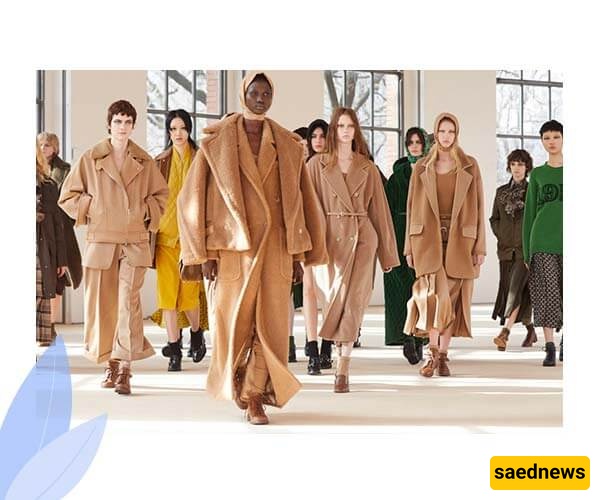
Both types of modeling have their own requirements, opportunities, and professional expectations.
In Iran, a significant proportion of modeling activities are related to photographic modeling, while catwalk modeling opportunities are more limited.
Therefore, if you intend to work in the Iranian fashion market, focusing on photo modeling and becoming familiar with its professional environment may be a practical starting point.
However, your choice should ultimately depend on your interests, abilities, and career goals.
Experience suggests that completing beginner-to-advanced modeling courses is not always essential for becoming a successful model.
The success of many popular Instagram models in recent years demonstrates that formal modeling education is not the only path into the industry.
Nevertheless, professional training and learning the fundamentals of modeling can provide valuable advantages.
Training programs can introduce you to:
Professional posing techniques.
Correct walking techniques.
Runway presentation.
Live modeling and performance.
Fashion presentation principles.
Theoretical knowledge of the modeling industry.
Learning these skills can improve your confidence, professionalism, and ability to work with photographers, designers, and agencies.
Traditionally, formal academic qualifications have not been a major requirement for becoming a model. However, this is gradually changing.
Today's global fashion industry is increasingly connected to fashion bloggers, influencers, and digital content creators.
Fashion bloggers with strong knowledge, informed models, and people who can analyze fashion trends are often better equipped to create valuable content and attract larger audiences.
For a model, one of the most important professional assets is their audience and community of followers.
Nowadays, the industry includes people with different educational backgrounds, ranging from individuals with limited formal education to doctoral graduates, both men and women.
Therefore, although academic qualifications may not be directly required, knowledge, continuous learning, and information literacy can positively influence a model's professional development and long-term career opportunities.
Becoming a model is not simply about having a perfect face, a particular body shape, or exceptional height. Personal style, creativity, confidence, professionalism, and the ability to connect with an audience can be equally important.
Start by identifying your strengths, learning about the fashion industry, developing your personal brand, and gaining practical experience.
With dedication, creativity, and continuous improvement, you can discover opportunities in the modeling world and develop a distinctive identity in the fashion industry.
Remove the remaining unverified specificsAdd a clear modeling safety section