SAEDNEWS: The Guardian reports growing concern among U.S. Navy veterans, military health experts, families and lawmakers over the strain on the USS Abraham Lincoln crew after more than 250 consecutive days at sea during the war with Iran.
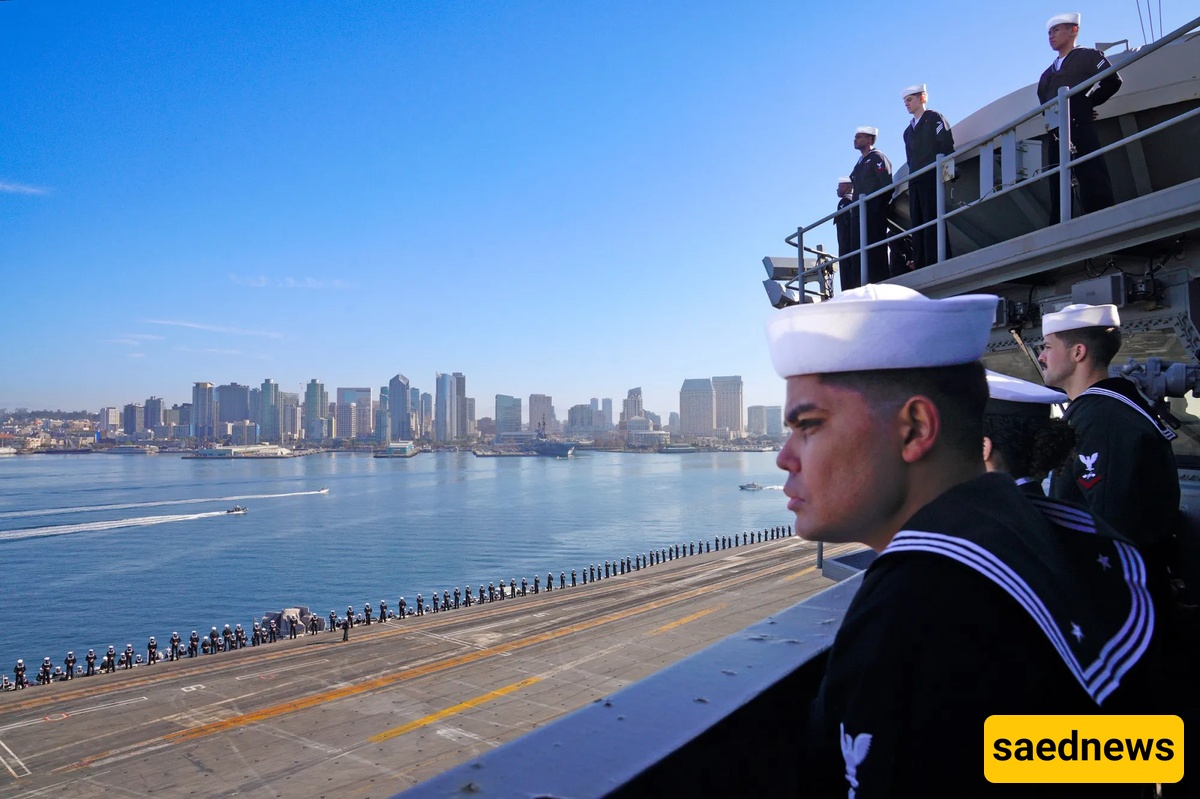
According to SaedNews: The Guardian has reported growing concern among U.S. Navy veterans and military health specialists over the intense pressure facing the crew of the aircraft carrier USS Abraham Lincoln, which has spent about nine months, or more than 250 consecutive days, at sea while taking part in U.S. operations in the Middle East and the war with Iran.
Military-focused media, including the Navy Times and Stars and Stripes, have reported that the roughly 5,000 sailors aboard the carrier have faced problems including shortages of water and some supplies, plumbing issues, sharply declining morale and worsening mental health. Several cases in which sailors reportedly attempted to jump from the ship have also been reported. Crew families and a number of Democratic members of Congress have called for official answers from the Pentagon.
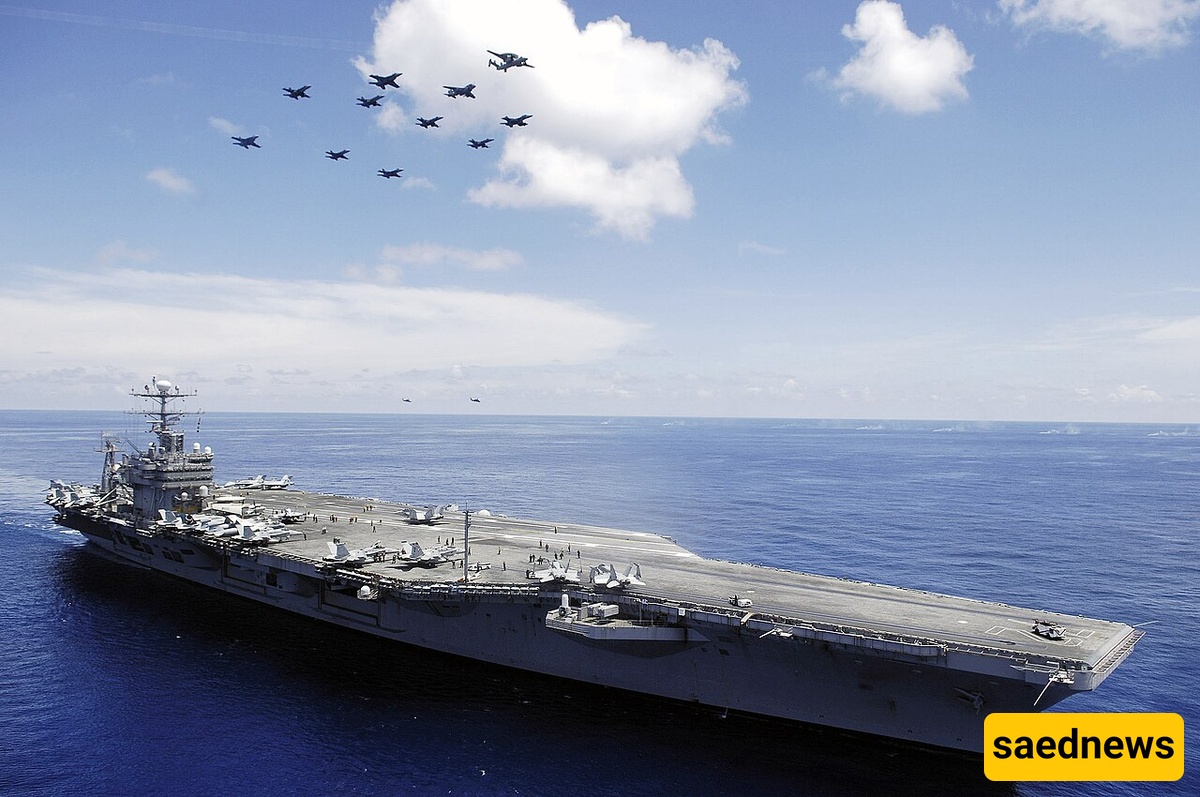
A U.S. Navy official told the Guardian that the service recognizes the strain caused by prolonged deployments and has made the crew’s health a priority. The official said no increase in suicidal thoughts or attempts had been identified and that medical, religious and counseling teams were available aboard the ship. The Navy also said sailors have continuous access to clean water, functioning ventilation and adequate food.
U.S. Defense Secretary Pete Hegseth described reports about conditions aboard the carrier as “completely distorted,” saying every possible facility and support had been provided to the crew. In a video message, he said he had received reports on U.S. forces serving on CENTCOM front lines, particularly aboard the Abraham Lincoln, and called their mission “historic.” He did not address reports concerning shortages of supplies and food or the crew’s mental health.
Military experts and veterans, however, say prolonged deployments without opportunities to go ashore can impose serious psychological pressure, especially when sailors do not know when they will return home. Life aboard an aircraft carrier has been compared with a “floating, compressed city,” marked by constant noise, high stress and operational risks. Port visits normally provide time for rest and recovery, an opportunity the Lincoln crew has had very little of.
Reports say the Navy is preparing the USS George Washington to replace the Abraham Lincoln. Concerns over the sailors’ health have prompted Congress and their families to pursue further investigations, even after the government said Friday that the carrier was returning to the United States.
Families and lawmakers reportedly remained distressed after learning that two sailors had tried to jump into the sea, allegedly because of the conditions aboard the ship. Andrea Goldstein, a former director of the Navy’s resilience division during the Biden administration, said the repetitive nature of carrier service includes limited sleep and inadequate nutrition. She said many sailors do not sleep well and some have insufficient exposure to sunlight, making conditions more difficult.
Donald Trump rejected concerns from Lincoln crew families about the sailors’ mental health, saying they were not facing poor conditions. He also dismissed a question about the carrier’s lengthy Middle East deployment, saying it had not lasted long enough.
Families remain worried about exhaustion, low morale and mental health, particularly because the carrier’s deployment appears to have been extended twice during the ongoing war with Iran, with no clear end in sight. In recent weeks, relatives have warned about severe fatigue after nearly nine months at sea.
The Abraham Lincoln this week completed its 260th consecutive day at sea without a port stop, surpassing the previous 204-day record set by another carrier during the COVID-19 pandemic.