SAEDNEWS: Proper drying, airflow, and refrigeration can help washed fruit stay fresh longer and reduce premature spoilage.

According to SAEDNEWS, washing fruit before storing it can be convenient, but excess moisture left on the surface may encourage faster deterioration, especially when fruit is packed while still wet. The key is to remove as much surface moisture as possible and choose storage conditions according to the type of fruit.
After washing, gently dry the fruit with a clean kitchen towel or paper towel. Avoid rubbing delicate fruit too firmly, as bruised or damaged areas can deteriorate more quickly. For berries and other fragile fruit, allowing them to air-dry on a clean towel can be gentler than wiping them individually.
A sealed container is not always the best option for freshly washed fruit. If moisture becomes trapped inside, condensation can build up and accelerate spoilage. Instead:
Use a clean container that allows some airflow when appropriate.
Place a clean, dry paper towel underneath or around moisture-sensitive fruit to absorb excess moisture.
Avoid packing fruit tightly.
Replace the paper towel if it becomes noticeably damp.
Many washed fruits keep better in the refrigerator, but storage requirements vary. Berries, grapes, and cut fruit generally benefit from refrigeration. Whole fruits that are normally stored at room temperature, such as some varieties of bananas or citrus, may not require refrigeration simply because they have been washed.
For refrigerated fruit, keep the temperature consistently cold and avoid placing the container where it may be exposed to frequent temperature changes.
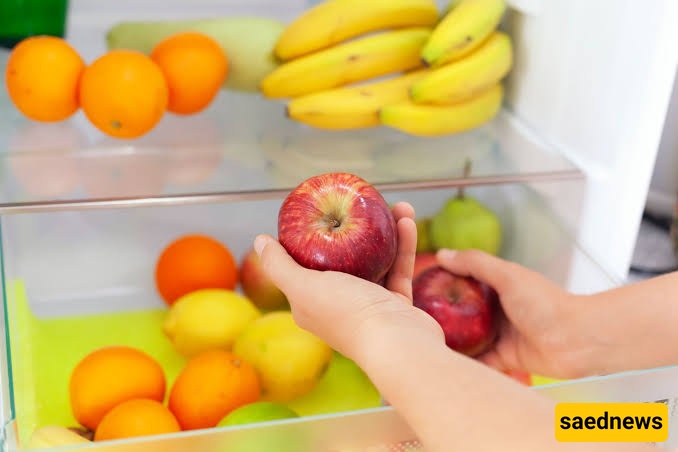
Washed fruit should be inspected every day or two. Remove pieces that show obvious mold, leaking, or significant deterioration so that spoiled fruit does not remain in close contact with the others. This is particularly useful for containers holding several pieces of soft fruit.
A practical routine is:
Wash the fruit gently.
Drain and dry it thoroughly.
Separate damaged or bruised pieces.
Place the fruit in a clean, suitable container.
Refrigerate fruit that requires cold storage.
Check for excess moisture and signs of spoilage during storage.
Washing fruit in advance can make it easier to eat throughout the week, but it does not guarantee a longer shelf life. Keeping the fruit dry, minimizing damage, providing suitable airflow, and following appropriate storage conditions can help preserve its quality for longer.