SAEDNEWS: Apples, pears, bananas, and avocados can darken quickly after cutting because their exposed tissues react with oxygen. Simple methods such as using lemon juice, limiting air exposure, and keeping cut fruit chilled can slow the color change.
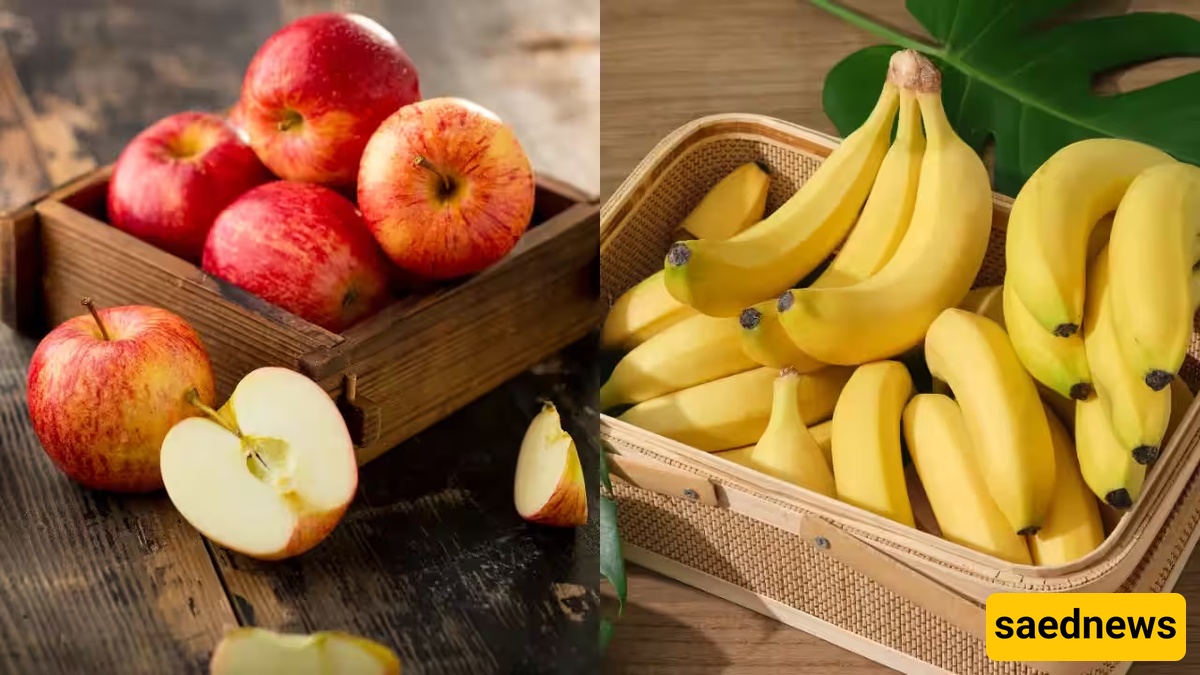
According to SAEDNEWS, some fruits change color soon after they are cut because their damaged cells come into contact with oxygen. This process, known as enzymatic browning, is especially noticeable in apples, pears, bananas, and avocados. Although browning usually does not mean the fruit has become unsafe to eat, it can affect its appearance and, over time, its freshness.
Common examples include:
Apples: Cut surfaces can turn brown within a short time.
Pears: Their pale flesh can darken after exposure to air.
Bananas: Sliced bananas gradually develop a darker surface.
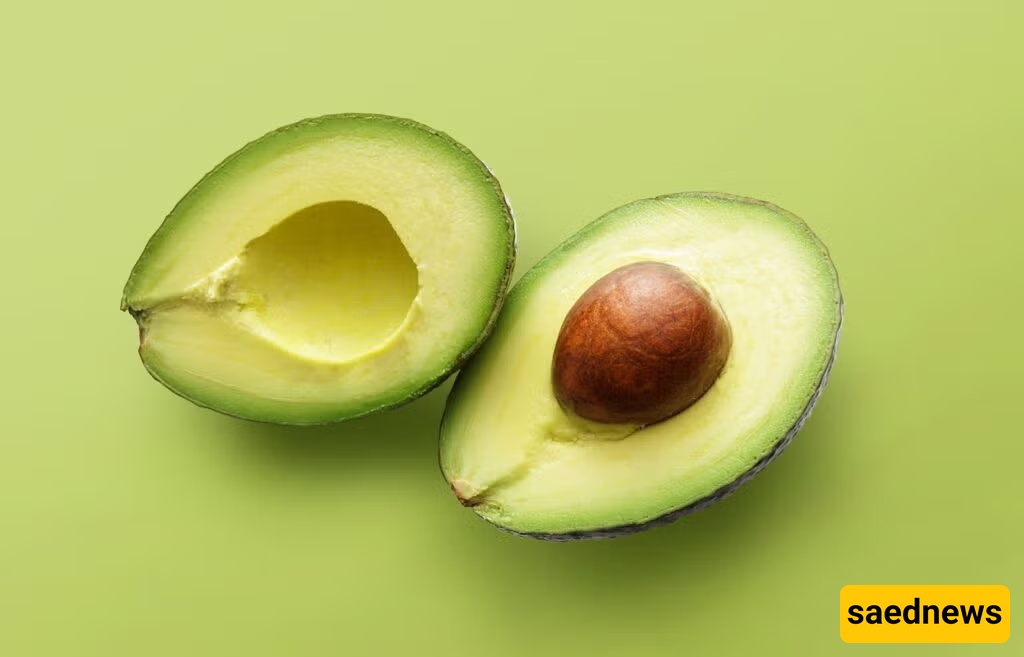
Avocados: The exposed flesh can become brown, particularly when left uncovered.
The speed of browning varies with the fruit, its ripeness, temperature, and how much of its cut surface is exposed to air.
1. Add a little lemon juice
Acidic ingredients can slow the enzymatic reactions responsible for browning. Lightly coating cut apples, pears, bananas, or avocado with lemon juice can help preserve their color. Because lemon has a noticeable flavor, use only enough to lightly cover the exposed surface.
2. Reduce contact with air
Oxygen exposure encourages browning, so keeping cut fruit covered can make a difference. Place the pieces in an airtight container or cover them closely rather than leaving them exposed on a plate.
3. Refrigerate cut fruit
Cold temperatures slow many enzymatic reactions and help maintain freshness. Once fruit has been cut, refrigerate it promptly in a clean, covered container.
4. Cut fruit shortly before serving
When appearance matters, one of the simplest approaches is to prepare the fruit as close to serving time as practical. This minimizes the period during which the cut surface is exposed to oxygen.
For a fruit platter, combine several methods rather than relying on one. Cut the fruit shortly before serving, lightly treat browning-prone pieces with lemon juice when appropriate, and keep everything covered and chilled until it is ready to eat.
Browning itself is primarily a visual change, but cut fruit should still be handled safely. Use clean utensils and containers, avoid leaving prepared fruit at room temperature for extended periods, and refrigerate leftovers promptly. These simple habits help keep cut fruit both attractive and fresh.