SAEDNEWS: Washing fruit too early can leave extra moisture that may speed up spoilage. For most fresh fruit, washing shortly before eating is the better storage practice.
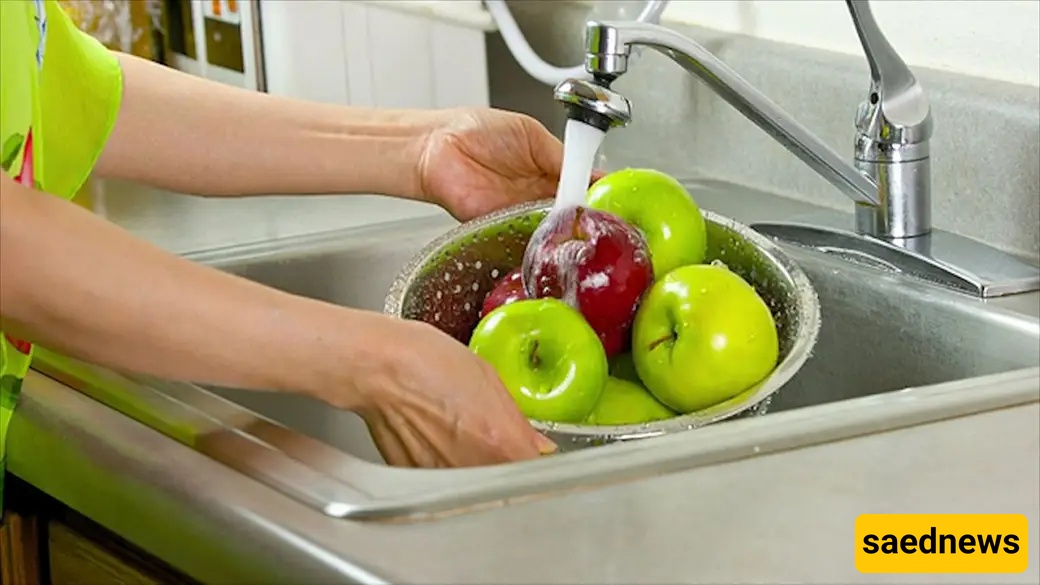
According to SAEDNEWS, most fresh fruit is best washed shortly before it is eaten rather than immediately before refrigeration. Washing can leave moisture on the surface, and excess moisture may encourage mold growth and shorten the fruit’s storage life, especially for delicate produce such as berries.
Fresh fruit naturally carries microorganisms and may also have soil or other residues on its surface. Washing can remove some surface dirt, but if the fruit is stored while still damp, the added moisture can create conditions that promote deterioration.
This is particularly relevant for fruits with delicate surfaces. Strawberries, raspberries, blueberries, and other berries can become soft or moldy more quickly when stored wet.
For better storage:
Keep fruit dry before placing it in the refrigerator.
Remove visibly damaged or spoiled pieces when appropriate.
Wash your hands before handling fresh produce.
Wash fruit under clean running water before eating.
Avoid using soap or household cleaning products on fruit.
For most whole, uncut fruit, the practical approach is:
Buy → Store dry → Wash before eating → Consume
If you prefer to wash fruit in advance for convenience, allow it to dry thoroughly before refrigeration and use clean containers and utensils. This can reduce the amount of moisture remaining on the fruit during storage.
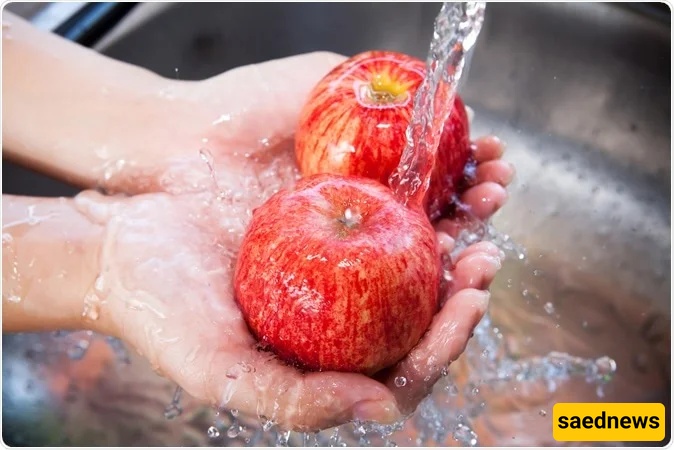
Fruits such as melons, oranges, and other produce with an inedible outer surface should also be handled carefully. Washing the outside before cutting can help prevent dirt and microorganisms on the surface from being transferred to the edible portion by a knife.
For these fruits, washing before cutting is more important than washing immediately before eating the flesh.
There is no need to wash every piece of fruit as soon as you bring it home. For whole fruit that will be stored, keeping it dry is generally preferable. Wash it under running water before eating or cutting it, and dry it when appropriate.