SAEDNEWS: Some foods can become harder or more deeply frozen than expected because of their water content, packaging, freezer temperature, and storage position. Understanding these factors can help maintain better texture and quality.
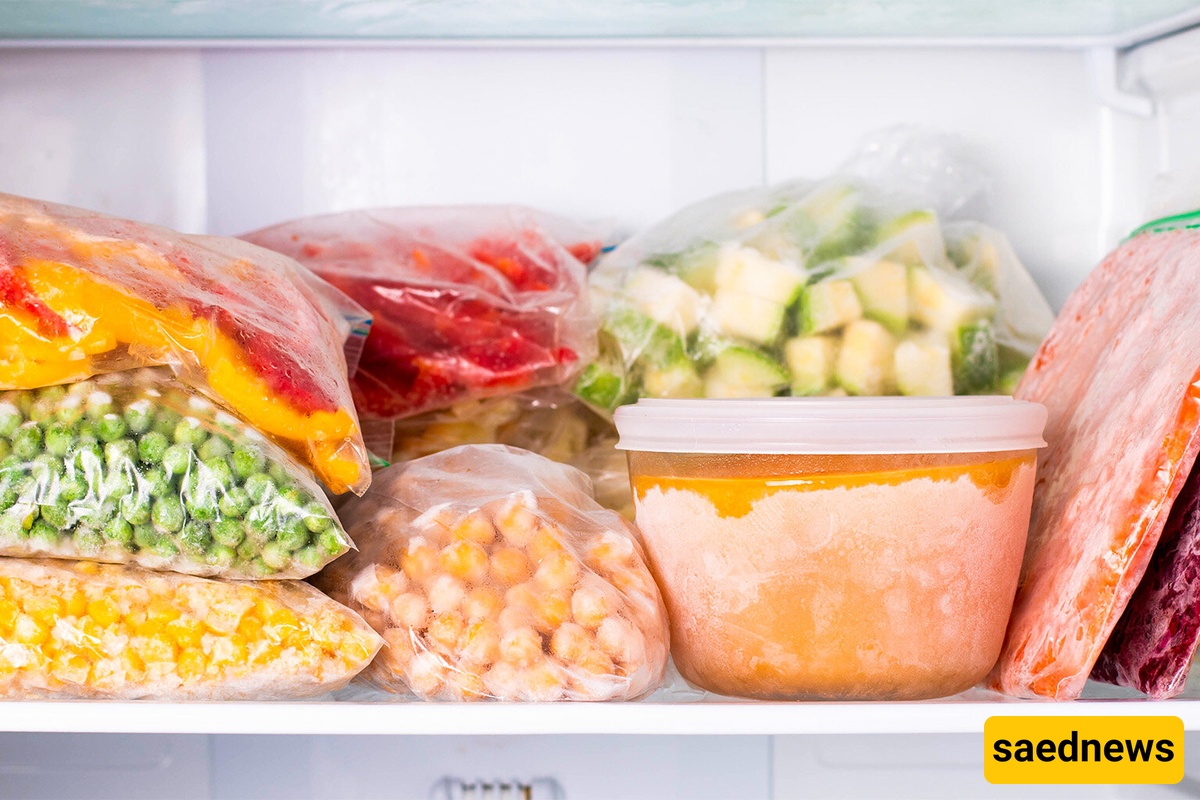
According to SAEDNEWS, foods containing a large amount of water can freeze noticeably hard. When temperatures drop below freezing, much of the water inside the food turns into ice crystals. Foods with higher moisture levels may therefore feel especially solid when removed from the freezer.
A freezer set at a very low temperature can cause food to freeze more intensely. Frequent temperature changes can also affect the formation of ice crystals. Keeping the freezer at a stable temperature helps foods freeze more evenly and reduces unnecessary changes in texture.
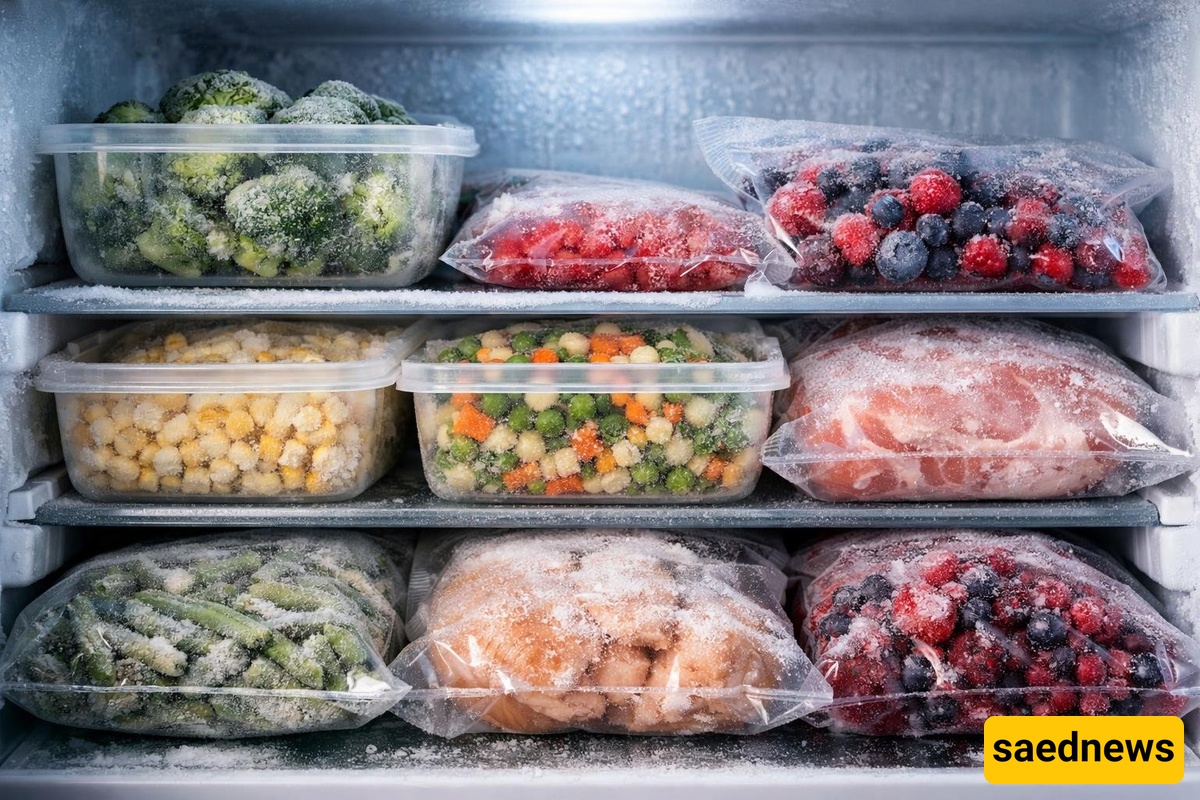
Thin or poorly insulated packaging allows cold air to reach food more quickly. As a result, the outer layers may freeze rapidly and become particularly hard. Airtight, suitable containers or freezer bags can provide better protection and help reduce moisture loss.
Items stored close to the freezer's cold-air outlets may freeze faster than foods placed farther away. Small portions can also freeze more quickly because cold reaches the center sooner. Arranging foods with enough space around them can encourage more consistent freezing.
Using appropriate containers, dividing food into reasonable portions, and maintaining a stable freezer temperature can help improve frozen-food quality. Allowing food to soften gradually before serving can also restore some of its original texture and make it easier to use.