SAEDNEWS: Freezing can help preserve food, but some foods may lose their original flavor, firmness, and freshness after thawing. Moisture loss, ice crystal formation, improper packaging, and repeated temperature changes are common reasons for these changes.
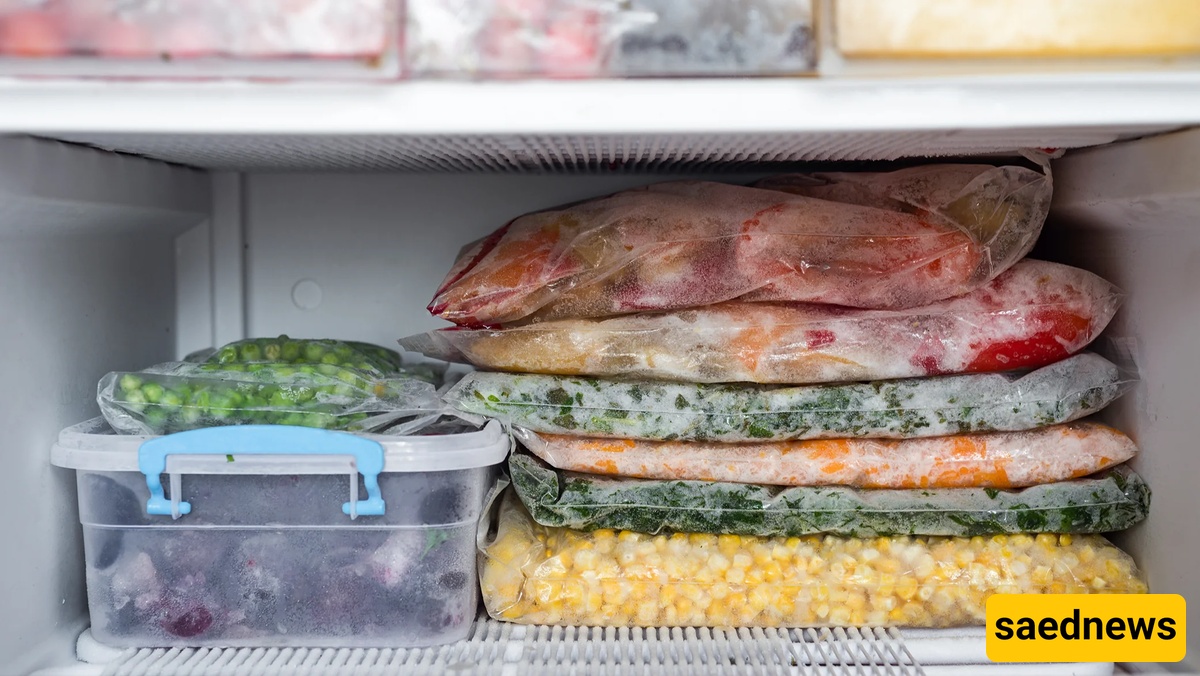
According to SAEDNEWS, water inside food freezes into ice crystals. When freezing happens slowly, larger crystals can form and damage the food’s cellular structure. After thawing, the damaged cells release moisture, which can make vegetables, fruits, and other foods softer than before.
Food can gradually lose moisture in the freezer, especially when it is not wrapped properly. Dry areas may develop on the surface, affecting both texture and flavor. Using airtight containers or well-sealed freezer bags can help reduce moisture loss.
Air exposure can contribute to freezer burn and changes in taste. Packaging should fit the food closely and contain as little trapped air as possible. Proper sealing also helps prevent foods from absorbing unwanted odors from other items stored in the freezer.
Repeated temperature fluctuations can cause food to partially thaw and refreeze. Each cycle can create additional ice crystals and further affect texture. Keeping the freezer at a stable temperature and avoiding unnecessary door opening can help maintain food quality.
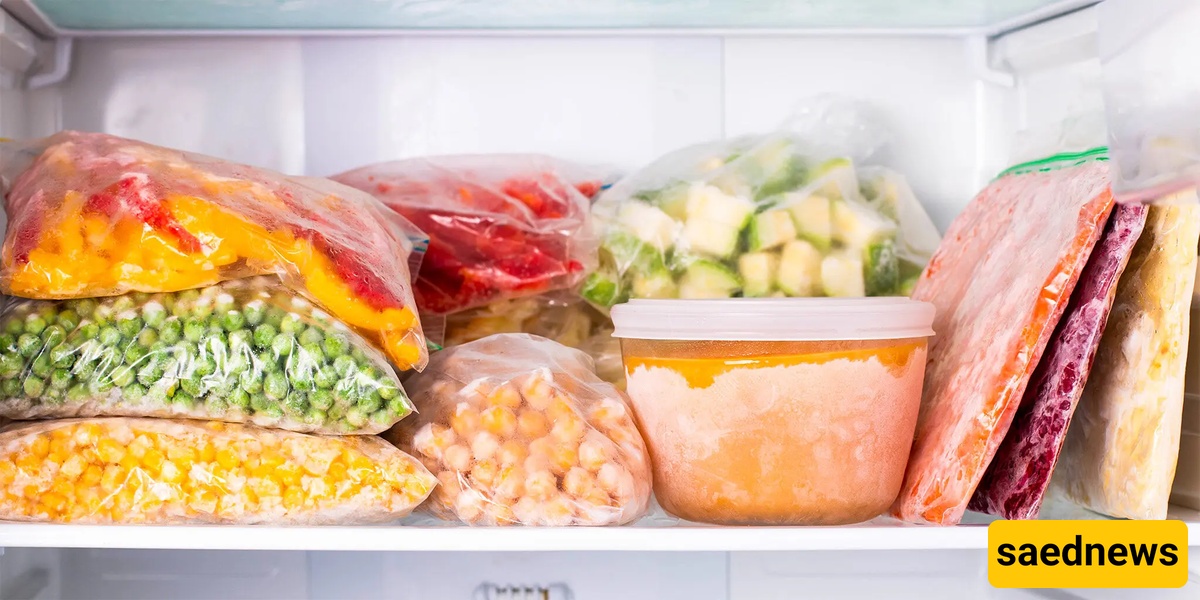
Some foods naturally tolerate freezing better than others. Foods with high water content may become softer after thawing because their structure is more easily affected by ice crystals. Choosing suitable foods for freezing and preparing them properly beforehand can help preserve their taste and texture.