SAEDNEWS: Rangoonis Mosque in Abadan is a historic mosque featuring distinctive Indian-inspired architecture. It was built by Muslim immigrants from the Indian subcontinent and Burma. In the following, we will introduce you to this remarkable historical monument and explore its unique architectural character.
According to Saednews, Abadan is best known for its oil refinery, towering chimneys, and the unmistakable smell of petroleum. Yet this historic port city is also home to a remarkable collection of cultural and historical landmarks, many of which have received far less attention than they deserve.
One of the most distinctive of these landmarks is Rangoonis Mosque, a beautiful building inspired by Indian architecture. The mosque tells a story of migration, coexistence, and faith, reflecting the lives of people who came to Abadan from distant lands and contributed to shaping the city's identity.
This article explores Rangoonis Mosque in Abadan, including its history, architectural features, cultural significance, and importance as a historical attraction.
Rangoonis Mosque, also known as the Indian Mosque, is located in Abadan. It was built by a community of Muslim immigrants who had arrived in the city from the Indian subcontinent and the region of Burma, present-day Myanmar.
Many of these immigrants came to Iran to work in Abadan's oil industry and refinery and settled in neighborhoods close to the refinery.
The name "Rangoonis" comes from Rangoon, the former name of Yangon and the former capital of Myanmar. Some members of the immigrant community had come from the city, giving the mosque its distinctive name.
For this reason, Rangoonis Mosque can be regarded as a symbol of the cultural connections between Iran and the eastern regions of Asia, as well as an unusual example of peaceful coexistence among different ethnic and religious communities in Abadan.
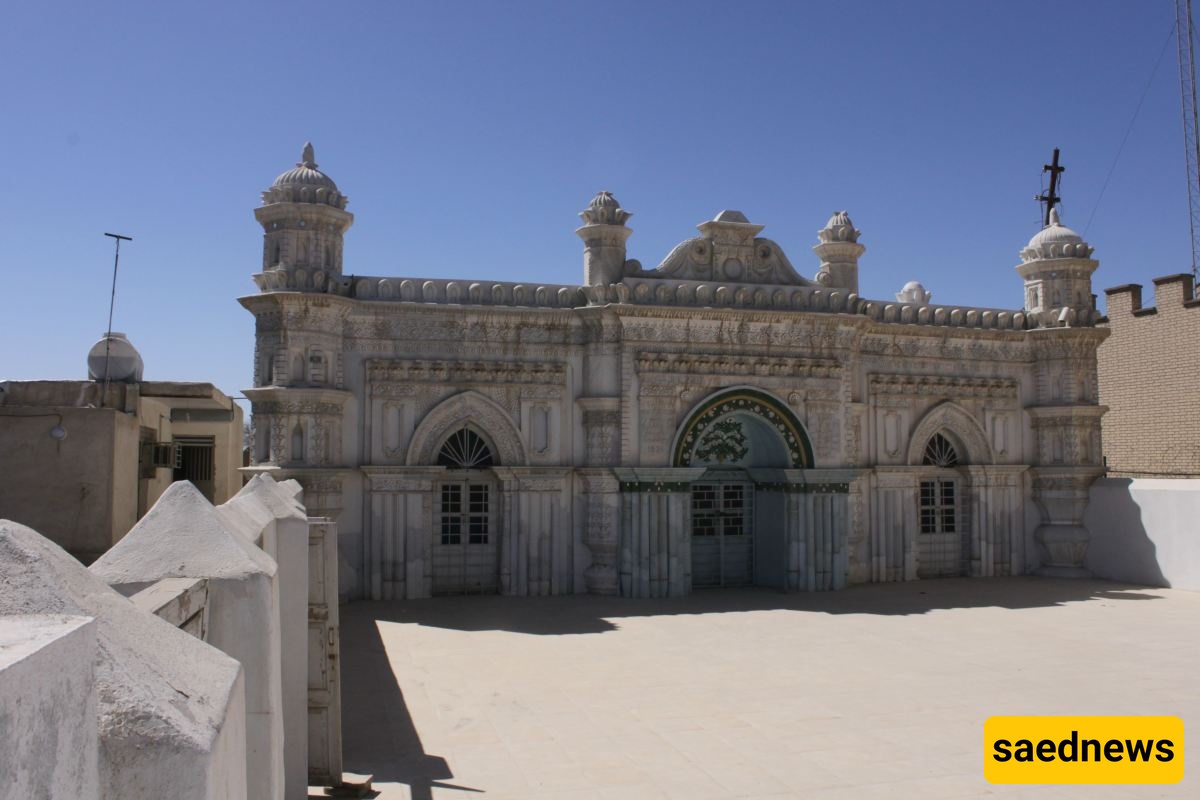
There are different accounts regarding the exact date when Rangoonis Mosque was built. Many local sources and historical studies place its construction around the early years of the 14th century in the Iranian Solar Hijri calendar, roughly corresponding to the 1920s.
At that time, Abadan was rapidly developing because of the growth of the oil industry and was becoming one of Iran's major destinations for migrant workers.
The Anglo-Persian Oil Company brought large numbers of workers and technical employees from India, Pakistan, and Burma to Abadan during this period.
After settling in the city, these Muslim immigrants needed a place where they could practice their religion and hold religious ceremonies. According to existing accounts, the land for the mosque was provided by a local resident or through the support of the immigrant community, while construction was funded with contributions from members of the community.
The mosque's architecture was also clearly influenced by the architectural traditions of the Indian subcontinent. This distinctive style sets Rangoonis Mosque apart from many other mosques in Khuzestan.
Because of its exceptional historical and architectural value, the building was later registered as part of Iran's national heritage and is now under the supervision of the Cultural Heritage authorities of Khuzestan Province.
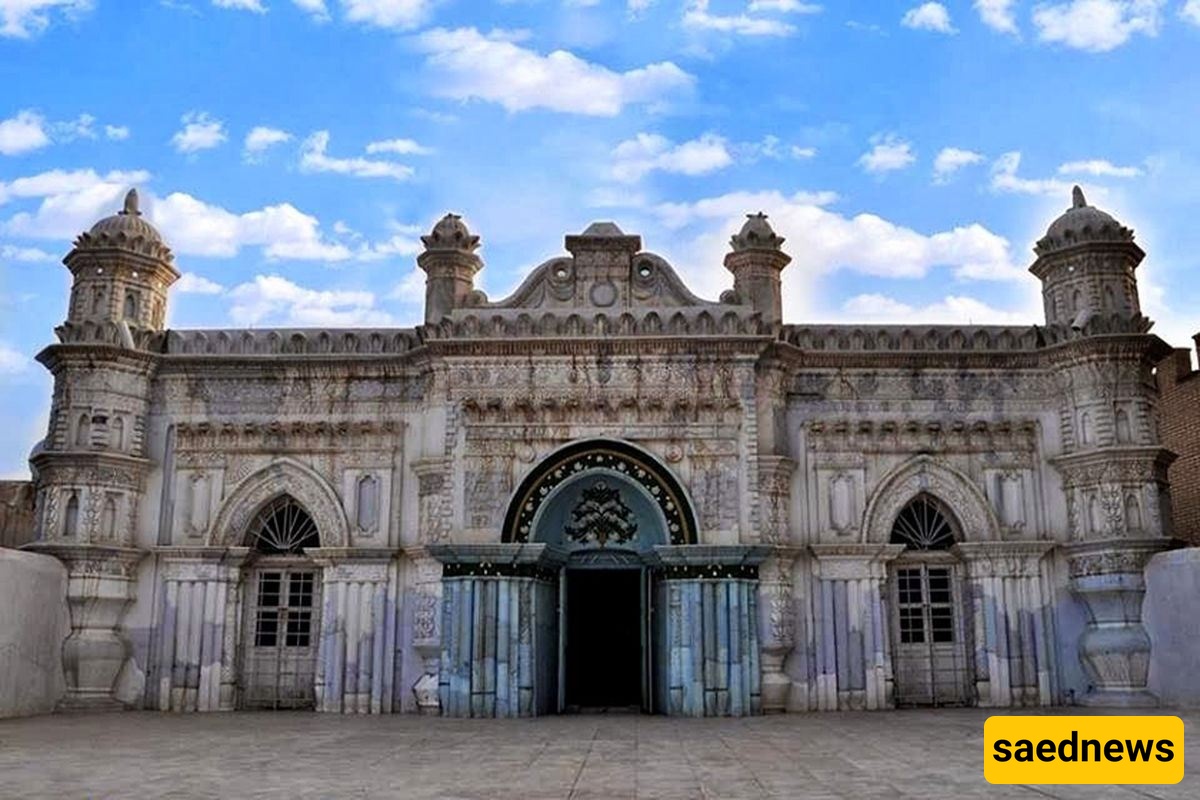
The first feature that attracts attention at Rangoonis Mosque is its distinctly Indian-inspired architecture. Unlike many traditional Iranian mosques, which are often characterized by tall iwans and turquoise domes, this mosque has a very different appearance. Its design is more reminiscent of mosques found in cities such as Lahore, Delhi, and Rangoon.
The mosque features a dome above the main prayer hall, decorated with colorful tiles. On either side of the building are tall, slender minarets inspired by the style of Indian mosques, giving the structure a distinctive and recognizable appearance.
One of the most beautiful features of Rangoonis Mosque is its colorful tilework. Shades of yellow, blue, green, and white are used throughout the decoration, while delicate floral and geometric patterns adorn the walls.
This combination of colors reflects the artistic traditions of Indian tilework. Together with the carefully arranged brickwork, the decorations create a striking visual effect.
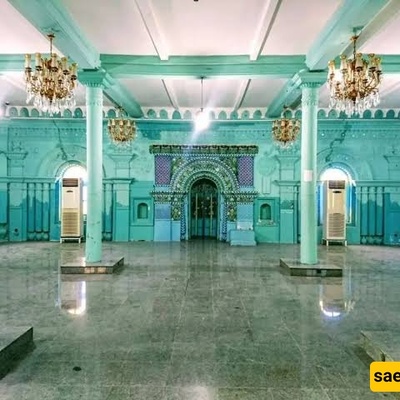
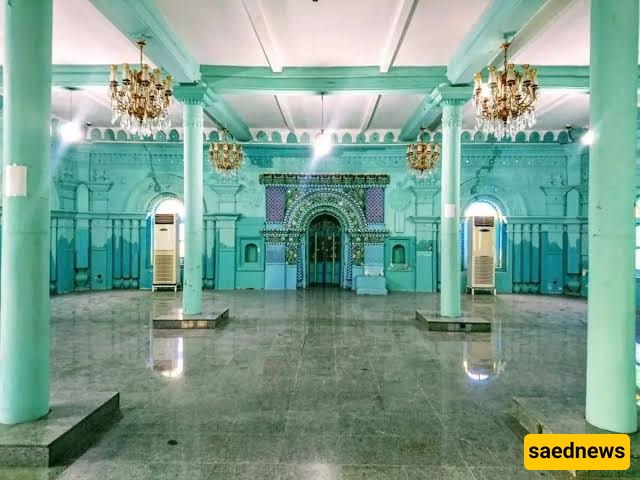
The mosque consists of a relatively spacious courtyard, a main prayer hall, and several surrounding spaces. The prayer hall, with its numerous columns and decorated ceiling, provides an inviting setting for worshippers.
Some sections of the building also contain small rooms and chambers that were historically used for temporary accommodation for travelers and for holding religious gatherings.
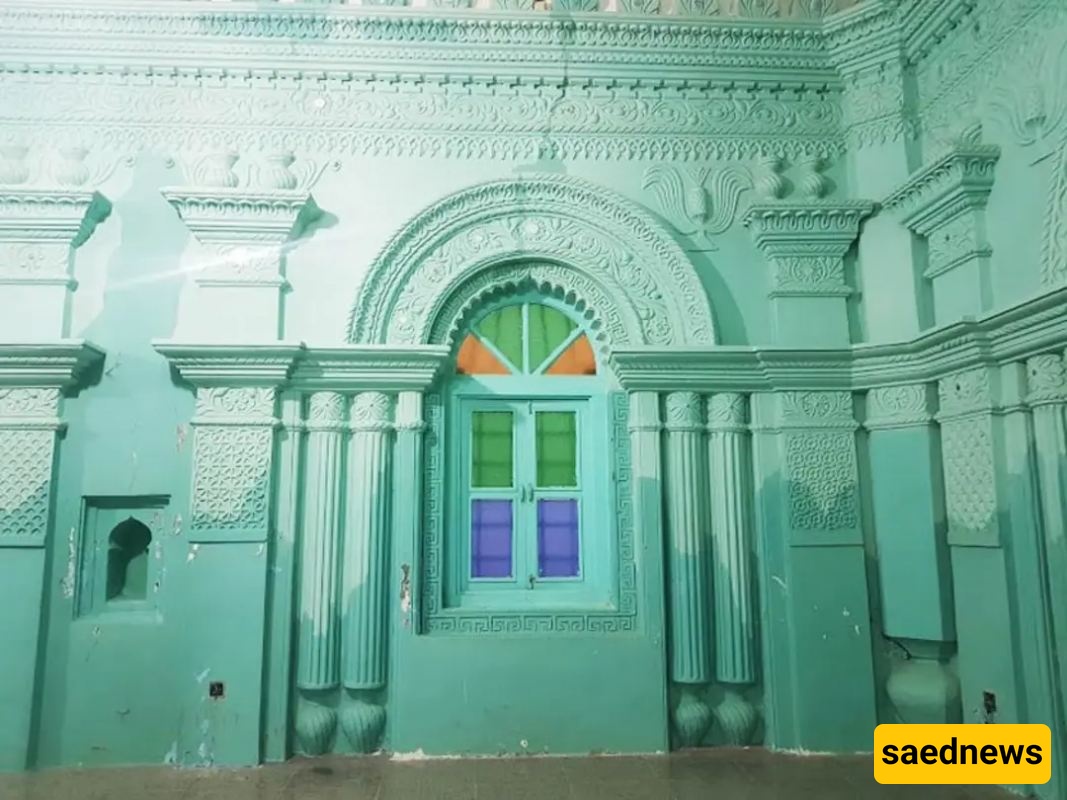
Like many historic buildings in Khuzestan, Rangoonis Mosque has suffered damage over the decades. The humid and extremely hot climate of Abadan, deterioration of the tiles, and damage caused during the Iran-Iraq War affected parts of the structure.
In recent years, however, restoration and conservation efforts have been carried out to preserve the mosque.
Restoring Rangoonis Mosque requires considerable expertise and care because of its distinctive architectural characteristics. Preserving the original tilework and the building's Indian-inspired structure has been a major priority.
These conservation efforts have helped ensure that the mosque remains standing today and continues to be recognized as an important historical attraction in Abadan.
Rangoonis Mosque is more than a religious building; it is a living record of Abadan's social and cultural history.
The mosque reflects how Abadan, during the expansion of the oil industry, developed into a multicultural city where people from different religions, languages, and regions lived alongside one another.
From a tourism perspective, the mosque is also one of Abadan's notable attractions. Tourists and architecture enthusiasts visiting Khuzestan often include Rangoonis Mosque in their itineraries.
Together with other landmarks such as the Abadan oil refinery, the Arvand River, and the city's historic markets, the mosque helps provide a broader picture of the history and cultural development of the region.
If you are planning to visit Rangoonis Mosque, it is advisable to check in advance whether the mosque is open and what visiting hours are available.
Visitors should also observe appropriate dress and maintain a respectful and quiet atmosphere, as the building remains a religious site.
For photographing the architectural details and colorful tilework, natural morning or late-afternoon light can provide particularly favorable conditions.
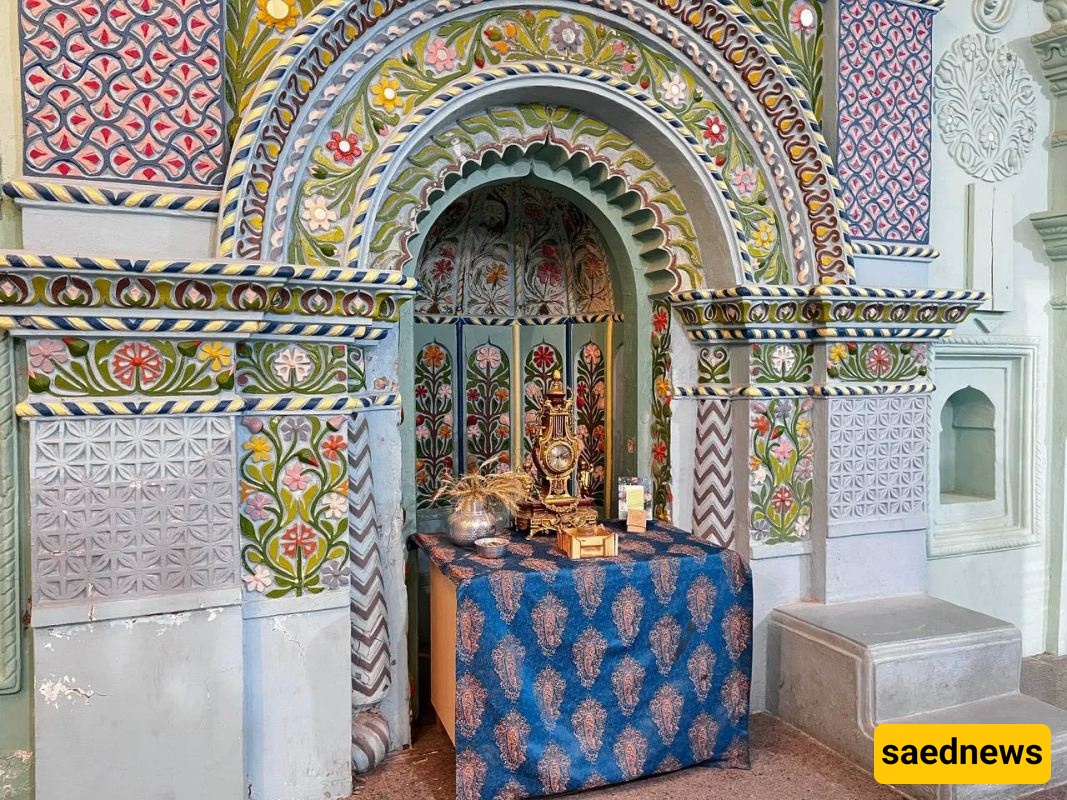
Rangoonis Mosque in Abadan is one of Khuzestan's most distinctive and lesser-known historical landmarks. With its Indian-inspired architecture, colorful tilework, and meaningful social history, the mosque represents a period when Muslim immigrants from India and Burma played a role in the development of Abadan as a modern industrial city.
Preserving and introducing this historic building is important not only for tourism but also for protecting the collective memory and multicultural heritage of Iran.
Rangoonis Mosque deserves greater attention from researchers, heritage authorities, travelers, and anyone interested in Islamic and cross-cultural architecture.
Rangoonis Mosque in Abadan is ultimately more than a historic place of worship—it is a lasting reminder of the people, cultures, and communities that helped shape the city's unique identity.