SAEDNEWS: Body polishing is a beauty care treatment designed to exfoliate the skin. In this article, we explore the benefits, different types, application steps, aftercare, and essential safety tips for body polishing.
According to Saednews, The skin is the largest organ of the human body and plays an important role in protection, temperature regulation, and appearance. Various factors, including air pollution, sun exposure, dehydration, poor nutrition, stress, and aging, can cause dead skin cells to accumulate, resulting in roughness, dullness, and reduced skin clarity.
One popular and effective method for restoring freshness and softness to the skin is body polishing. But what exactly is body polishing, and how does it differ from a regular body scrub? This guide provides a comprehensive overview of its definition, benefits, types, procedure, aftercare, and safety considerations.
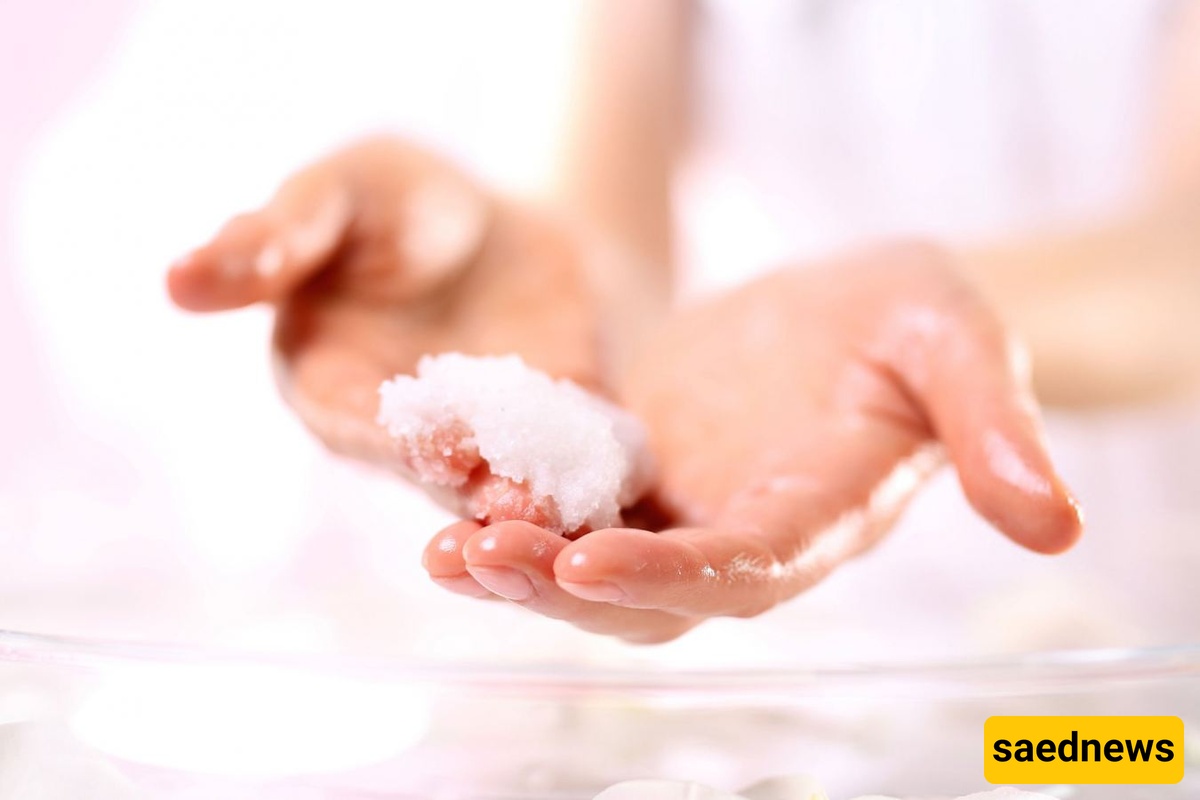
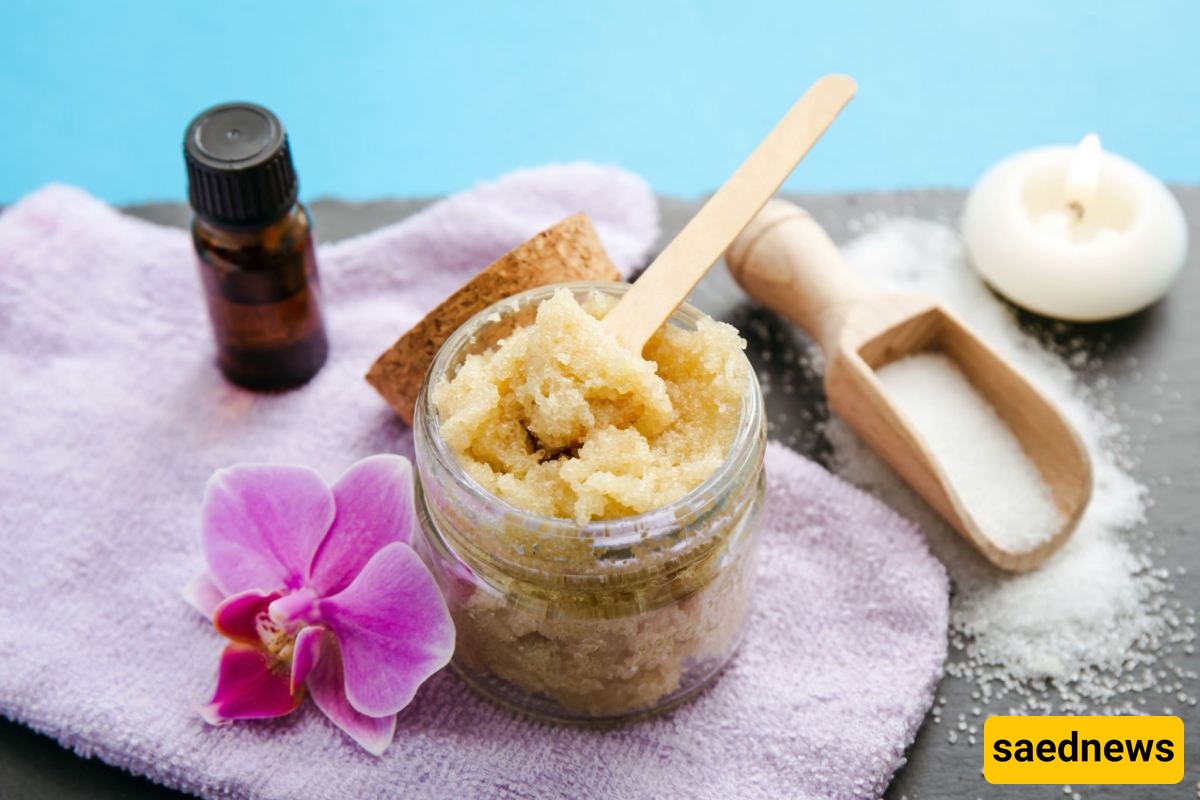
Body polishing is a beauty and skincare treatment designed to exfoliate, cleanse, smooth, and hydrate the skin across the body. Depending on the treatment, natural or chemical exfoliating ingredients such as salt, sugar, coffee, oatmeal, walnut shell, fruit acids, or plant enzymes may be used.
The skin is then gently massaged to remove dead cells from its surface and prepare it to better absorb moisturizing and nourishing products.
The term “polishing” refers to the idea of smoothing and enhancing the appearance of the skin. Therefore, body polishing is more than simple exfoliation. It is typically a multi-step treatment that may include cleansing, exfoliation, massage, a body mask, and hydration. The ultimate goal is to leave the skin feeling soft, smooth, even, fresh, and healthy.
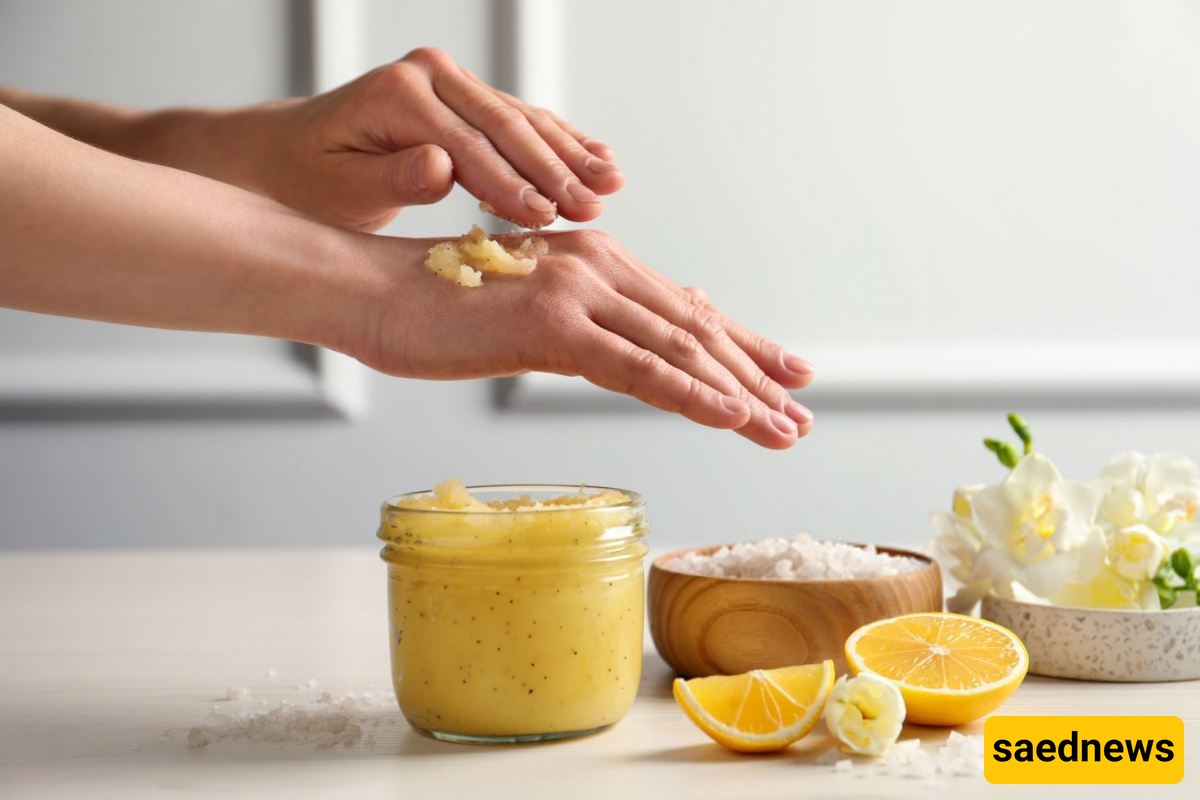
Body polishing and body scrubbing are often considered the same thing, but there is an important distinction.
A body scrub is generally a single exfoliation step that uses abrasive particles to remove dead skin cells.
Body polishing, on the other hand, is a more comprehensive treatment. It may include steaming, exfoliation, massage, a body mask, aromatherapy, and moisturizing. In other words, a scrub can be one component of a body-polishing treatment, while body polishing goes beyond simple exfoliation.
Body polishing may offer several benefits for the skin and overall sense of well-being.
Regular exfoliation removes dead cells from the skin's surface and helps prevent their buildup, which can contribute to dullness, roughness, and clogged pores.
After body polishing, the skin can feel noticeably smoother and softer. This can be particularly noticeable on areas that tend to become rough, such as the elbows, knees, heels, and upper arms.
Gentle massage and exfoliation can increase blood flow near the surface of the skin, potentially supporting healthier-looking skin and a more even appearance.
Gentle, targeted massage may stimulate lymphatic circulation. However, claims about removing “toxins” should not be overstated, and this type of massage should be considered complementary to adequate hydration and a healthy lifestyle.
Removing dead skin cells can make it easier for moisturizers, lotions, and body oils to spread across and penetrate the outer layers of the skin.
Exfoliation can help keep pores clear and may reduce minor body breakouts, white bumps, and some ingrown hairs. However, people with significant or inflamed acne should exfoliate cautiously and consider professional dermatological advice.
By removing accumulated dead cells and temporarily increasing circulation, body polishing can make the skin appear brighter, smoother, and more radiant.
Many body-polishing treatments include soothing fragrances, gentle music, and massage. The overall experience may help reduce stress and promote relaxation.
It is important to note that body polishing is not a weight-loss treatment or a definitive cure for cellulite. Although it may temporarily improve the appearance and texture of the skin, it should not replace exercise, a balanced diet, or medical treatment.
Body-polishing treatments can be categorized according to the exfoliating ingredients and techniques used.
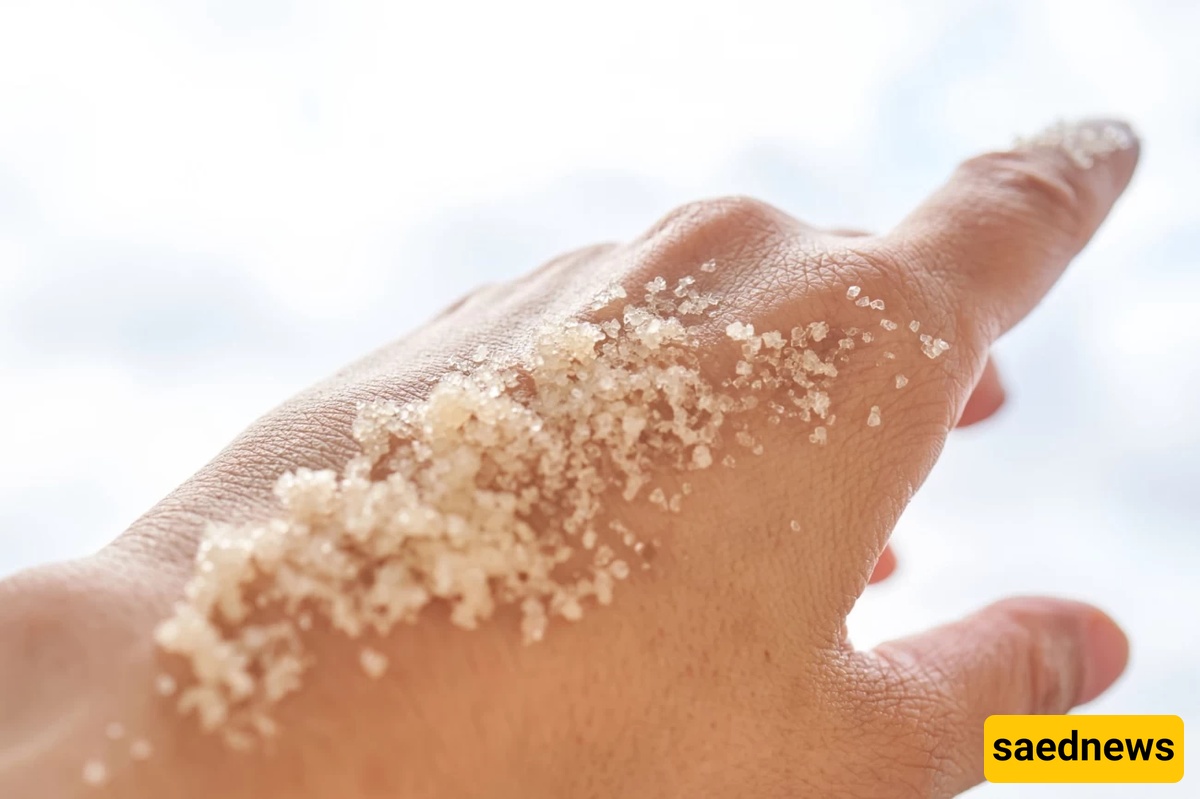
Sea salt, Epsom salt, or Himalayan salt may be used. Salt provides physical exfoliation and is often chosen for thicker or oilier skin. It may be too harsh for sensitive or irritated skin.
Sugar particles are generally softer and dissolve more easily in water than salt. Sugar-based polishes can provide relatively gentle physical exfoliation and may be suitable for dry skin when used carefully.
Coffee-based polishes contain caffeine and antioxidant compounds. Massage with a coffee scrub may temporarily improve the appearance of the skin and reduce the appearance of puffiness.
Oatmeal, chickpea flour, marshmallow, and other botanical ingredients may be used for dry or sensitive skin. These formulations can provide gentler exfoliation while minimizing irritation.
Plant enzymes, such as those derived from papaya or pineapple, and mild acids such as AHAs or BHAs may be used to loosen dead skin cells without relying entirely on physical scrubbing. These treatments can be useful for people who do not tolerate aggressive physical exfoliation.
Marine treatments may contain seaweed, sea salt, or marine mud. These ingredients contain various minerals and are commonly used in spa treatments designed to hydrate and condition the skin.
Essential oils such as lavender, orange, peppermint, or rosemary may be incorporated into a body-polishing treatment. The primary purpose is usually to create a relaxing and pleasant sensory experience.
Some salons offer customized treatments that combine different exfoliants, masks, and massage techniques. The treatment can be selected according to the individual's skin type and specific skincare needs.
A professional body-polishing treatment commonly involves several steps:
The practitioner evaluates the skin type, sensitivities, allergies, wounds, acne, burns, or existing skin conditions. Based on this assessment, the appropriate products and exfoliation intensity are selected.
The body is cleansed with gentle products to remove dirt, oil, and surface impurities. This prepares the skin for more even exfoliation.
Some salons use gentle steam or a warm towel to soften the outer layer of the skin. This step is optional and should be avoided when heat could aggravate sensitive or inflamed skin.
The selected polishing product is applied using gentle circular movements. Rougher areas such as the elbows, knees, and heels may receive slightly more attention, but excessive pressure should be avoided.
After the exfoliating product is removed, the body may be massaged with a suitable oil or lotion. Massage can provide relaxation and temporarily increase local circulation.
Depending on the individual's needs, a hydrating, brightening, soothing, or nourishing body mask may be applied. It is generally left on for several minutes before being rinsed off.
A moisturizer, body lotion, or body oil is applied to help maintain the skin's moisture and leave it feeling softer and more supple.
After the treatment, the practitioner may recommend avoiding intense sun exposure, saunas, swimming pools, hot baths, and irritating skincare products for the next 24–48 hours.
Body polishing can also be performed at home using a simple routine. You may need a gentle body scrub, a soft washcloth or brush, a towel, a moisturizer or body oil, and warm water.
Stand under a warm shower for a few minutes to soften the skin.
Wash your body with a gentle cleanser.
Apply an appropriate amount of scrub to damp skin.
Massage gently using circular motions. Avoid applying excessive pressure.
Be especially gentle around sensitive areas such as the neck, chest, and inner arms.
Rinse the scrub thoroughly with warm water.
Pat the skin dry with a soft towel.
Immediately apply a moisturizing lotion or body oil.
For most skin types, exfoliating once or twice a week is generally sufficient.
Sensitive skin may require longer intervals and gentler products.
Avoid coarse, abrasive scrubs on sensitive skin.
Do not exfoliate immediately after shaving, laser treatment, peeling, or sunburn.
Stop the treatment if you experience significant burning, redness, or itching.
Aftercare is just as important as the treatment itself. The following steps can help maintain the results:
Moisturize: Apply a moisturizer or body oil immediately after exfoliation.
Use sunscreen: Freshly exfoliated skin can be more sensitive to sunlight, so protect exposed areas with appropriate sunscreen.
Avoid excessive heat: For about 24 hours, avoid saunas, hot tubs, swimming pools, and very hot showers if your skin is sensitive after treatment.
Wear soft clothing: Loose, soft cotton clothing can help reduce friction and irritation.
Stay hydrated: Drink enough water to support normal hydration.
Avoid irritating products: For several days, avoid products containing strong acids, alcohol, or abrasive exfoliants if your skin feels sensitive.
The ideal interval depends on skin type, the strength of the treatment, and how well your skin tolerates exfoliation.
Normal skin: Approximately every 3–4 weeks.
Dry skin: Approximately every 4–6 weeks.
Oily skin: Approximately every 2–3 weeks if the skin tolerates it.
Sensitive skin: Approximately every 4–6 weeks or less frequently, using very gentle products.
For home exfoliation, once a week may be enough for normal skin, while sensitive skin may benefit from an interval of 10–14 days or longer.
Body polishing is not appropriate for everyone. Consult a dermatologist or postpone treatment if you have:
Open wounds, cuts, burns, or a recent sunburn
Active eczema, psoriasis, severe rosacea, or irritated dermatitis
Severe inflammatory acne or pus-filled lesions
Fungal, viral, or bacterial skin infections
Recently undergone laser treatment, microneedling, a strong chemical peel, or a fresh tattoo
A known allergy to scrub ingredients or essential oils
Certain medical conditions, such as poorly controlled diabetes, vascular problems, or immune-system disorders, unless your doctor confirms that the treatment is appropriate
“Body polishing causes weight loss.”
No. Body polishing exfoliates and softens the skin; it does not replace exercise or a weight-management program.
“The rougher the scrub, the better the results.”
Not necessarily. Aggressive scrubbing can damage the skin barrier and cause irritation, redness, or sensitivity.
“The same body-polishing treatment works for every skin type.”
No. The appropriate ingredients, technique, and frequency depend on the individual's skin type and tolerance.
“Body polishing replaces medical skin treatment.”
No. Body polishing is a cosmetic skincare procedure, not a treatment for underlying skin diseases.
If you decide to have a professional body polish, consider the following:
Clean and hygienic facilities and properly sanitized equipment
High-quality products appropriate for your skin type
An experienced and properly trained practitioner
Patch testing when you have a history of allergies
Clear aftercare instructions following the treatment
Body polishing is a cosmetic skincare treatment that combines exfoliation, massage, and hydration to help improve the softness, smoothness, and overall appearance of the skin. It can be performed professionally at a salon or as a simpler routine at home, provided that appropriate products and safe techniques are used.
Body polishing is not a miracle treatment. The best long-term results come from combining appropriate exfoliation with regular moisturizing, a balanced diet, adequate water intake, and protection from excessive sun exposure. If you have a skin condition, significant sensitivity, or an allergy, consult a dermatologist before undergoing body polishing.