SAEDNEWS: Dog twitching during sleep is usually a normal part of dreaming and brain activity during the REM sleep stage. However, in some cases, it may indicate seizures, pain, low blood sugar, or a neurological disorder.

According to Saednews, Seeing a dog twitch, jerk its legs, or make soft noises while sleeping deeply is a familiar experience for many pet owners. The main question is what causes dogs to twitch in their sleep and whether this behavior indicates an illness or is simply a normal part of sleeping. The short answer is that, in most cases, dogs twitching in their sleep is completely normal and results from brain activity during the dreaming stage. However, under certain circumstances, these movements may indicate seizures, pain, metabolic disorders, or neurological conditions. Distinguishing between these two possibilities is important because it helps determine whether you should simply observe your dog or contact a veterinarian as soon as possible.
This article examines the natural and abnormal causes of dogs twitching in their sleep, the differences between sleep movements and seizures, warning signs to watch for, and the appropriate steps to take when you notice this behavior.
Twitching in dogs during sleep refers to involuntary, usually brief movements in their limbs, eyelids, ears, whiskers, or even their entire body. These movements may be accompanied by sounds such as soft barking, whining, snorting, or leg movements that resemble running.
Many dog owners describe this behavior as “dreaming,” and that is essentially correct. During a particular stage of sleep, a dog’s brain exhibits activity similar to that of an awake state, while the body remains largely paralyzed or inhibited to prevent dream movements from becoming actual physical actions. However, this inhibition is not always complete, which is why dogs sometimes twitch in their sleep.
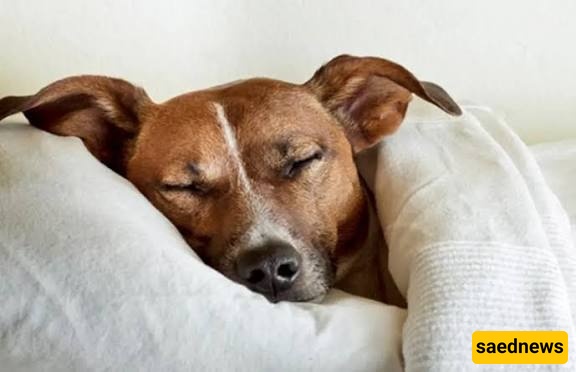
Like humans, dogs have sleep cycles that include different stages, such as light sleep, deep sleep, and rapid eye movement (REM) sleep. The REM stage typically begins after approximately 20 minutes of sleep and is associated with intense brain activity, dreaming, and rapid eye movements.
During this stage, a dog’s body should remain relatively still. However, in many dogs, motor inhibition is incomplete, resulting in mild jerks, leg movements, ear twitching, or sleep sounds. Therefore, the most common explanation for twitching in dogs during sleep is normal brain activity during the REM stage.
Puppies and young dogs twitch more frequently in their sleep than adult dogs because their nervous systems are still developing and they spend more time in REM sleep. Active and energetic breeds may also exhibit more pronounced movements while dreaming.
The most common natural cause is dreaming. A dog may move its legs, twitch its whiskers, make soft noises, or even appear to be running in its sleep. These movements are usually brief, intermittent, and harmless.
Sometimes, a dog’s muscles undergo sudden, brief contractions when it falls asleep or transitions between sleep stages. This is similar to the sleep starts experienced by humans and is usually normal. If these jerks occur only occasionally and the dog behaves normally after waking up, there is generally little cause for concern.
Puppies twitch more frequently because of their rapidly developing nervous systems and the greater amount of REM sleep they experience. Older dogs may also show more movements during sleep because of natural changes in their sleep patterns or mild joint pain.
A dog that has had an active day or experienced plenty of play and excitement may move more during sleep. This is generally normal and may be related to the brain processing information from the day.

Mild discomfort, excessive heat, cold temperatures, or unsuitable bedding may sometimes cause a dog to become restless and move more during sleep. This usually resolves when the dog changes position or briefly wakes up.
Not every movement during sleep is normal. If a dog’s movements are intense, prolonged, frequent, or accompanied by other symptoms, an underlying medical condition should be considered.
Seizures during sleep may involve intense twitching, body stiffness, paddling movements of the legs, excessive drooling, loss of bladder or bowel control, or loss of consciousness. A seizure may last from several seconds to several minutes. If the dog appears confused, disoriented, or unable to function normally after the episode, a seizure becomes more likely.
Low blood sugar, particularly in small puppies, toy breeds, or dogs that have not eaten enough, can cause trembling, weakness, and seizures. This condition requires prompt veterinary assessment.
Imbalances in calcium, sodium, or potassium, as well as liver or kidney problems, can cause involuntary movements, tremors, or seizures. These conditions are usually diagnosed through blood tests.
Exposure to certain foods, plants, insecticides, or medications can cause tremors, restlessness, and seizures. If twitching is accompanied by other symptoms, such as vomiting, weakness, or behavioral changes, contact a veterinarian immediately.
Dogs suffering from arthritis, spinal disc disease, or chronic pain may be restless during sleep and exhibit involuntary movements or frequent changes in position. This may also be accompanied by signs while awake, such as limping or reluctance to move.
In rare cases, neurological conditions such as inflammatory brain diseases, tumors, or REM sleep behavior disorder may cause intense movements during sleep. These conditions require a specialized veterinary examination.
Distinguishing normal sleep movements from seizures is important. During normal sleep movements, a dog can often be awakened by gently calling its name or lightly touching it. Once awake, the dog is alert and behaves normally. The movements are usually brief, intermittent, and limited to the legs or whiskers.
During a seizure, the dog may be unresponsive, its body may become stiff, its legs may move abnormally, excessive saliva may be produced, and involuntary urination or defecation may occur. After the episode, the dog may appear confused or exhausted. Seizures may last longer than one or two minutes or recur at short intervals. In such cases, immediate veterinary attention is essential.
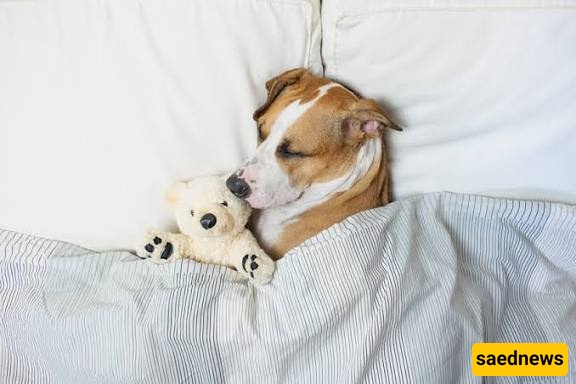
If your dog twitches occasionally during sleep, the movements are brief, and your dog behaves completely normally after waking up, there is usually no reason to worry. However, you should consult a veterinarian if:
The movements are intense or last longer than one to two minutes.
Seizure-like episodes occur several times a day or several times a week.
Your dog experiences weakness, persistent trembling, or behavioral changes while asleep or awake.
Excessive drooling or loss of bladder or bowel control occurs.
Your dog appears confused, weak, or unusually aggressive after waking up.
Twitching begins suddenly in an older dog.
Other symptoms occur, such as vomiting, loss of appetite, fever, or breathing difficulties.
If your dog twitches during sleep, remain calm and observe its behavior. You can gently call your dog’s name to see whether it wakes up and responds to its surroundings. If the movements appear normal, there is no need to wake your dog.
If you suspect a seizure, do not restrain your dog or put anything in its mouth. Move dangerous objects away from the surrounding area and record how long the episode lasts. Taking a video of the episode can be extremely helpful to your veterinarian. Once the episode ends, keep your dog in a quiet, safe environment and contact your veterinarian.
In most cases, twitching during sleep is a normal behavior associated with dreaming and REM sleep. Puppies and young dogs may experience it more frequently, and brief movements accompanied by normal behavior after waking are generally harmless.
However, intense or prolonged movements, loss of consciousness, excessive drooling, incontinence, or confusion after an episode may indicate a seizure or another medical condition. Observing your dog’s behavior and recognizing warning signs can help you determine when veterinary care is necessary.