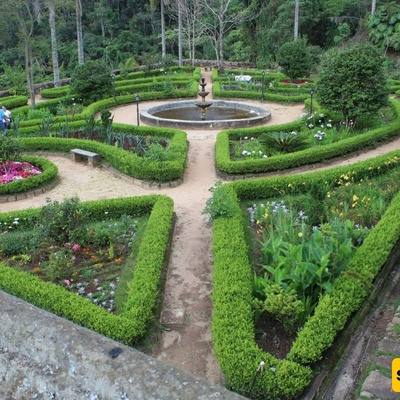
SAEDNEWS: Lunuganga Garden, designed by Geoffrey Bawa in Sri Lanka, is a unique blend of architecture and nature, celebrated as one of the most beautiful gardens of the 20th century.
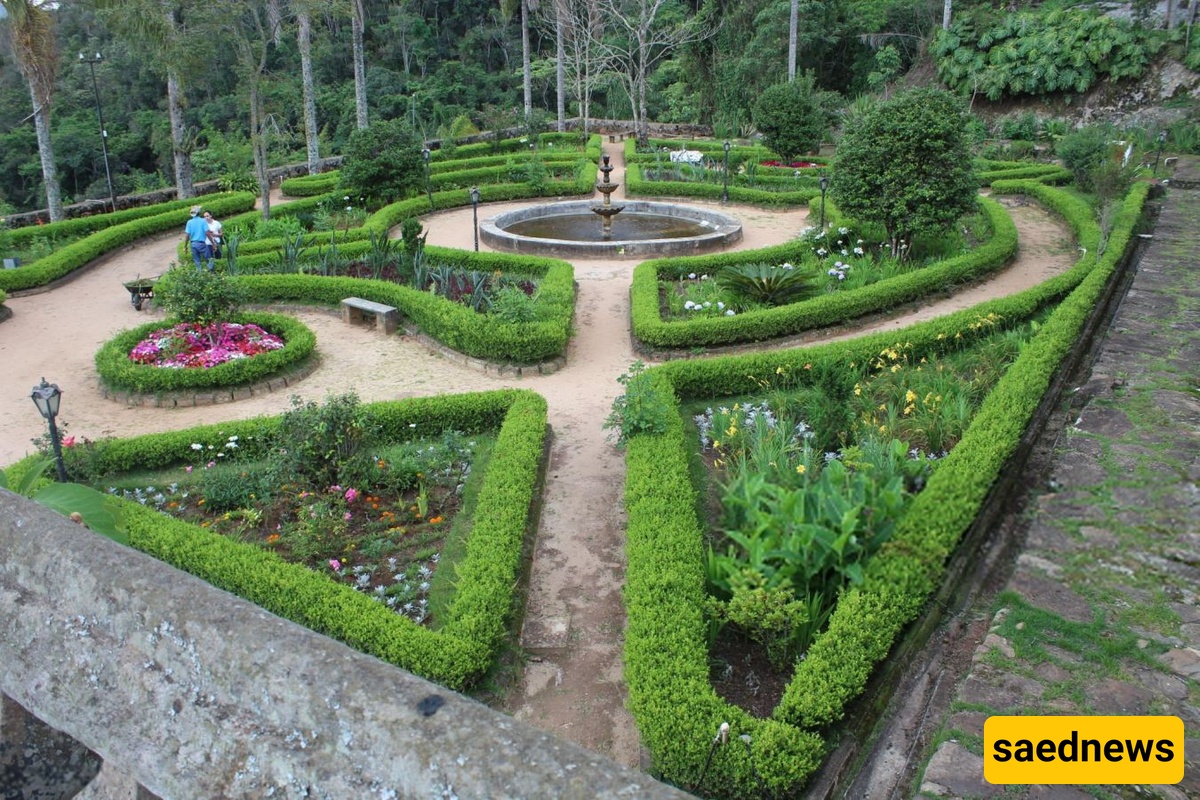
According to Saednews, Lunuganga is one of Sri Lanka’s most significant works of architecture and landscape design. Created by Geoffrey Bawa, the renowned Sri Lankan architect, the estate is an extraordinary masterpiece that blends architectural artistry with the natural environment.
Lunuganga is a prominent symbol of Sri Lanka’s cultural heritage and design legacy, beautifully showcasing the country’s architectural history and artistic traditions. Bawa acquired the property in 1947 and gradually transformed an abandoned rubber plantation into one of the most remarkable gardens of the twentieth century. Throughout the estate, he incorporated a wide range of artistic and architectural influences, creating a distinctive landscape that continues to inspire architects, designers, and garden enthusiasts.
Lunuganga’s landscape reflects a fascinating combination of different design traditions, including Italian Renaissance gardens, English landscape gardens, Japanese garden art, and the ancient water gardens of Sri Lanka.
This distinctive blend of influences makes Lunuganga one of Geoffrey Bawa’s most celebrated creations. The estate has become a destination for those interested in landscape architecture, garden design, and architectural history.
The main house at Lunuganga, originally developed from a tea estate bungalow dating to the 1930s, embodies the principles of Tropical Modernism, a style closely associated with Geoffrey Bawa. The house features a thoughtful combination of antique and contemporary furniture, traditional craftsmanship, and modern artistic elements.
The Geoffrey Bawa Trust and the estate’s hospitality team have sought to preserve the original character of the house, making only limited changes to maintain the atmosphere Bawa envisioned for its guests.
Surrounded by lush greenery and peaceful landscapes, Lunuganga offers an ideal retreat from the noise and demands of urban life. Its expansive grounds provide a tranquil setting for visitors seeking relaxation, natural beauty, and architectural inspiration.
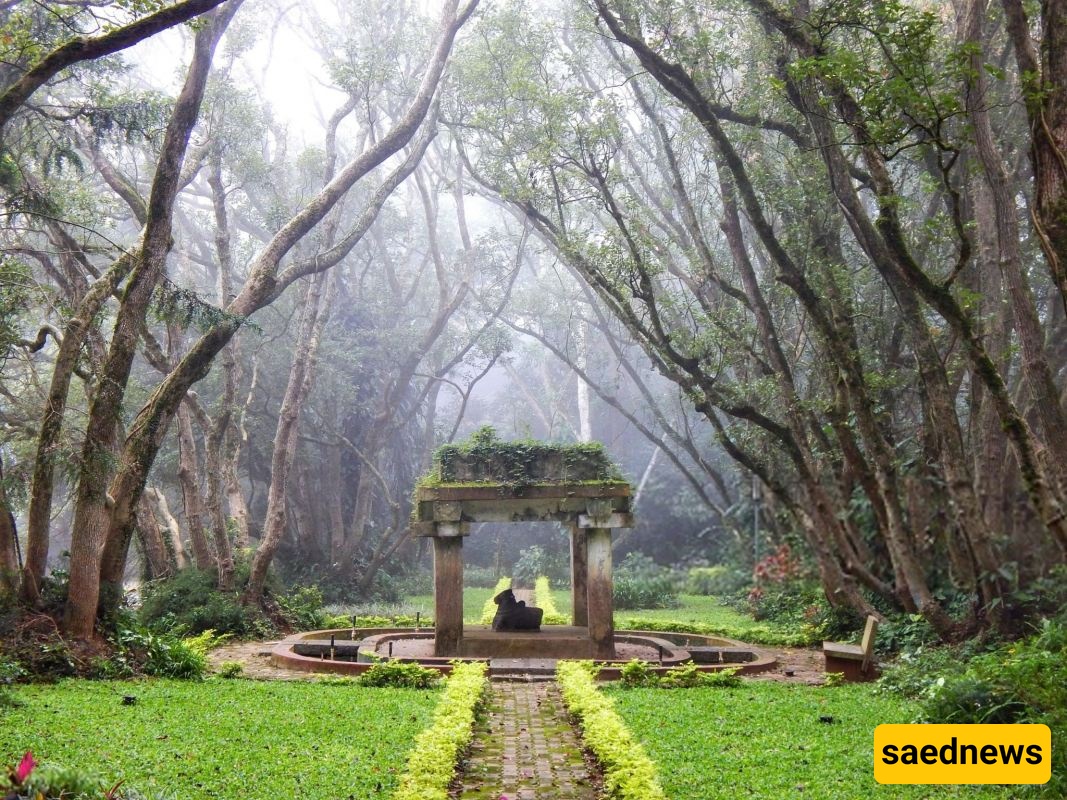
In 1962, the artist Ena de Silva and her husband, Osmund, commissioned Geoffrey Bawa to design a house for them. The project became an important milestone in Bawa’s career, allowing him to explore the relationship between modern architectural principles and traditional Sri Lankan design.
In 2009, Ena de Silva donated the house to the Geoffrey Bawa Trust. The Trust subsequently undertook the complex task of relocating the building from Colombo to Lunuganga. The painstaking process involved dismantling the structure, carefully preserving its architectural details, and reconstructing it at the estate. The relocation and restoration took approximately six years.
Today, the Ena de Silva House at Lunuganga serves as a living testament to Geoffrey Bawa’s architectural vision. Visitors can appreciate its distinctive design, intricate details, and imaginative integration of modern and traditional elements.
The house offers a valuable insight into Bawa’s approach to architecture, in which buildings, materials, cultural traditions, and the surrounding landscape work together to create a harmonious whole.
Staying at Lunuganga, whether in the main house or the Ena de Silva Villa, offers a distinctive hospitality experience. Guests can enjoy modern comforts in a peaceful natural setting while experiencing the estate’s remarkable architecture, gardens, and scenic surroundings.
The combination of historical character, carefully designed spaces, and lush landscapes makes Lunuganga an appealing destination for architecture enthusiasts, nature lovers, and travellers seeking a peaceful escape.
Lunuganga Garden was designed by Geoffrey Bawa, one of Sri Lanka’s most influential architects. He began developing the estate in 1947, transforming it into an internationally recognised example of landscape architecture and tropical design.
Lunuganga brings together several landscape traditions, including Italian Renaissance gardens, Japanese gardens, English landscape design, and Sri Lanka’s ancient water gardens. These influences are combined with Bawa’s distinctive approach to tropical architecture, creating a landscape that feels both carefully composed and naturally integrated.
Lunuganga stands out for its imaginative relationship between architecture and nature. Rather than functioning simply as a landscaped green space, the estate presents a carefully arranged sequence of views, pathways, water features, buildings, and garden spaces.
Its integration of traditional Sri Lankan elements with modern design principles makes it an important example of the country’s architectural and cultural heritage.
Yes. Lunuganga is a well-known visitor destination in Sri Lanka. Visitors can explore its gardens, appreciate the surrounding scenery, and discover the architectural ideas and history behind the estate. Access arrangements and visiting hours may vary, so checking the official visitor information before travelling is advisable.
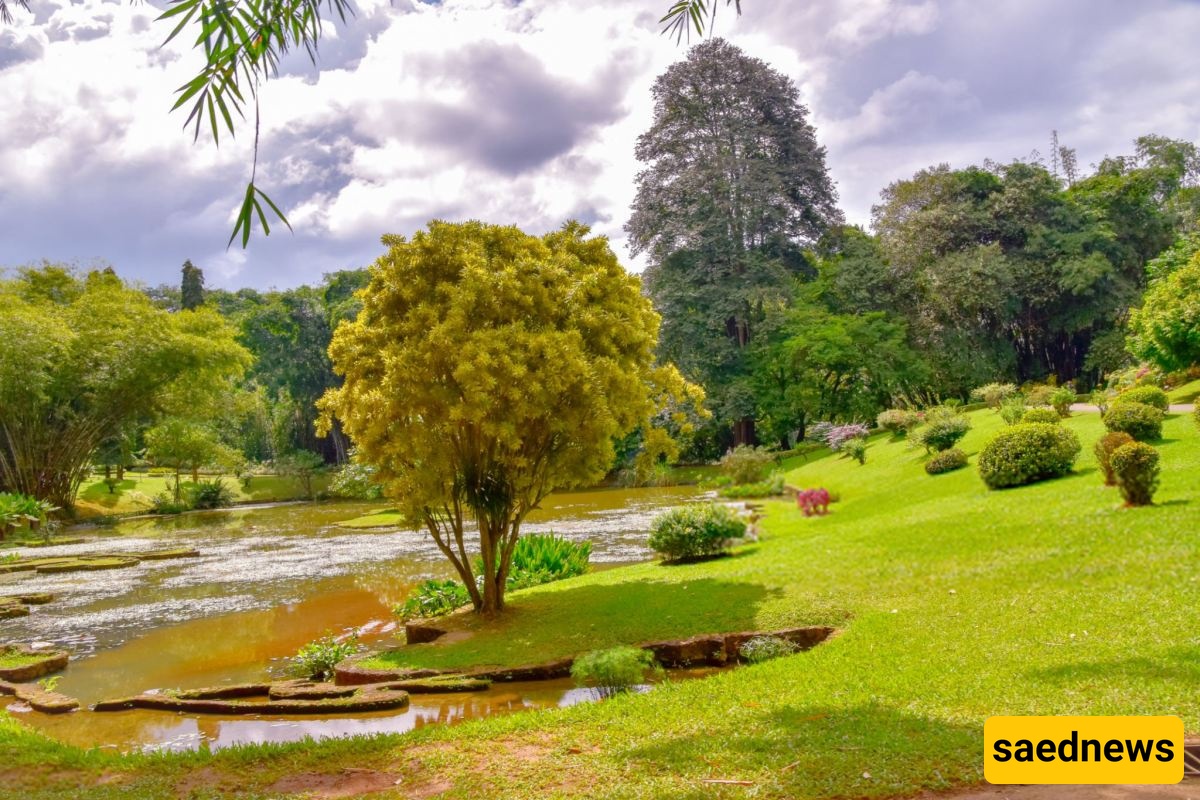
Lunuganga is primarily known as Geoffrey Bawa’s former country estate and landscape garden. The Ena de Silva House within the estate also preserves an important part of his architectural legacy, offering visitors an opportunity to experience the interplay between traditional craftsmanship and modern design.
Lunuganga is far more than an exceptional garden. It is a celebration of the relationship between architecture, landscape, culture, and nature. Through his innovative combination of traditional influences and modern design, Geoffrey Bawa created a place that remains one of Sri Lanka’s most compelling architectural destinations.
For anyone interested in landscape architecture, tropical modernism, or the beauty of thoughtfully designed natural spaces, Lunuganga offers a memorable opportunity to experience the enduring vision of one of Sri Lanka’s most celebrated architects.