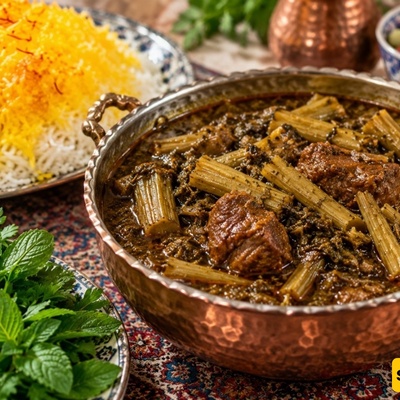
SAEDNEWS: Kermanshahi-style artichoke stew is one of the most delicious Iranian stews. To achieve its rich, authentic flavor, you need to know a few special tips and tricks, which we’ll share below.
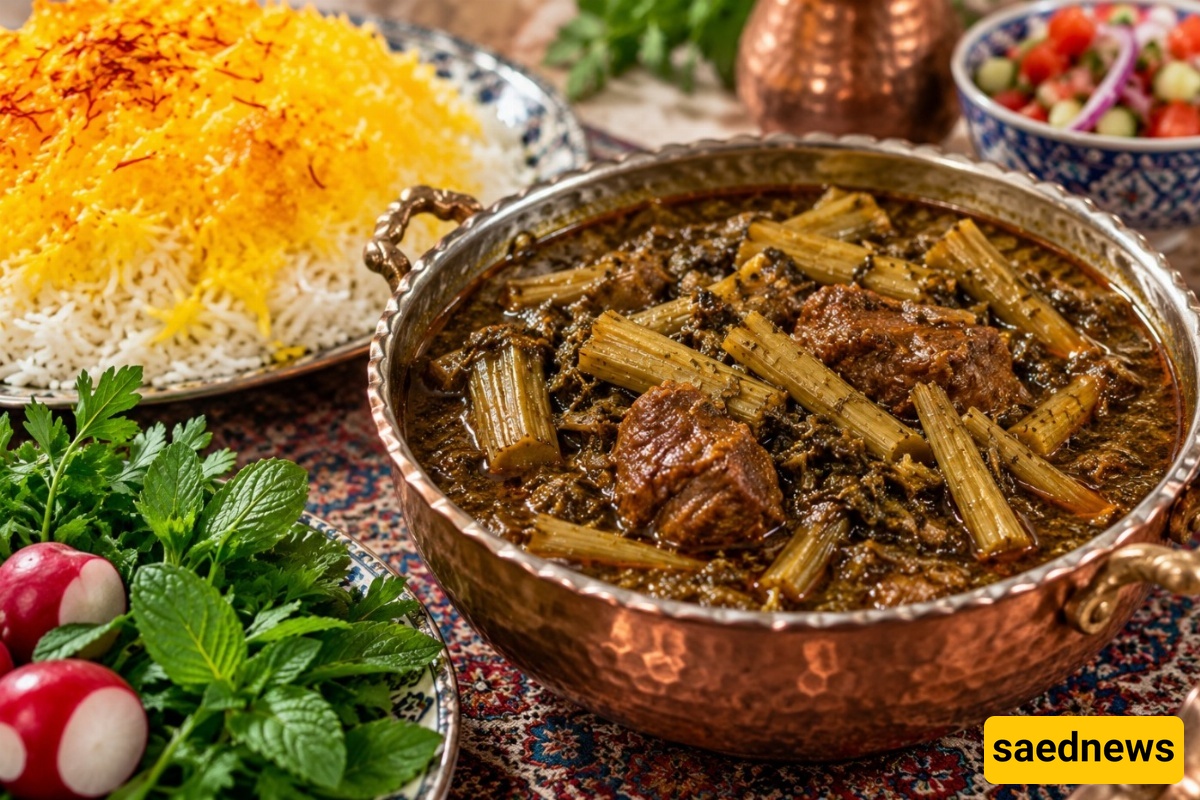
According to Saednews, Kangar stew (Persian wild cardoon stew) is a traditional Iranian dish known for its delicious flavor. With the arrival of spring and the availability of fresh wild cardoon, it becomes a popular choice in many Iranian households. This nutritious stew is prepared in different ways across Iran. Some people cook it with split peas and tomato paste, similar to Gheymeh stew, while others use a combination of aromatic herbs without tomato paste, giving it a flavor reminiscent of Ghormeh Sabzi.
If you enjoy authentic Persian cuisine and want to prepare a distinctive, fragrant spring stew during wild cardoon season, here are some useful cooking tips.
For a more delicious kangar stew, use lamb. However, if you prefer not to eat red meat, you can cut chicken into stew-sized pieces and use it instead.
One of the secrets to making flavorful Persian stews is using enough onions. Use one large onion or two medium-sized onions to give your kangar stew a richer taste and a thicker consistency.
Do not overlook brewed saffron when preparing kangar stew. One of the chefs' secrets is to add a little brewed saffron toward the end of cooking. This enhances the stew's aroma and flavor.
Depending on your preference, you can add verjuice (sour grape juice) or lemon juice to Shirazi-style kangar stew. A little verjuice is particularly recommended for adding a pleasant tangy flavor.
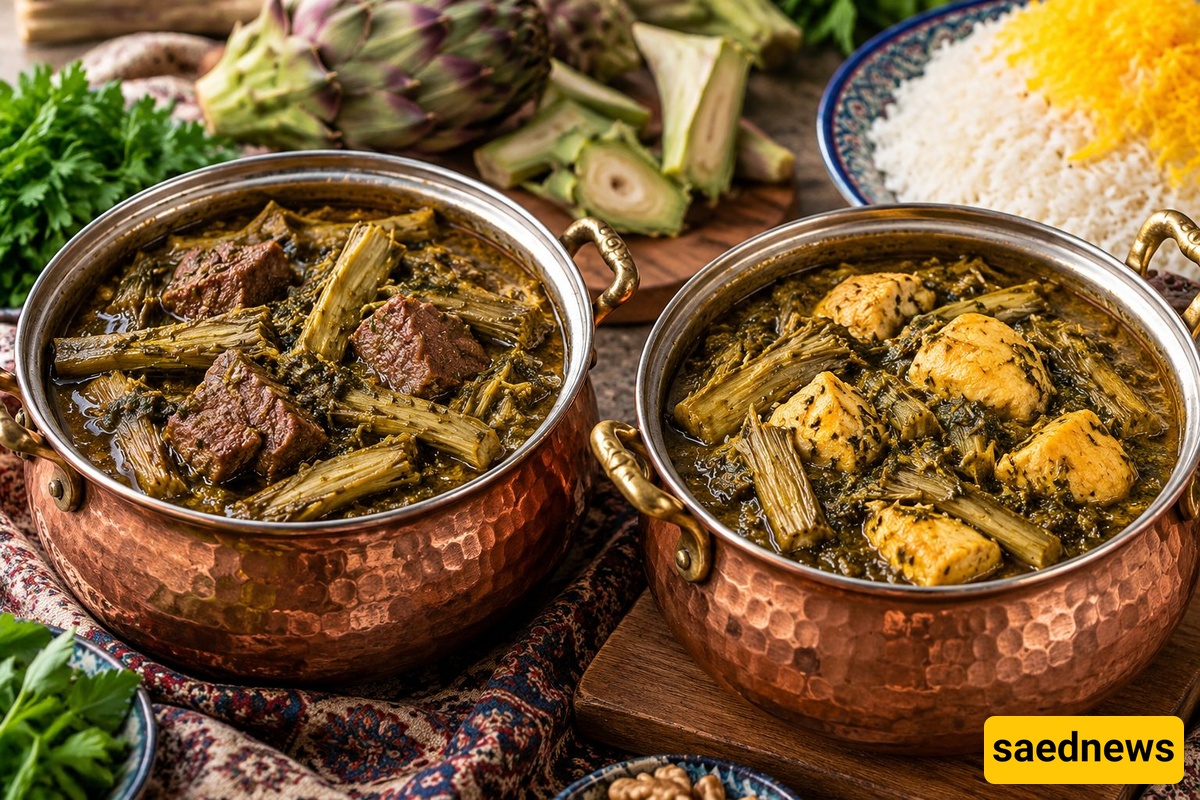
Some people add dried Persian limes to make the stew tangier, while others prefer plums or fresh green plums. This is optional and depends on your personal taste.
Kangar stew is prepared differently throughout Iran. Some cooks add one tablespoon of bitter orange paste near the end of cooking to enhance its flavor.
For a thicker, more flavorful stew, you can grind dried wild cardoon into a powder and add a small amount to the pot.
For an exceptional flavor, use herbs such as mint and parsley. Some cooks also add local herbs, basil, scallions, or celery to give the stew a distinctive taste.
Many people add tomato paste to kangar stew, while others prefer a darker color and a flavor similar to Ghormeh Sabzi, so they leave it out entirely. Try both versions to discover whether you prefer kangar stew with or without tomato paste.
In some regions, kangar stew is prepared in a style similar to Gheymeh, using split peas. If you choose to add split peas, soak them beforehand. This helps them cook faster and may reduce digestive discomfort.
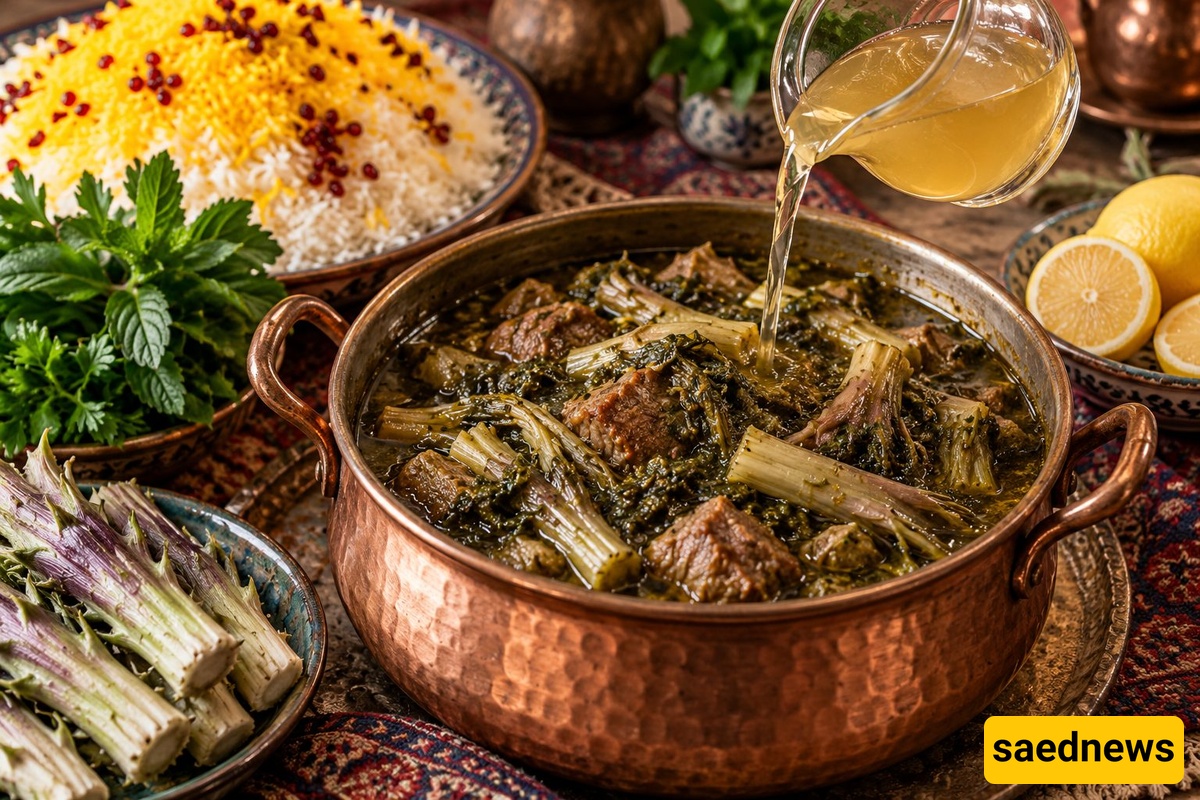
To make the stew richer and more flavorful, avoid adding cold water during cooking. Use hot water instead to help the stew come together more quickly. You can also use seasoned meat or chicken stock for extra flavor.
Season your kangar stew with salt, black pepper, and turmeric. If you enjoy spicy food, increase the amount of pepper according to your taste.
One of the most important secrets to a delicious kangar stew is allowing it to simmer properly. Cook it over low heat so the ingredients become tender and the flavors blend together. Slow cooking gives the stew its rich texture and well-developed flavor.