SAEDNEWS: Can Rose Water Help Make Your Face Look Fuller Naturally?
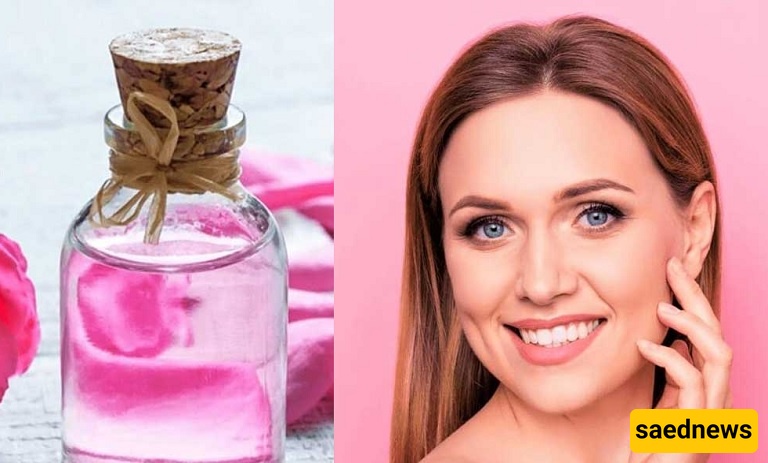
According to Saednews, Fuller cheeks and softer facial contours are common beauty goals. Rose water has long been used in traditional skincare and home beauty routines. But can rose water actually make your face fuller?
The short answer is that rose water does not directly increase facial fat, but it may help your skin look fresher, smoother, and temporarily plumper by improving surface hydration and soothing irritation.
In this article, we explore the potential skincare benefits of rose water, how to use it correctly, and what to keep in mind when aiming for a fuller-looking face.
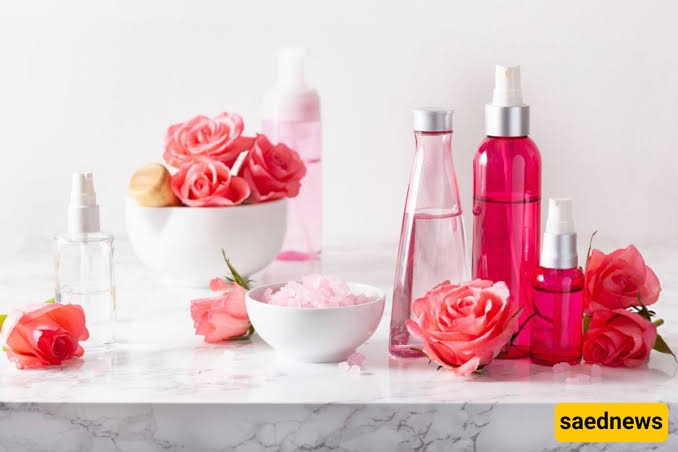
Rose water is produced by distilling rose petals with steam. It may contain beneficial plant compounds, including flavonoids, antioxidants, and small amounts of naturally occurring aromatic substances.
These compounds may contribute to its soothing and antioxidant properties. Rose water is commonly used on dry, sensitive, and combination skin, although individual reactions can vary.
For skincare, choose pure rose water without added alcohol or unnecessary fragrances. Keep in mind that rose water is a cosmetic product, not a medical treatment for increasing facial volume.
A fuller face generally refers to cheeks that look rounder, softer, or less hollow. Facial appearance can be influenced by several factors, including:
Subcutaneous fat beneath the skin
Facial muscles and underlying bone structure
Skin hydration and collagen levels
Age, genetics, and overall body weight
Dehydration, fatigue, and certain health conditions
Rose water cannot increase subcutaneous fat or enlarge facial muscles. However, well-hydrated skin may appear smoother and more supple, helping the face look temporarily fresher and fuller.
Therefore, the benefits of rose water for fuller-looking cheeks are mainly related to skin hydration and appearance rather than actual facial fat gain.
Dry, dehydrated skin can look dull, tired, and more prone to fine lines. Rose water may provide light surface hydration, helping the skin appear fresher and smoother.
The effect is temporary, but it can contribute to a healthier-looking complexion.
Gently massaging the face while applying rose water may temporarily increase local blood flow, giving the skin a more refreshed appearance.
Apply a few drops to your face and use your fingertips to make gentle circular movements. Avoid pulling or rubbing the skin too firmly.
Rose water may have mild soothing properties that benefit some people with sensitive or irritated skin.
When the skin looks red or irritated, a gentle skincare routine may help improve its overall appearance. However, rose water is not a substitute for treatment when irritation is persistent or severe.
Rose water may contain antioxidant compounds that help protect against oxidative stress, which contributes to premature skin aging.
Although rose water can complement a skincare routine, it does not replace sunscreen or other proven skin-protection measures.
Rose water may provide a refreshing sensation and can be suitable for some people with oily skin.
Using an appropriate moisturizer alongside it can help maintain the skin's moisture balance and improve its overall texture.
Applying rose water before a moisturizer or serum may help dampen the skin, which can support hydration when followed by suitable skincare products.
For better results, apply a moisturizer afterward to help retain moisture.
The pleasant scent of rose water may make a skincare routine more relaxing. Gentle facial massage can also help relieve the feeling of facial tension.
While relaxation may improve your overall sense of well-being, neither rose water nor massage has been shown to produce lasting increases in facial fat.
After cleansing, apply pure rose water with clean hands, a cotton pad, or a spray bottle.
Follow with a moisturizer to help retain hydration. If you have sensitive skin, test the product on a small area first.
Apply a few drops to your face and gently massage from the center outward, using light upward movements.
You can do this for a few minutes as part of your skincare routine. Stop if you notice discomfort or irritation.
Soak a clean cotton pad in rose water and place it on your face for five to ten minutes.
This can provide a refreshing, soothing sensation, although it will not permanently increase facial volume.
Mix one tablespoon of rose water with one teaspoon of honey.
Apply the mixture for 10–15 minutes, then rinse with lukewarm water. Honey can help condition the skin, but it may cause irritation or allergic reactions in some people.
Mix one tablespoon of rose water with one tablespoon of plain yogurt.
Apply briefly, then rinse thoroughly. This homemade mask may leave the skin feeling soft, but evidence that it makes cheeks fuller is lacking.
Combine rose water with a small amount of aloe vera gel to create a hydrating, soothing mask.
Leave it on for 10–15 minutes if your skin tolerates the ingredients, then rinse or follow the product instructions.

For very dry skin, a small amount of glycerin in a suitable skincare formulation may help attract and retain moisture.
Use a properly formulated product rather than applying concentrated glycerin directly. If your skin is oily or acne-prone, choose products that suit your skin type.
Rose water is not a replacement for medical treatment if facial volume loss is caused by illness, malnutrition, or hormonal problems.
Choose products with simple ingredients and avoid products that contain irritating additives.
Patch-test new products before applying them to your entire face.
Avoid contact with your eyes.
Stop using the product if you develop redness, itching, burning, or swelling.
Store rose water according to the product label and keep it away from excessive heat and direct sunlight.
Combine skincare with a balanced diet, adequate sleep, and a consistent skincare routine for healthier-looking skin.
If your goal is to increase facial volume rather than simply improve skin appearance, rose water alone will not achieve it.
The most appropriate approach depends on the cause of your facial appearance. Maintaining a healthy body weight, eating a balanced diet with adequate protein and calories, staying hydrated, and getting sufficient sleep can support general health and normal skin function.
If your face has become noticeably thinner without explanation, consider consulting a healthcare professional to identify the cause.
For people interested in cosmetic changes, treatments such as dermal fillers or fat transfer may be options, but they carry risks and should be discussed with a qualified medical professional.
Rose water may help your face look fresher, smoother, and temporarily plumper by supporting surface hydration and soothing the skin. However, there is no good evidence that rose water directly increases facial fat or permanently makes cheeks fuller.
Using rose water as a toner, combining it with suitable moisturizing ingredients, and incorporating gentle facial massage can make your skincare routine more enjoyable.
For lasting changes in facial volume, focus on overall health and seek professional advice when appropriate. Treat rose water as a gentle skincare addition, not a miracle solution for fuller cheeks.