SAEDNEWS: Dry lips are a common skin condition. This comprehensive article explores the causes, warning signs, prevention strategies, and treatment options for dry lips.
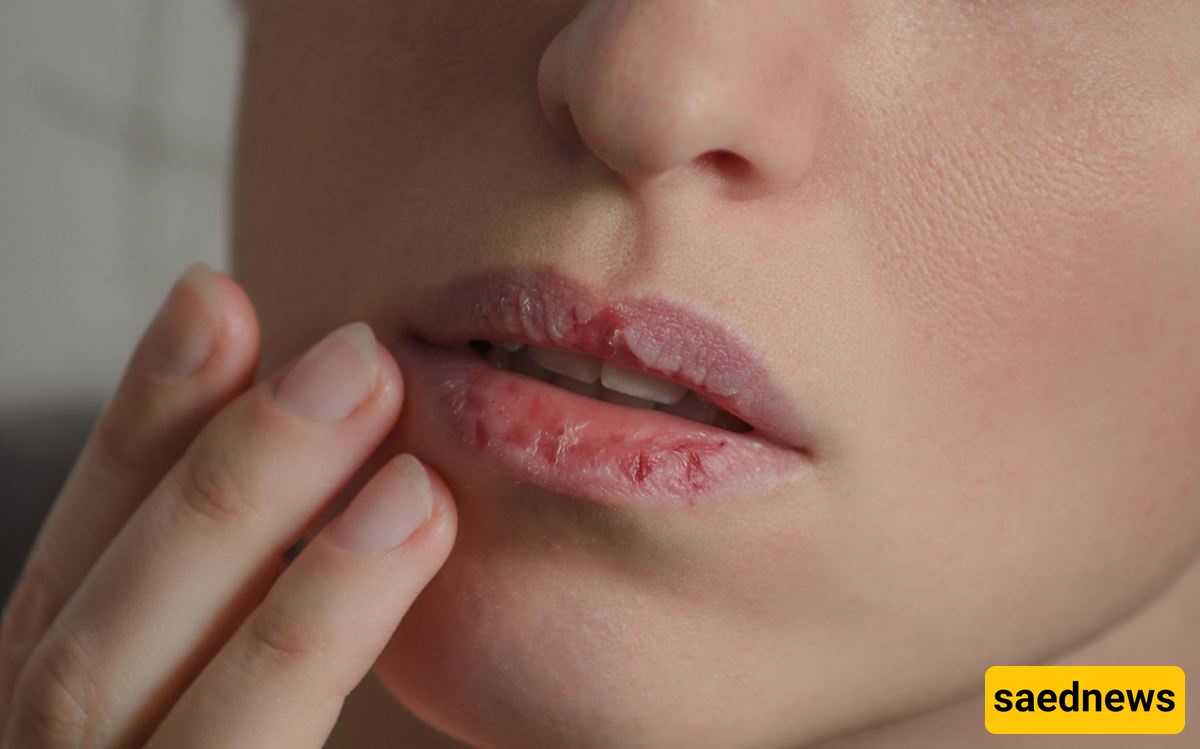
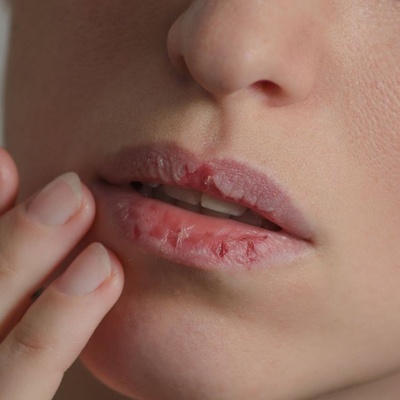
According to Saednews, Dry lips are one of the most common skin problems, affecting many people throughout the year, especially during autumn and winter. Although dry lips may seem like a minor cosmetic issue, they can lead to cracking, pain, bleeding, and even infection.
Many people assume that dry lips are caused only by dehydration. However, the causes can be much more varied, ranging from simple environmental factors to underlying medical conditions.
This comprehensive guide explains the common causes of dry lips, warning signs to watch for, treatment options, and practical ways to prevent recurring dryness.
The skin of the lips has a unique structure. Unlike most other areas of the body, the lips do not contain oil or sweat glands. Their outer protective layer is also much thinner and contains fewer layers of cells.
As a result, the lips lose moisture more quickly and are more vulnerable to external factors such as cold, wind, heat, and sunlight. The lips also contain many superficial blood vessels, which contribute to their characteristic reddish color.
Because of these characteristics, any disruption in the body's hydration or exposure to irritation can quickly appear as dryness, peeling, or cracking.
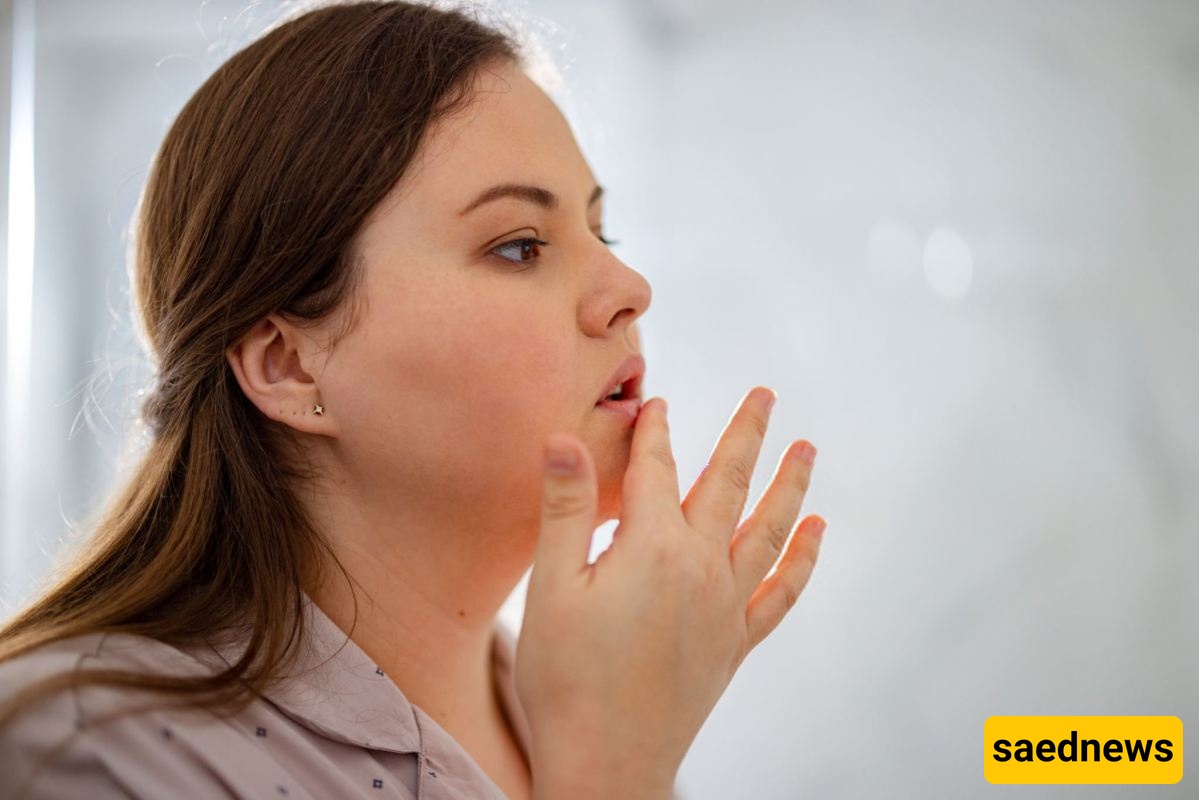
Dehydration is one of the best-known causes of dry lips. When the body does not have enough water, the lips and skin may be among the first areas to show signs.
Intense exercise, excessive sweating, diarrhea, fever, vomiting, and inadequate fluid intake can all cause dehydration.
In these situations, the lips may become dry, pale, and sometimes cracked. Drinking enough water throughout the day, particularly in hot weather or during physical activity, can help prevent dehydration-related dryness.
Cold and dry weather, strong winds, direct sunlight, and heating or air-conditioning systems are major environmental causes of dry lips.
During winter, humidity levels often fall, while indoor heating can reduce moisture even further.
Ultraviolet (UV) radiation can also damage the delicate skin of the lips, causing dryness, peeling, and even sunburn. Protecting the lips from sunlight and using a humidifier indoors can therefore be helpful.
Many people instinctively lick their lips when they feel dry. Although this may provide temporary relief, it can actually make the problem worse.
Saliva contains enzymes that can damage the protective barrier of the lips. Once the saliva evaporates, it can also take natural moisture with it, leaving the lips even drier.
This can create a cycle of licking, drying, cracking, and irritation. Breaking the habit and using an appropriate lip balm is a better approach.
Breathing through the mouth, particularly during sleep, exposes the lips to a continuous flow of air and can cause them to dry out.
People who breathe through their mouths because of allergies, colds, a deviated nasal septum, or sleep apnea may be more likely to experience chronic dry lips.
Treating the underlying reason for mouth breathing can help improve the condition.
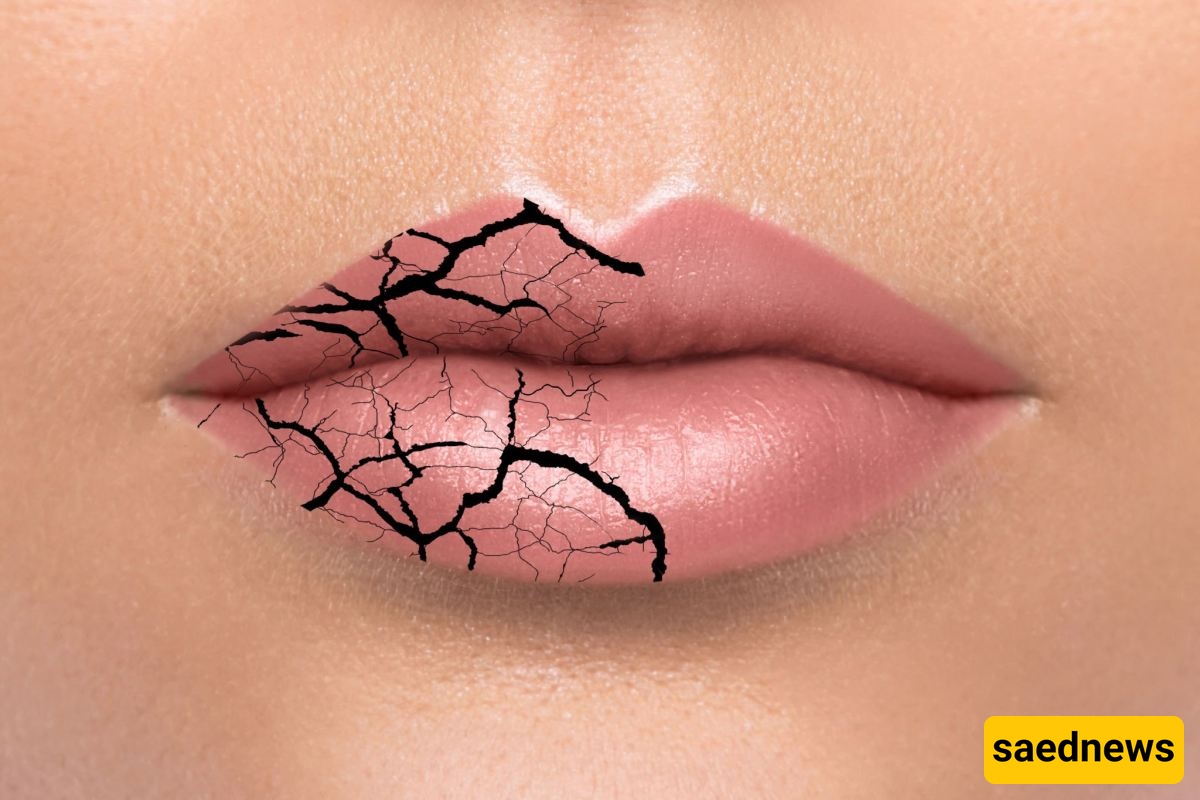
Some lip-care products and cosmetics contain ingredients that can cause irritation or allergic reactions. These may include menthol, camphor, phenol, alcohol, fragrances, and artificial flavorings.
Toothpaste containing sodium lauryl sulfate (SLS) may also irritate sensitive lip skin. Matte and long-lasting lipsticks can contribute to dryness because of their drying effects.
People with sensitive lips may benefit from choosing gentle, fragrance-free products.
Certain vitamin and mineral deficiencies can contribute to dry, cracked, or inflamed lips.
Possible nutritional factors include deficiencies in:
Vitamin B2 (riboflavin)
Vitamin B3 (niacin)
Vitamin B6
Vitamin B12
Iron
Zinc
Essential fatty acids
People with unbalanced diets, strict vegetarian or vegan diets, pregnancy, or digestive conditions that interfere with nutrient absorption may be at greater risk.
If a nutritional deficiency is suspected, blood tests and medical advice are recommended before taking supplements.
Some medications can cause dry lips. Examples include acne medications such as isotretinoin, diuretics, antihistamines, decongestants, lithium, certain chemotherapy drugs, and some blood-pressure medications.
These medicines may reduce oil production or increase fluid loss.
Do not stop prescribed medication on your own. Instead, discuss the symptoms with your doctor to determine whether the dose, timing, or medication itself should be adjusted.
In many cases, a rich moisturizer such as petroleum jelly or lanolin can help manage medication-related dryness.
Dry lips are not always a simple cosmetic problem. Sometimes they can indicate an underlying skin condition or infection.
Possible causes include:
Cheilitis: Inflammation of the lips, including simple, angular, contact, and exfoliative forms.
Angular cheilitis: Cracks and peeling at the corners of the mouth, often associated with Candida or bacterial infection, nutritional deficiencies, or excessive saliva.
Actinic cheilitis: Long-term sun damage that can create a precancerous change, particularly on the lower lip. It is more common in people with significant sun exposure, including outdoor workers and smokers.
Eczema, psoriasis, and seborrheic dermatitis: Inflammatory skin conditions that can affect the lips.
Cold sores: Herpes simplex infections can cause painful blisters followed by crusting and peeling.
Fungal infections: These may be more common in people with weakened immune systems or those who use inhaled steroids.
An allergic reaction to ingredients in lip products, toothpaste, mouthwash, foods, metals such as nickel, or certain medications can cause dryness, redness, swelling, and cracking.
This condition is known as contact cheilitis.
If an allergy is suspected, a doctor may recommend patch testing to identify the responsible substance.
Iron-deficiency anemia, vitamin B12 deficiency, and folate deficiency can sometimes be associated with dry or cracked corners of the mouth.
Certain systemic conditions, including hypothyroidism, diabetes, Sjögren's syndrome, inflammatory bowel disease, lupus, and immune-system disorders, may also contribute to chronic lip dryness.
In these situations, treating the underlying condition is an important part of treatment.
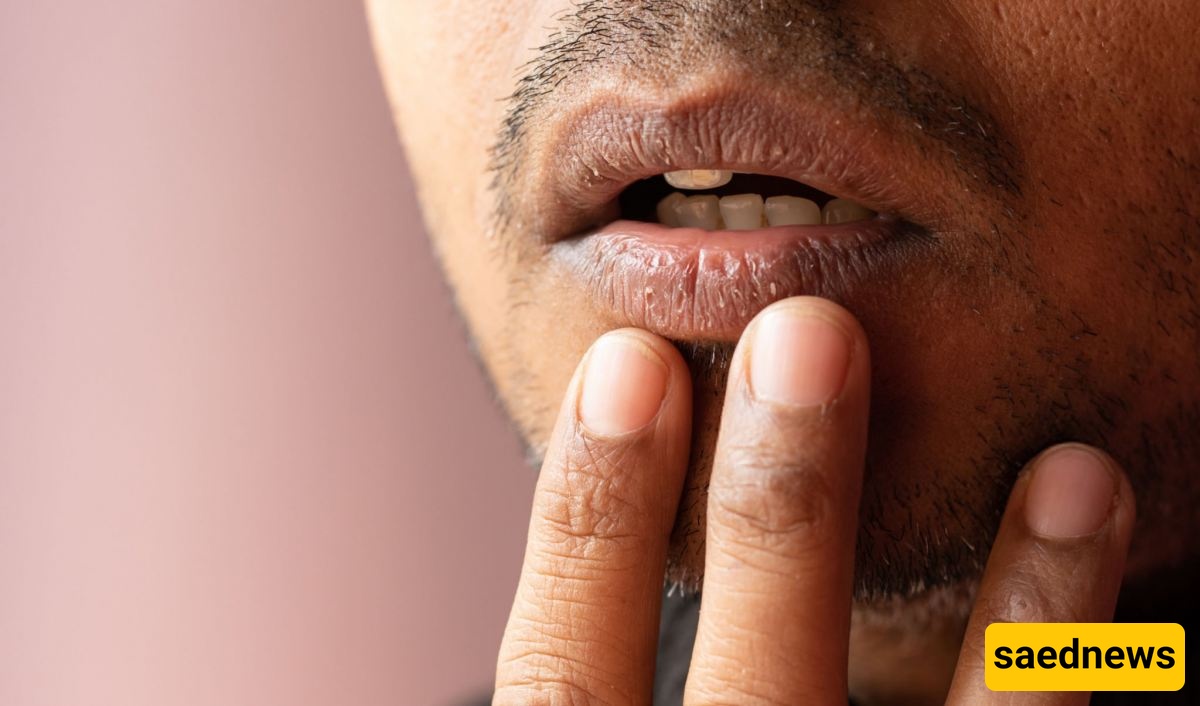
Smoking can reduce blood flow to the skin, contribute to dehydration, and expose the lips to warm cigarette smoke.
Alcohol can also contribute to dehydration because of its diuretic effects.
High consumption of coffee, energy drinks, or very salty or spicy foods may also aggravate dryness in some people.
Repeatedly licking, biting, chewing, or peeling the skin of the lips can cause dryness, irritation, and wounds.
These behaviors are often unconscious and may become more frequent during periods of stress or anxiety.
As people age, the production of collagen and natural skin oils decreases. The lips may become thinner and more prone to dryness.
Hormonal fluctuations during pregnancy, menopause, or the use of hormonal contraceptives may also influence skin and lip moisture.
A diet lacking fruits and vegetables, essential fatty acids such as omega-3 and omega-6, zinc, or vitamin A may contribute to lip dryness.
Certain digestive and absorption problems can also lead to nutrient deficiencies, which may subsequently affect the lips.
In most cases, dry lips improve with proper moisturization and changes in daily habits. However, medical attention is recommended if you experience:
Dryness that persists for more than 2–4 weeks despite treatment
Deep cracks, bleeding, or persistent sores
White patches, thickened areas, or unusual growths on the lips
Significant swelling, redness, pain, or pus-like discharge
Numbness or changes in sensation
Fever, chills, or difficulty eating and drinking
An asymmetrical or progressively enlarging lesion, particularly in people who smoke or have a history of significant sun exposure
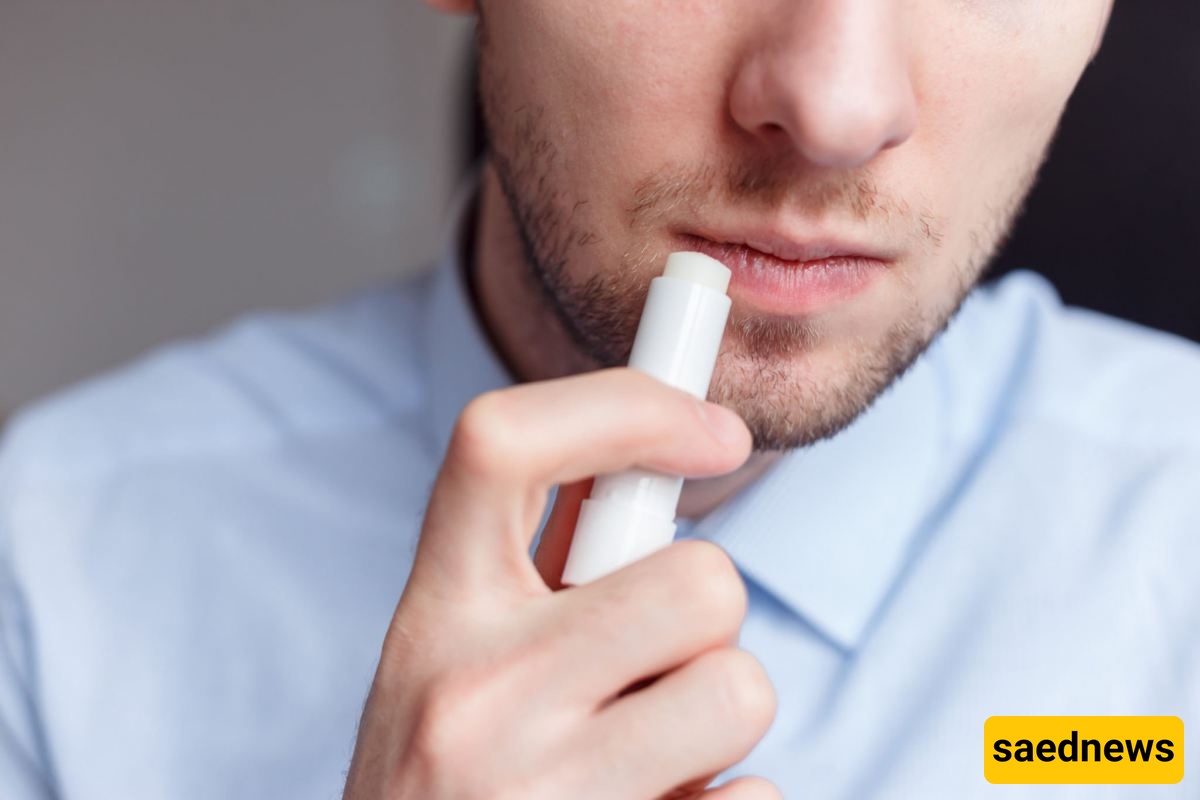
If your dry lips do not improve with home care, or if they occur alongside symptoms such as fatigue, hair loss, unexplained weight loss, fever, or digestive problems, consult a healthcare professional.
A dermatologist, dentist, or general practitioner can investigate possible underlying causes.
Depending on the symptoms, evaluation may include blood tests, cultures, allergy testing, or, in some cases, a biopsy.
Treatment depends on the underlying cause:
Dehydration: Increase water and fluid intake.
Fungal or bacterial infection: Prescription antifungal or antibiotic treatment may be necessary.
Viral infection: Antiviral medication may be used in more severe cases.
Eczema or inflammation: Mild topical corticosteroids may sometimes be prescribed for short-term use.
Nutritional deficiencies: Supplements may be recommended under medical supervision.
Actinic cheilitis: A dermatologist may use treatments such as cryotherapy, laser therapy, or, in advanced cases, surgery.
For simple dryness, protective products such as petroleum jelly or fragrance-free lip balms can help restore the lip barrier and reduce moisture loss.
Several simple habits can help prevent dry and cracked lips:
Drink enough water throughout the day.
Use a lip balm with SPF 30 or higher, especially outdoors.
Reapply lip balm regularly.
Avoid licking, biting, or peeling your lips.
Use a humidifier in dry indoor environments.
Maintain a balanced diet rich in vitamins and minerals.
Stop smoking and limit alcohol consumption.
Choose lip products without fragrance, alcohol, menthol, or camphor if your lips are sensitive.
Consider trying an SLS-free toothpaste if your lips are frequently irritated.
Protect your lips with a scarf or mask during cold and windy weather.

Dry lips can result from something as simple as dehydration, cold weather, or frequent lip licking, but persistent symptoms can sometimes point to a skin condition, infection, nutritional deficiency, medication side effect, or an underlying medical problem.
If dryness is persistent, painful, severe, or accompanied by unusual changes or other symptoms, it is important to seek medical advice. With appropriate lip protection, moisturization, hydration, and treatment of any underlying cause, most people can maintain healthy, soft, and comfortable lips.